赤外線追跡で、天の川銀河のガス雲は激しい連星系へとつながった
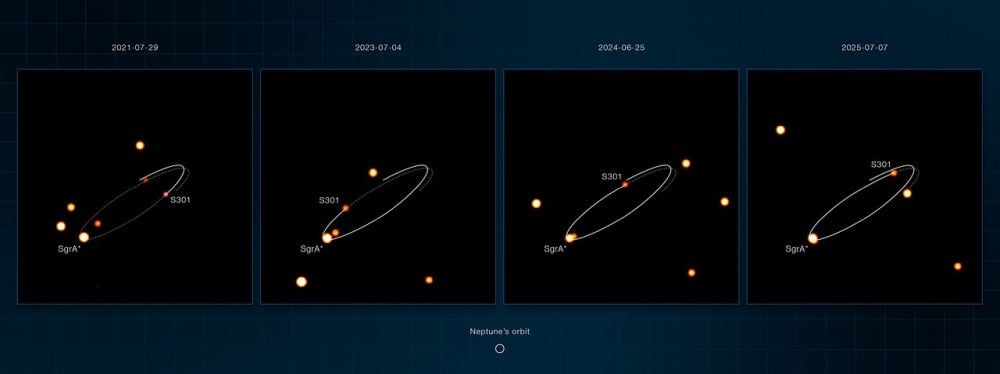
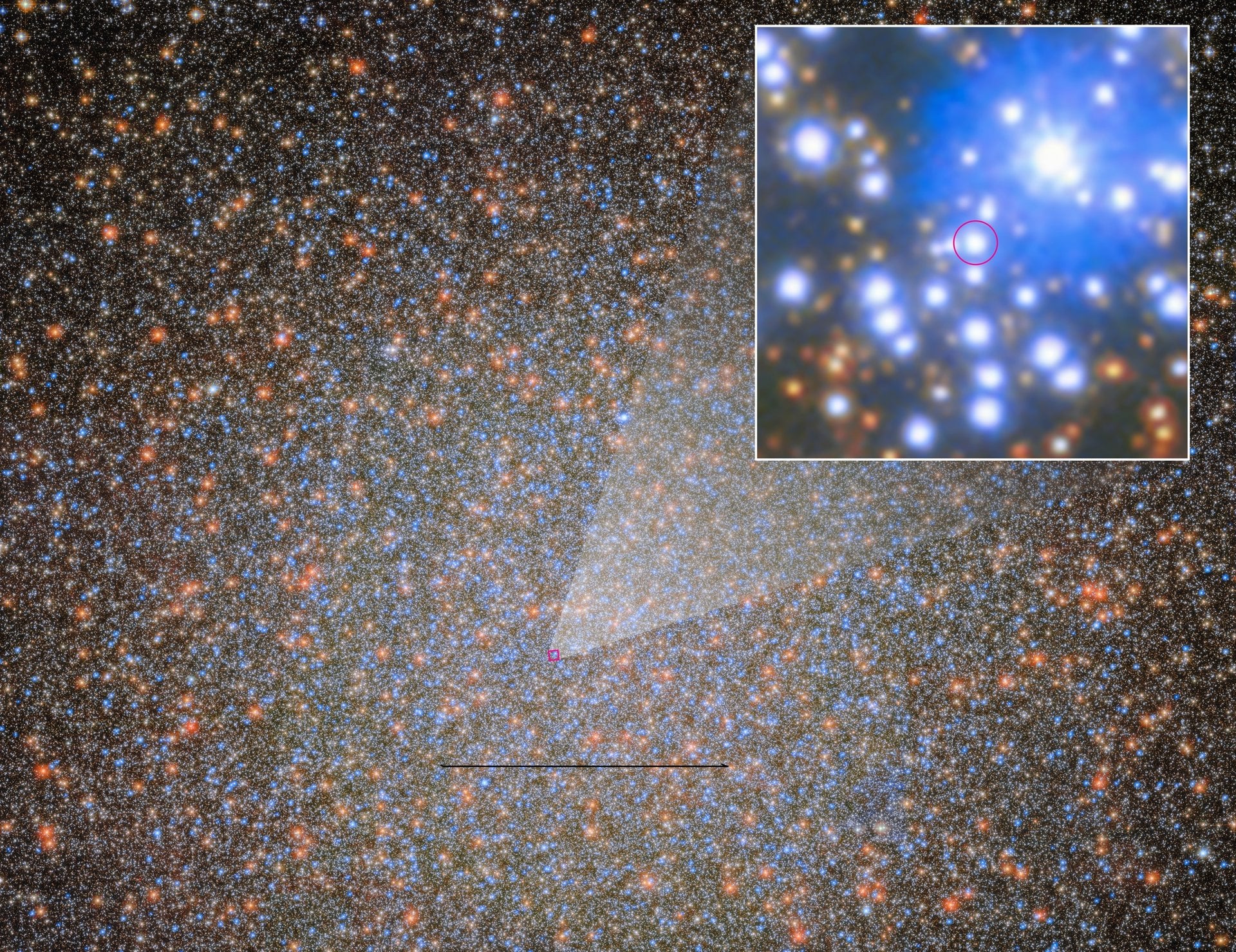
いて座A*付近にある3つの異常なガス雲を調べた天文学者らは、それらのほぼ同一の軌道は共通の起源を持つ可能性が高く、新たな観測によって大質量接触連星系にたどり着いたと述べている。
- Sagittarius A* 近くの3つの異常なガス雲は、ほぼ同一の軌道を共有しているように見える。
- 研究者らはその軌道を大質量接触連星 IRS 16SW まで遡った。
「black-holes」のタグが付いた記事一覧

いて座A*付近にある3つの異常なガス雲を調べた天文学者らは、それらのほぼ同一の軌道は共通の起源を持つ可能性が高く、新たな観測によって大質量接触連星系にたどり着いたと述べている。

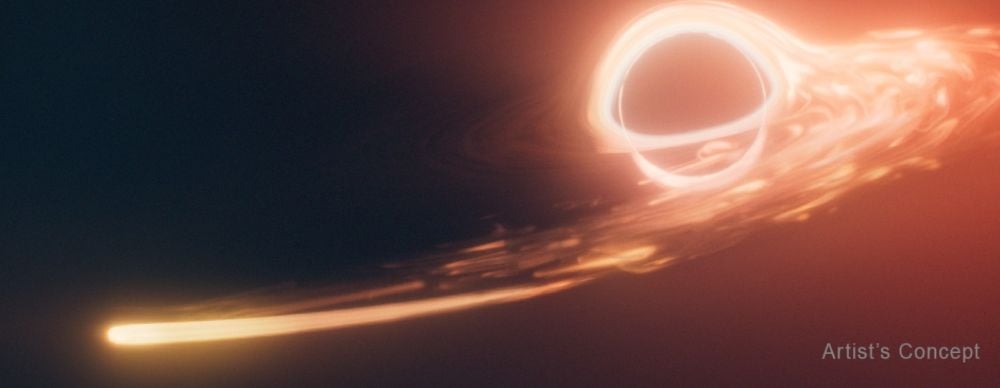
新たなシミュレーション研究は、超大質量ブラックホールに引き裂かれた恒星がなぜ壮観なフレアを引き起こすのかを説明し、潮汐破壊現象の解釈に役立つ手がかりを天文学者に与えている。

おとめ座銀河団にある2つの矮小銀河の観測は、過去の合体によって恒星がはぎ取られ、銀河中心からずれたように見えるものも含め、著しく質量の大きいブラックホールが残されたことを示唆している。

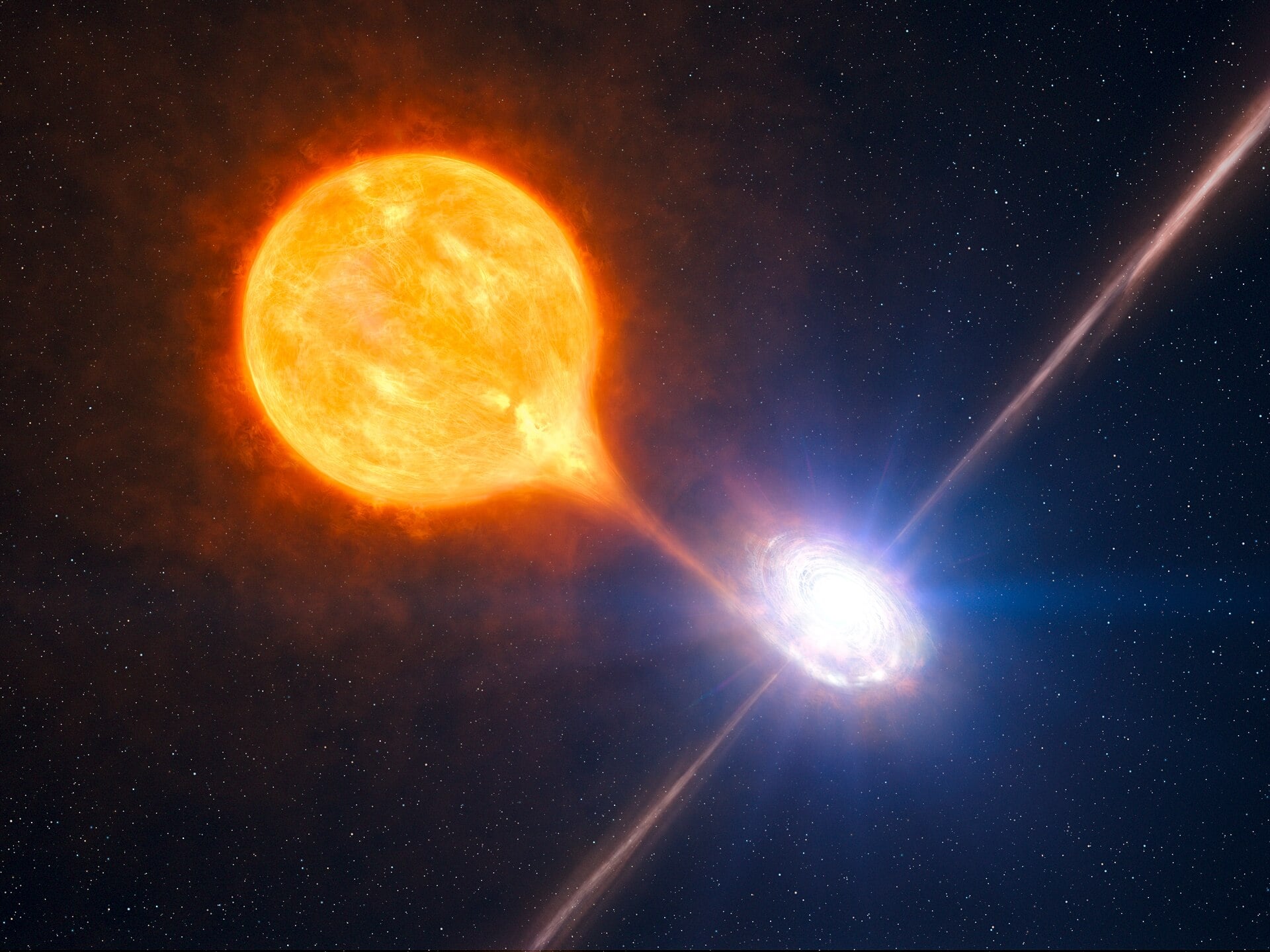
天文学者は、最初に確認されたブラックホールであるはくちょう座X-1の揺れるジェットを測定し、その流出が光速のおよそ半分で進んでいることを突き止めた。
ハッブルによる IC 486 の新画像は、地球から 3 億 8000 万光年先にある棒渦巻銀河を捉え、最近の星形成と明るい活動銀河核が同じ発光構造の中に共存していることを示している。
長年にわたり透明マントで知られてきた物理学者ジョン・ペンドリーは今、メタマテリアルの発想を使って、ブラックホールのような物理を模擬できる可能性を含む、より野心的な領域を探っている。
100万以上の銀河と8,000以上の活動的に成長する超大質量ブラックホールを調べた新研究は、ブラックホール成長の現代的な減速について、シンプルな説明を示している。冷たいガスが十分にないのだ。
A new analysis of gravitational-wave detections suggests a missing band of black hole masses, supporting the idea that some massive stars explode so completely they leave nothing behind.
Astronomers detected gravitational waves from a massive black hole merger in November 2024, followed seconds later by a short gamma-ray burst—potentially the second confirmed multi-messenger cosmic event in history.
The LOFAR telescope array has completed the most comprehensive radio survey of the universe ever conducted, mapping 13.7 million cosmic sources including supermassive black holes, merging galaxies, and supernova remnants. The survey opens a new window on phenomena invisible to optical telescopes.
The joint NASA-JAXA X-ray mission XRISM has revealed the most violent turbulence ever detected in a galaxy cluster, centered on the supermassive black hole M87*. The spacecraft's unprecedented ability to measure gas velocities has transformed our understanding of how black holes shape their cosmic surroundings.
Columbia University scientists working with the Breakthrough Listen project have identified a millisecond pulsar candidate spinning at 8.19 milliseconds near Sagittarius A*. If confirmed, the discovery could provide a powerful new tool for testing Einstein's general relativity under extreme gravitational conditions.