ブラックホールの統計調査が、長年予測されてきた禁断の空白の存在を強める
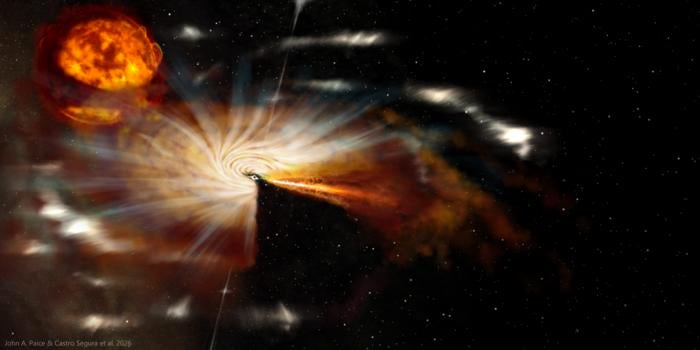
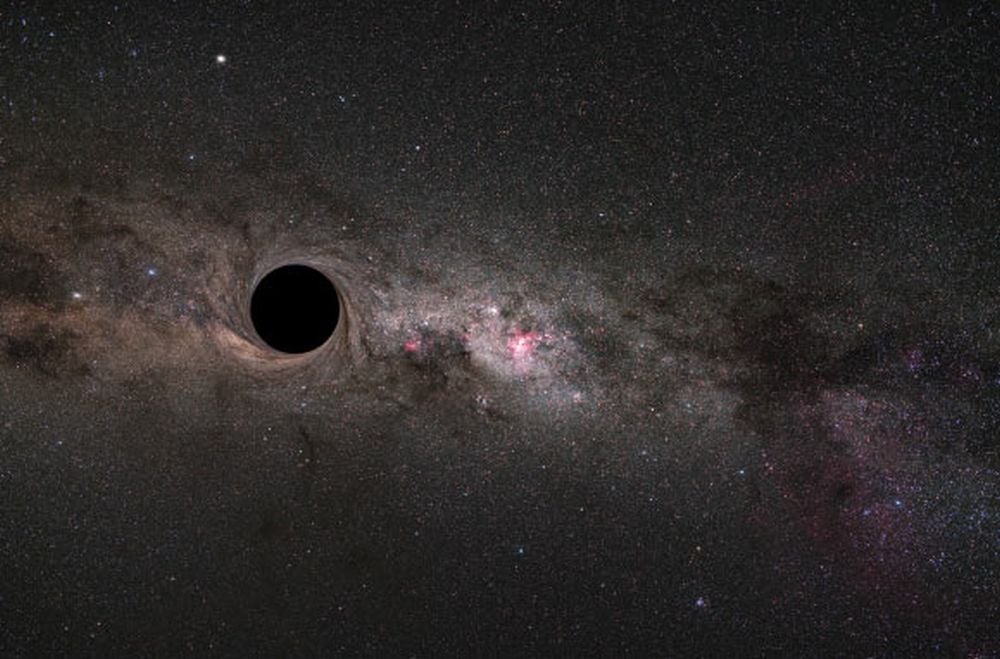
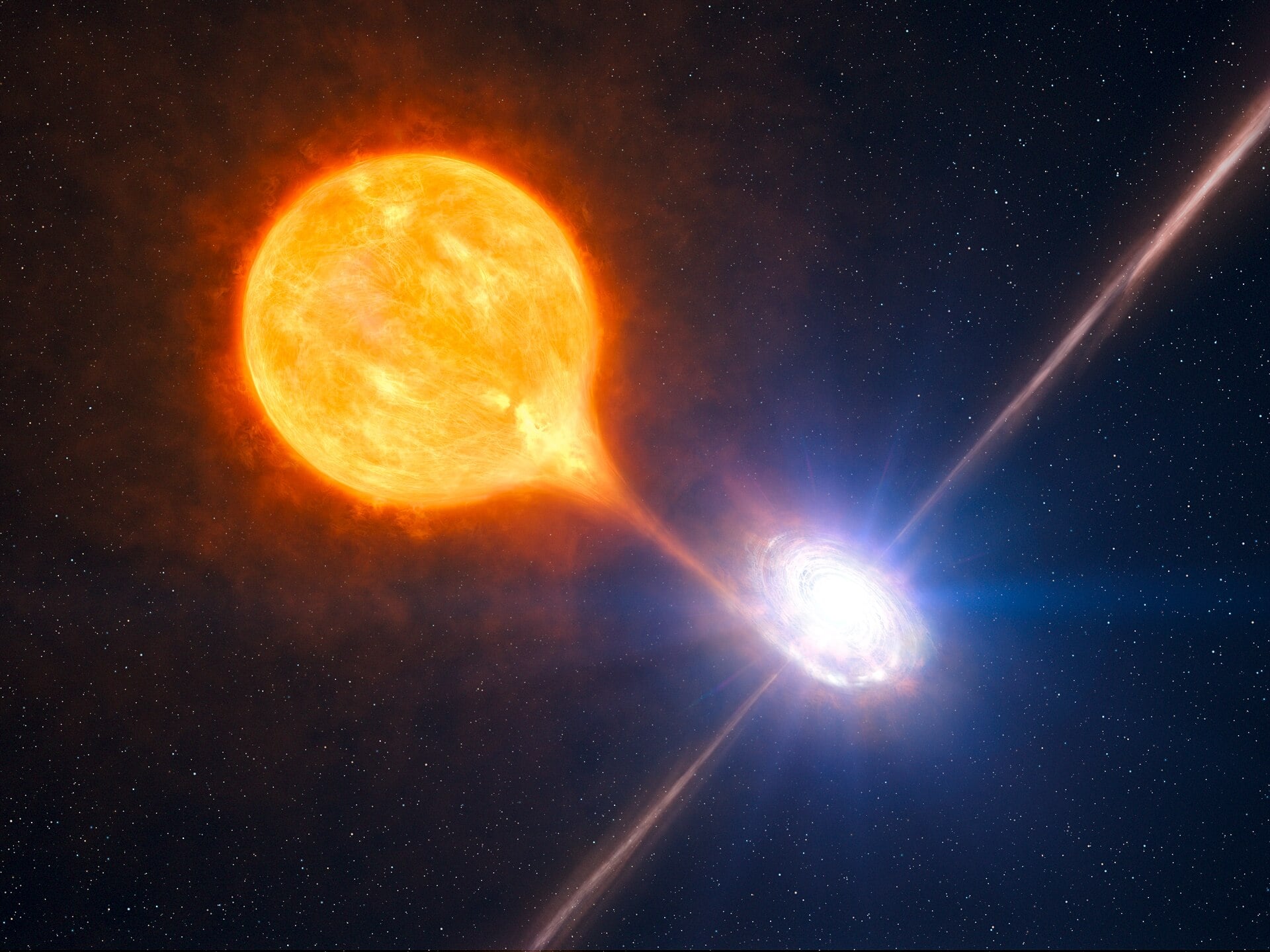
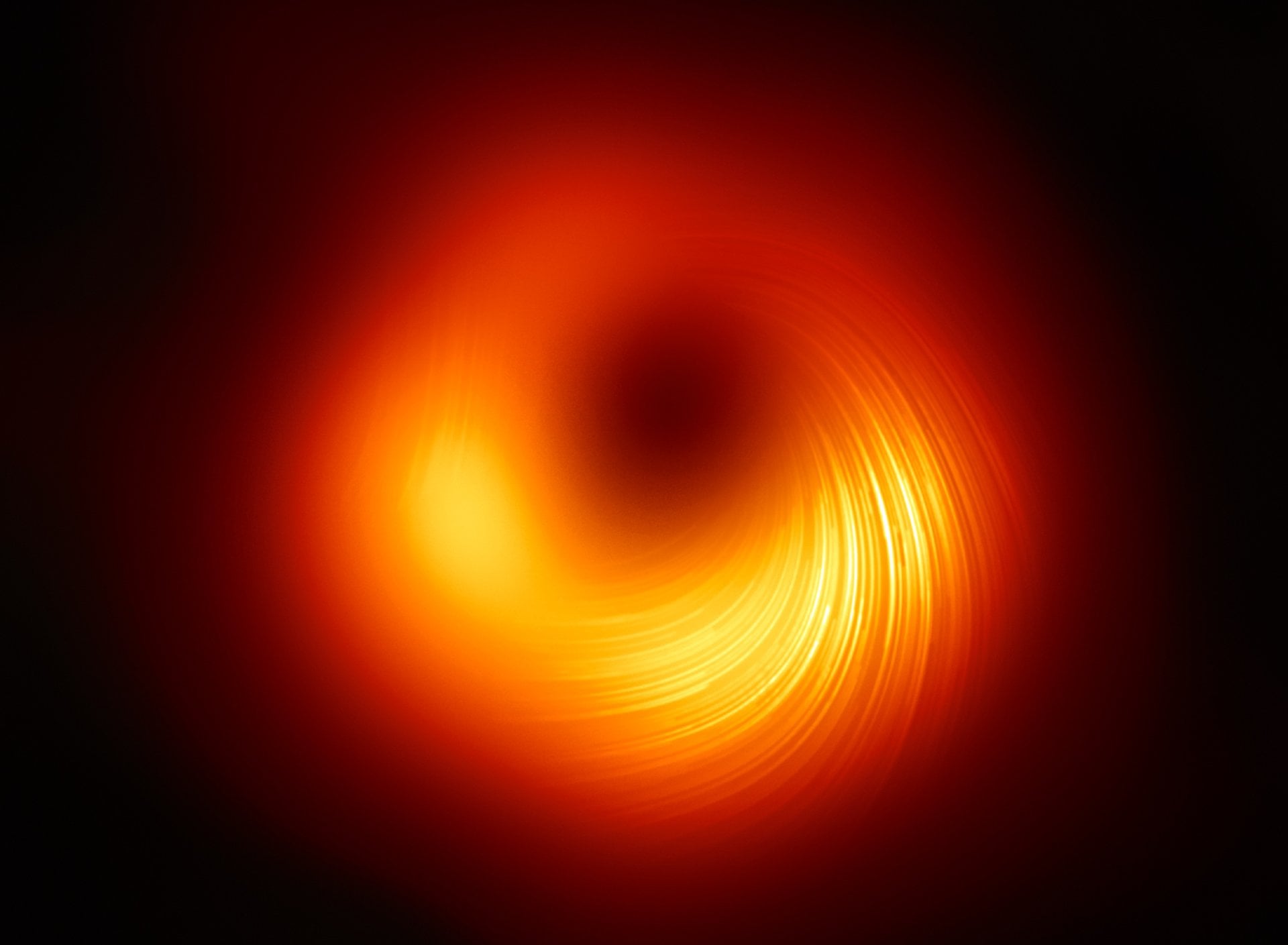
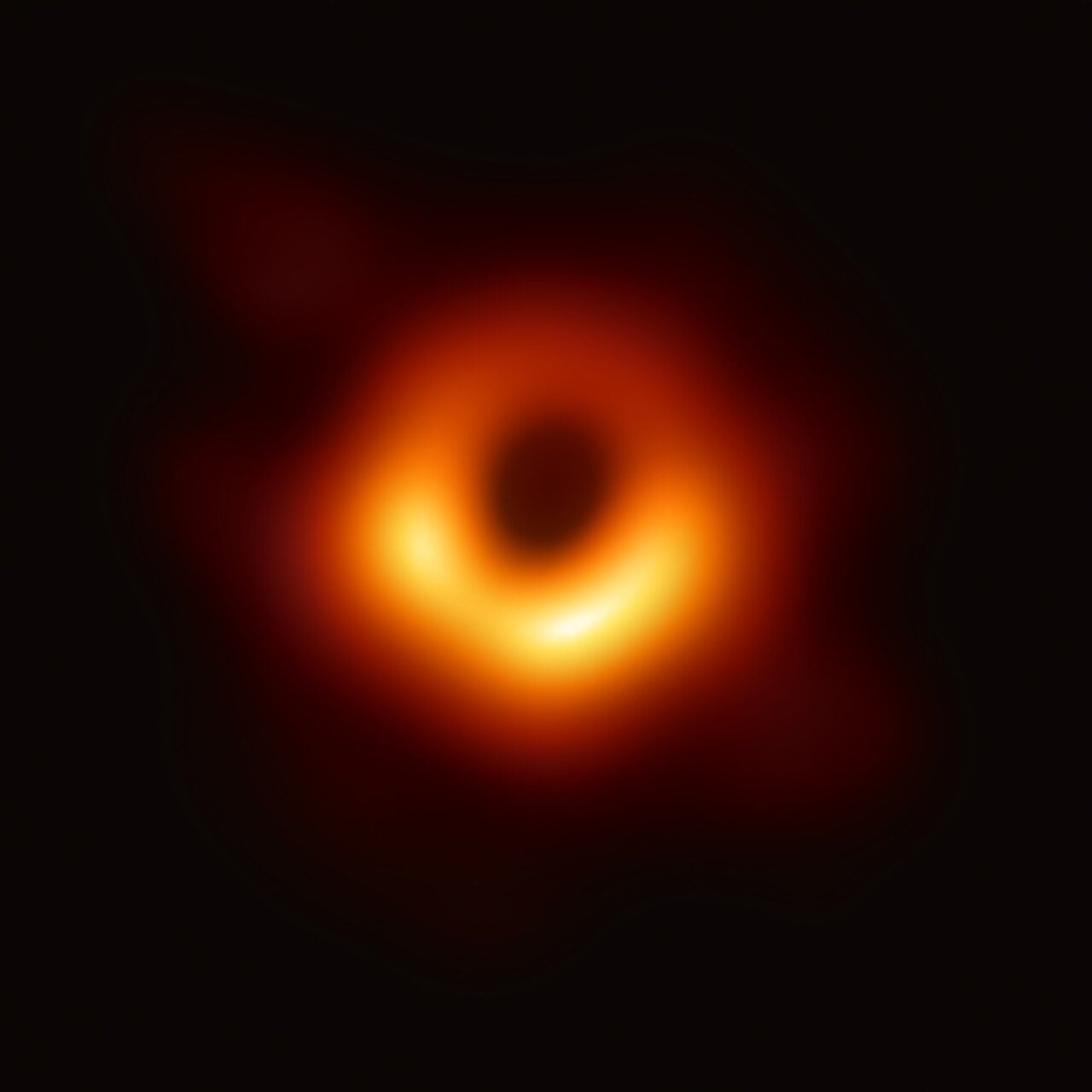
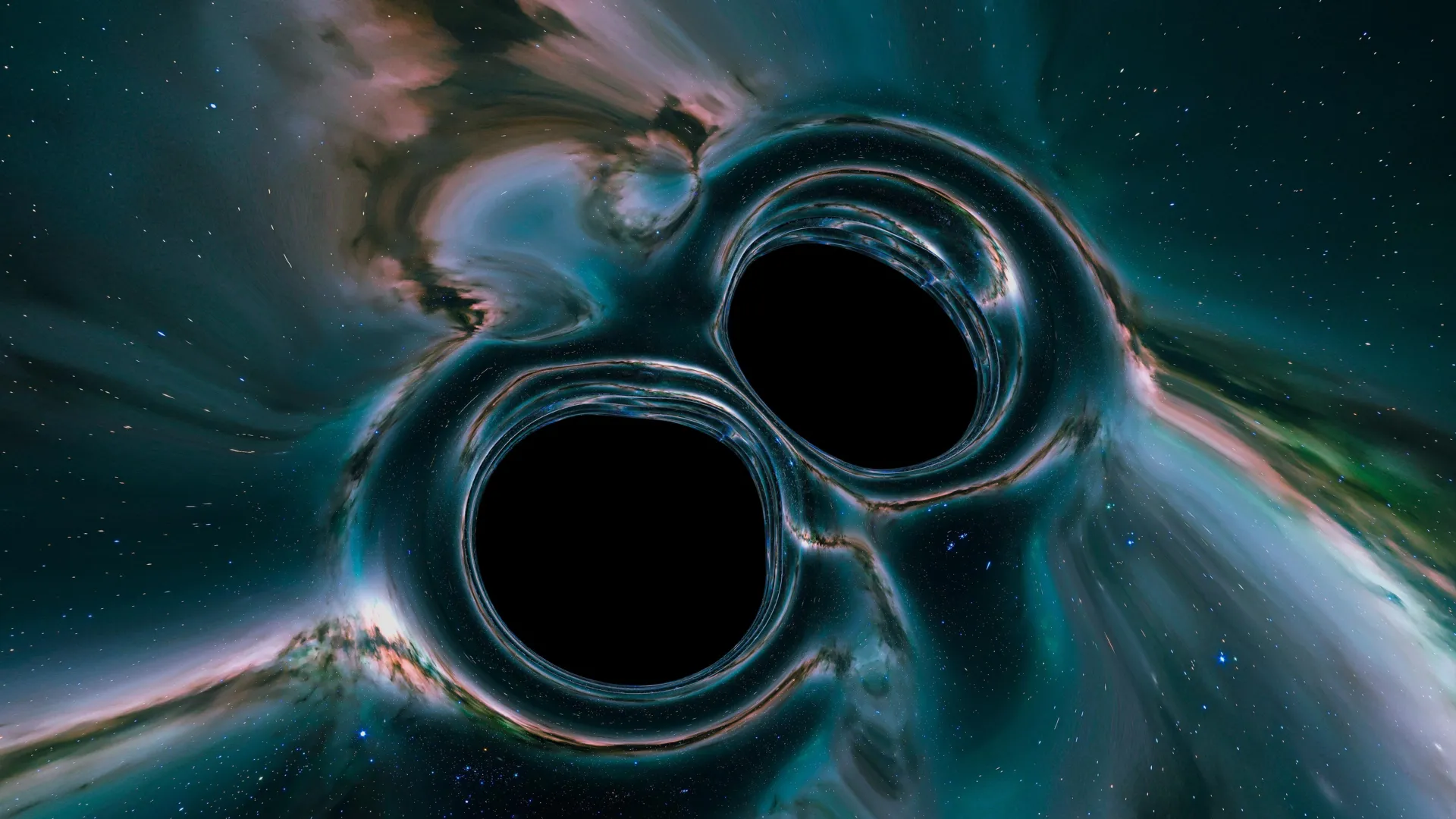
新たな研究は、対不安定超新星が、広い質量範囲にわたる恒星質量ブラックホールが予想外に少ない理由を説明するかもしれないと主張している。
- 新研究は、対不安定超新星が予測されたブラックホール質量の空白を説明する助けになると主張している。
- 重力波検出は、ブラックホール質量の増え続ける統計調査を提供している。
「astrophysics」のタグが付いた記事一覧

新たな研究は、対不安定超新星が、広い質量範囲にわたる恒星質量ブラックホールが予想外に少ない理由を説明するかもしれないと主張している。

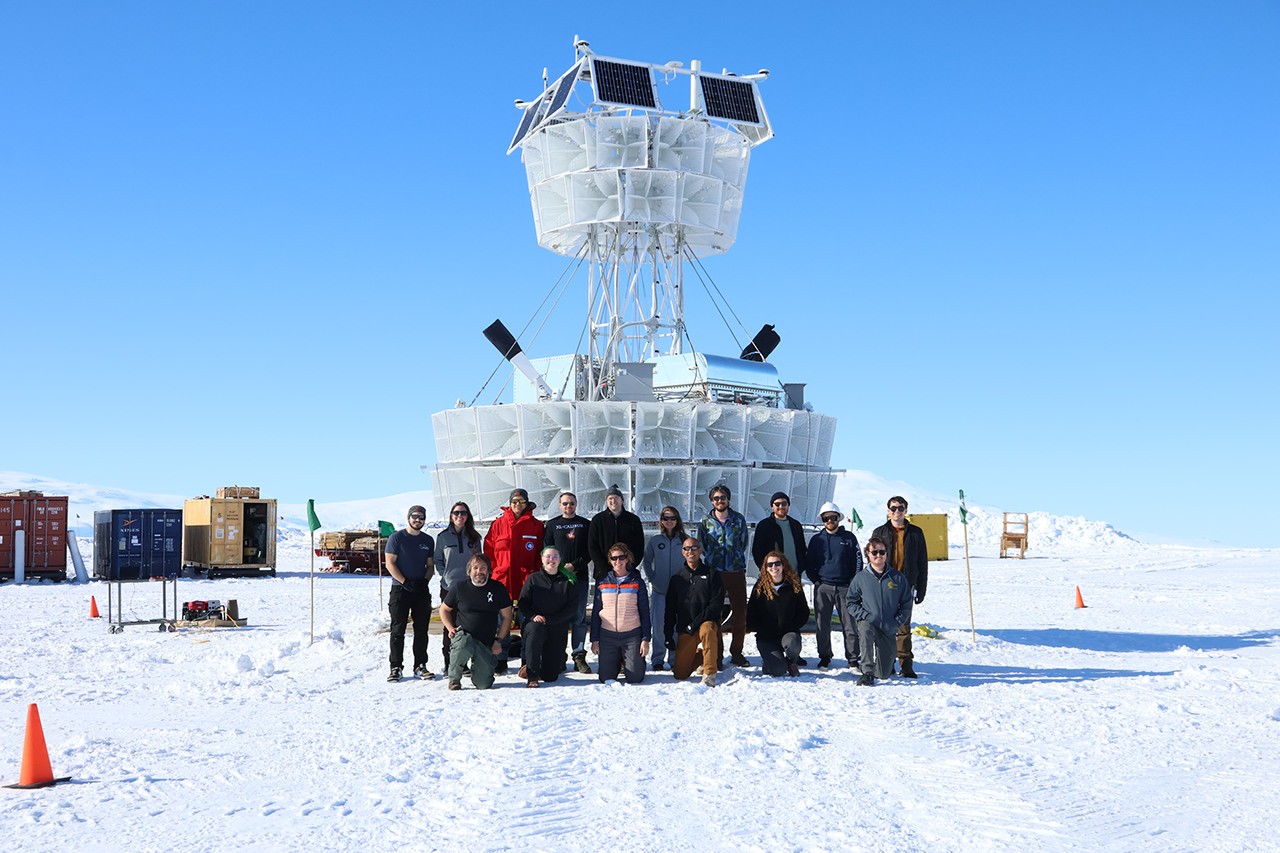
南極の氷に埋め込まれた5,000基以上の光センサーを備えるIceCube観測所は、高エネルギーニュートリノの検出に役立ち、宇宙で最も極端な出来事の手がかりを提供している。

数十年にわたる宇宙論データを新たに統合した研究は、現行理論では、なぜ異なる手法が宇宙の膨張率について異なる値を示すのかを十分に説明できないという見方をさらに強めている。

A new Physical Review Letters study led by UC Riverside physicist Hai-Bo Yu argues that self-interacting dark matter could account for three long-running astrophysical puzzles across very different environments.
ダニエル・K・イノウエ太陽望遠鏡による観測は、太陽フレアの減衰段階で異常に強いカルシウムと水素のシグナルを捉え、現在のモデルでは完全に説明できない振る舞いを研究者に高解像度で示した
A new analysis of gravitational-wave detections suggests a missing band of black hole masses, supporting the idea that some massive stars explode so completely they leave nothing behind.
新たなプレプリントは、蒸発する低質量の原始ブラックホールが、初期宇宙のプラズマに拡散した熱だけでなく、激しい衝撃波を生み出した可能性を示している。
科学者らは、ビッグバン直後のマイクロ秒に存在していた極端な物質状態であるクォーク・グルーオン・プラズマが中性子星の核内に存在する可能性があり、新しい検出方法がそれを証明する可能性があると信じています。
新しい世代の深い地下ニュートリノ検出器は、拡散超新星背景放射を捕捉する可能性があります。これは、太陽系が形成される前に起こったあらゆる恒星の死の累積されたニュートリノの輝きです。
天文学者は、これまで記録された最も強力な高速電波バースト(FRB)の起源を、36億光年離れた大規模な星生成銀河に特定しました。これはこれらの極端な宇宙現象の物理に関する新たな光を当てています。
Astronomers detected gravitational waves from a massive black hole merger in November 2024, followed seconds later by a short gamma-ray burst—potentially the second confirmed multi-messenger cosmic event in history.
A detector on the floor of the Mediterranean Sea has recorded the most energetic neutrino ever observed, a ghost particle whose origin remains a profound mystery.
ESA's CHEOPS mission has discovered a fourth exoplanet in the LHS 1903 system that challenges existing models of how planetary systems form and evolve.
Microscopic crystals older than the sun, extracted from meteorites, are settling debates about how our solar system formed.
Astronomers observe a wobbling jet from an active galactic nucleus driving gas out of a disk galaxy, revealing how supermassive black holes shape their hosts.
Columbia University scientists working with the Breakthrough Listen project have identified a millisecond pulsar candidate spinning at 8.19 milliseconds near Sagittarius A*. If confirmed, the discovery could provide a powerful new tool for testing Einstein's general relativity under extreme gravitational conditions.