NASA is turning the Roman launch into a public-facing digital event
NASA has opened applications for a NASA Social tied to the launch of the Nancy Grace Roman Space Telescope, its next flagship astrophysics mission. The agency says the telescope is scheduled to launch on August 30, 2026, aboard a SpaceX Falcon Heavy from Launch Complex 39A at Kennedy Space Center in Florida.
The NASA Social program is designed for digital creators and heavy social media users rather than traditional reporters. For Roman, the agency plans a two-day event that will include launch-day access and a maximum of 50 selected participants. Those attendees will receive access similar to news media and will be expected to share content with their own audiences.
A flagship mission with a wide science brief
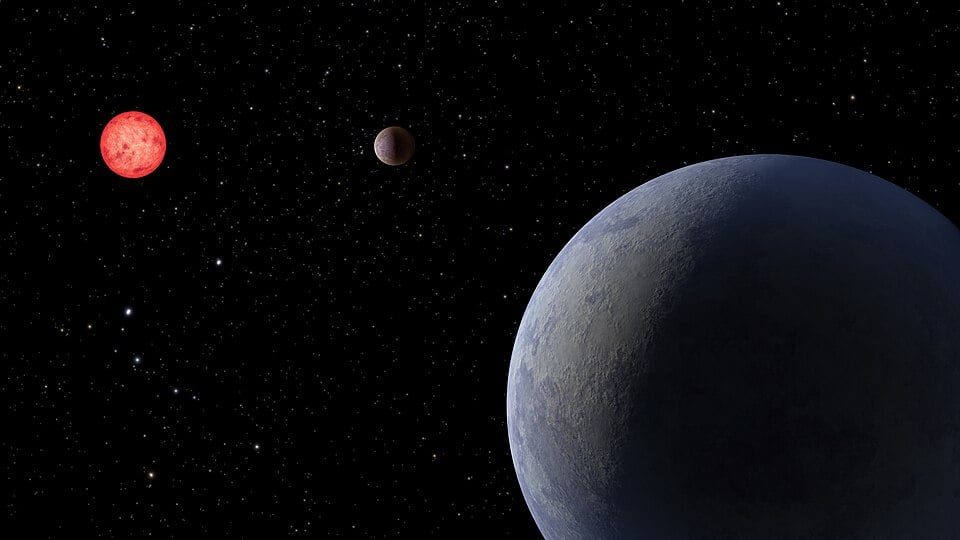
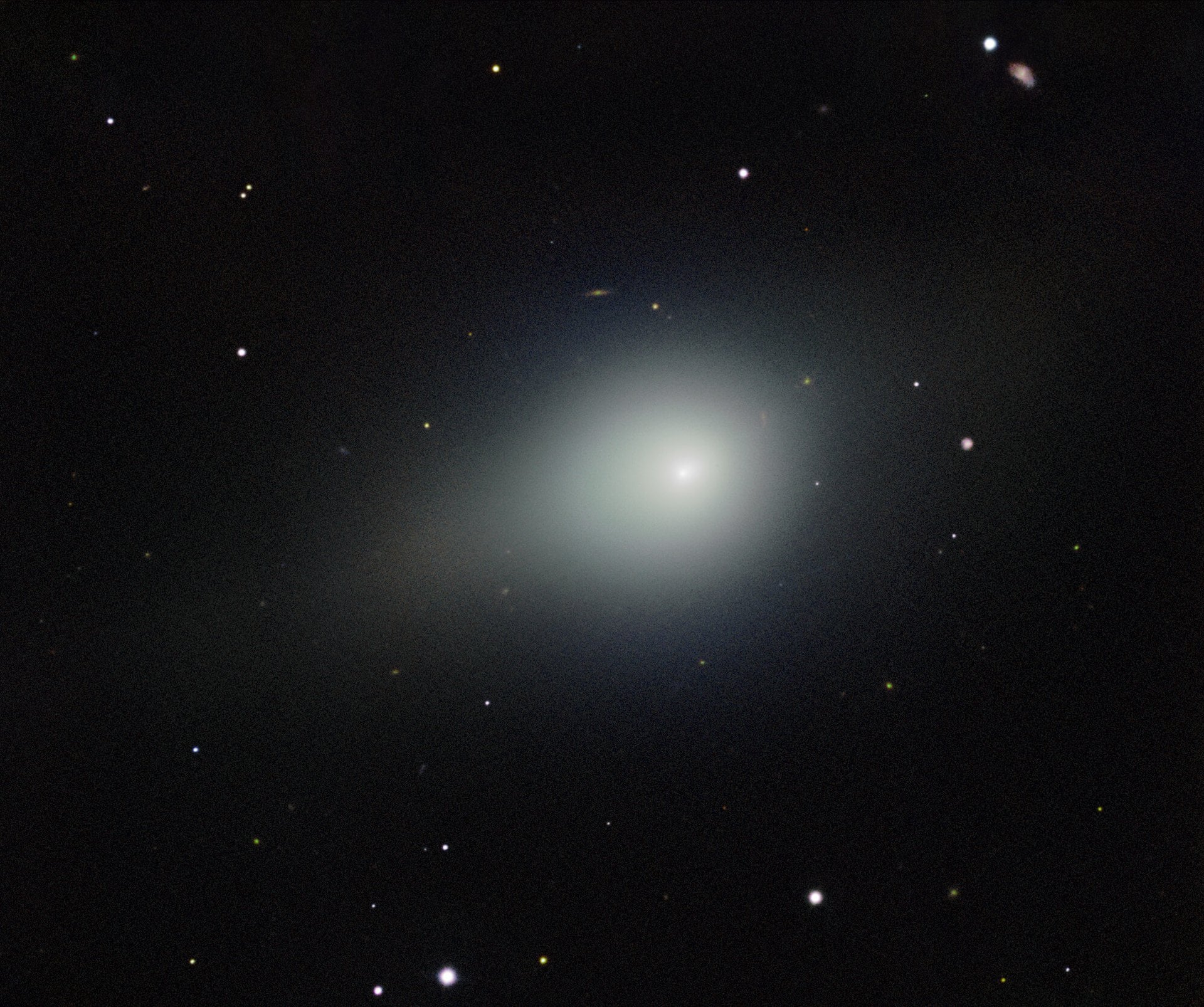
NASA describes Roman as a mission built to explore subjects ranging from the outer solar system to the edge of the observable universe. The telescope is expected to investigate distant worlds, dark energy and the large-scale structure of the cosmos, placing it among the agency’s most ambitious space science projects of the decade.
That breadth is part of why NASA is treating the launch as a public communications moment as well as a scientific one. Roman is not a narrow technical mission meant only for specialists. It is being framed as a mission that can speak to multiple audiences at once: astronomy enthusiasts, education communities, space industry followers and a social media ecosystem that increasingly shapes how major launches are seen by the public.
What selected participants would get
According to NASA, the event will include a tour of Kennedy Space Center, opportunities to hear directly from astrophysics experts, time with NASA’s social media team, and the chance to watch the launch in person. The agency is clearly using the program to expand the reach of mission coverage beyond conventional outlets.
This is a familiar NASA tactic, but one that has become more important as launches turn into distributed media events. Instead of relying only on its own feeds and mainstream press, the agency can seed mission coverage through creators who already speak to distinct and often highly engaged communities.
Who can apply, and who cannot
Registration opened on June 15, and NASA says applications close at 11:59 p.m. EDT on June 28. Applicants must have active social media accounts, produce regular multimedia content, and show a record of reaching a unique audience separate from traditional media or NASA’s own existing channels.
NASA also makes the eligibility limits explicit. Current or former NASA civil servants, NASA contractors, NASA interns and individuals or organizations currently under contract to provide products or services to NASA are not eligible to participate in NASA Social events. That restriction is intended to preserve the program’s public-facing identity rather than blur it with agency-affiliated communications.
Why the outreach matters
The launch date itself is the core news, but the event around it says something broader about how space agencies now think about attention. Flagship missions are still technical and scientific achievements first, yet they are also live public spectacles competing for visibility in crowded digital environments. NASA’s answer is not just to broadcast more, but to recruit intermediaries who can translate the moment for different audiences in real time.
For Roman, that approach makes sense. Missions involving dark energy, exoplanets and cosmic structure can be conceptually vast and hard to narrate. Giving creators structured access before and during launch increases the odds that the mission will be explained in ways that travel farther than a standard agency release.
The telescope itself remains the main event. But NASA’s invitation shows that, in 2026, launching a flagship observatory also means designing the media ecosystem around it before the rocket ever leaves the pad.
This article is based on reporting by NASA. Read the original article.
Originally published on nasa.gov