A Research-Heavy Return From the ISS
NASA says SpaceX’s CRS-34 Dragon has completed one of the most science-packed cargo returns yet from the International Space Station, bringing back biological samples, tested hardware and research materials for deeper analysis on Earth. The spacecraft’s splashdown in the Pacific concludes the 34th commercial resupply mission to the station and shifts the next phase of several experiments from orbit to laboratory follow-up.
The return matters because many ISS investigations depend on spaceflight exposure followed by detailed post-flight testing that cannot be done aboard the station. By sending samples home, researchers can compare how microgravity changed cells, tissues and materials, and assess whether those changes have practical value for medicine or future exploration.
Stem Cells and the Promise of Microgravity Manufacturing
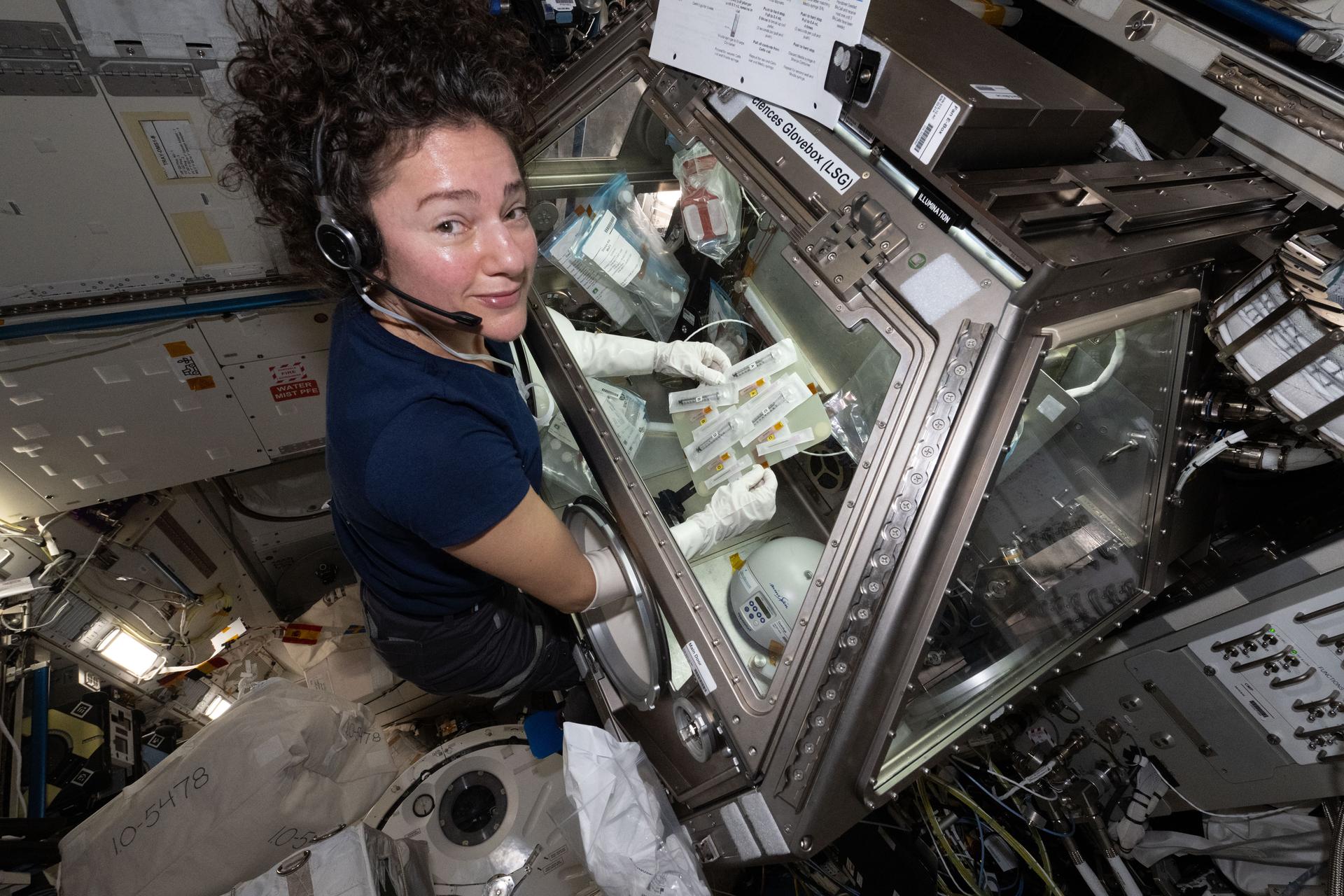
One of the headline investigations in the Dragon cargo is NASA’s Hematopoietic Stem Cell Expansion in Space: Pathfinder Investigation, also known as InSPA-StemCellEX-H2. The project is studying whether microgravity can help scale up the production of blood stem cells while preserving their ability to differentiate into multiple cell types.
That is a major challenge on Earth. Lab-produced blood stem cells can lose the flexibility needed to form critical lineages such as red and white blood cells, limiting their usefulness for treating certain blood disorders and cancers. NASA says researchers believe the space environment may help preserve that capability while also allowing larger numbers of cells to be grown. The returned samples will now be examined to determine whether space-based production produced enhanced stem cells suitable for eventual clinical use.

Using Space to Magnify Disease Mechanisms
Another experiment returning on CRS-34 focuses on Streptococcus pneumoniae infection in cardiac tissue. The investigation used stem-cell-derived heart tissues intentionally infected with a pneumonia-causing bacterium. NASA says the work aims to clarify why pneumonia increases the risk of heart disease, a relationship that is not yet fully understood.
Microgravity can make bacteria more active and more virulent, potentially amplifying effects that are difficult to detect in Earth-based experiments. If that amplification exposes cellular responses more clearly, space station research could help uncover disease pathways that remain hidden in conventional labs. That would make the ISS not just a platform for studying human adaptation to space, but also a tool for sharpening biomedical insight back on Earth.
Blood Clotting, Immunity and Mission Readiness
Dragon is also carrying home samples from NASA’s Megakaryocyte Flying-One investigation, which examines how megakaryocytes and the platelets they produce adapt to spaceflight. These cells are central to blood clotting and immune responses. NASA says the returned samples, including astronaut-derived materials, could reveal how the human immune system behaves during long-duration missions.
That has direct implications for exploration planning. If spaceflight alters clotting or immune function in ways that raise medical risk, agencies will need better countermeasures before sending crews farther from Earth for longer periods. The station’s value here is that it allows repeated, controlled observation of human biology under sustained weightlessness.

Beyond Low Earth Orbit
NASA frames the CRS-34 cargo return as part of its dual-use strategy for ISS science: produce benefits on Earth while preparing humans for missions beyond low Earth orbit. That logic runs through the mission’s biology portfolio. Improved stem-cell production could aid medicine. Better infection models could inform disease research. Blood and immune findings could shape the design of lunar and Martian missions.
The returning hardware and materials science payloads also fit that pattern, though the supplied source text emphasizes the biological side of the manifest. Together, the samples illustrate how the station has evolved from an orbital outpost into a research platform where microgravity itself becomes an experimental variable.
For the teams waiting on Earth, splashdown is not the end of the mission. It is the start of the most analytically intense stage. The question now is whether the changes induced in orbit translate into findings robust enough to influence treatment pathways, biomedical manufacturing or human spaceflight design. CRS-34 brought the material home. The harder work of proving its significance begins next.
This article is based on reporting by NASA. Read the original article.
Originally published on nasa.gov