月球门户腐蚀问题让 NASA 又多了一条搁置月球空间站的理由
NASA 暂停月球门户计划的决定如今又增加了一个新的技术难题:该站两座主要居住舱都被报告出现腐蚀。
- NASA 的月球门户计划在腐蚀披露出现之前就已经被暂停。
- Jared Isaacman 在众议院作证期间证实 HALO 和 I-HAB 都出现了腐蚀。
所有标记为「artemis」的文章

NASA 暂停月球门户计划的决定如今又增加了一个新的技术难题:该站两座主要居住舱都被报告出现腐蚀。

NASA 获得两项 Webby Awards 和五项 People’s Voice Awards,凸显播客、社交媒体和沉浸式工具已成为该机构公众传播的核心。

一份新的监督报告称,NASA 面向下一代宇航服所采用的商业式做法与这项任务的技术风险并不匹配,这可能给登月和空间站任务带来重大延误。

研究人员使用月球风化层模拟物发现,类似于月球南极区域预期存在的、较少风化且颗粒更粗的土壤,可能适合探测车通行,而不会扬起大量尘云。
SpaceNews的一篇新评论认为,阿耳忒弥斯2号的成功增强了人类探索的理由,但拟议中的预算削减正在威胁NASA维持这一事业的能力。
一篇新论文认为,基于地球的标准材料可燃性测试不足以应对月球任务,因为重力、气流和阴燃行为都可能改变火势的点燃与蔓延方式。
随着 Artemis II 返回地球,NASA 正从证明自己能够再次将宇航员送往月球轨道,转向更艰巨的任务:实现载人着陆,并建立更长期的月球存在
NASA阿尔忒弥斯2号任务组在绕月飞行10天后安全溅落,结束了一次重要试飞,并为该机构重返月球计划的下一阶段铺路。
With Orion and the rocket performing well on Artemis II, NASA’s biggest open question is whether its commercial moon landers can be simplified and accelerated without breaking the wider mission design.
NASA’s Artemis 2 launched on April 1, 2026, carrying four astronauts on a free-return mission around the moon and marking humanity’s first trip beyond Earth orbit in more than 50 years.
NASA has started the formal countdown for Artemis 2, with mission managers reporting no major issues ahead of the planned April 1 launch window.
NASA and NOAA are working to protect Artemis astronauts from dangerous solar storms, a reminder that returning humans to the Moon means operating beyond the relative shelter of Earth’s magnetosphere.
NASA 已任命10位参与科学家,协助设计并支持阿尔忒弥斯任务的月球表面科学工作,从而加强该机构将载人登月转变为持续研究计划的推进力度。
NASA已授予Intuitive Machines一份价值1.804亿美元的CLPS合同,要求其在2030年将七个科学与技术载荷运送至月球南极区域,延续该机构利用商业着陆器进行准备工作的推进,
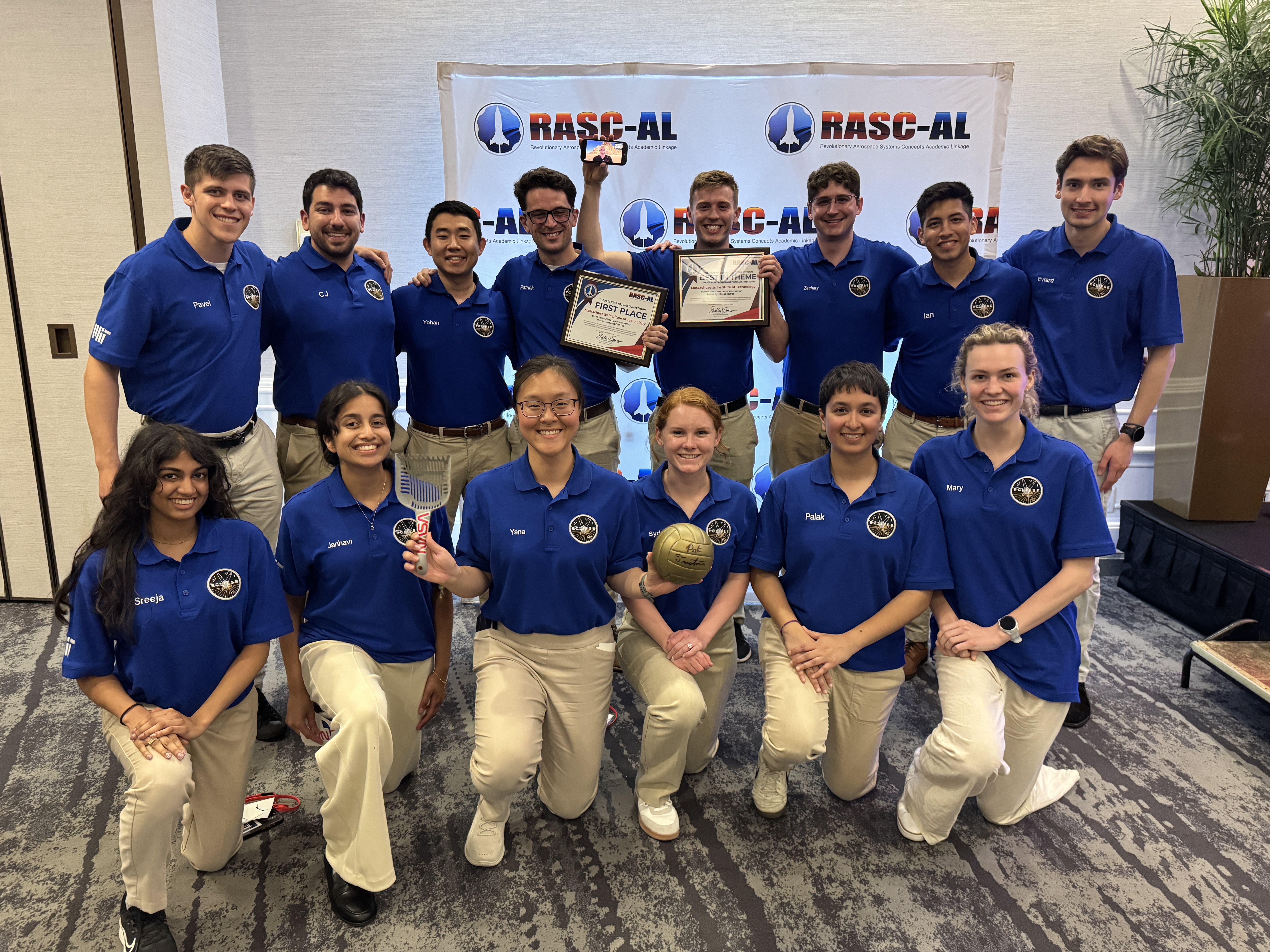
NASA已选出14支大学团队作为2026年RASC-AL竞赛的最终入选者,来自MIT、德州农工大学、达特茅斯和其他机构的学生被任命为设计通信、电力和样本返回系统,以支持人类在月球和火星上的生存。
NASA监察长办公室发现该机构的阿尔忒弥斯载人着陆系统风险追踪不完整,进度假设过于乐观,建议加强对SpaceX的安全监督。
在解决SLS和Orion硬件问题后,NASA已宣布Artemis 2准备好进行另一次发射尝试,为自Apollo 17以来首次载人环月飞行做准备。
A NASA inspector general report reveals a worsening disagreement between NASA and SpaceX over whether astronauts need manual controls on the lunar lander.
NASA's Carbothermal Reduction Demonstration project has successfully completed a major test of technology designed to extract oxygen from lunar soil. The breakthrough brings the space agency closer to producing breathable air and rocket fuel from resources found on the Moon's surface.