NASA sets up an orbital rehearsal for its next phase of Moon landings
NASA is preparing a full dress rehearsal for one of the most delicate parts of its Artemis lunar campaign: getting astronauts from Orion into a commercial moon lander and back again before attempting a real landing near the Moon. According to the agency’s current plan, that rehearsal will happen in Earth orbit ahead of the crewed lunar surface return now targeted for 2028.
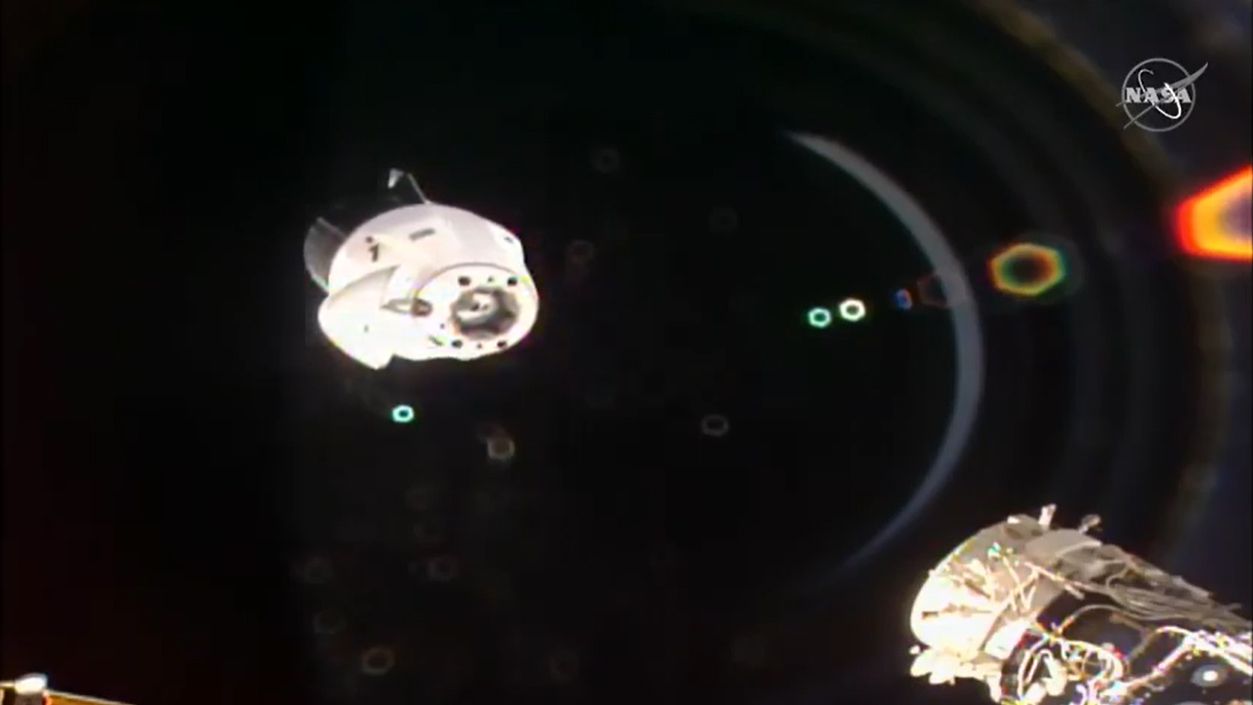
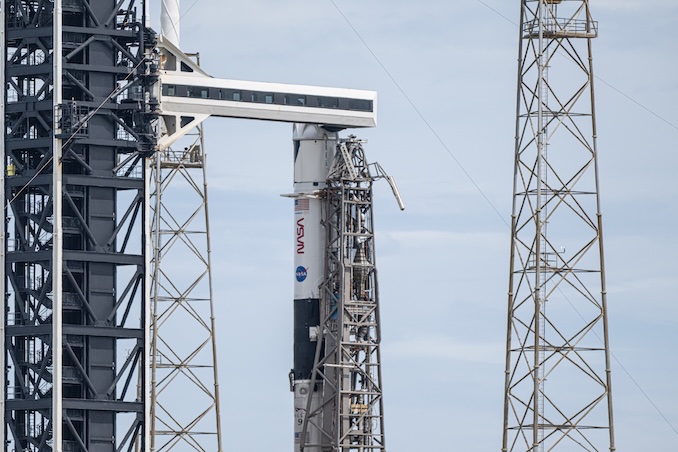
The test described in the source report is designed to simulate the operational sequence astronauts and flight controllers will eventually have to execute during a lunar mission. A crew launched in Orion aboard the Space Launch System would meet a separately launched Human Landing System in low Earth orbit, then carry out rendezvous and docking operations, crew transfer procedures, and related checks with support from teams on the ground.
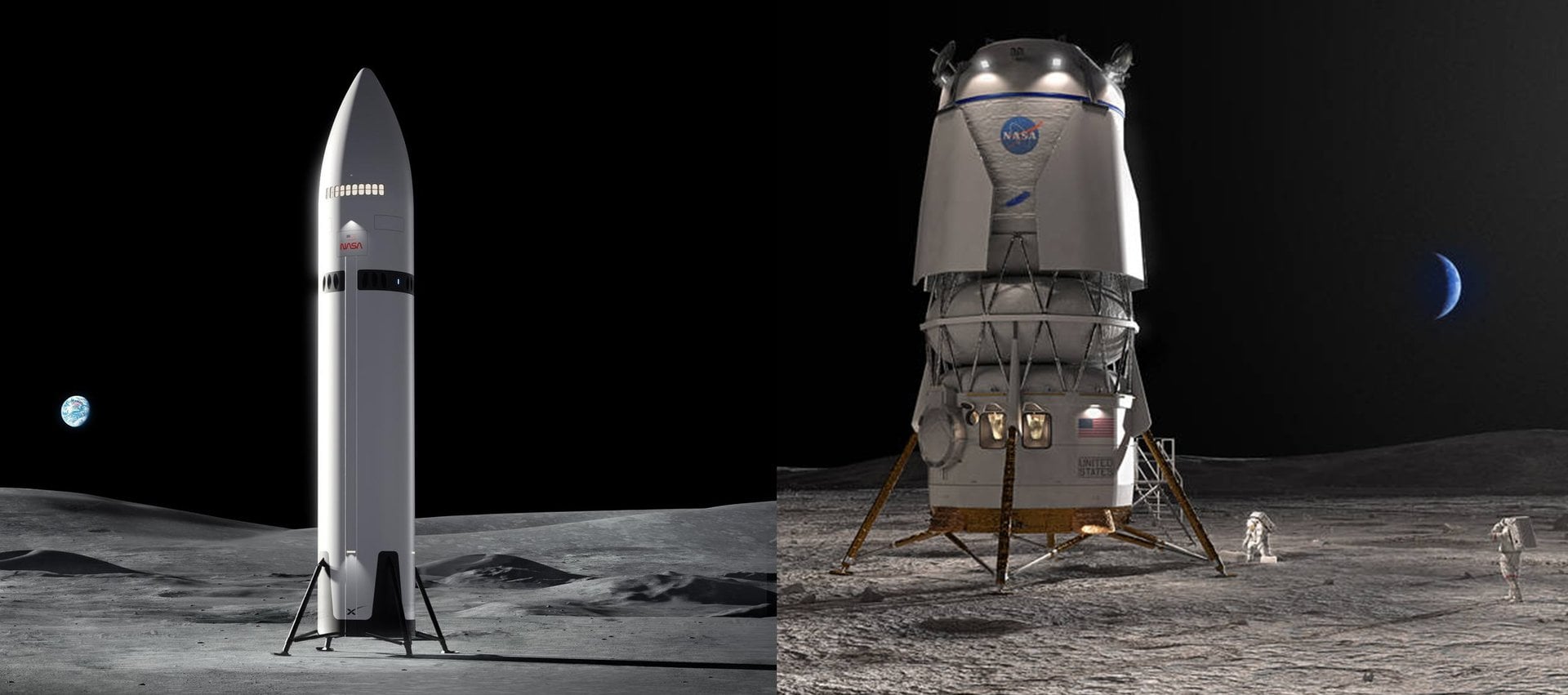
That may sound procedural, but it addresses one of the central realities of Artemis: NASA is no longer building every critical piece of the mission stack itself. Instead, it is relying on commercial landing systems from SpaceX and Blue Origin, making the success of interface testing, operational discipline, and systems integration just as important as raw launch capability.
Why the rehearsal matters
The source text frames the demonstration as a way to reduce risk before astronauts attempt a true lunar descent. That goal is straightforward. A lunar mission built around separately launched vehicles depends on precise timing, reliable docking hardware, compatible software, stable life-support conditions, and clear crew procedures. Any weakness in those handoffs becomes more serious when the operation is happening far from Earth and on a tight mission timeline.
By staging the sequence in Earth orbit first, NASA can evaluate how the vehicles and crews perform in a more accessible environment. Data from the rehearsal, along with an uncrewed demonstration mission at the Moon, is intended to help validate the systems before they are used in a crewed landing architecture.
That emphasis reflects a broader lesson from modern human spaceflight: complex exploration programs are often constrained less by any single dramatic milestone than by the quality of the intermediate steps. Docking, crew ingress and egress, suit operations, avionics coordination, and environmental controls are all the kinds of subsystems that must work together without ambiguity.

How Artemis is being structured
The report says NASA expects Artemis IV in 2028 to send four astronauts to lunar orbit aboard SLS and Orion. Two of those crew members would then transfer to a Human Landing System for the trip to and from the lunar surface. Before that mission profile is used for a landing, the agency wants Artemis III to function as a proving ground for the transfer and docking sequence.
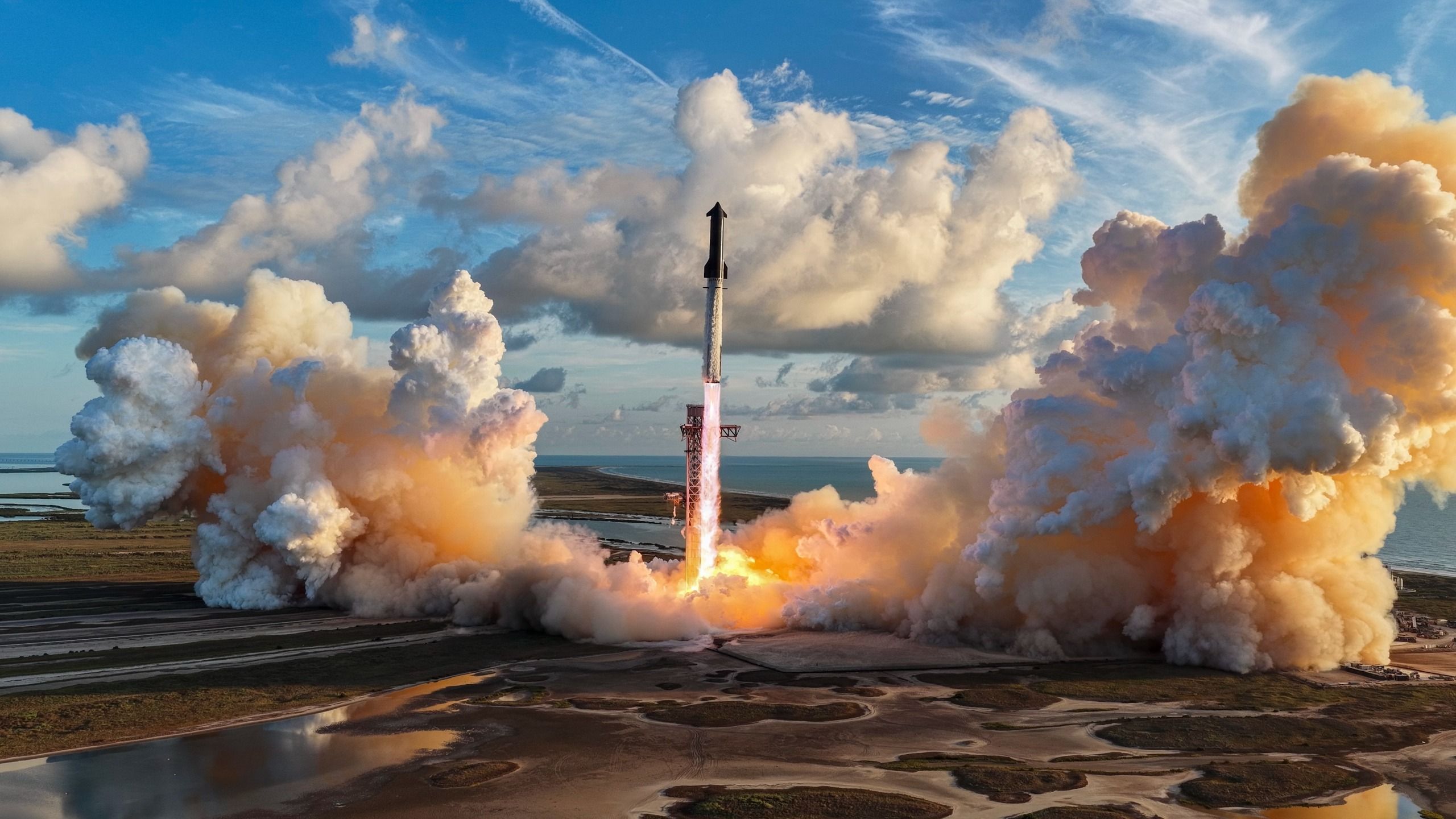
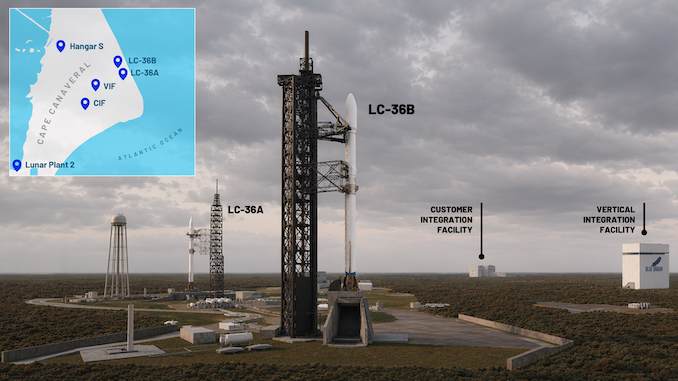
Under the arrangement described, both SpaceX and Blue Origin are developing the landers tied to upcoming Artemis missions. For the Artemis III demonstration, each company is expected to fly a test version of its crewed vehicle, launched separately on its own rocket. SpaceX would use a newer Starship configuration, while Blue Origin would test its Mark 2 Blue Moon lander.
That makes the demonstration more than a generic practice run. It is also a test of how NASA’s exploration program will operate with multiple commercial providers contributing mission-critical hardware. The landers are not secondary cargo elements; they are the vehicles that would carry astronauts to and from the lunar surface. Their design maturity, software behavior, and operational compatibility therefore sit at the center of mission assurance.
What NASA wants to test in orbit
The source report points to several specific capabilities that have to be present in the demonstration hardware. The test vehicles are expected to include flight software and control systems representative enough that mission operations can translate directly to future crewed lunar flights. The production hardware also needs to incorporate essential human-spaceflight systems, including avionics, a crew cabin, and environmental control and life support capabilities.
Once docked, two Artemis crew members would put on Orion Crew Survival System suits, open the hatch, and move into the landing craft. That step is easy to summarize and hard to execute well. Crew transfer in space requires confident procedures, ergonomic interior design, pressure integrity, and tightly coordinated timelines. Practicing those actions before a lunar attempt gives NASA and its partners a chance to refine both hardware and choreography.
The report adds that Blue Origin’s lander will carry a lunar surface spacesuit mass simulator, echoing the instrumented “Moonikin” used on Artemis I. The simulator’s sensors would provide feedback on the cabin environment in real time. In other words, NASA is not only interested in whether the docking event works mechanically, but also whether the interior conditions and support systems behave as expected during the human portion of the operation.
A commercial test with strategic implications
The Artemis architecture increasingly depends on commercial systems not just to expand capability, but to make the campaign executable at all. That introduces a different kind of strategic challenge for NASA. The agency must coordinate mission assurance across organizations with different engineering cultures, development tempos, and hardware lineages, while still meeting the reliability standard expected of a crewed exploration program.
An Earth-orbit rehearsal is therefore valuable beyond its immediate technical checklist. It helps establish whether NASA can operationalize a mixed architecture in which government-owned transportation, contractor-built landing systems, and mission control workflows form one coherent human-rated system.
It also creates an opportunity to learn under less punishing conditions. Problems found in Earth orbit are still serious, but they are easier to diagnose and correct than failures discovered for the first time during a lunar campaign. That is precisely why rehearsal missions matter: they convert assumptions into observed performance.
What to watch next
If the plan holds, the next major indicators will be whether the demonstration hardware flies on schedule, how closely the test systems match the eventual operational versions, and what NASA says publicly about lessons learned from the orbital exercise and the uncrewed lunar demonstration. Those details will determine whether Artemis can move from architecture on paper to repeatable mission execution.
For now, the significance of the rehearsal is clear. NASA’s return to the lunar surface will not hinge on symbolism alone. It will depend on whether astronauts can safely meet, dock, transfer, and operate inside a new generation of commercial lunar landers before committing to the real descent. This Earth-orbit mission is where that confidence is supposed to be earned.
This article is based on reporting by Universe Today. Read the original article.
Originally published on universetoday.com