A launch stopped at ignition
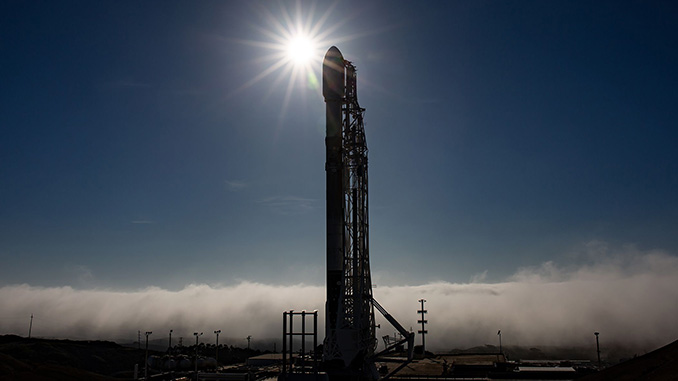
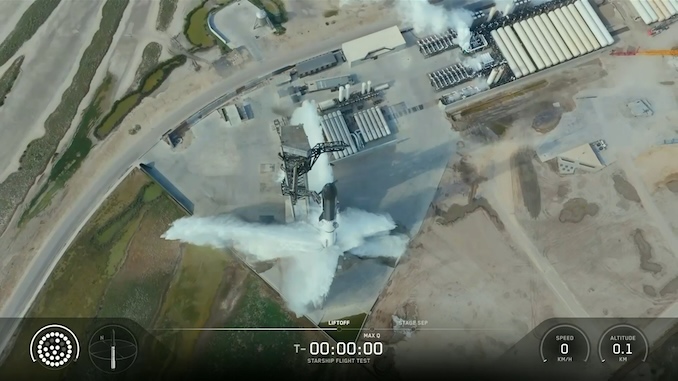
SpaceX’s Starship Flight 13 ended in an abort on July 16 after a post-ignition anomaly prevented liftoff from Starbase, Texas. According to Spaceflight Now, on-screen telemetry showed four engines on the Super Heavy booster did not ignite as planned, prompting the automatic abort. Elon Musk later wrote that some of the engines failed to start and said another launch attempt could come in a few days.
The timing matters because this was not a scrub caused by weather or an issue caught well before the final sequence. The mission reached booster ignition at Pad 2 before the problem stopped the vehicle. In launch operations, that kind of last-second abort is both reassuring and disruptive: reassuring because the system detected a failure condition and halted the attempt, disruptive because it interrupts a mission deep into a critical and tightly choreographed phase.
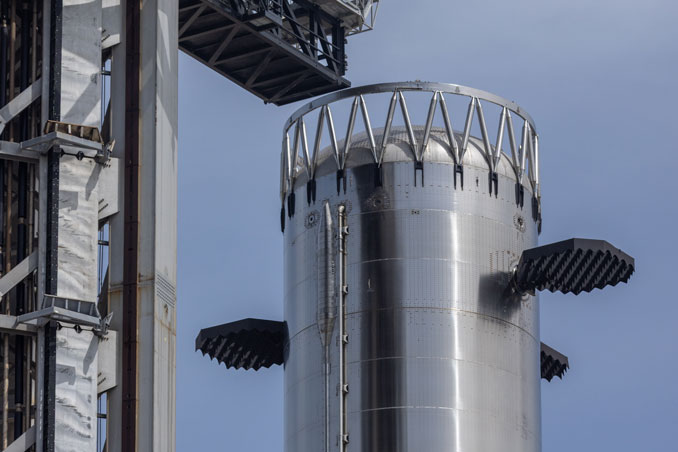
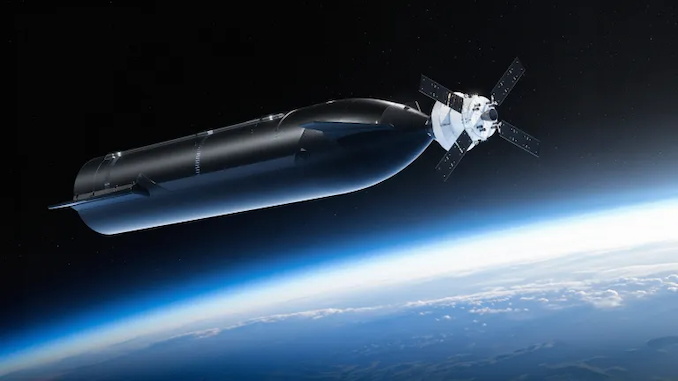
Flight 13 was also a closely watched test for reasons beyond another Starship outing. It was set to be the second launch this year and the second mission for a third-generation Starship-Super Heavy vehicle. More notably, it was supposed to carry the first production Starlink Version 3 satellites ever deployed from Starship, even though the satellites were not intended to reach orbit.
Why this test mattered
SpaceX had planned to release 20 Starlink V3 satellites on the same suborbital trajectory as Starship. The company said the spacecraft would extend solar arrays and antennas and attempt to connect with the wider Starlink constellation using high-capacity lasers before reentering and being destroyed around 20 minutes after deployment. That made Flight 13 more than a flight-test milestone for the rocket. It was also a systems test for the future marriage between Starship and Starlink.
The mission profile reflected SpaceX’s iterative style. The satellites were not bound for operational orbit, but they were intended to exercise key functions under realistic conditions. If successful, the test would have provided an early demonstration of deployment behavior and network interaction for the V3 generation. The abort now delays that data.
Flight 13 also carried propulsion and reentry objectives similar to those from Flight 12 in May. SpaceX had aimed to relight a Raptor engine on the upper stage during coast and perform a controlled booster landing in the Gulf of Mexico. Spaceflight Now noted that neither of those goals was accomplished on the previous flight, where startup-sequence issues and trouble with five of 33 sea-level booster engines contributed to the loss of Booster 19 before a nominal boostback burn could be completed.
An engine-rich architecture and its risks
The immediate cause of the Flight 13 abort underscores a known challenge in very large launch systems: engine count. Super Heavy relies on a dense cluster of engines, and the telemetry cited in the report showed four that apparently failed to ignite as anticipated. Engine-rich architectures can offer performance and some operational flexibility, but they also create a demanding ignition environment in which sequencing, timing, and health monitoring are all critical.
That does not make Flight 13 an outlier in the broader Starship development approach. The program has repeatedly paired ambitious objectives with a willingness to gather data through failure, partial success, and rapid reflights. In that sense, the significance of this event will depend less on the abort itself than on what engineers identify in the ignition chain and how quickly the issue can be resolved.
Still, the mission delay is consequential because Starship is increasingly expected to advance several priorities at once: vehicle maturity, stage-control improvements, and Starlink deployment capability. When a launch attempt fails at the pad, progress in all of those areas pauses simultaneously.
What comes next
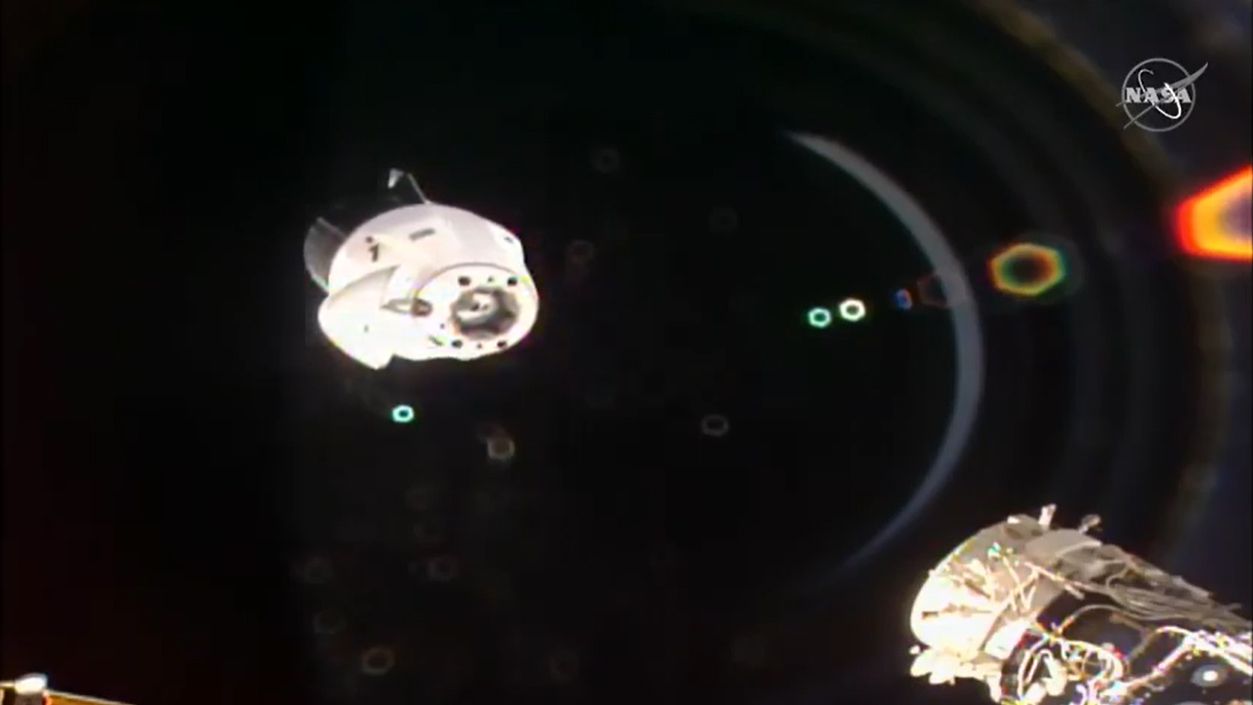
Spaceflight Now reported that Booster 20 and Ship 40 were both flying for the first time and that SpaceX was not planning to recover either stage for reuse. That means the mission’s value was concentrated in test outcomes rather than refurbishment or repeat flights of the same hardware. A prompt reattempt could preserve much of the mission’s near-term usefulness, especially if the root cause is narrow and well understood.
The broader takeaway is that Starship remains in a stage where high-visibility demonstrations and foundational engineering are still tightly coupled. The same mission that promised the first suborbital deployment of production Starlink V3 satellites also depended on a clean booster ignition sequence. It did not get one.
For now, the result is a delay rather than a flight loss, and that distinction matters. The automatic abort prevented a flawed launch from progressing. But it also highlighted how much of Starship’s roadmap still turns on mastering the basics under increasingly ambitious mission conditions.
- Starship Flight 13 aborted at ignition after four Super Heavy engines apparently failed to start as planned.
- The mission was set to deploy 20 production Starlink V3 satellites on a suborbital test trajectory.
- The delay pushes back both vehicle-test objectives and an important Starlink systems demonstration.
This article is based on reporting by Spaceflight Now. Read the original article.
Originally published on spaceflightnow.com