Introduction: A Promising World in Our Cosmic Backyard
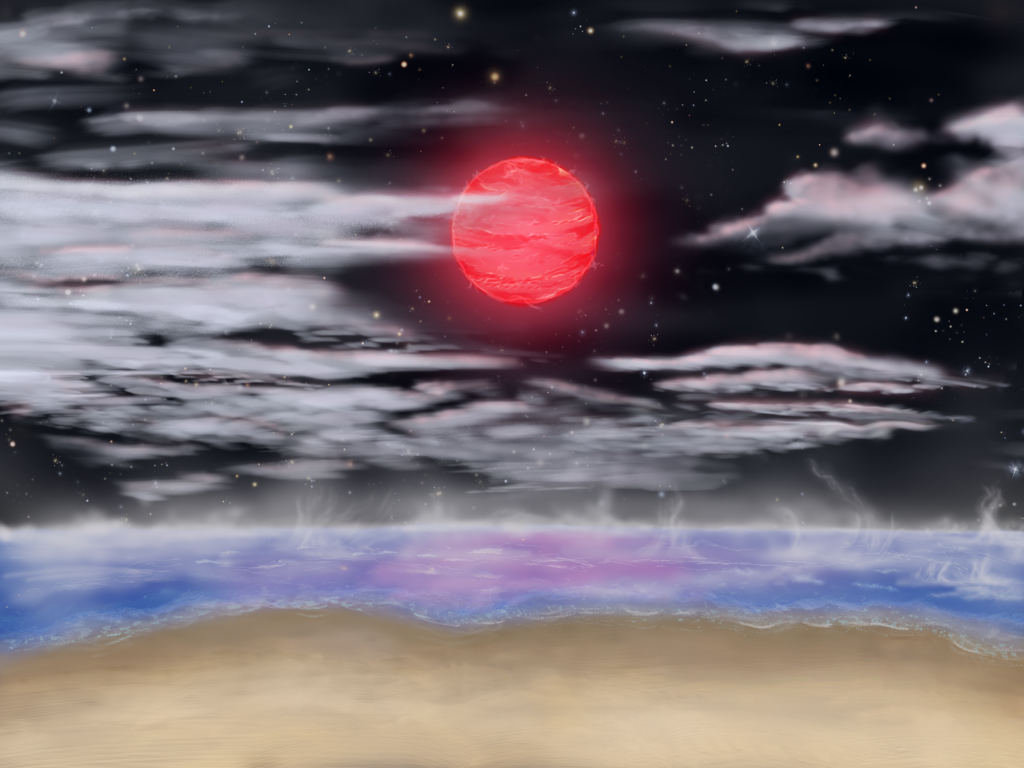
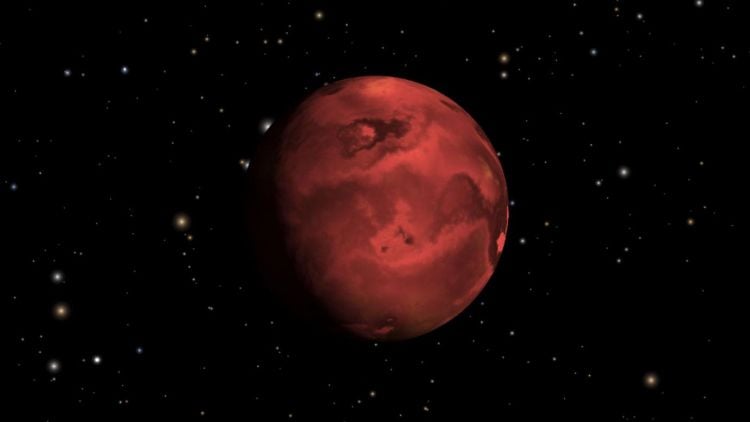
In the ongoing quest to find life beyond Earth, few discoveries have sparked as much excitement as the detection of GJ 3378b. First identified in 2024, this rocky exoplanet orbits a red dwarf star located just 25 light-years from Earth in the northern constellation Camelopardalis. Initially classified as a 'Super-Earth' with a mass 2.3 times that of our planet, GJ 3378b has now been re-examined by a team led by researchers from the University of California, Irvine (UC Irvine). Their revised analysis indicates that this world may reside within its star's habitable zone (HZ)—the region where conditions could allow liquid water to exist on the surface. This finding significantly boosts the planet's potential to host life.
The Host Star: A Red Dwarf's Challenges and Opportunities
Red dwarf stars, also known as M-dwarfs, are the most common type of star in the Milky Way, accounting for 70% to 75% of all stars. They are known for their longevity and abundance, making them prime targets in the search for exoplanets. However, red dwarfs are also notorious for their variability and frequent flare activity. These stellar flares can release intense radiation that might strip away a planet's atmosphere or sterilize its surface, posing a major challenge to habitability. Despite these risks, the study of nearby red dwarfs has shown that they are remarkably efficient at forming rocky planets within their habitable zones. GJ 3378b's host star, GJ 3378, is no exception. The planet's orbit places it squarely in the region where temperatures could support liquid water—a key ingredient for life as we know it.

Revised Analysis: A More Earth-Like Picture
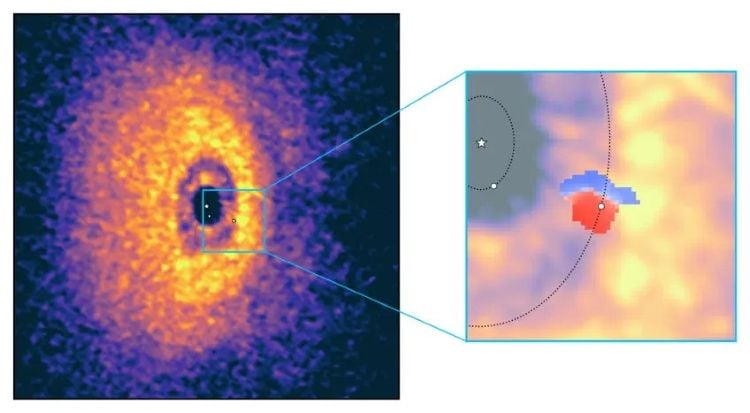
The new research, led by Paul Robertson, an Associate Professor of Physics and Astronomy at UC Irvine, utilized data from the Habitable-zone Planet Finder (HPF) instrument mounted on the Hobby-Eberly Telescope at McDonald Observatory. The HPF is specifically designed to detect the subtle radial velocity wobbles in a star's motion caused by orbiting planets. By refining the measurements of GJ 3378b's orbit and the star's properties, the team was able to more accurately determine the planet's position within the habitable zone. Their findings suggest that GJ 3378b is not only within the HZ but also likely has a stable climate conducive to liquid water. This is a significant step forward from the initial discovery, which left the planet's habitability uncertain due to the star's activity.
Implications for Habitability and the Search for Life
The potential habitability of GJ 3378b has profound implications for astrobiology. As Paul Robertson stated, 'Our mantra is follow the water. It's the one thing every known living thing on Earth needs, so that's the first thing we look for when trying to find environments that could sustain life.' The presence of liquid water, combined with a rocky composition and a location in the habitable zone, makes GJ 3378b a high-priority target for future observations. Upcoming telescopes, such as the James Webb Space Telescope (JWST) and the Extremely Large Telescope (ELT), may be able to characterize its atmosphere and search for biosignatures—gases like oxygen, methane, or water vapor that could indicate biological activity.
Collaborative Effort and Advanced Instrumentation
The research team behind this revised analysis includes scientists from multiple institutions, including the Center for Planetary Systems Habitability at the University of Texas, the Astrophysics & Space Institute, the Anton Pannekoek Institute for Astronomy, the Center for Exoplanets and Habitable Worlds, the Astrobiology Research Center, the NSF National Optical-Infrared Astronomy Research Laboratory, NASA's Jet Propulsion Laboratory and Goddard Space Flight Center, and several universities. This collaboration highlights the importance of combining expertise and advanced instrumentation to unravel the mysteries of exoplanets. The HPF instrument, in particular, has proven invaluable for studying red dwarf systems, as it is optimized for the near-infrared wavelengths where these stars emit most of their light.
Challenges and Future Directions
Despite the encouraging results, many questions remain. The exact composition of GJ 3378b's atmosphere is unknown, and its surface conditions could be vastly different from Earth's. The planet's higher mass suggests a stronger gravitational pull, which could affect atmospheric retention and geological activity. Additionally, the star's flare activity could still pose a threat, especially if the planet lacks a protective magnetic field. Future studies will need to monitor the star's behavior and model the planet's climate in more detail. Observations with JWST could detect atmospheric molecules, while ground-based telescopes like the Hobby-Eberly Telescope will continue to refine the planet's orbital parameters. The discovery of GJ 3378b's potential habitability also underscores the need for a dedicated exoplanet characterization mission, such as the proposed Habitable Worlds Observatory.
Conclusion: A New Chapter in Exoplanet Exploration
The revised analysis of GJ 3378b marks a significant milestone in the search for habitable worlds. Just 25 light-years away, this Super-Earth offers a tantalizing glimpse of what might be a common type of planet in the galaxy—a rocky world orbiting a red dwarf star within the habitable zone. While challenges remain, the combination of advanced instrumentation and collaborative science is bringing us closer than ever to answering the age-old question: Are we alone? As we continue to follow the water, GJ 3378b stands out as a prime candidate for further study, and its discovery reignites hope that life may indeed exist beyond our solar system.
This article is based on reporting by Universe Today. Read the original article.
Originally published on universetoday.com