Study Reveals Spaceflight's Hidden Toll on the Liver
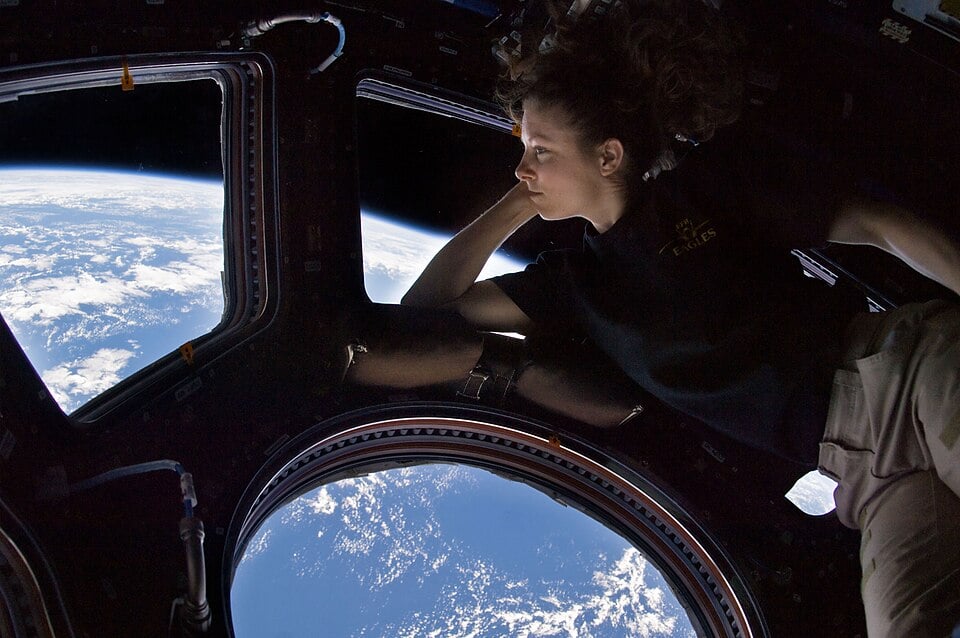
A new study from the University of Central Florida (UCF) suggests that the harsh conditions of spaceflight—microgravity and cosmic radiation—can accelerate aging at the molecular level, particularly in the liver. Led by Professor Michal Masternak, the research team simulated a deep space environment to understand how prolonged exposure to these stressors affects the body, with findings that could reshape astronaut health protocols for future Mars missions.
Simulated Space Environment Mimics Mars Journey
The team exposed animal models to 14 days of simulated microgravity combined with doses of galactic cosmic radiation and solar particle events, designed to mirror what astronauts would encounter on a journey to Mars. Within just 24 hours of radiation exposure, the liver showed a wave of genetic changes strikingly similar to those seen during natural aging. These included increased cellular senescence—a state where cells lose normal function—alongside rising inflammation and fibrosis, changes that, left unchecked, can lead to organ failure.
Liver as a Key Indicator of Physiological Stress
Masternak's team focused on the liver because of its central role as a metabolic organ, making it particularly sensitive to physiological stress. The organ's response to space conditions provides an early warning system for broader health impacts. The findings highlight that the combination of microgravity and radiation triggers accelerated aging pathways, not just isolated damage.
Human Data Confirms Findings
The researchers validated their results against real human data from NASA's Twins Study and the civilian Inspiration4 mission. Blood samples from astronauts showed genetic signatures that aligned with the simulated exposure, confirming that the observed effects are not merely a laboratory artifact but reflect genuine biological changes occurring in space.
Potential Countermeasures: Antagomirs
The team identified a class of molecules called antagomirs, which can interact with the body's microRNA to influence genetic pathways involved in aging and inflammation. While still in early stages, this research points toward possible future treatments to mitigate the accelerated aging effects of space travel, protecting astronauts on long-duration missions.
Implications for Mars Missions and Beyond
As space agencies plan crewed missions to Mars, understanding and counteracting these aging effects becomes critical. The study underscores the need for advanced shielding, pharmaceutical interventions, and monitoring protocols to safeguard astronaut health. The findings also have implications for aging research on Earth, as the mechanisms triggered by spaceflight mirror natural aging processes.
This article is based on reporting by Universe Today. Read the original article.

Originally published on universetoday.com