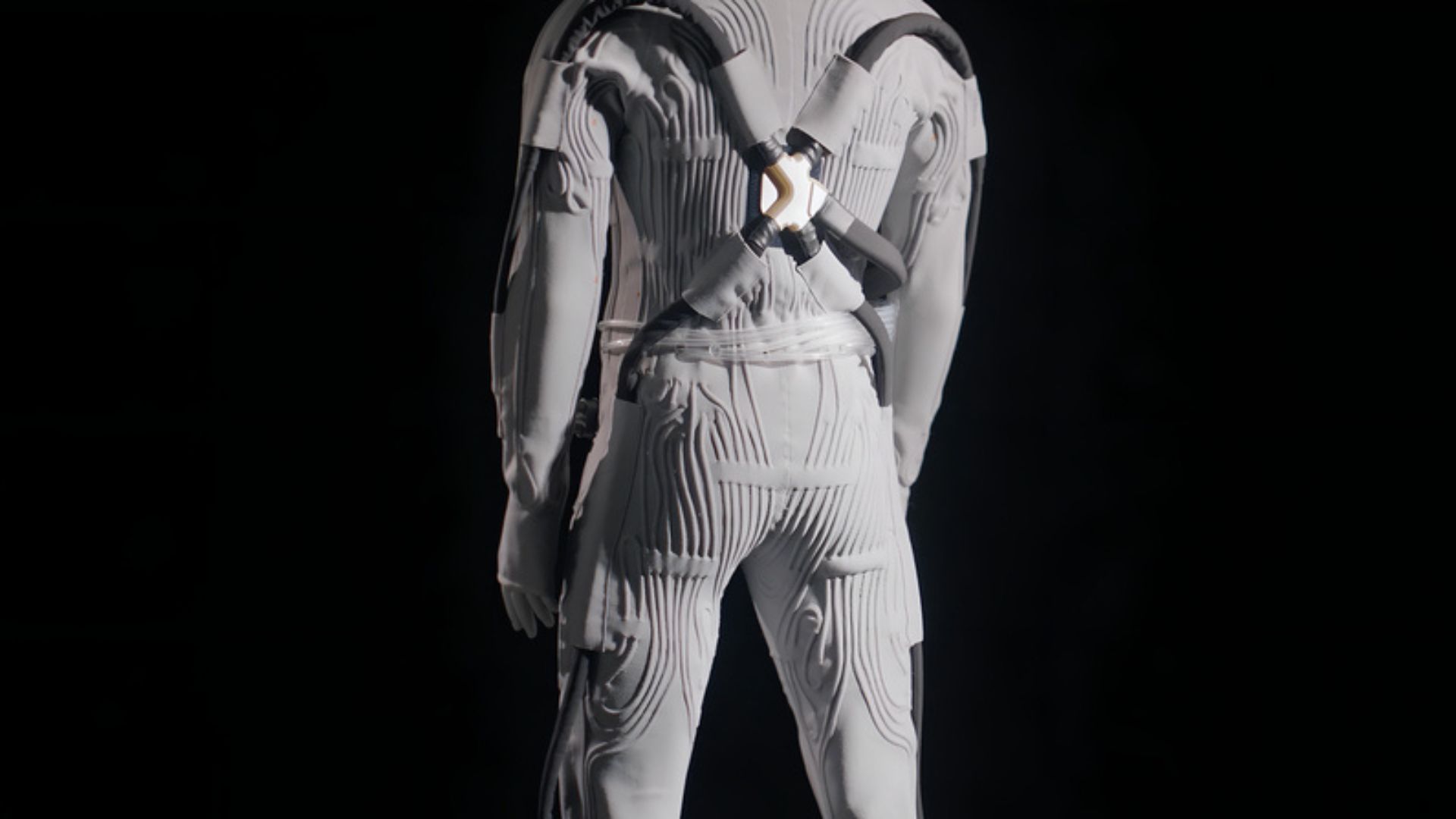
Next-Generation Lunar Cooling
Axiom Space, in collaboration with luxury fashion house Prada, has unveiled an advanced liquid cooling garment (LCG) designed for NASA's Artemis program. This cutting-edge suit aims to protect astronauts from extreme temperature fluctuations on the lunar surface, where temperatures can swing between -250°F and 250°F. The LCG is a critical component of the Axiom Extravehicular Mobility Unit (AxEMU), the spacesuit system that Artemis astronauts will wear during moonwalks.
How the Liquid Cooling Garment Works
The LCG uses a network of flexible tubes woven into a form-fitting undergarment. Cool water circulates through these tubes, absorbing excess body heat generated during strenuous activities like collecting samples or deploying equipment. The warmed water then passes through a sublimator or heat exchanger in the backpack, where it is cooled again before recirculating. This closed-loop system maintains a comfortable core temperature for astronauts, preventing overheating or hypothermia.
Prada's expertise in high-performance textiles and ergonomic design contributed to the garment's fit and comfort. The LCG is made from lightweight, breathable materials that wick moisture and allow freedom of movement. The fashion house also helped optimize the suit's aesthetics, ensuring it is both functional and visually appealing.

Partnership with Prada
The collaboration between Axiom Space and Prada was announced in 2023, leveraging Prada's experience in advanced materials and design. Prada engineers worked closely with Axiom to develop the LCG's thermal regulation system, drawing on decades of expertise in creating high-performance apparel for extreme environments. The partnership highlights the growing role of commercial and luxury brands in space exploration.
Prada's involvement goes beyond branding; the company contributed to the suit's overall design, including the outer layer's durability and flexibility. The LCG is part of a larger AxEMU system that includes a helmet, gloves, boots, and a portable life support system. The entire suit is designed to be modular, allowing for upgrades as technology evolves.
Importance for Artemis Missions
NASA's Artemis program aims to return humans to the Moon, including the first woman and the next man, by 2025. The lunar south pole, where Artemis will land, presents unique thermal challenges. Unlike the Apollo missions, which stayed near the equator, the south pole has permanently shadowed craters that can be as cold as -400°F, while sunlit peaks can reach 130°F. The LCG must handle these extremes while allowing astronauts to work for up to eight hours at a time.
The LCG also supports the suit's other systems, such as the oxygen supply and communication equipment. By keeping astronauts cool, the garment helps prevent cognitive decline and physical fatigue, which are critical for mission success. Axiom Space has tested the LCG in vacuum chambers and simulated lunar environments, demonstrating its reliability.

Future Applications
The technology behind the LCG could have applications beyond space exploration. Similar liquid cooling systems are being developed for use in extreme environments on Earth, such as firefighting, deep-sea diving, and industrial work. Prada's design innovations may also influence consumer apparel, particularly for athletes or workers in hot climates.
Axiom Space plans to deliver the final AxEMU suits to NASA by 2025, with the first moonwalks expected during the Artemis III mission. The LCG represents a significant step forward in spacesuit technology, combining high fashion with high function to keep astronauts safe on the lunar surface.
This article is based on reporting by Interesting Engineering. Read the original article.
Originally published on interestingengineering.com