NASA moves a small but strategic navigation system closer to the Moon
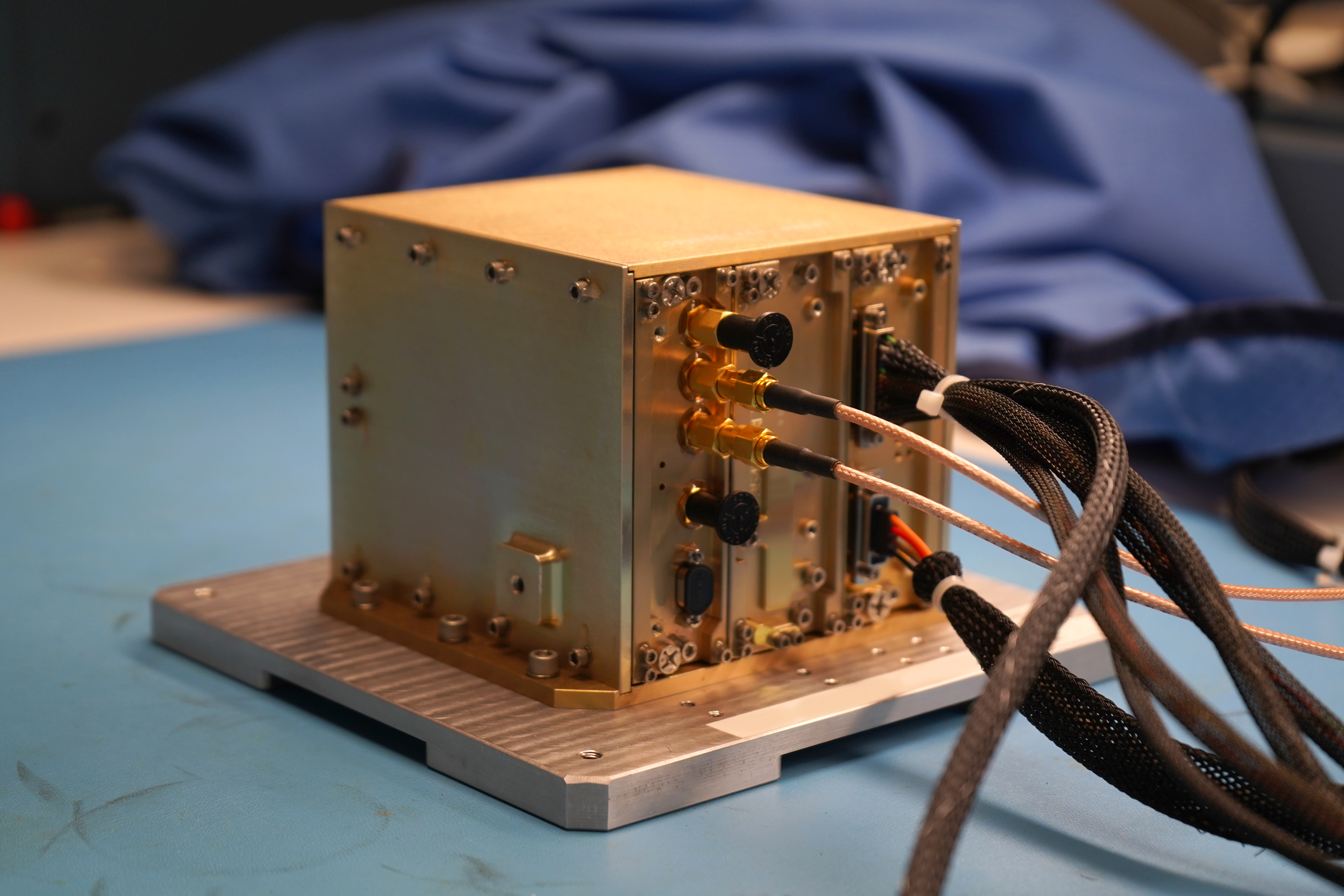
NASA said it delivered the NavCube3-mini payload to Intuitive Machines on July 13 for integration into Altus-1, the company’s first lunar relay satellite. The handoff is more than a shipment milestone. It marks a concrete step in NASA’s effort to build the communications and navigation infrastructure that future lunar missions will need if operations around the Moon are to become routine rather than exceptional.
The payload is designed to help spacecraft determine their position at lunar distances using signals from Earth-based global navigation systems. In practical terms, that means extending a navigation approach familiar on and around Earth much farther into space, where geometry, signal strength, and mission constraints are far less forgiving. NASA described NavCube3-mini as a compact receiver capable of using GPS and Galileo Global Navigation Satellite System signals far beyond Earth orbit.
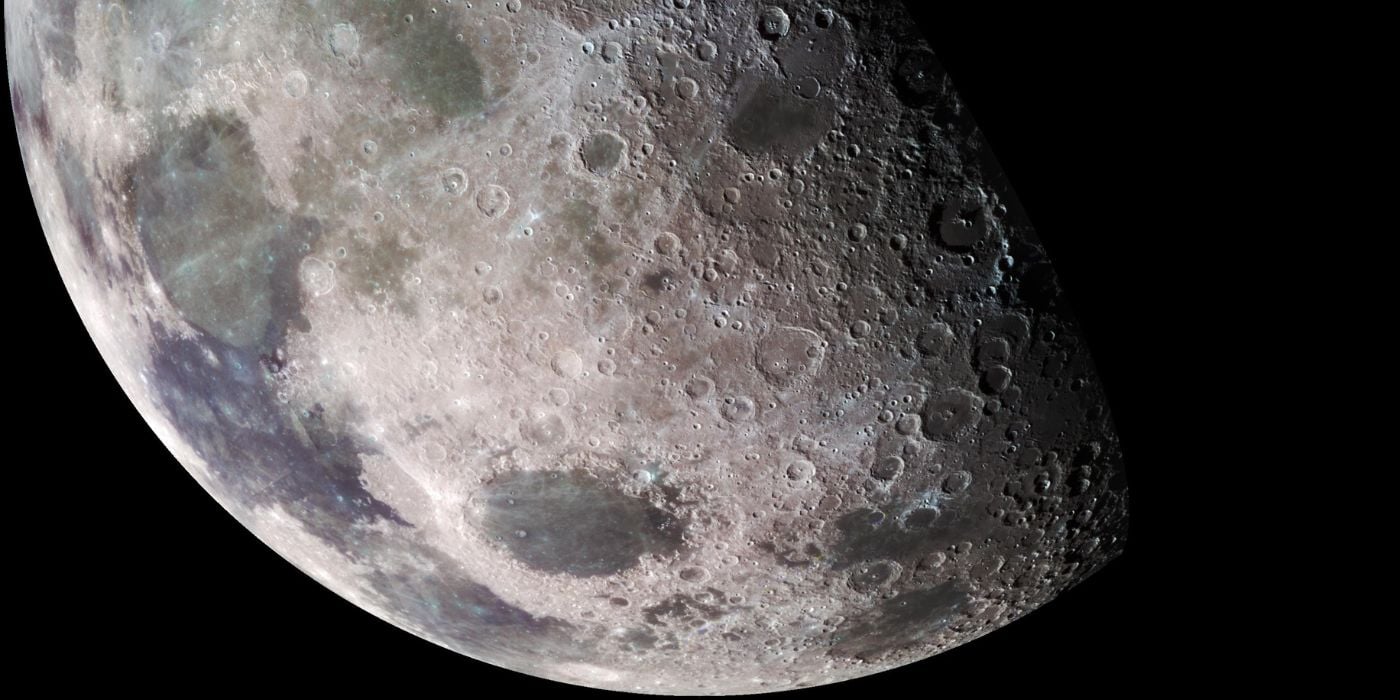
That capability matters because NASA is not treating lunar exploration as a sequence of isolated visits. The agency is building toward sustained operations, including astronaut missions, robotic activity, and support systems that can function in difficult regions such as the lunar South Pole. In that setting, communications links and reliable navigation are not secondary conveniences. They are enabling infrastructure.
Why a relay network matters
Altus-1 is the first of a planned network of lunar relay satellites being developed by Intuitive Machines under a NASA Near Space Network Services contract. According to NASA, those relays are intended to provide communications and navigation support for missions operating at the Moon, including astronauts and rovers working in places where direct communication with Earth can be difficult.
The South Pole is central to that vision. NASA said Artemis astronauts are expected to land there in 2028, and the terrain and viewing geometry can complicate direct links back to Earth. A relay layer in lunar orbit offers a way to bridge those gaps. Rather than depending on continuous direct line-of-sight communication, future missions could route data and positioning support through dedicated infrastructure designed for the lunar environment.
This is the larger significance of NavCube3-mini. It is not just another technology demonstration riding along on a spacecraft. It sits inside a broader architecture that NASA is trying to establish before the pace of lunar activity increases. If the Moon is to support regular crewed and robotic operations, agencies and commercial providers will need systems that resemble the service layers that terrestrial users often take for granted: connectivity, location awareness, and predictable network support.
A shoebox-scale payload with deep-space ambitions
NASA described the unit as about half the size of a shoebox and weighing 3.5 pounds. It operates on less than 20 watts of power, roughly comparable to a laptop computer. Those details matter because mass, power draw, and integration complexity are persistent constraints in spacecraft design. A navigation receiver that stays small and efficient is easier to fit into relay missions where every watt and every pound compete with other hardware.
At the same time, the payload is meant to do something technically demanding. GPS and Galileo were built for users near Earth, not for spacecraft operating around the Moon. Recovering and interpreting those signals at much greater distances requires careful receiver design and a well-tested understanding of what usable signal conditions look like that far from the constellations’ primary service regions.
NASA said NavCube3-mini builds on a series of navigation technology advances developed at the agency’s Goddard Space Flight Center in Maryland, each extending GPS navigation to new record-breaking distances from Earth. In that sense, the payload is part of a progression rather than a standalone leap. NASA has been pushing the boundary outward in stages, and this delivery puts that work into a mission context tied directly to future lunar operations.
Testing for the transition from lab to flight
Before shipment, NavCube3-mini completed what NASA described as an extensive environmental and performance test campaign at Goddard. The environmental work included vibration testing to simulate launch conditions, thermal vacuum testing to expose the system to the temperatures and vacuum of space, and electromagnetic compatibility testing to verify it can operate alongside other spacecraft systems without causing or suffering interference.
Those checks are standard in spaceflight hardware, but they are also where promising concepts prove whether they can survive the move from engineering prototype to mission-ready component. A navigation payload intended to support future lunar services has little room for ambiguity: it must function reliably after launch stress, in hostile thermal conditions, and in a spacecraft environment crowded with other electronics.
NASA also said performance testing was conducted before and after each environmental test using high-fidelity simulations of the GPS and Galileo signals the payload is expected to process. That detail suggests the agency was not only confirming basic survivability, but also measuring whether the receiver retained its navigation capability as it went through flight-like stresses.
What this means for the next phase of lunar operations
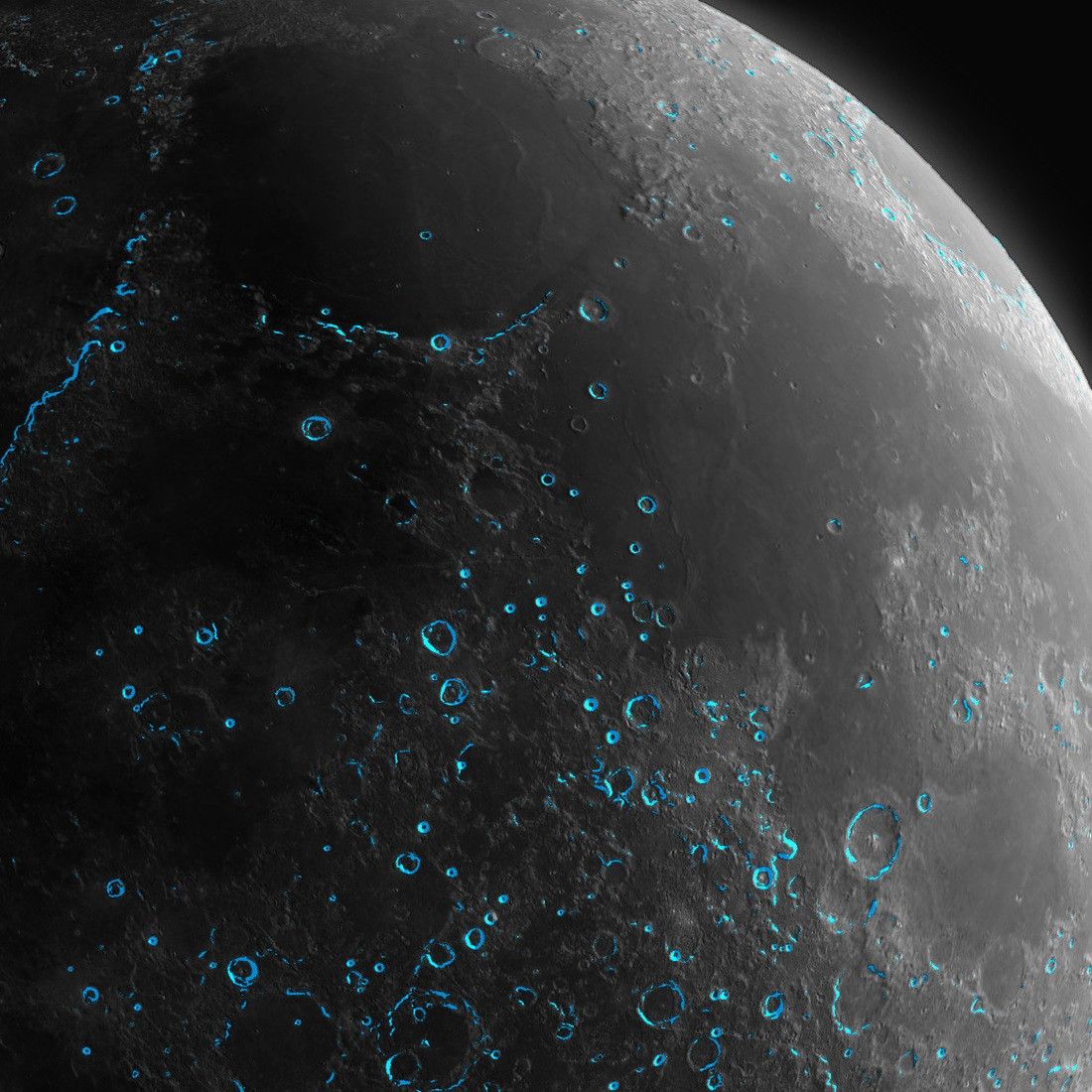
The delivery does not by itself create a lunar navigation network. But it does represent a visible step from concept development toward operational infrastructure. NASA’s statement links the relay effort directly to future Moon Base operations, and that framing is important. It shows the agency is planning around the assumption that activity on and around the Moon will require persistent services, not just mission-specific workarounds.
There is also a broader industry signal here. Intuitive Machines is developing the relay satellites under contract, while NASA is supplying specialized payload capability. That division of roles reflects the model now shaping many space programs: agencies define mission needs and contribute key technologies, while commercial partners build and operate parts of the architecture.
If that model holds, the Moon’s next development phase may depend as much on support systems as on landers or launch vehicles. Communications coverage, navigation reliability, and the ability to operate in difficult regions will determine how much science, transport, and surface activity can actually be sustained. NavCube3-mini is a small device, but it is tied to that much larger question.
Key points
- NASA delivered NavCube3-mini to Intuitive Machines on July 13 for integration into the Altus-1 lunar relay satellite.
- The payload is designed to use GPS and Galileo signals at lunar distances to determine spacecraft position beyond Earth orbit.
- Altus-1 is the first of a planned relay network intended to support communications and navigation for future lunar missions, including operations near the South Pole.
- NASA says the system was tested for vibration, thermal vacuum conditions, electromagnetic compatibility, and signal-processing performance before delivery.
This article is based on reporting by NASA. Read the original article.
Originally published on nasa.gov