Ten years after its debut, Starship has reached orbit
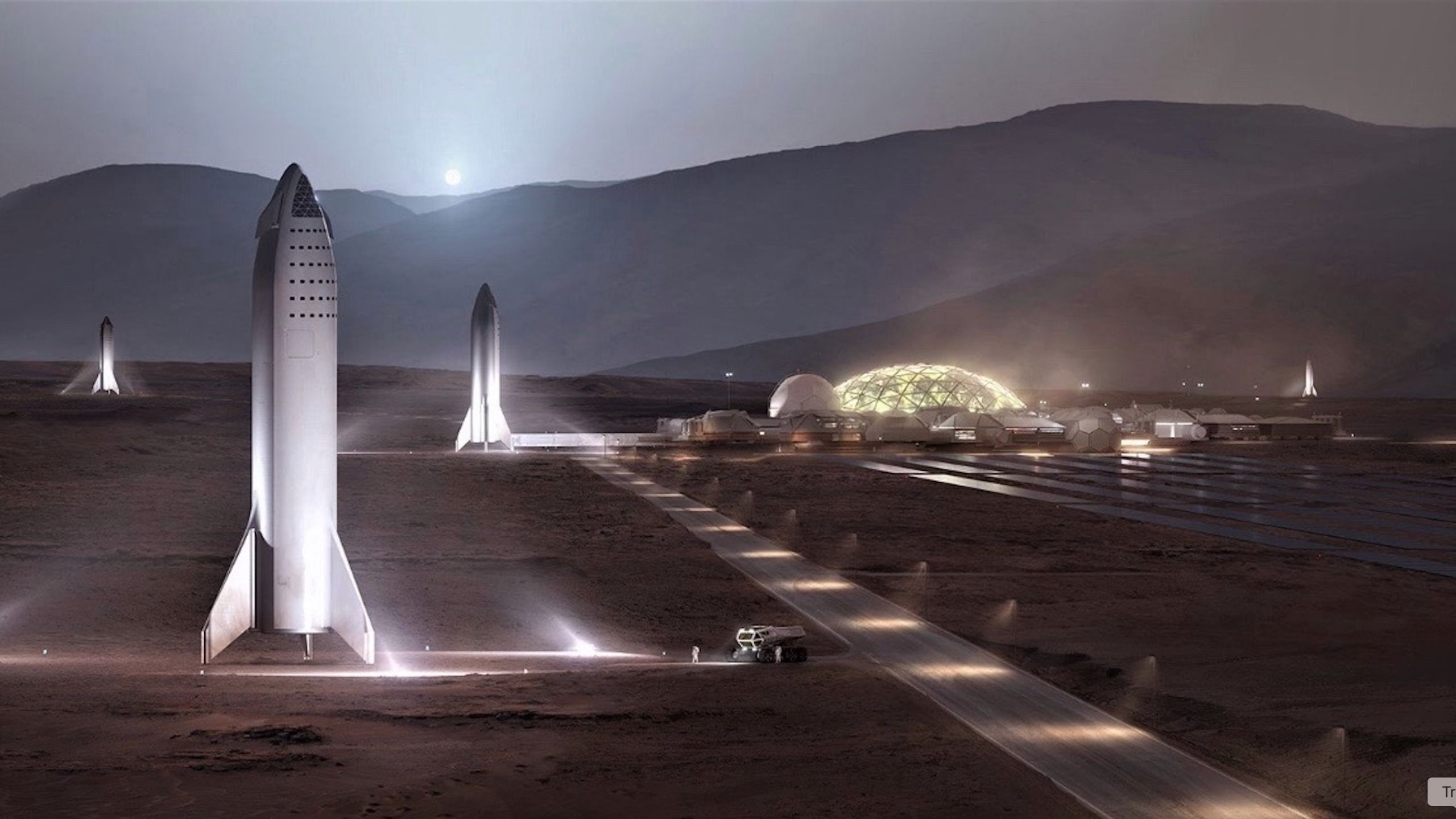
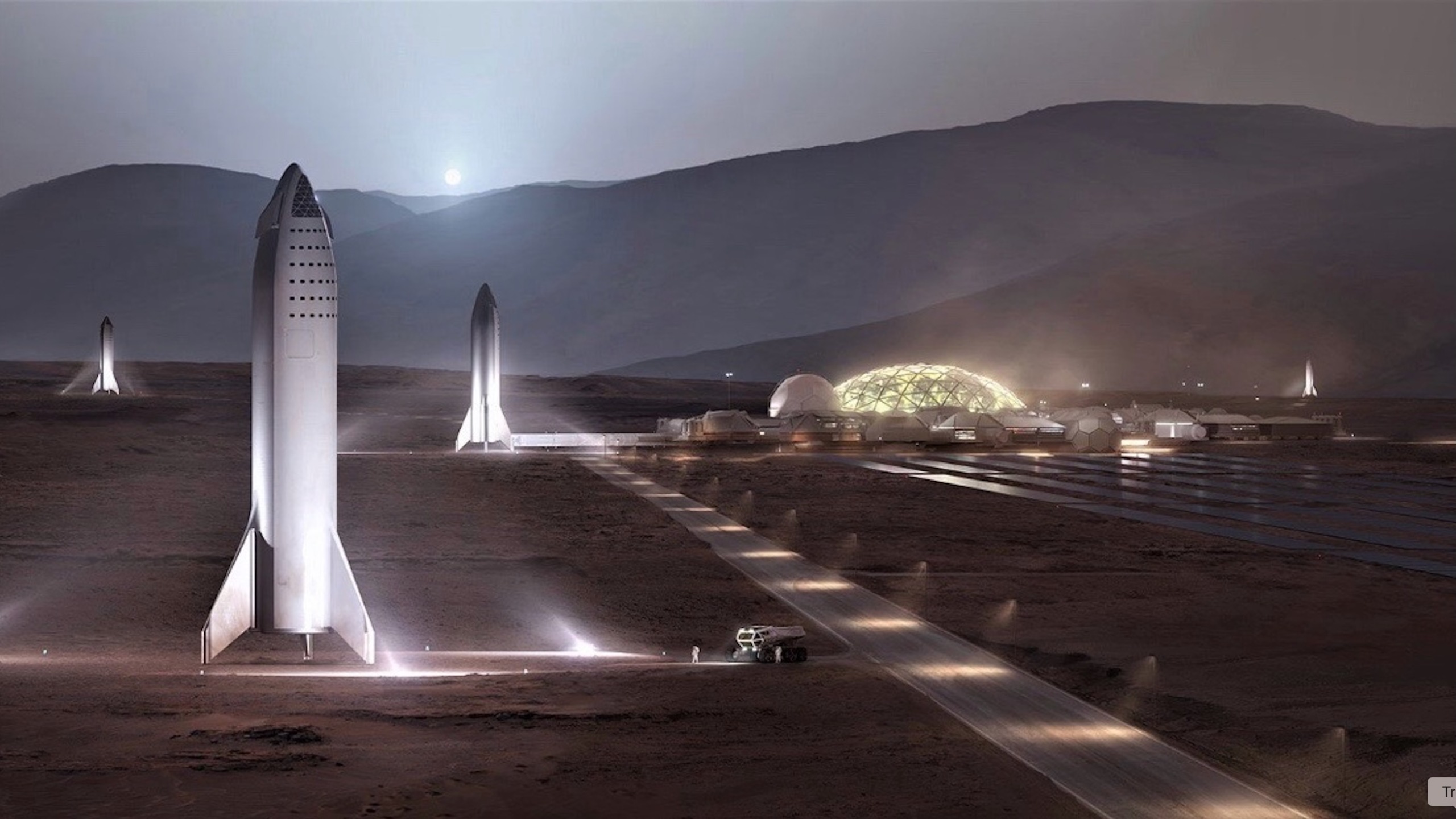
SpaceX’s Starship program has crossed a major threshold a decade after Elon Musk presented a giant Mars-bound spacecraft concept at the International Astronautical Congress in Guadalajara, Mexico. On Sept. 28, 2026, a descendant of that original proposal reached orbit for the first time on Starship’s 14th test flight, carrying satellites for SpaceX’s Starlink network.
The achievement is significant, but it is not the same as proving the architecture needed for human missions to the moon or Mars. Starship still has major capabilities to demonstrate before it can complete the long-duration missions envisioned for it, including technologies tied to refueling and reliable return from space.
That gap is central to the program’s current story. Starship has progressed from a concept and a succession of experimental vehicles to an orbital launch system. Yet the missions that made the vehicle famous remain much harder than reaching orbit once. They demand a spacecraft and booster that can perform repeatedly, transfer propellant in space, support crews and operate reliably across far longer missions.
A vehicle changed repeatedly over a decade
The design presented in 2016 was called the Interplanetary Transport System, or ITS. It used carbon fiber in its proposed structure. SpaceX later shifted to the stainless-steel Starship approach that became familiar through testing in Texas.
Early development included short test hops beginning in 2019, followed by higher-altitude flights. Some prototypes were lost during testing, while others advanced the program’s ability to fly and land the vehicle. In May 2021, the SN15 prototype completed a landing after a high-altitude flight, an important demonstration for a system intended to be fully reusable.
That same year, NASA selected Starship as the first astronaut lander for its Artemis lunar missions. The decision connected Starship’s development directly to a government-led effort to return astronauts to the moon. It also raised the stakes for milestones that had once been mainly associated with SpaceX’s own long-term Mars ambitions.
The full launch configuration pairs a Super Heavy booster with the Starship upper stage, often simply called Ship. That stack first flew in April 2023 but was lost within minutes. Three additional flights followed in less than a year. Each reached space, but each ended with the upper stage being lost during reentry.

Progress has come through test flights, and setbacks
SpaceX has used the flight campaign to demonstrate individual elements of the system rather than waiting for a single complete mission. In 2024, the company transferred liquid oxygen between two tanks inside one Ship. That was the closest the program had come to demonstrating the kind of propellant transfer a mission to the moon or Mars would require.
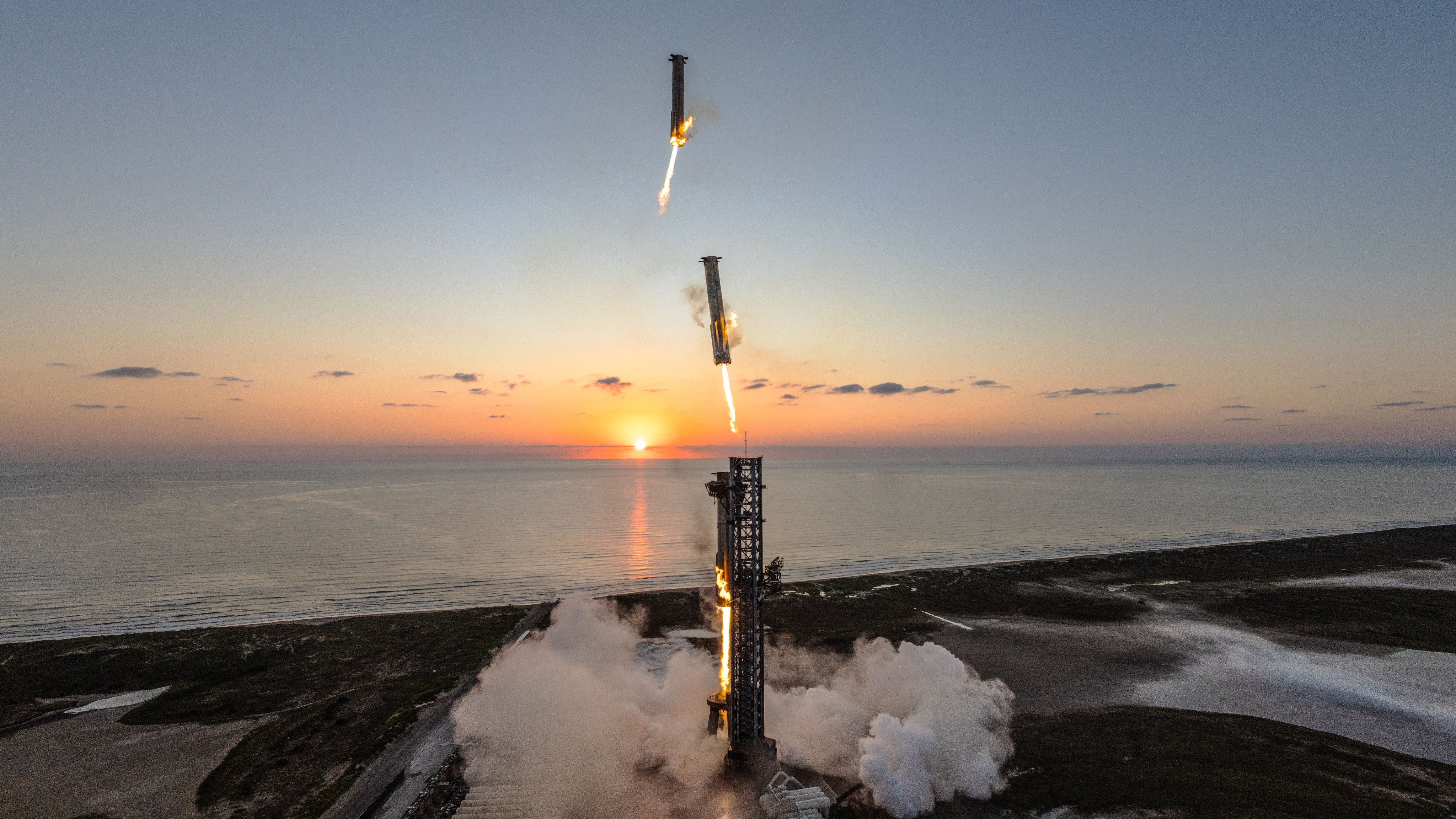
The same year also produced controlled splashdowns of both stages during a June test flight. In October 2024, SpaceX used the launch tower’s mechanical arms to catch a returning Super Heavy booster for the first time. Recovering the booster at the launch site is a distinctive part of the company’s reusability approach, but repeating such operations safely and routinely is a separate challenge.
Development did not follow a smooth upward path. After a booster catch in January 2025, the program experienced a run of Ship failures. An upper stage also exploded during ground testing in June of that year. A clean flight in August 2025 helped end that streak, and SpaceX flew the last of its older vehicle design by October.
The first Starship V3 launched in May 2026, followed by another flight in July. Flight 14, in late September, then delivered the program’s first orbital mission. The sequence illustrates why Starship’s history cannot be summarized only by its latest milestone: the program has moved quickly, but its advances have been accompanied by losses, redesigns and the continued need to test key systems in flight.
Why orbit is not yet a Mars mission
A Mars mission requires more than a powerful launch vehicle. Starship would need to operate over immense distances, carry sufficient supplies and propellant, and manage the risks of long-duration human spaceflight. The source of Starship’s promised reach is in-orbit refueling: spacecraft intended for distant destinations would need to receive propellant after launch rather than depart Earth fully fueled in a single step.
The 2024 internal transfer of liquid oxygen was an early relevant demonstration, but it was not a full transfer between two spacecraft in orbit. That distinction matters. A practical lunar or Mars architecture would depend on coordinating tanker vehicles, transfers and mission operations with high reliability. The program must also establish the performance and reusability of both the Ship and Super Heavy booster across repeated flights.
Return and reentry remain equally important. Earlier full-stack tests reached space but lost Ship on reentry. A vehicle designed for routine transport must eventually show that it can survive and control that phase consistently, not only launch successfully.
NASA’s Artemis role adds another near-term test of the program. Starship was selected as an astronaut lander, so its maturation will be judged not only against SpaceX’s broader Mars narrative but against the exacting requirements of lunar operations. The moon is closer than Mars, but a crewed lunar landing still depends on capabilities beyond a single orbital launch.

The next milestones will define the timeline
- Repeated orbital flights that demonstrate more consistent performance.
- Reliable recovery and reuse of the Super Heavy booster and the Starship upper stage.
- Propellant-transfer demonstrations relevant to missions beyond Earth orbit.
- Progress toward the lunar-lander capabilities required for Artemis missions.
Starship’s first orbital flight gives SpaceX a tangible accomplishment on the tenth anniversary of its Mars transportation vision. It does not settle when the spacecraft will go to Mars. The remaining work is substantial and technically demanding, and the program’s own history shows that progress can be rapid without being linear. The next phase will be measured less by the symbolism of orbit than by whether SpaceX can turn individual demonstrations into a dependable mission system.
This article is based on reporting by Space.com. Read the original article.
Originally published on space.com