A new mileage mark on Mars
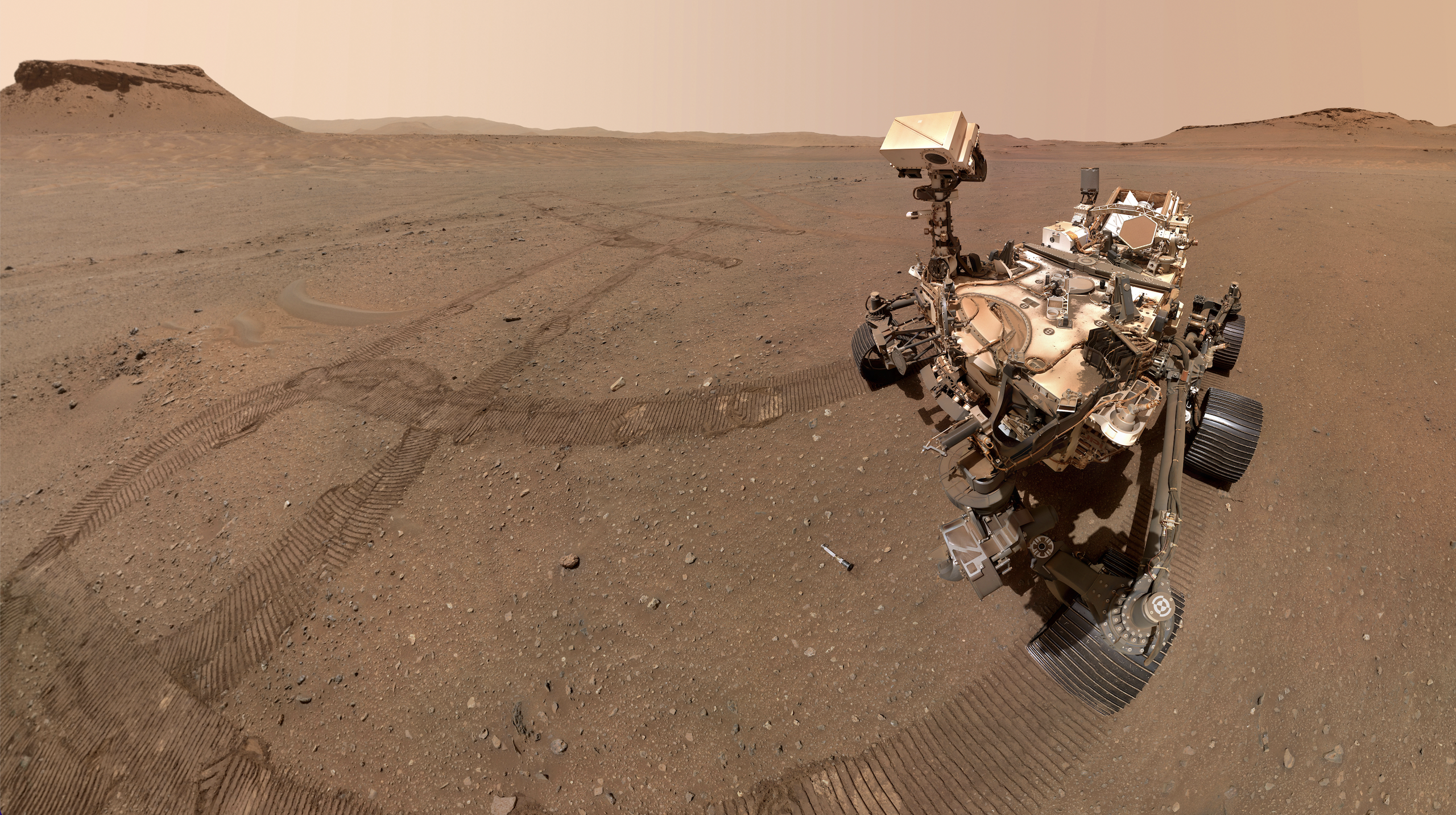
NASA’s Perseverance rover has set a new record for the greatest distance driven on a world beyond Earth. On October 11, the car-sized Mars rover reached 28.10 miles, or 45.22 kilometers, surpassing the previous record of 28.06 miles held by NASA’s Opportunity rover.
The difference between the two figures is small, but the milestone reflects an unusually strong operating record for Perseverance. Opportunity took 14 years to cover its record-setting distance. Perseverance has reached and passed it after about five and a half years on Mars.
Perseverance landed in Jezero Crater in 2021 to investigate the planet’s ancient environment and collect scientifically valuable samples. Its continued mobility is critical to that mission: every additional stretch of terrain can bring the rover to new rock formations and potential evidence about Mars’s past.
Built for less, traveling farther
According to Mark Maimone, a rover driver at NASA’s Jet Propulsion Laboratory in Southern California, the rover’s original design expectation was about 20 kilometers of driving. Perseverance has now more than doubled that distance.
The mission team says the rover remains in strong condition, with its original capabilities largely intact, especially its science instruments. That state of health matters as much as the odometer. A rover can only turn a distance record into scientific progress if its navigation, mobility systems and instruments continue to work together on an unforgiving planetary surface.
Maimone said the team sees a path to as much as 100 kilometers of total travel. If achieved, that would more than double Perseverance’s current distance and extend its opportunity to examine Mars terrain well beyond the route it has already covered.
Why mobility shapes the science mission
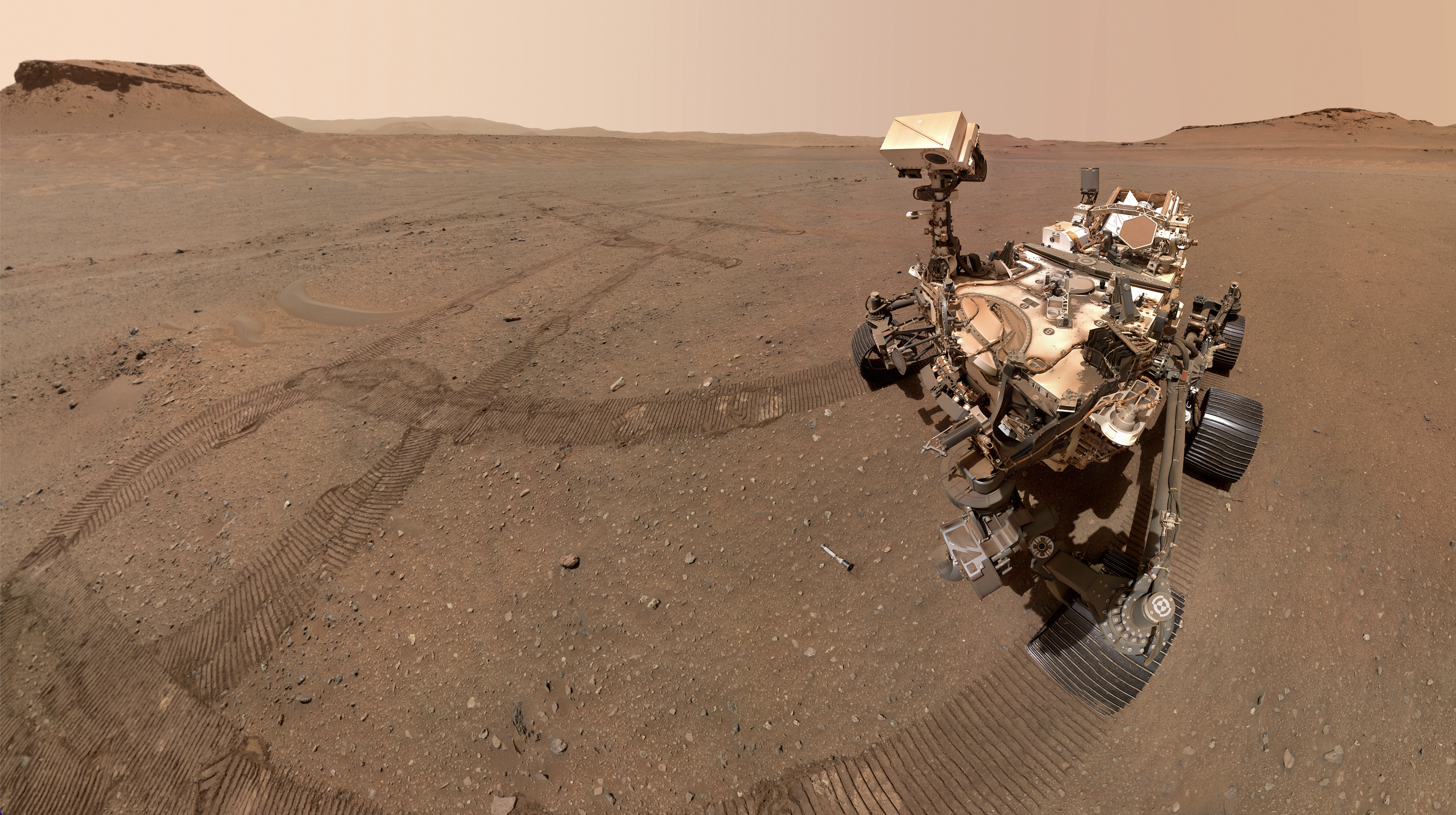
Mars rovers are field laboratories. Their scientific reach is defined in part by where they can safely go. A durable rover can approach new outcrops, investigate diverse geological settings and choose among promising locations for sample collection.
Perseverance’s mission combines that mobility with onboard scientific instruments and a sample-caching effort intended to preserve carefully selected Martian material for future study. The record does not by itself answer a science question about Mars, but it signals that the rover remains capable of pursuing those questions across more ground.
The achievement also highlights the role of autonomous planetary navigation. Mars operations face communication delays, uneven terrain and limits on the day-to-day driving decisions that can be made directly from Earth. Autonomous driving systems help the rover progress while managing hazards and preserving the vehicle for long-term exploration.
- Perseverance reached 45.22 kilometers traveled on October 11.
- The rover surpassed Opportunity’s 45.16-kilometer record.
- It achieved the milestone after roughly 5.5 years on Mars, compared with Opportunity’s 14 years.
- The mission team believes Perseverance could travel up to 100 kilometers in total.
A record with more route ahead
The most important part of the milestone may be its forward-looking nature. Perseverance is not concluding its mission at the record line. The rover team expects it to continue exploring and collecting samples that can improve understanding of Mars’s history.
Its distance traveled is also a useful measure of engineering endurance. Planetary rovers operate far from repair facilities, across rough landscapes and through conditions that can challenge mechanical systems and instruments. Passing a record established by Opportunity underscores how much capability remains in the current vehicle.
For Mars exploration, the result is a reminder that long missions accumulate value. The rover’s next kilometers could matter more than the record-setting ones if they lead to new geological contexts, high-priority samples or a clearer account of how Jezero Crater and its ancient environment evolved. Perseverance has already made the longest journey of any vehicle beyond Earth; its mission team believes much of its route may still lie ahead.
This article is based on reporting by Space.com. Read the original article.

Originally published on space.com