A four-person crew begins a long-duration station mission
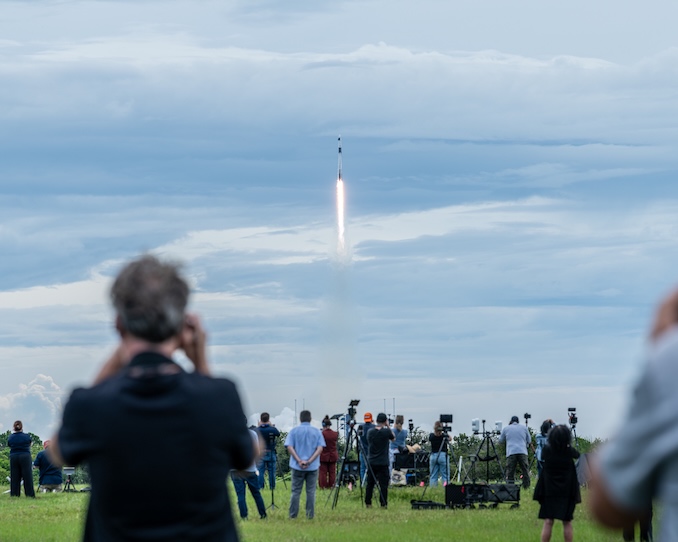
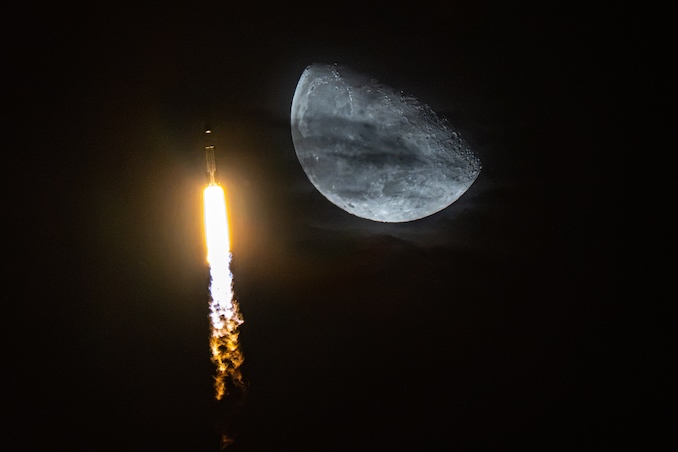
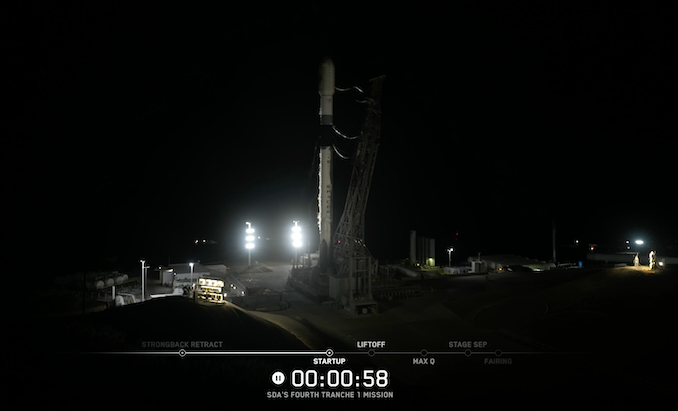
NASA’s SpaceX Crew-13 mission has launched toward the International Space Station, carrying a four-person international crew for a planned six-month stay in orbit. A SpaceX Falcon 9 lifted the Crew Dragon spacecraft from Space Launch Complex 40 at Cape Canaveral Space Force Station at 11:10 a.m. EDT on October 1.
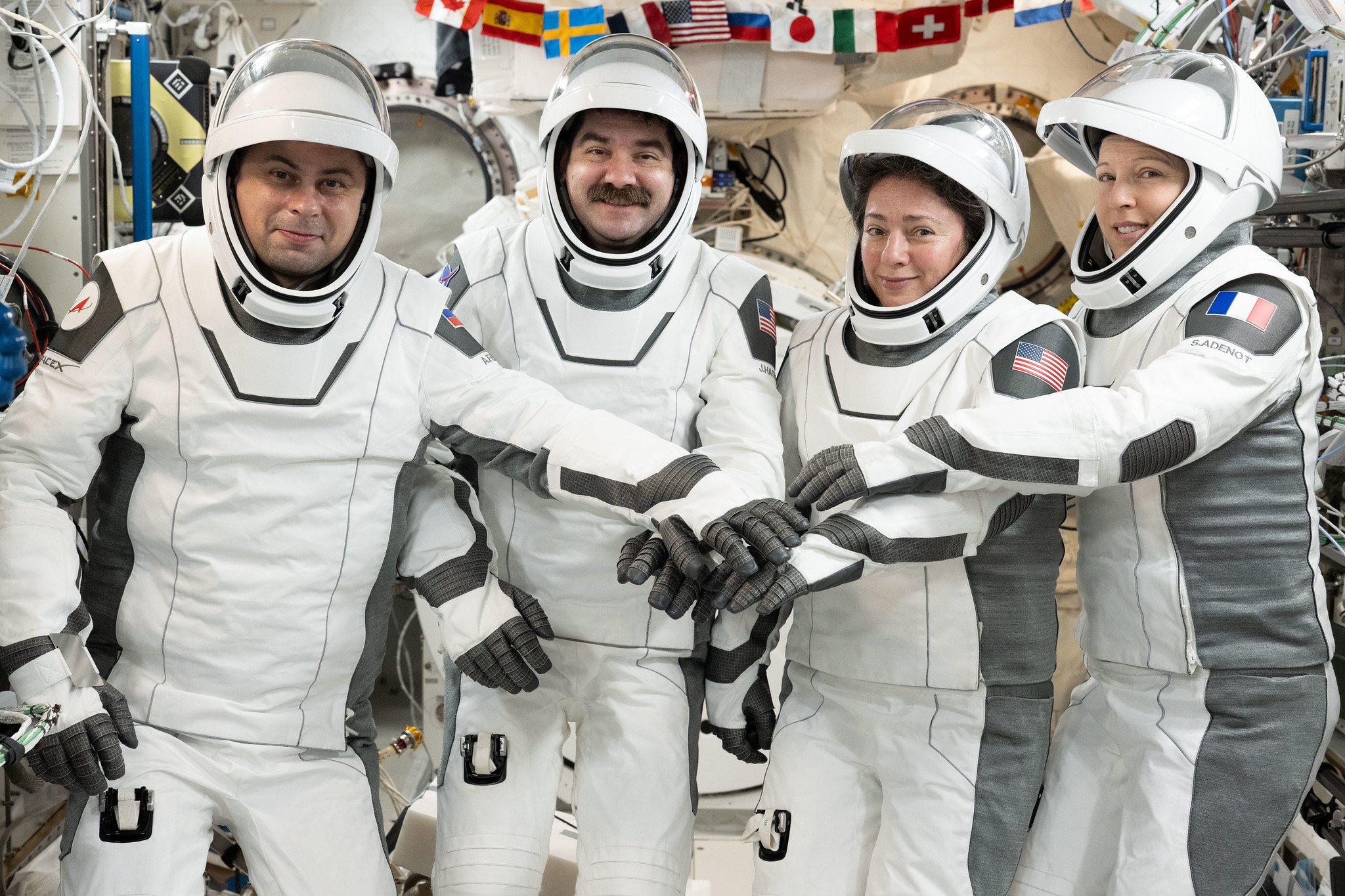
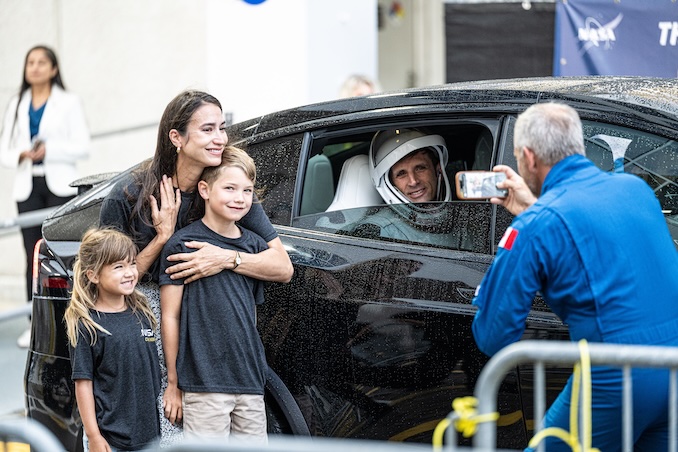
The crew consists of NASA astronaut Jessica Watkins, who is commanding the mission; NASA astronaut Luke Delaney, the pilot; Roscosmos cosmonaut Sergey Teteryatnikov; and Canadian Space Agency astronaut Joshua Kutryk. The launch sends two experienced national space programs and a Canadian participant together on a mission to the station, continuing the multinational staffing model that underpins ISS operations.
For Watkins, the flight is a return to space. She previously flew aboard a Crew Dragon in 2022 and holds a Ph.D. in geology. Delaney, Kutryk and Teteryatnikov are making their first flights to the ISS. Delaney and Kutryk are former military test pilots, while Teteryatnikov served in the Russian submarine force before becoming a cosmonaut.
A delay before launch
Crew-13 had originally been scheduled to launch in mid-September. The flight was delayed after a leaking valve in the Crew Dragon propulsion system needed to be replaced. The eventual launch therefore followed work to address an issue in a system central to spacecraft maneuvering and mission operations.
The delay illustrates a routine but consequential feature of human spaceflight: schedules are subordinate to vehicle readiness. Launch opportunities, crew plans and ground operations may all be affected by a technical finding, yet the mission only proceeds after the relevant hardware concern has been resolved.
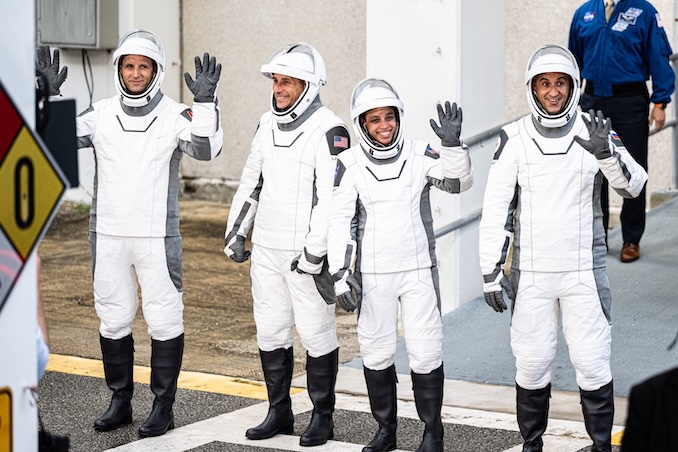
Once launched, Crew-13 began its trip to the orbiting laboratory aboard the Crew Dragon capsule. The four astronauts and cosmonaut are headed for a mission expected to last about six months, placing them among the continuing sequence of long-duration crews supporting station operations.
An international crew with different paths to orbit
Watkins leads a crew whose members arrived through notably different professional backgrounds. Her geology training brings a scientific perspective to an orbital mission. Delaney and Kutryk each come from military test-pilot careers, while Teteryatnikov moved from service in the Russian submarine force into the Russian space program.
Those backgrounds are distinct, but the mission assigns them to a shared station environment. The International Space Station depends on crews that can operate complex systems, conduct planned work and adapt to the constraints of living and working in orbit over months rather than days.
The three first-time ISS fliers were identified as the 296th, 297th and 298th astronauts to fly aboard the station. Their arrival adds another milestone to the ISS’s long history as an inhabited orbital laboratory.
Crew-13 at a glance
- Commander: NASA astronaut Jessica Watkins.
- Pilot: NASA astronaut Luke Delaney.
- Mission specialist: Roscosmos cosmonaut Sergey Teteryatnikov.
- Mission specialist: Canadian Space Agency astronaut Joshua Kutryk.
- Launch vehicle: SpaceX Falcon 9.
- Spacecraft: SpaceX Crew Dragon.
A personal milestone during an orbital assignment
The mission also carries a personal dimension for Kutryk. He and his wife Heather have two children and are expecting a third around Thanksgiving, approximately two months into the Crew-13 mission. The expected birth would make them the fourth couple in spaceflight history to have a child born while one parent was in space, according to the mission report.
Kutryk described leaving his family as the hardest thing he had done, while also framing it as part of exploration. The circumstances offer a vivid reminder that long-duration missions are not only technical assignments. Crew members spend months away from families and everyday events on Earth while working hundreds of kilometers above the planet.
Why the launch matters
Crew-13’s departure continues the use of commercial spacecraft to carry astronauts to the ISS. SpaceX’s Crew Dragon and Falcon 9 are the launch and transport system for this mission, while the crew itself represents NASA, Roscosmos and the Canadian Space Agency.
The mission is also a practical example of continuity in human spaceflight. The ISS requires regular crew rotations to maintain a permanent human presence, and each successful launch supports the wider chain of station operations. The crew’s six-month assignment will place them in orbit through a substantial portion of the year, where they will join the ongoing work of the space station program.
The valve-related delay before launch underscores how much depends on reliable spacecraft systems, but the successful departure marks the start of Crew-13’s operational phase. For Watkins, Delaney, Teteryatnikov and Kutryk, the mission now shifts from launch-day preparation to life and work aboard the International Space Station.
This article is based on reporting by Spaceflight Now. Read the original article.
Originally published on spaceflightnow.com