A milestone mission approaches
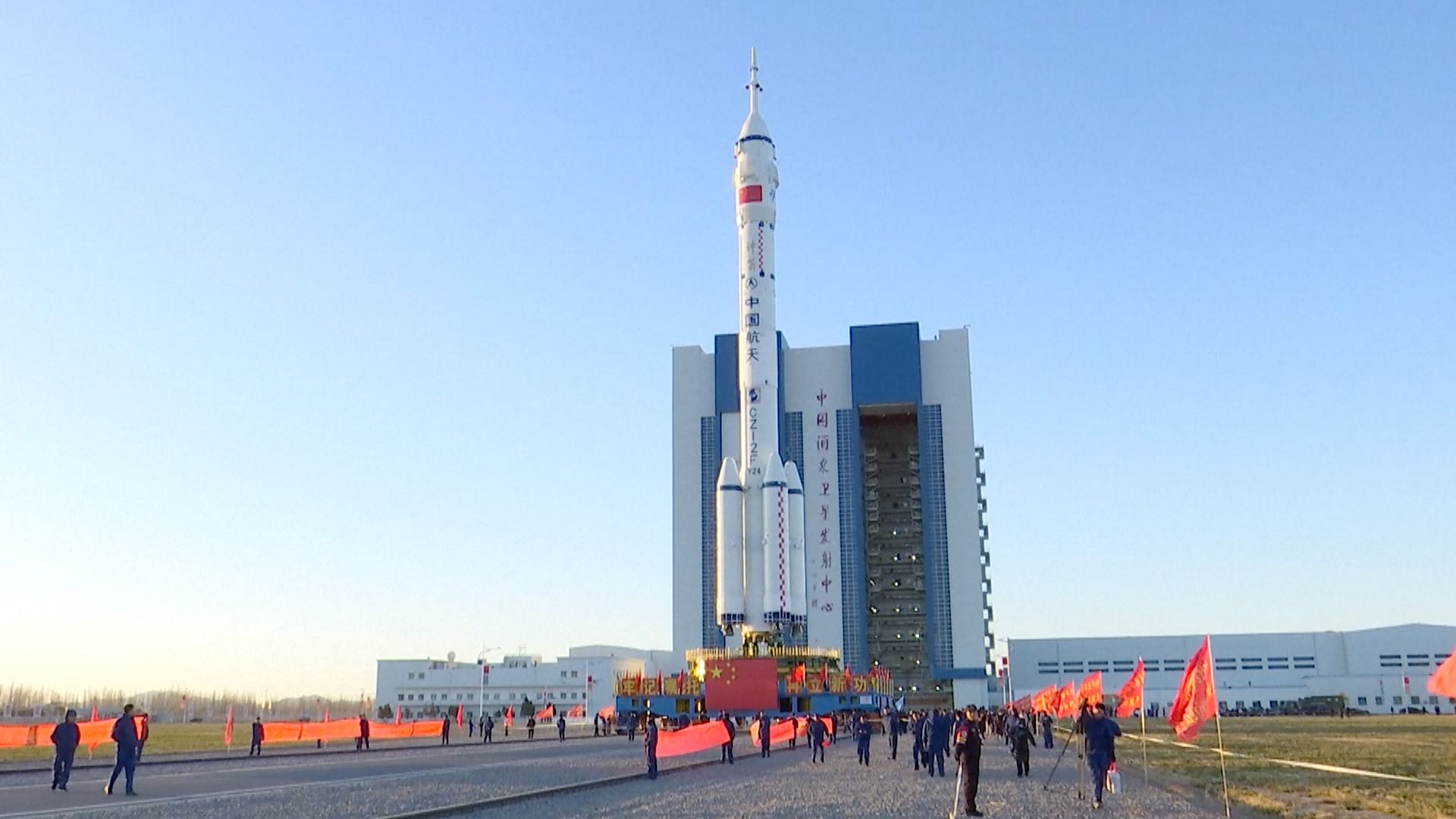
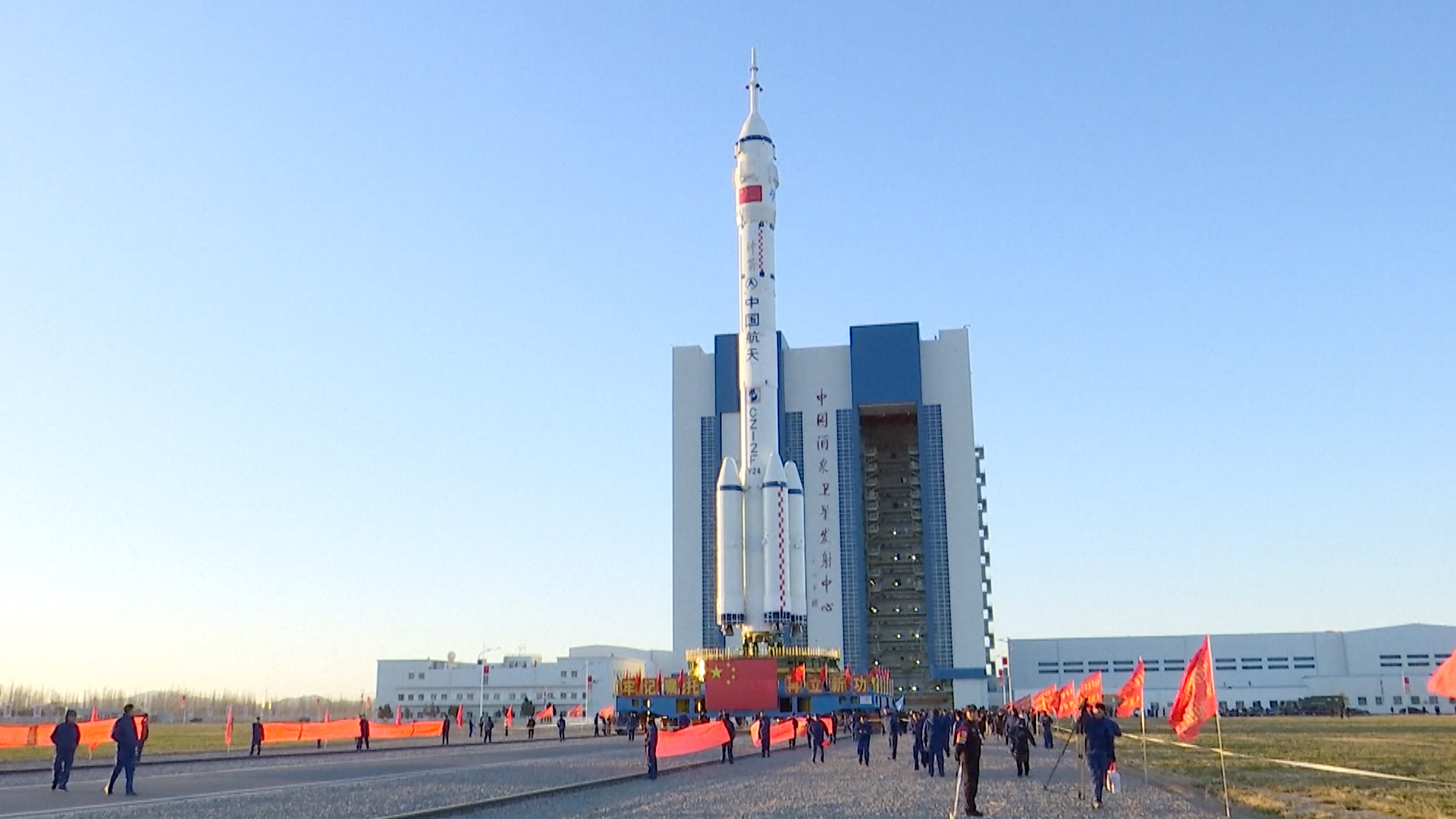
China has rolled the Long March 2F rocket and Shenzhou-24 crew spacecraft to the launch pad at Jiuquan Satellite Launch Center, setting up a mission expected to make history for the country’s human-spaceflight program. The launch is expected in the coming days, according to China’s human spaceflight agency, though no firm date had been announced in the supplied report.
Shenzhou-24 is expected to carry three people to the Tiangong space station. One is set to be an international astronaut, the first foreign visitor to China’s orbital outpost. The mission would mark a new stage for Tiangong, which has so far hosted Chinese crews, and would also give Pakistan its first astronaut in orbit.
The rocket was transferred from its vertical integration building to the launch pad on Nov. 17. The 58-meter vehicle travelled about 1.5 kilometers during a move that took roughly two hours, according to China Central Television as cited by Space.com. China’s human spaceflight agency said launch-site facilities and equipment were in good condition.
A Pakistani astronaut is expected to fly
Public details about the crew remained limited ahead of launch. China’s human spaceflight agency typically reveals a Shenzhou crew during a press conference held about a day before liftoff. But the report says one of two Pakistani astronaut candidates is expected to fly as a payload specialist.
That arrangement matters beyond the symbolism of an international seat. It would make the mission a practical test of how China incorporates a visiting astronaut into a station program built around regular, long-duration Chinese expeditions. The anticipated Pakistani visitor is expected to spend around a week aboard Tiangong before returning to Earth aboard the departing Shenzhou-23 spacecraft.
The report describes an unusual crew-rotation plan intended to make that return possible. One of the three astronauts currently on Shenzhou-23, whose six-month mission began on May 24, is expected to remain aboard Tiangong for another six months. That would leave a seat for the visiting astronaut on Shenzhou-23 and enable a Chinese astronaut to complete the country’s first year-long stay in orbit.
Why the handover plan matters
Space-station operations depend on more than getting a spacecraft to orbit. Crews have to overlap, responsibilities must be transferred, and a safe return seat must be available for every person on the station. The reported Shenzhou-24 arrangement illustrates how a visiting crew member can be accommodated without changing the basic rhythm of a program designed around three-person expeditions.
It also places greater importance on the astronaut who remains on Tiangong. A year in orbit would extend China’s experience with long-duration human spaceflight. The supplied report does not describe the scientific program for that stay or identify the astronaut expected to remain, so those details should await an official crew announcement.
For Pakistan, the expected flight would be the country’s first human mission to orbit. The prospective astronaut’s role is described as a payload specialist, suggesting the visit will be linked to a defined mission assignment rather than a standard six-month station rotation. No additional information on planned experiments was included in the source material.
Tiangong’s international turn
The planned flight does not by itself make Tiangong an internationally operated station. China remains responsible for launching the crew, operating the station and managing the mission. Still, carrying an astronaut from another country would be a concrete expansion of the program’s international engagement.
That distinction is important. International cooperation in space can range from providing experiments or training opportunities to placing foreign crew members aboard a station. A visiting astronaut is one of the most visible forms of cooperation because it requires coordination across crew preparation, mission planning, launch operations and the return flight.
The mission is also arriving as China continues a steady cadence of human spaceflight. Shenzhou spacecraft ferry crews to and from Tiangong, while the Long March 2F remains the rocket used for those crewed launches. The rollout of the combined rocket and spacecraft is therefore a routine operational step, but the anticipated crew makeup gives this instance an unusual significance.

What to watch next
The next major checkpoint is China’s prelaunch briefing, where the agency is expected to provide the crew names and a launch time. That announcement should clarify which Pakistani candidate will fly, identify the two Chinese crewmates, and confirm the mission’s final schedule.
Observers will also watch for details on the return sequence. The planned short stay for the international visitor and extended stay for a Chinese astronaut are central to the mission’s novelty, but the report notes that public details remain sparse. Official confirmation will be needed before treating the projected duration and assignments as final.
For now, the rollout signals that Shenzhou-24 has entered its final launch preparations. If the expected plan proceeds, the flight will deliver the first international astronaut to Tiangong, send Pakistan’s first astronaut to orbit and begin China’s first year-long human stay in space.
This article is based on reporting by Space.com. Read the original article.
Originally published on space.com