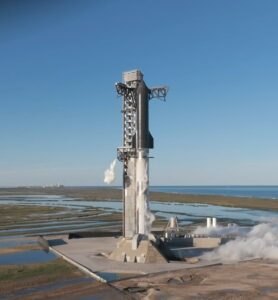
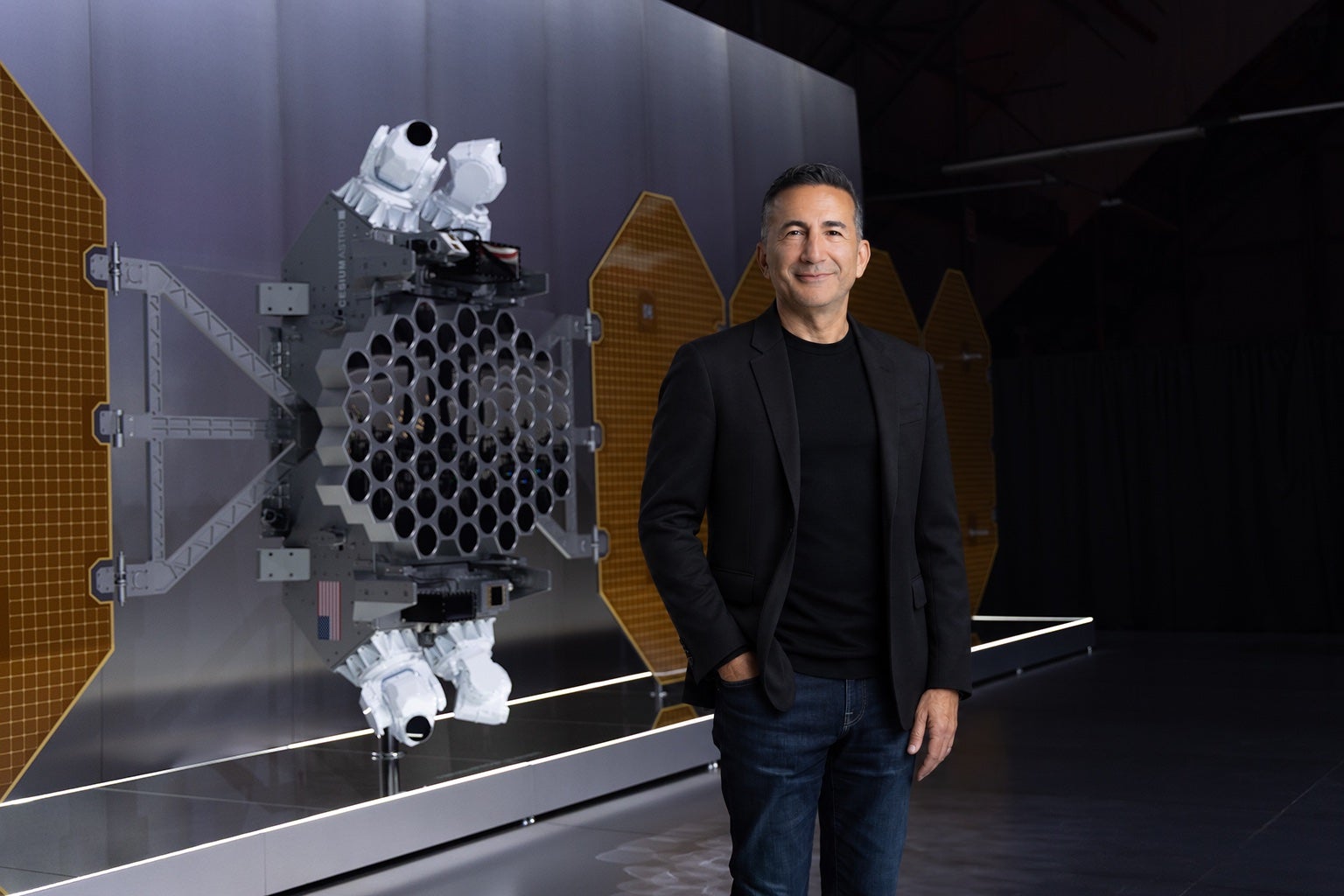
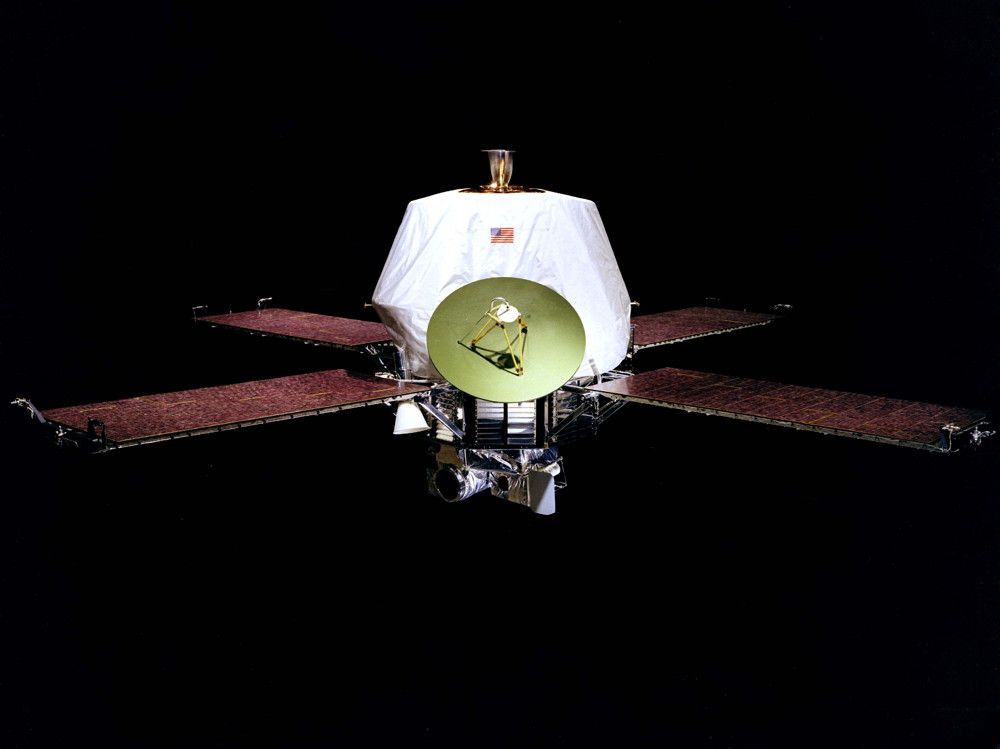
Spanish spacecraft company UARX Space says its OSSIE-D orbital transfer vehicle has been deployed in orbit, marking a notable step for the country’s commercial space sector. The company said the vehicle launched aboard a SpaceX Falcon 9 and was deployed using SAU&RON 24, a proprietary separation system developed by UARX Space.
According to the company, OSSIE-D was designed and manufactured entirely in Spain, with 75% of its components developed in-house. The mission combines an orbital transfer vehicle, often called an OTV, with a separation system built by the same company on a single mission. UARX Space described that combination as a world first.
The announcement is significant less for a single spacecraft component than for the breadth of the system being demonstrated. UARX Space is positioning itself as a provider of integrated in-space transportation and deployment capabilities: a vehicle for orbital operations together with the hardware that separates and deploys it after launch.
An integrated approach to orbital operations
An orbital transfer vehicle is intended to operate after a launch vehicle has delivered its payload to space. Such vehicles can be part of the infrastructure used to move, deploy or support spacecraft in orbit. In OSSIE-D’s case, the company’s release emphasizes the integration of the vehicle with SAU&RON 24, its own separation system.
That approach matters because space missions depend on more than a launcher and a satellite. A successful mission also requires reliable systems for power generation, storage and distribution, as well as mechanisms that can safely deploy a spacecraft. Bringing more of those capabilities under one company’s technical control can reduce interfaces between suppliers and give mission designers a more tightly integrated package.
UARX Space said the mission demonstrates its ability to develop and integrate technologies for in-space transportation and orbital operations. The company also framed the flight as evidence that the Spanish space industry can develop key spacecraft technologies domestically while working with specialized partners across Europe.
Power system reports nominal early performance
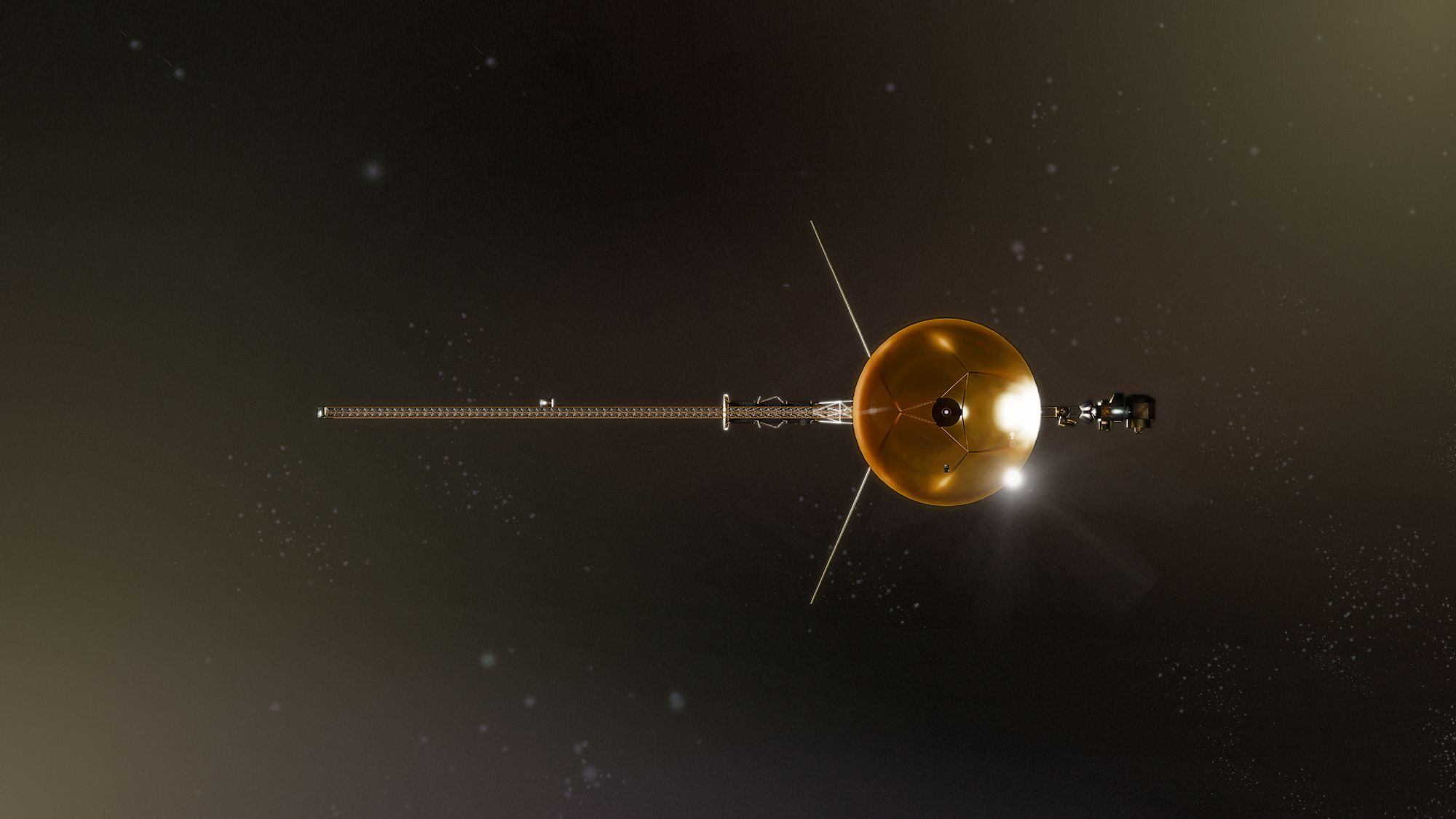
DHV Technology supplied OSSIE-D’s complete electrical power subsystem. Its work included the solar arrays, the power conditioning and distribution unit, main battery modules, a solar array drive assembly and other supporting subsystems needed for the mission’s power requirements.
These elements perform distinct but connected functions. Solar arrays generate electricity from sunlight. A power conditioning and distribution unit manages and distributes that energy to spacecraft systems. Batteries store power for periods when the vehicle cannot generate enough solar energy, while a solar array drive assembly helps orient arrays for power production.
UARX Space said initial telemetry shows that the DHV Technology subsystem is operating as expected in orbit. The company said the system is functioning across generation by the solar arrays, control and distribution by the PCDU, and storage by the battery.
That early operational status is a consequential checkpoint. Spacecraft hardware must work together after launch in an environment that cannot be repaired easily. A nominal power system gives a mission the electrical foundation required for communications, control and later operations.
A milestone for Spain’s commercial space industry
The OSSIE-D mission arrives as European space companies seek larger roles across spacecraft manufacturing, satellite services and orbital operations. UARX Space says its vehicle and separation system were both developed by the company, while the power subsystem came from DHV Technology. The arrangement illustrates a model in which domestic systems integration is paired with specialized industrial collaboration.
Dr. Andrés Villa, UARX Space’s chief technology officer and co-founder, said the mission shows how companies with complementary capabilities can contribute to ambitious projects. He identified DHV Technology as a key partner in the vehicle’s energy capability.
For DHV Technology, the flight is also a validation of a complete power subsystem operating in space. Dr. Vicente Díaz, the company’s managing director and co-founder, said seeing the system work as expected in orbit was an important milestone for both teams and their collaboration.
The broader significance is that the mission is not presented as merely an assembly exercise. UARX Space says 75% of OSSIE-D’s components were developed internally, while the spacecraft itself was designed and manufactured in Spain. If subsequent operations continue as planned, the flight will provide a concrete in-orbit reference for Spanish-built orbital hardware and the suppliers behind it.

What comes after deployment
The release focuses on deployment and initial power-system telemetry, rather than detailing the vehicle’s full operational timeline or payload activities. That means the clearest confirmed result so far is the spacecraft’s placement in orbit and the nominal early performance of its electrical power subsystem.
Even so, the milestone highlights the importance of building dependable infrastructure beyond the launch pad. A Falcon 9 launch provided access to orbit, but OSSIE-D’s mission rests on hardware intended to function after separation: the transfer vehicle, the deployment mechanism, solar arrays, power electronics and batteries.
For UARX Space and DHV Technology, the next meaningful evidence will come from continued operations. For Spain’s space industry, OSSIE-D is already a visible demonstration of a locally built vehicle entering orbit with a substantial share of its technology developed by domestic companies.
This article is based on reporting by SpaceNews. Read the original article.
Originally published on spacenews.com