AST SpaceMobile pitches a dedicated route to orbit
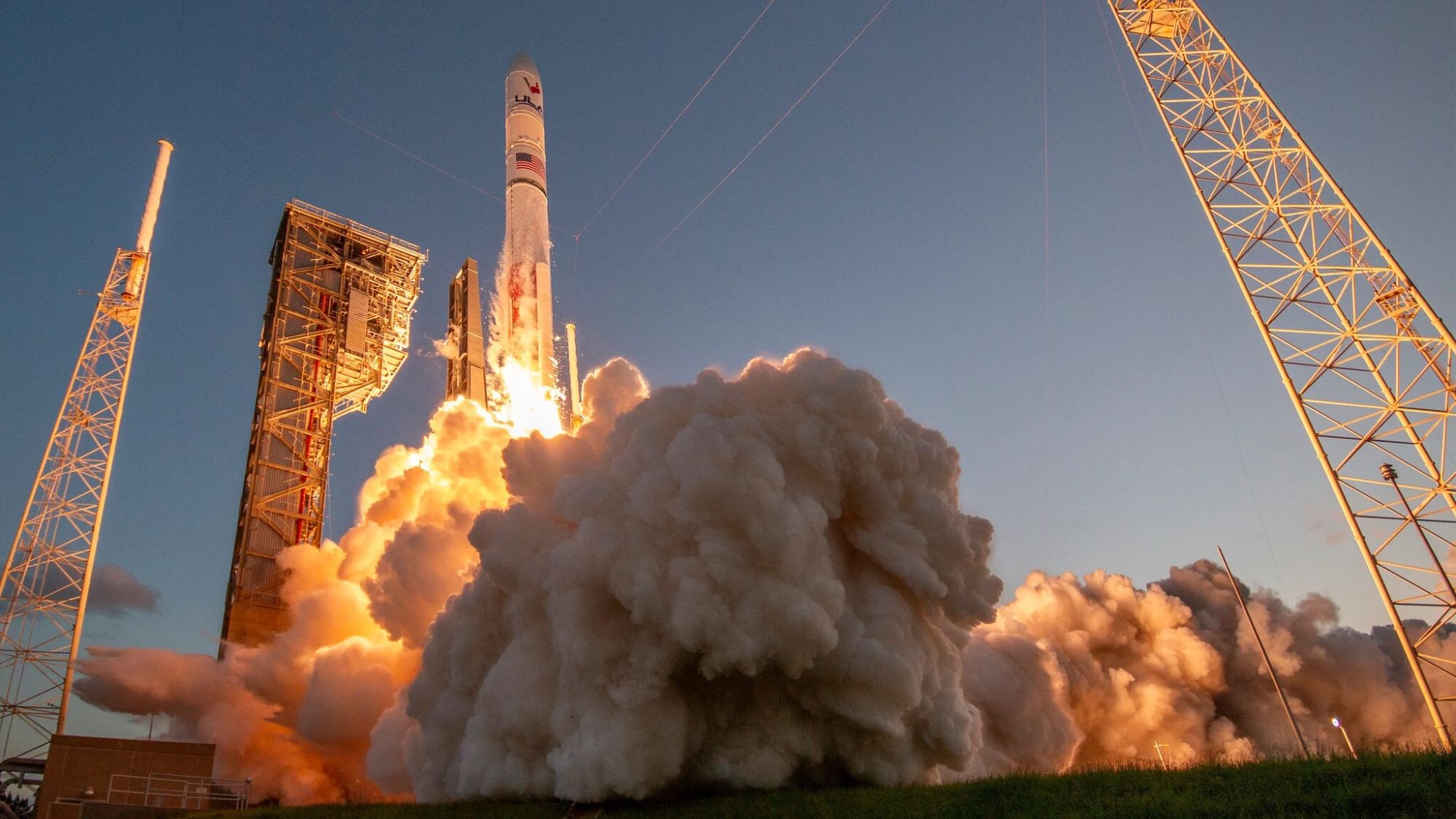
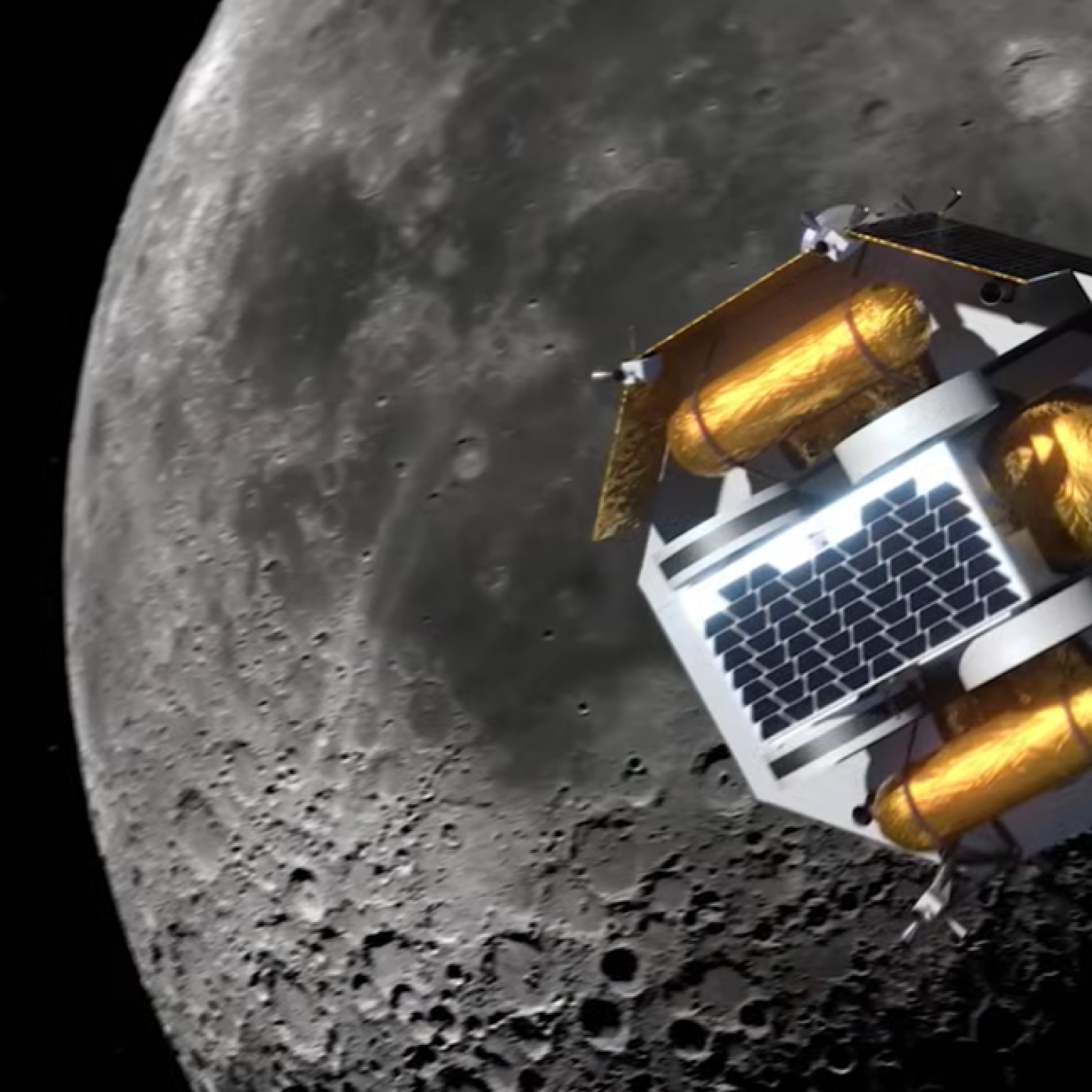
AST SpaceMobile is making the case that its future satellite network needs a launch system of its own. At a New York event on Nov. 12, the company outlined Blacklift, a proposed reusable rocket intended solely to launch its BlueBird direct-to-device communications satellites.
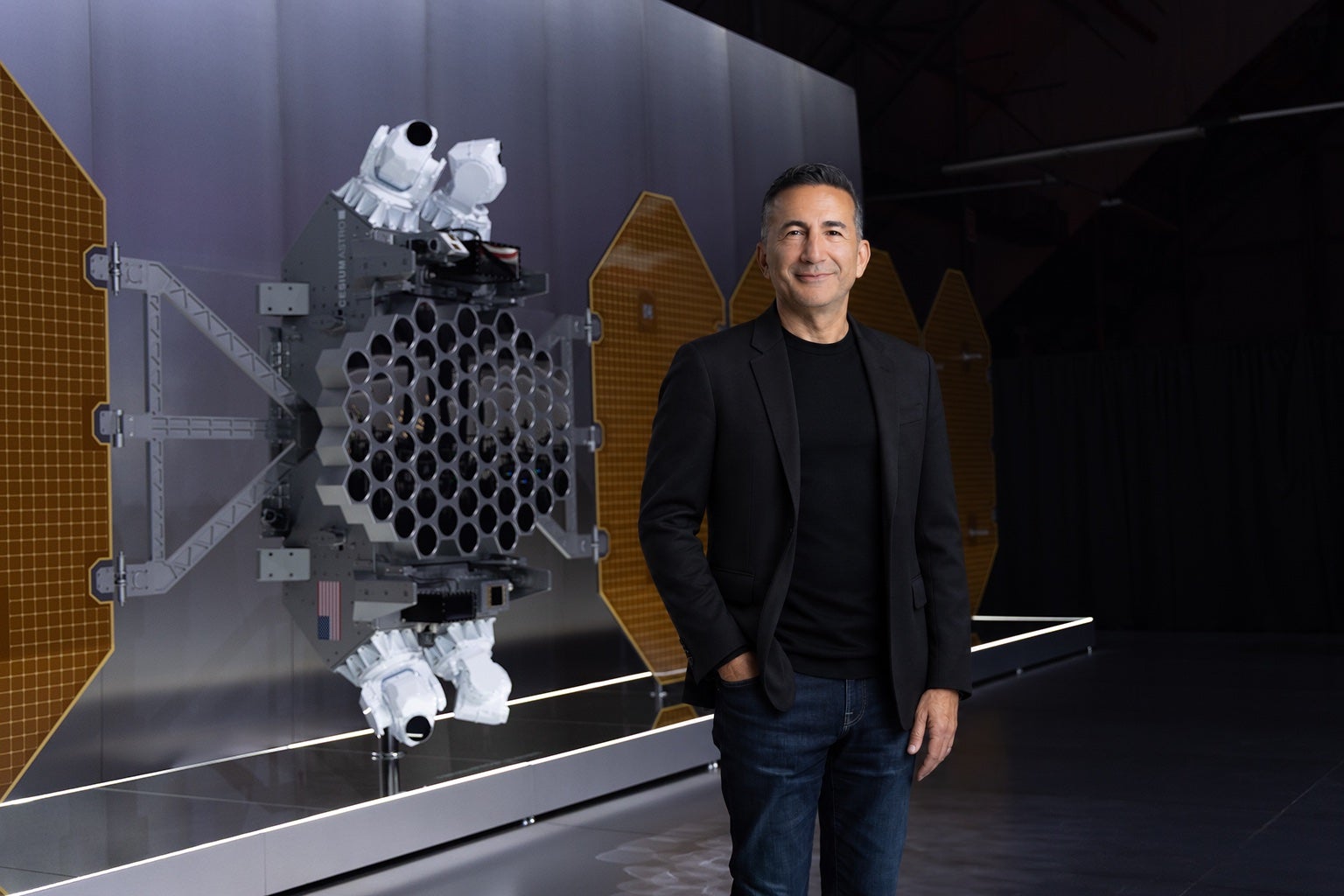
The company says the program is a response to limited availability in the broader launch market. Chief executive Abel Avellan said AST is pursuing the vehicle because it expects demand for its satellites to outstrip the launch capacity it can secure on the schedules it needs.
Blacklift is designed to carry up to 20 metric tons to low Earth orbit, according to AST. The company says that capacity would allow as many as five BlueBird satellites on a single mission. Its stated operating goal is ambitious: launch twice per month.

A three-stage reusable design
AST describes Blacklift as a three-stage rocket. The first stage would use seven Miranda engines from Firefly Aerospace, while the second stage would use two Vira engines and the third stage would use one Vira engine. The company showed engine videos and vehicle animations at the event, rather than completed launch hardware.
The three-stage configuration is unusual among vehicles aimed at low Earth orbit. Many current or proposed reusable orbital rockets use two stages. Avellan argued that a third stage could make first-stage recovery easier because the booster would not need to travel as high before returning to Earth.
The vehicle is also planned to use carbon-composite structures throughout. Avellan said AST expects the material choice to reduce dry mass compared with metallic structures, drawing on the company’s spacecraft experience and Firefly’s launch-vehicle work.

Execution remains the central question
AST has said it wants Blacklift ready within two years, a timetable that SpaceNews reported has been met with substantial skepticism across the industry. Building, testing and qualifying an orbital launch vehicle—while developing recovery and reuse capability—is a major undertaking, particularly for a company whose core business is satellite communications rather than launch services.
For AST, however, the appeal is strategic. A dedicated rocket could give the company greater control over deployment of its BlueBird constellation and reduce dependence on a launch market it describes as constrained. The company has emphasized that Blacklift is not intended to compete for commercial launch customers; it is meant to serve AST’s own spacecraft.
That distinction makes the plan less about entering the launch business than vertically integrating a critical part of a satellite-network rollout. Whether the vehicle can meet its performance, recovery and schedule targets will determine whether it becomes a practical deployment tool or remains an aspirational answer to launch bottlenecks.
This article is based on reporting by SpaceNews. Read the original article.
Originally published on spacenews.com