Vulcan Centaur is set to return to flight
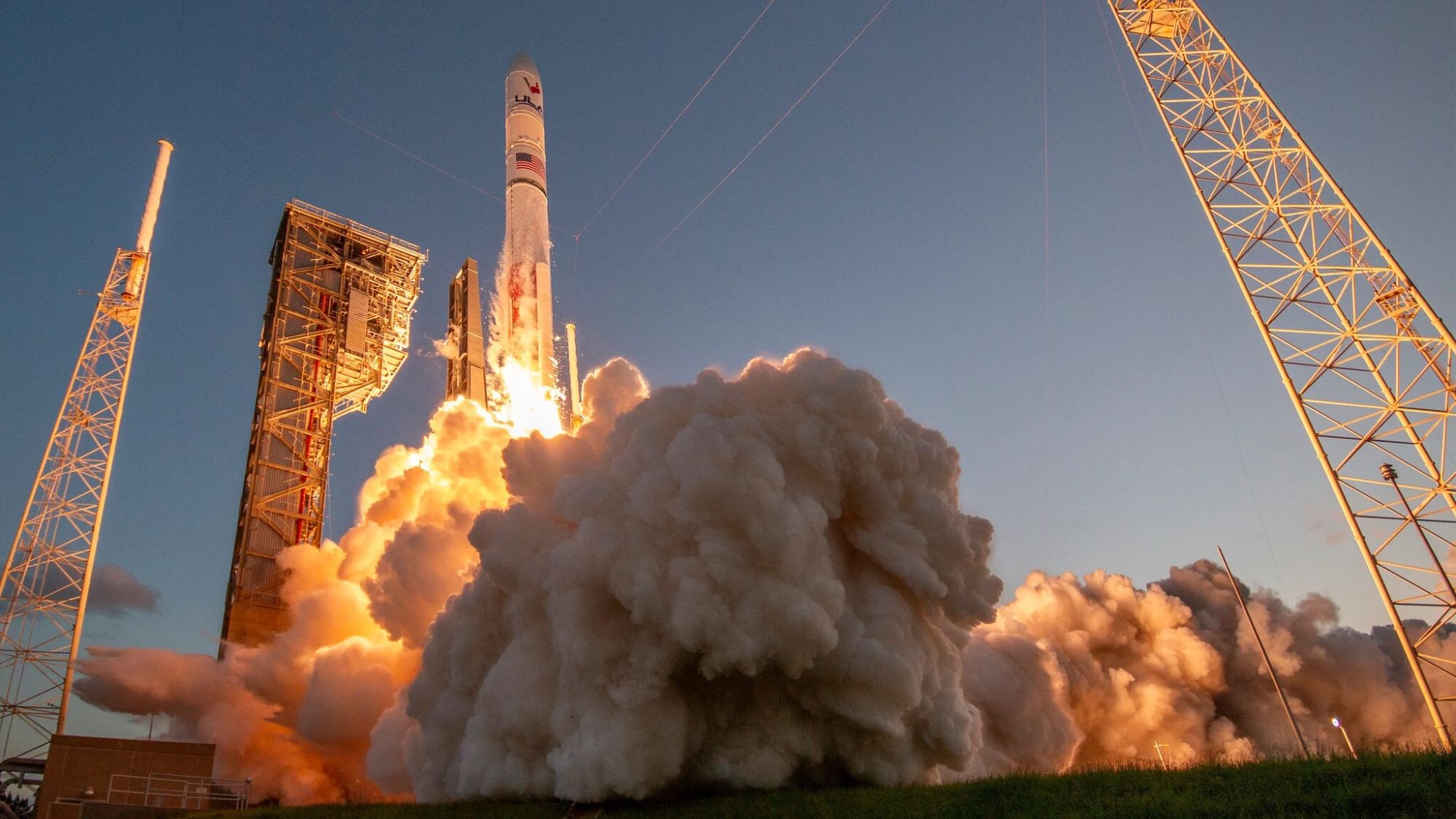
United Launch Alliance is scheduled to fly its Vulcan Centaur rocket for the first time in nine months, carrying 40 Amazon Leo internet satellites from Cape Canaveral Space Force Station in Florida.
The launch is scheduled for 12:54 p.m. Eastern time on November 13, or 1754 GMT. The mission is a notable return for ULA’s new heavy-lift launch vehicle after a pause tied to concerns about its solid rocket boosters.
Vulcan Centaur is intended to succeed ULA’s long-serving Atlas V. Atlas V has only about a half-dozen launches left on its manifest, making Vulcan’s operational maturation important not only to commercial customers but also to the company’s future launch business.
A return after booster-nozzle concerns
Vulcan first flew in January 2024 and subsequently completed three further missions. Two of those flights, the rocket’s second mission in October 2024 and its fourth in February 2026, experienced an issue involving a solid rocket booster nozzle.
In both cases, a nozzle burned through and fell away roughly 30 seconds after liftoff. The rocket nevertheless completed both missions and delivered its payloads to their intended orbits. But the incidents prompted concern from the U.S. Space Force, which paused national-security launches on Vulcan while ULA worked to address the issue.
The upcoming mission is therefore more than a routine satellite deployment. It is the first opportunity to see Vulcan fly after the company’s corrective work and after the extended gap between launches.
ULA says its redesigned nozzle is ready
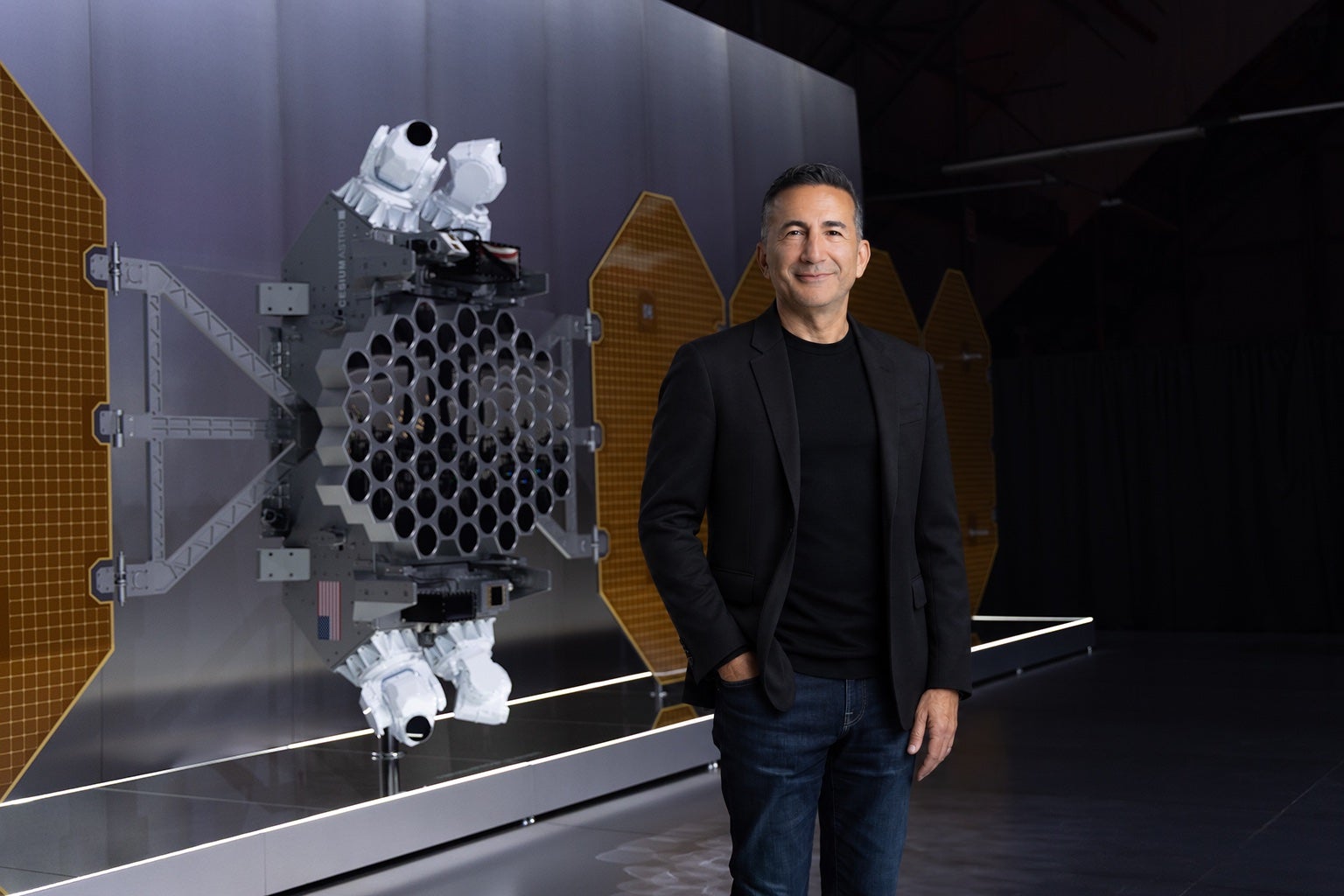
ULA said in an October 28 update that its integrated team had improved its understanding of the earlier solid-rocket-booster anomaly and identified several possible contributors. The company said those contributors had been addressed through design and process changes to the nozzle.
This flight is set to use the improved nozzle design. ULA also said it had added inspection procedures intended to support the updated configuration.
The company’s public characterization is that Vulcan is ready to return to flight. The mission will offer a real-world test of that conclusion, particularly because the vehicle’s reliability is important to its customers and to its eligibility for future national-security work.
Amazon Leo gains another launch
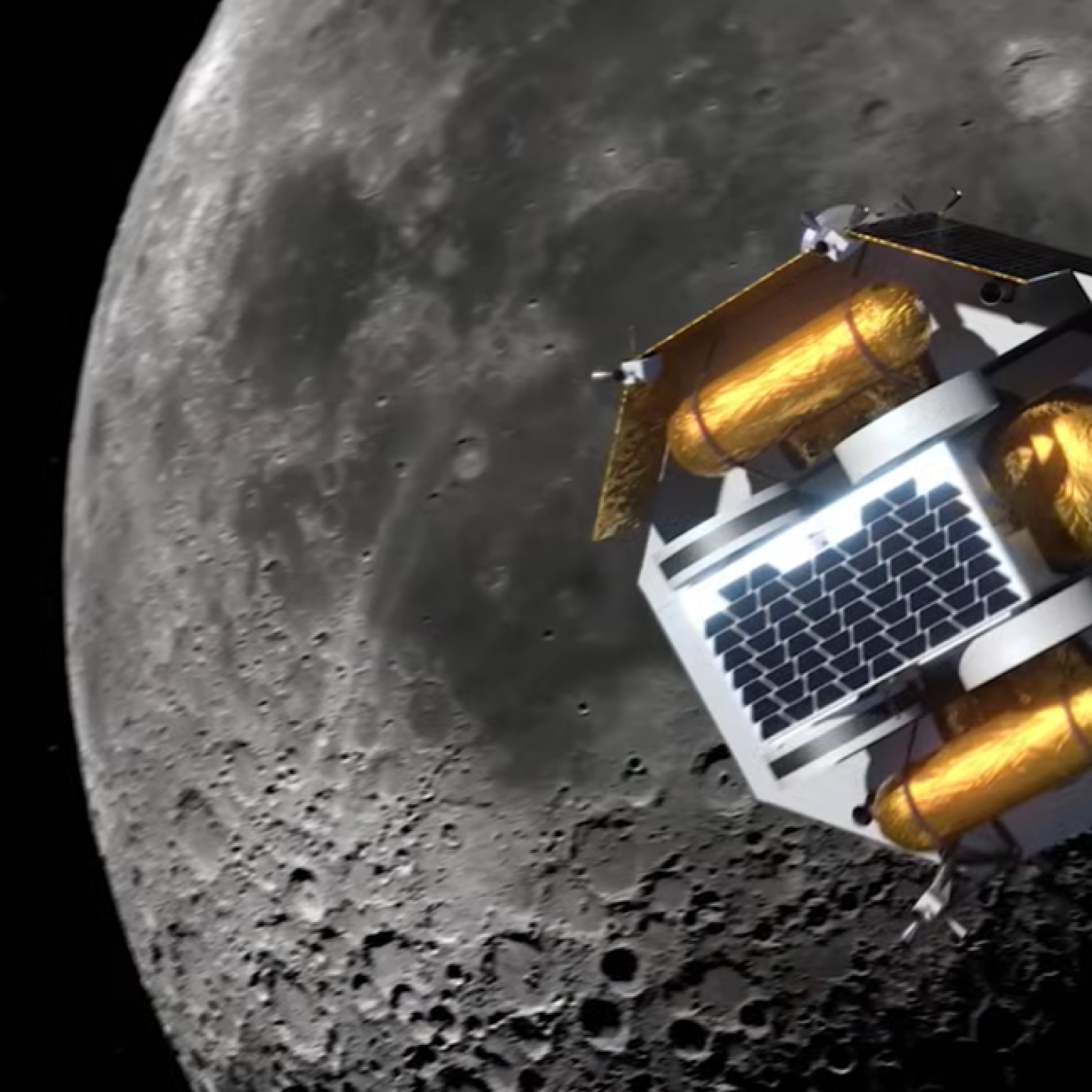
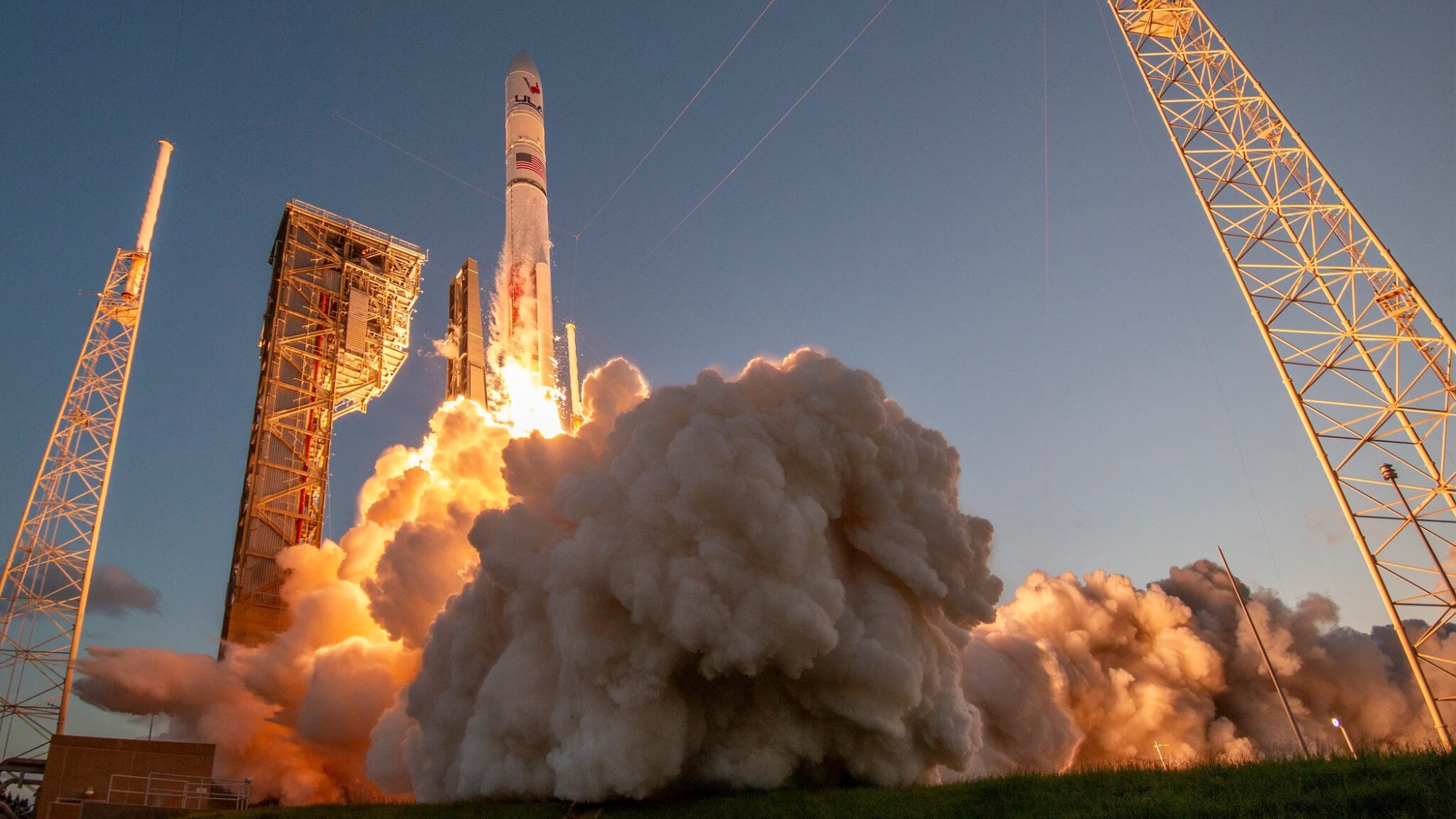
The payload consists of 40 Amazon Leo internet satellites. The deployment is part of Amazon’s effort to build a satellite network designed to provide internet connectivity from low Earth orbit.
For Amazon, each successful launch is a step toward fielding the constellation. For ULA, the mission supplies a commercial payload for its return to service while demonstrating the rocket’s ability to deliver a substantial satellite batch to orbit.
The relationship also illustrates the increasingly competitive market for large satellite constellations. Providers of launch services are competing not only for individual spacecraft missions but for the repeat launches needed to build and replenish networks of many satellites.
Why this flight matters for ULA
Vulcan is central to ULA’s transition away from Atlas V. The newer rocket has been designed to take over missions previously served by Atlas V, including high-value government launches as well as commercial deployments.
That role makes the resolution of the booster issue consequential. The earlier flights demonstrated that Vulcan could still achieve its payload-delivery objective after the nozzle failures, but a launch system intended for regular use must also show that the underlying issue has been understood and mitigated.
The U.S. Space Force’s pause on national-security launches underscores the distinction. Reaching orbit successfully is essential, but mission assurance requires confidence in the vehicle’s systems before it can carry sensitive government payloads on a routine basis.
What to watch at liftoff
The live launch will focus attention on the early phase of flight, when the prior nozzle issues occurred. The source material places those incidents about 30 seconds after liftoff, making the initial climb an especially significant moment for observers assessing the revised hardware.
If the flight proceeds as planned, Vulcan will deploy its Amazon Leo payload and give ULA evidence that its modifications work in operation. It would also restart the cadence of a launch vehicle meant to become the company’s primary successor to Atlas V.
Conversely, any new anomaly would renew questions about the booster system and delay the vehicle’s broader operational role. For now, the mission is a launch, a satellite deployment, and a closely watched return-to-flight test rolled into one.
This article is based on reporting by Space.com. Read the original article.
Originally published on space.com