Starship’s latest test reaches orbit
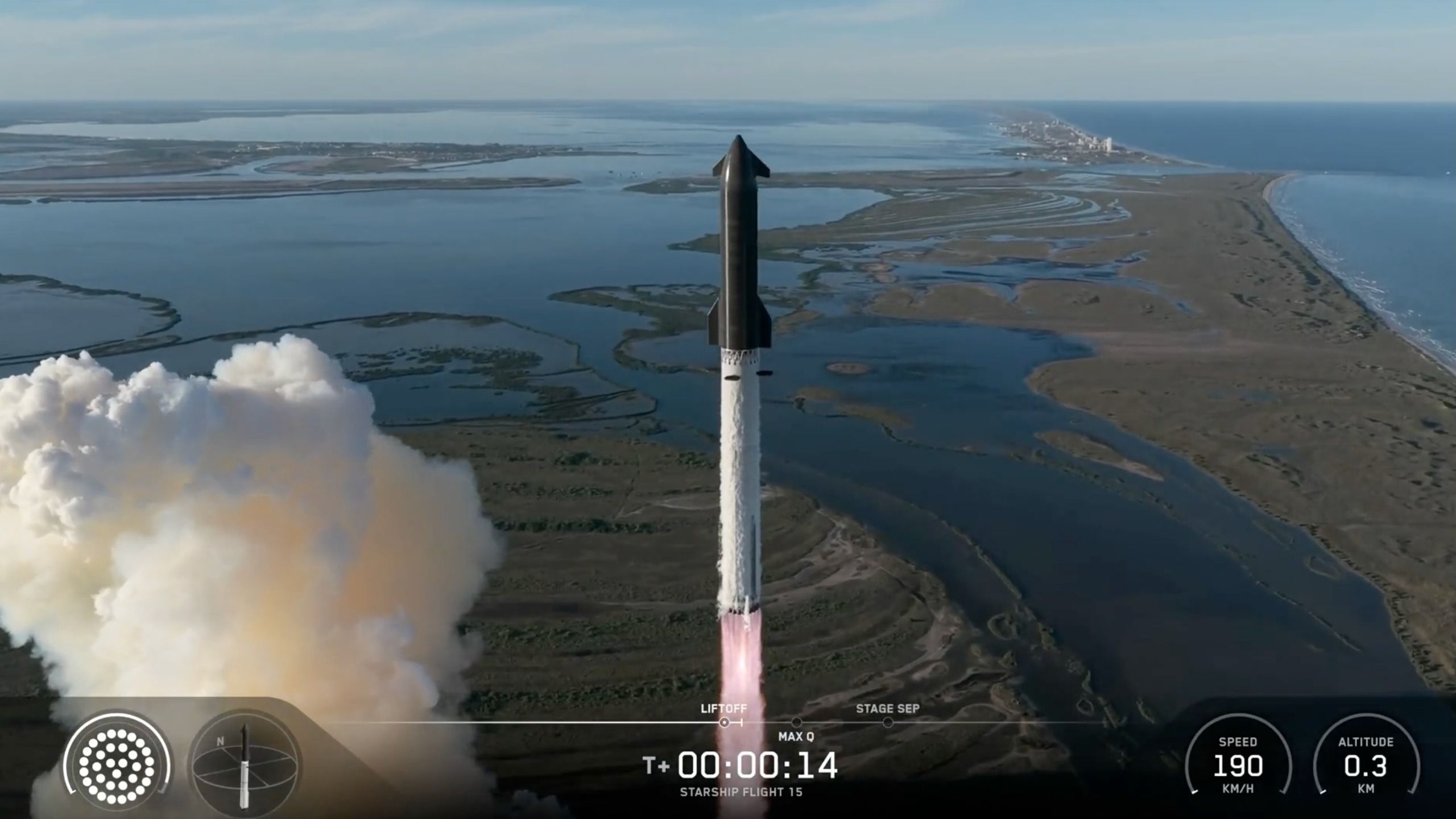
SpaceX launched the 15th test flight of its Starship system from Starbase in South Texas on Nov. 13, sending the Ship upper stage toward low Earth orbit while testing another return sequence for its Super Heavy booster.
Liftoff came at 5:47 p.m. ET, according to Space.com. The rocket cleared the launch tower under the thrust of 33 Raptor 3 engines on the Super Heavy booster. The early ascent proceeded normally, including main engine cutoff on the booster and hot-staging, in which the upper stage begins firing its own engines during separation.
After the vehicles separated, Super Heavy turned toward Starbase for its planned return. Ship continued its climb toward orbit. The flight was framed as an ambitious roughly 22-hour test intended to prepare Ship for a return to the launch site in less than a day.
A planned tower catch did not go ahead
The booster’s recovery was meant to be one of the most consequential parts of the flight. SpaceX had planned to catch Super Heavy using the large mechanical arms on the Starbase launch tower, often referred to as “chopsticks.” Instead, the company canceled the catch attempt and directed the booster to a controlled splashdown in the Gulf of Mexico about six and a half minutes after launch.
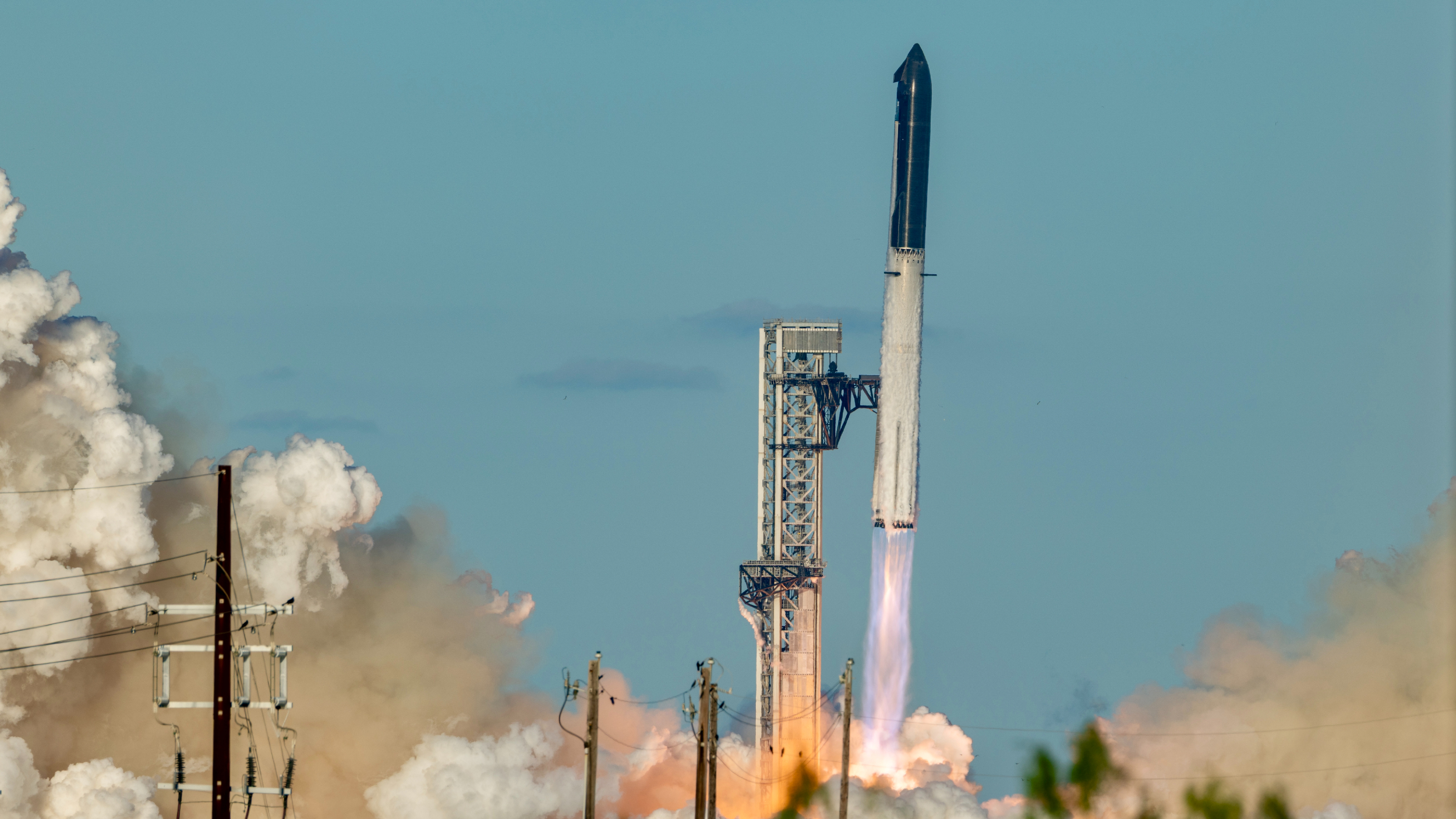
The reason for the aborted catch was not immediately clear in the supplied reporting. That distinction matters: the available account establishes that the catch was called off, but it does not identify a failure or a specific technical cause.
A successful catch would have furthered SpaceX’s effort to make Starship a fully and rapidly reusable launch system. Returning a booster to the tower, rather than landing it on a pad or at sea, is central to the company’s planned operating model for Starbase. It could reduce the hardware and handling required between flights, but it also demands a tightly controlled descent and exact coordination with the launch tower.
What Flight 15 tested
The test also carried significance because it involved a Version 3, or V3, Super Heavy booster. SpaceX began flying that version earlier in 2026. The company had previously recovered three Version 1 Super Heavy vehicles and reused two of them on later flights, according to the report.
That record gives Flight 15 context. The launch was not simply an orbital demonstration; it paired an upper-stage orbital mission with a booster-recovery objective and a prospective near-term Ship return. Each element is part of the broader question SpaceX is trying to answer: whether the enormous two-stage vehicle can be operated repeatedly, with turnaround times that support frequent launches.
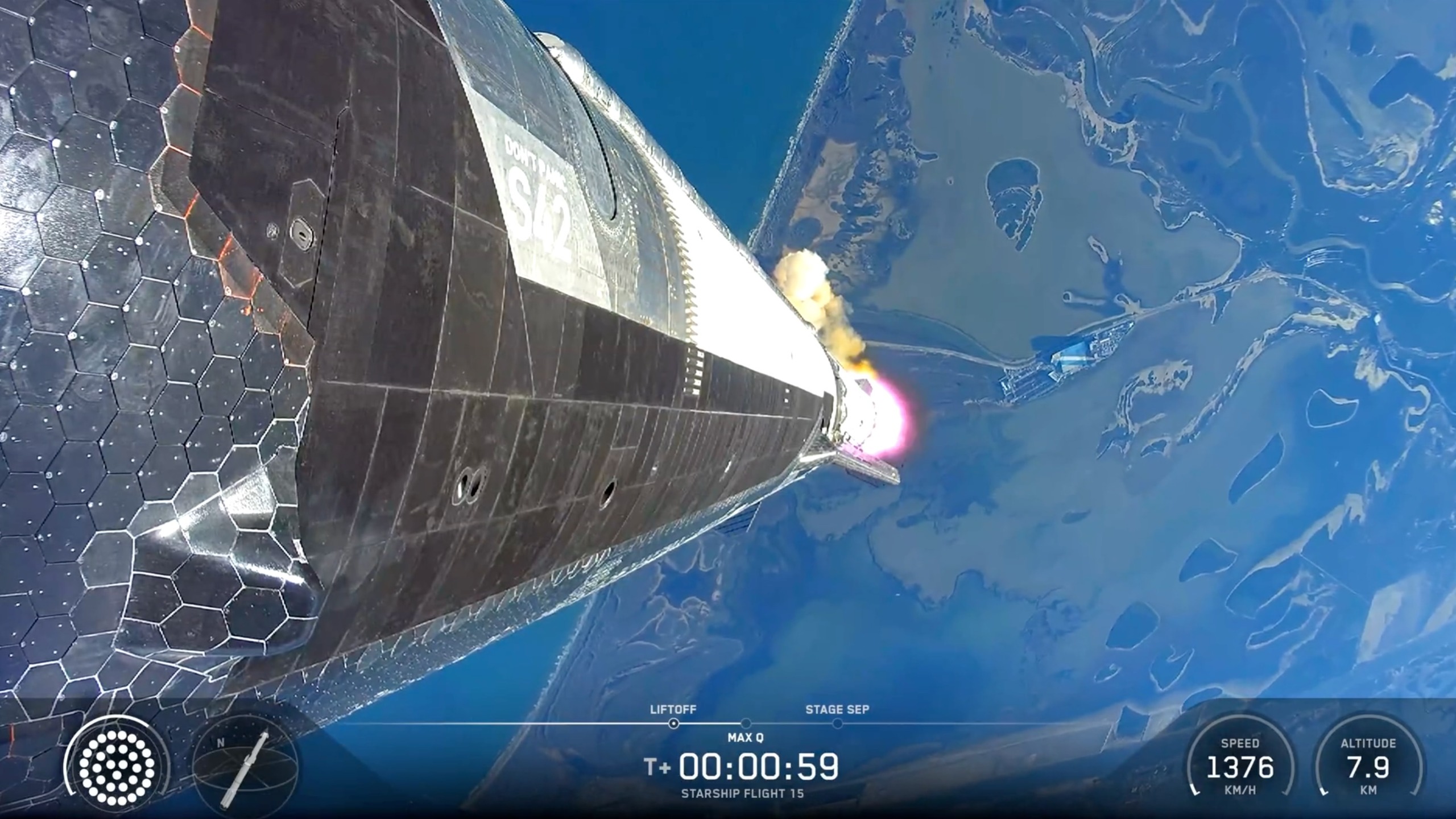
For this flight, the answer was mixed but meaningful. The rocket’s ascent, stage separation and progression toward orbit were reported as nominal. The booster, however, did not complete the targeted tower-catch demonstration. Its controlled Gulf splashdown preserved a planned end-of-flight path after the catch was abandoned.
Why the result matters
Starship’s development program is built around iterative flight tests, where individual objectives can be attempted while later tests incorporate lessons from earlier ones. A canceled catch therefore does not erase the value of an orbital ascent or a controlled booster descent. But it leaves a major reusability milestone unfinished.
The next closely watched objective is the upper stage’s return. SpaceX was preparing Ship for what the report described as its first potential return to the launch site in less than 24 hours. If attempted, that would extend the company’s push beyond getting Starship to orbit and toward demonstrating the recovery operations required for frequent reuse.
Flight 15 showed both the progress and the remaining difficulty in that effort. SpaceX got Starship through its initial ascent and toward orbit, but the tower-catch plan for the V3 booster was set aside. The next tests will determine how quickly the company can turn that aborted recovery attempt into a completed one.
This article is based on reporting by Space.com. Read the original article.
Originally published on space.com