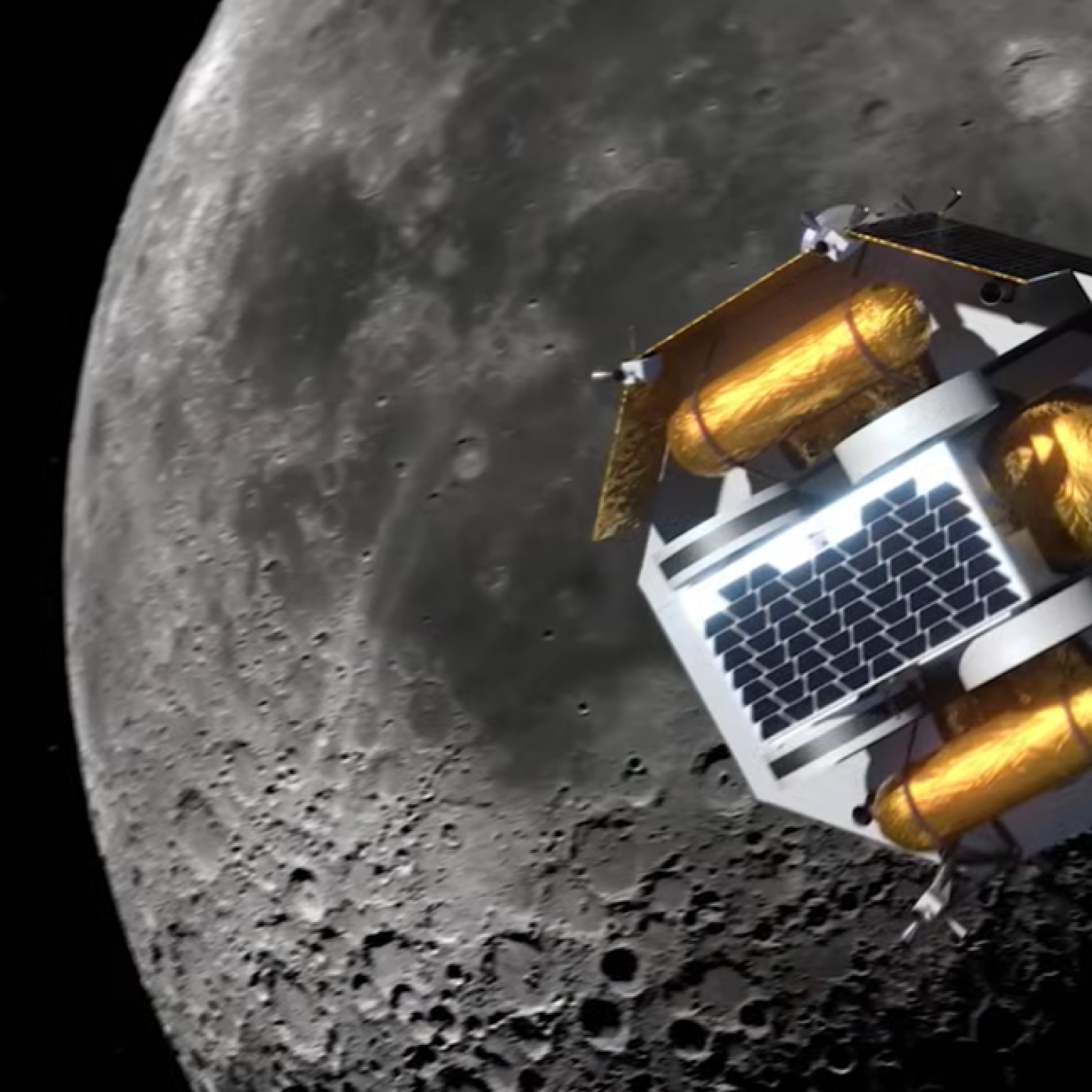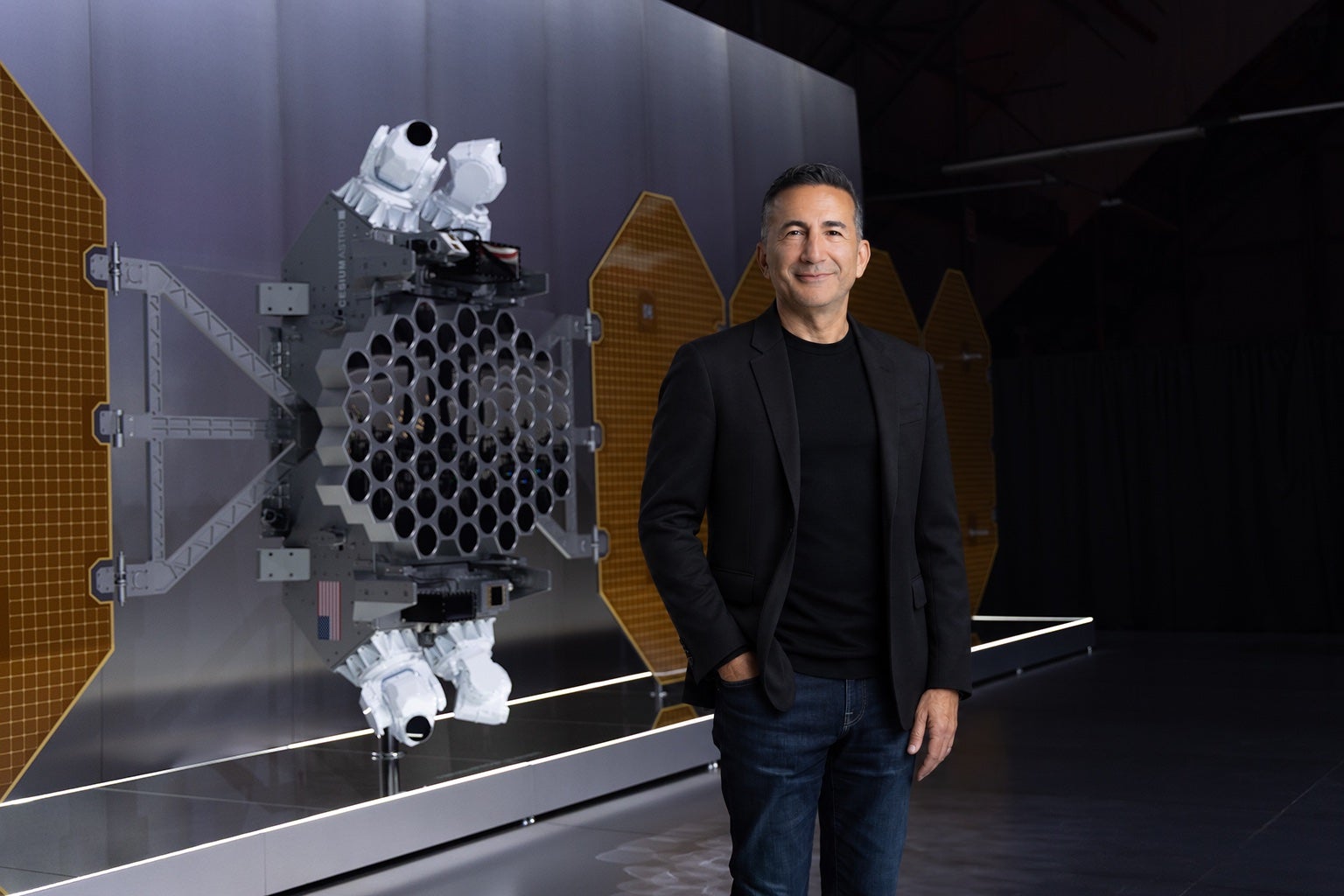
CesiumAstro has joined the Commercial Space Federation as an associate member, adding a fast-growing supplier of satellite communications, computing and defense-oriented space systems to a trade group focused on the U.S. commercial space economy.
The membership announcement is not itself a launch contract or regulatory decision, but it arrives as CesiumAstro expands its capital base, manufacturing footprint and ambitions in low Earth orbit. The company recently disclosed a $730 million Series D financing round that values it at more than $4.5 billion, according to the federation announcement. It has also outlined Synchronicity, a planned 737-satellite constellation described as AI-enabled.
A communications company moves deeper into the space-policy conversation
Commercial Space Federation members work on issues that influence how companies build and operate in orbit, including market development, government procurement and the policy conditions needed for commercial services. CesiumAstro is joining the group’s Commercial LEO Council, an indication that its interests extend beyond individual payload or spacecraft contracts to the broader rules and economics of orbital infrastructure.
Josh Ingersoll, CesiumAstro’s director of spectrum and regulatory affairs, said the company plans to bring its communications expertise to that work. In the statement, he pointed to the need for reliable communications and a path from technology development into operations in low Earth orbit. He also cited policies that encourage investment, expand government use of commercial services and support next-generation space infrastructure.
Those priorities matter because satellite systems do not operate in isolation. Communications architectures depend on spectrum access, compatible ground infrastructure, launch availability, manufacturing capacity and customers willing to buy services at scale. For companies pursuing large constellations, the policy environment can shape deployment schedules and business models as much as hardware performance does.
What CesiumAstro says it builds
CesiumAstro describes its business as full-stack and multi-mission, spanning satellites, high-performance communications payloads and advanced computing systems. Its stated markets include commercial, government and national-security missions. The company says it designs, manufactures and tests products in-house, with facilities certified to AS9100D and ISO 9001:2015 standards.
That combination places it at the intersection of several active space-industry trends: more capable satellite payloads, onboard computing, proliferated constellations and closer technical links between civil and defense programs. Rather than presenting itself solely as a satellite operator, CesiumAstro is positioning around the components and systems that enable data to move, be processed and be used across missions.
The announcement says the company is headquartered near Austin, Texas, and has additional operations in Colorado, California, Washington, D.C., Florida, the United Kingdom, Germany, Singapore, Taiwan and Japan. Such a footprint reflects the increasingly international supply, customer and regulatory networks behind the commercial space sector.
Capital, acquisitions and constellation plans
The reported Series D funding is intended to support advanced technologies, expanded U.S. manufacturing capacity, next-generation spacecraft development and production, deployment of the Synchronicity constellation, and international growth. Financing on that scale gives a company more room to invest ahead of revenue, but it also raises execution demands: satellite systems must be manufactured consistently, deployed on schedule and supported through their operating life.
CesiumAstro has also made three acquisitions in the past 12 months, according to the announcement: Jariet Technologies, 1Aardvark and Vidrovr. The company says the deals strengthen its capabilities in semiconductor technology, mission software and artificial intelligence. Together with its in-house manufacturing claims, the acquisitions suggest a strategy of controlling more of the technology stack used to build and operate advanced space systems.
Synchronicity is the most consequential item in the company’s stated plans. A 737-satellite network would move CesiumAstro from being primarily a supplier of systems and payloads toward a direct role in operating large-scale orbital infrastructure. The announcement does not provide a deployment timetable, service specifications, launch arrangements or regulatory milestones for the constellation, so those elements remain unspecified in the supplied information.
Why the federation membership is notable
Trade-group membership can be easy to dismiss as a corporate formality. In this case, it provides a useful marker of where CesiumAstro sees its next challenges. The company is investing in technologies and a planned constellation whose success will depend on industry-wide questions: access to spectrum, demand for commercial services, manufacturing scale and the relationship between government missions and private operators.
The Commercial Space Federation said CesiumAstro’s arrival strengthens its diverse membership and its effort to advance a competitive, innovative and sustainable U.S. commercial space economy. For CesiumAstro, participation gives it another venue to press for the conditions it says are needed to turn communications and computing hardware into durable space services.
Its funding, acquisitions and constellation proposal make the company more than a new association member. They make it a company to watch as the commercial space sector tests whether increasingly capable satellite networks can move from ambitious plans to reliable operations.
This article is based on reporting by SpaceNews. Read the original article.
Originally published on spacenews.com