NASA has outlined additional contract activity and infrastructure planning for its proposed Moon Base while acknowledging that the near-term schedule for commercial lunar deliveries has slipped. The update, delivered during the agency’s MAX POWER event at Kennedy Space Center, paired a longer-term vision for a sustained lunar presence with a more immediate reminder of the difficulties of getting commercial spacecraft to the Moon.
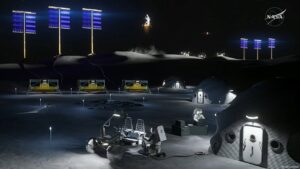
According to Space Policy Online, NASA said billions of dollars had been awarded or would soon be awarded for cargo landers, a nuclear-powered lunar rover, launch and transportation services, and architecture and infrastructure capabilities. The agency is pursuing a Moon Base at the lunar south pole, beginning with commercial robotic landers, rovers and support systems including communications and solar and nuclear power.
Infrastructure moves to the center of the lunar plan
The Moon Base update featured NASA Administrator Jared Isaacman, Moon Base Program Manager Carlos García-Galán, Science Mission Directorate head Nicky Fox and Dayna Ise, acting director of the program’s Utility and Infrastructure Office.
The stated focus shows how NASA’s lunar ambitions extend beyond individual missions. A durable outpost would depend on the ability to deliver cargo, move people and equipment, generate power, communicate reliably and establish common infrastructure. The agency’s announcements covered elements in each of those areas, including a nuclear-powered rover and contracts tied to transportation and infrastructure capabilities.
NASA’s broader plan follows the Artemis II mission around the Moon in April and its stated intention to return American astronauts to the lunar surface in 2028. At an event in March, Isaacman presented the longer-term Moon Base vision, centered on the south pole and commercial participation.

The lunar south pole is a strategically important destination in NASA’s plans, but a base there would require a substantial logistics network before it could support regular human activity. The announced contracts and task orders are intended to advance that network through commercial landers, rovers and supporting systems.

Commercial delivery remains a central mechanism
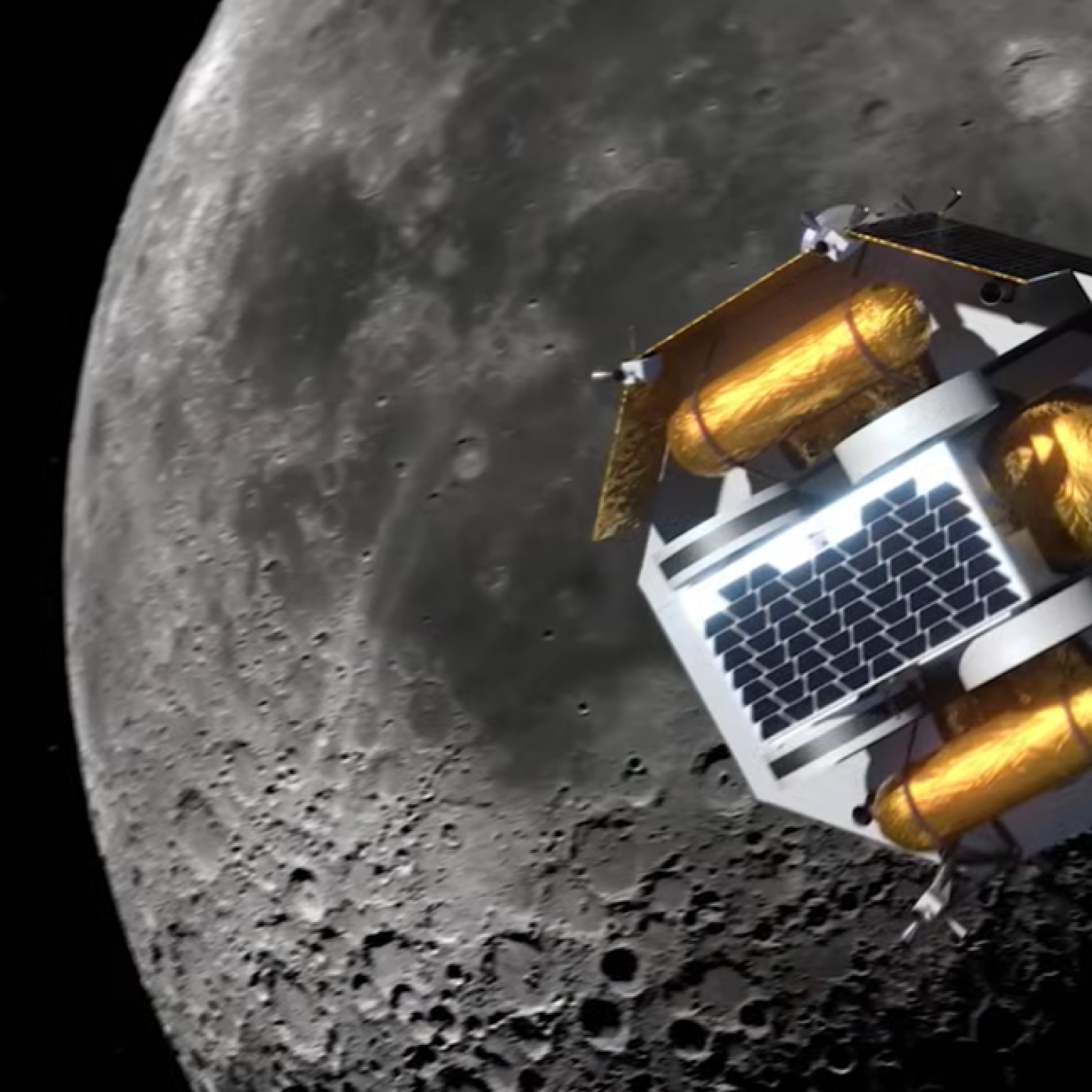
A major component of the strategy is NASA’s Commercial Lunar Payload Services program, or CLPS. Started in 2018, CLPS has NASA buy delivery services from companies that design, build and launch lunar landers. The companies are expected to build their business case by attracting customers beyond NASA.
The program has already shown both the promise and the risk of this model. Of the first four launched missions described in the report, one Astrobotic mission did not reach the Moon. Two Intuitive Machines landers reached the lunar surface but tipped over, preventing all objectives from being met. Those outcomes underline the technical challenge NASA and its commercial providers still face as they seek to turn lunar delivery into a repeatable service.
Commercial landers are nevertheless central to the Moon Base concept. They provide a route for sending scientific instruments, testing technologies and delivering equipment ahead of astronauts. A base strategy that relies on repeated cargo delivery needs those missions to become more dependable over time.
Near-term launches are slipping
The new contract news came with an important schedule change. The three CLPS missions that had been expected to launch in 2026 have all slipped to 2027, Space Policy Online reported. The report also said expectations for another 10 missions in 2027 would now wait until 2028.
The delay does not alter NASA’s stated commitment to the Moon Base effort, but it compresses none of the work required to establish a functioning lunar supply chain. Cargo delivery, rover operations, power systems and communications infrastructure all depend on spacecraft completing demanding missions to the lunar surface.
For NASA, the update therefore contains two parallel messages. The agency is advancing a broad procurement and infrastructure agenda for the Moon Base, and it is doing so while the cadence of commercial lunar flights remains uncertain. Both realities will shape the pace at which a south-pole presence can move from planning to operational capability.

Building capability before permanence
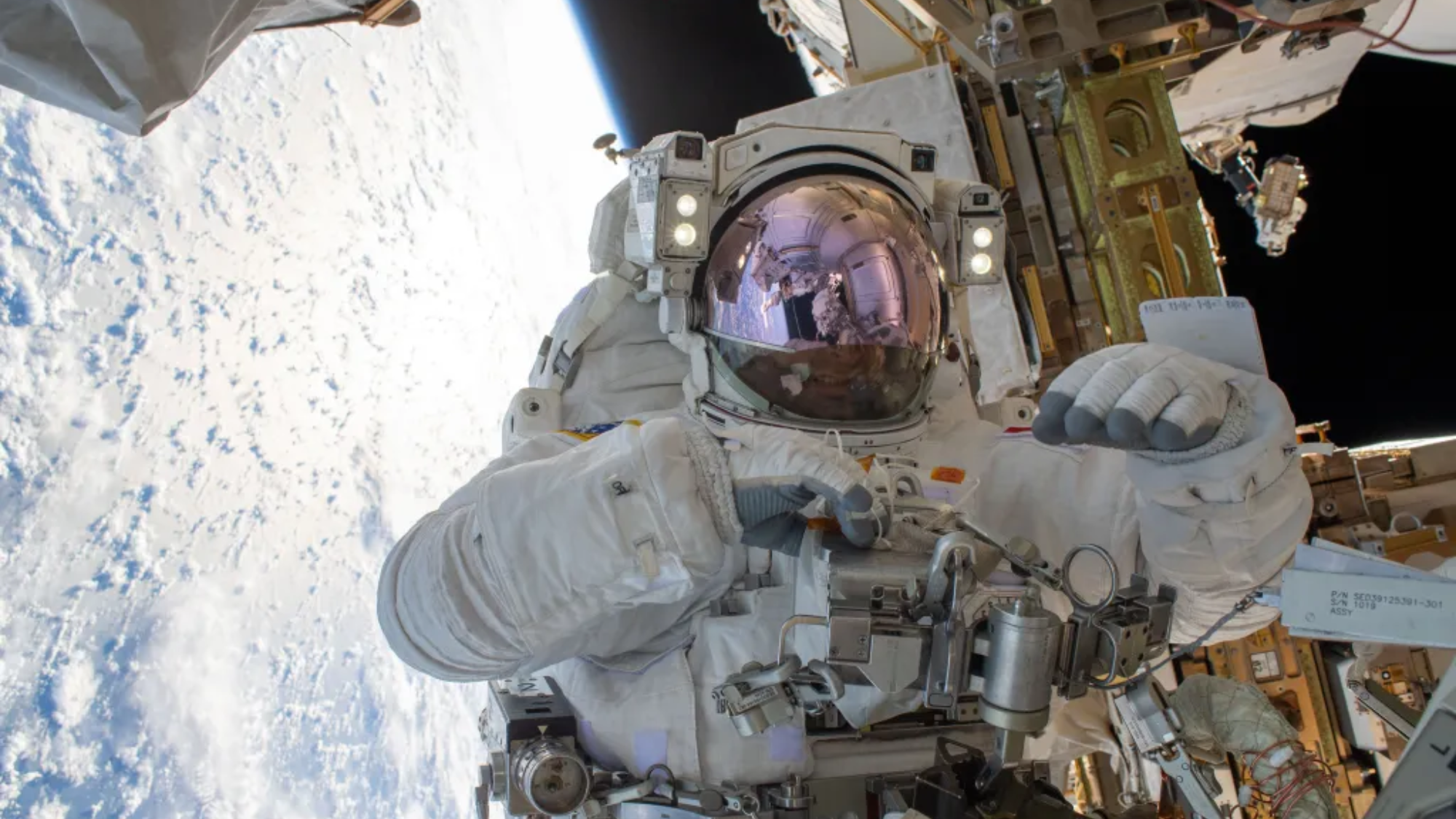
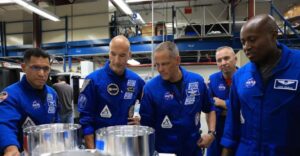
NASA’s announcement also included an opening for applications to its next astronaut class. That detail sits alongside a program built around robotic systems and commercial partners: human lunar exploration will depend on a growing mix of astronauts, cargo landers, rovers, power and communications assets.
The immediate milestones are contracts and task orders, not a completed outpost. Yet the scale of the described awards signals that NASA is treating the Moon Base as an infrastructure program rather than a one-off mission. Whether it achieves that goal will depend in part on how quickly commercial providers can improve launch and landing reliability after the current schedule slips.
This article is based on reporting by spacepolicyonline.com. Read the original article.
Originally published on spacepolicyonline.com