NASA’s Voyager 1 is communicating with Earth again after a brief but unusual silence that underscored the fragility of operating a spacecraft nearly a light-day away. The probe did not respond to routine contacts on October 18 and 19, then its signal returned on October 20 before engineers could send a corrective command.
The interruption lasted about 48 hours. NASA’s Jet Propulsion Laboratory said engineers are still investigating the cause, but the early assessment is that Voyager 1 entered a form of safe mode. One group of thrusters appears to have gone offline and the spacecraft automatically activated its backups.
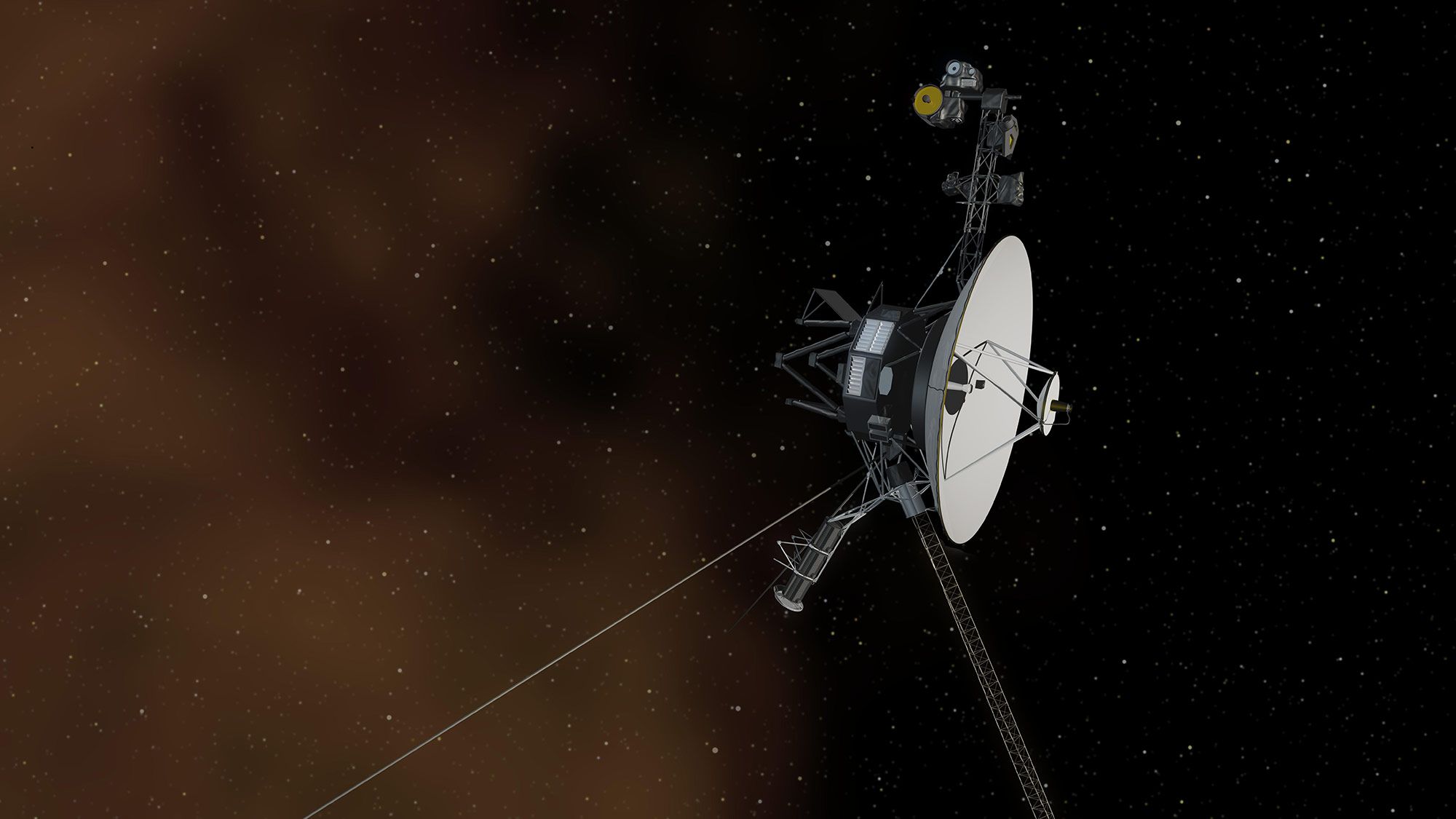
For a mission that began in 1977, the recovery is significant. Voyager 1 is humanity’s most distant spacecraft, operating in interstellar space at a distance where communication itself is slow and every anomaly demands patience.
A problem measured in days, not minutes
Voyager 1 is almost one light-day from Earth. A radio command takes nearly a day to reach the spacecraft, and a reply requires another day to return. The spacecraft is expected to reach the one-light-day milestone on November 18, when it will be about 16.09 billion miles, or 25.89 billion kilometers, from Earth.
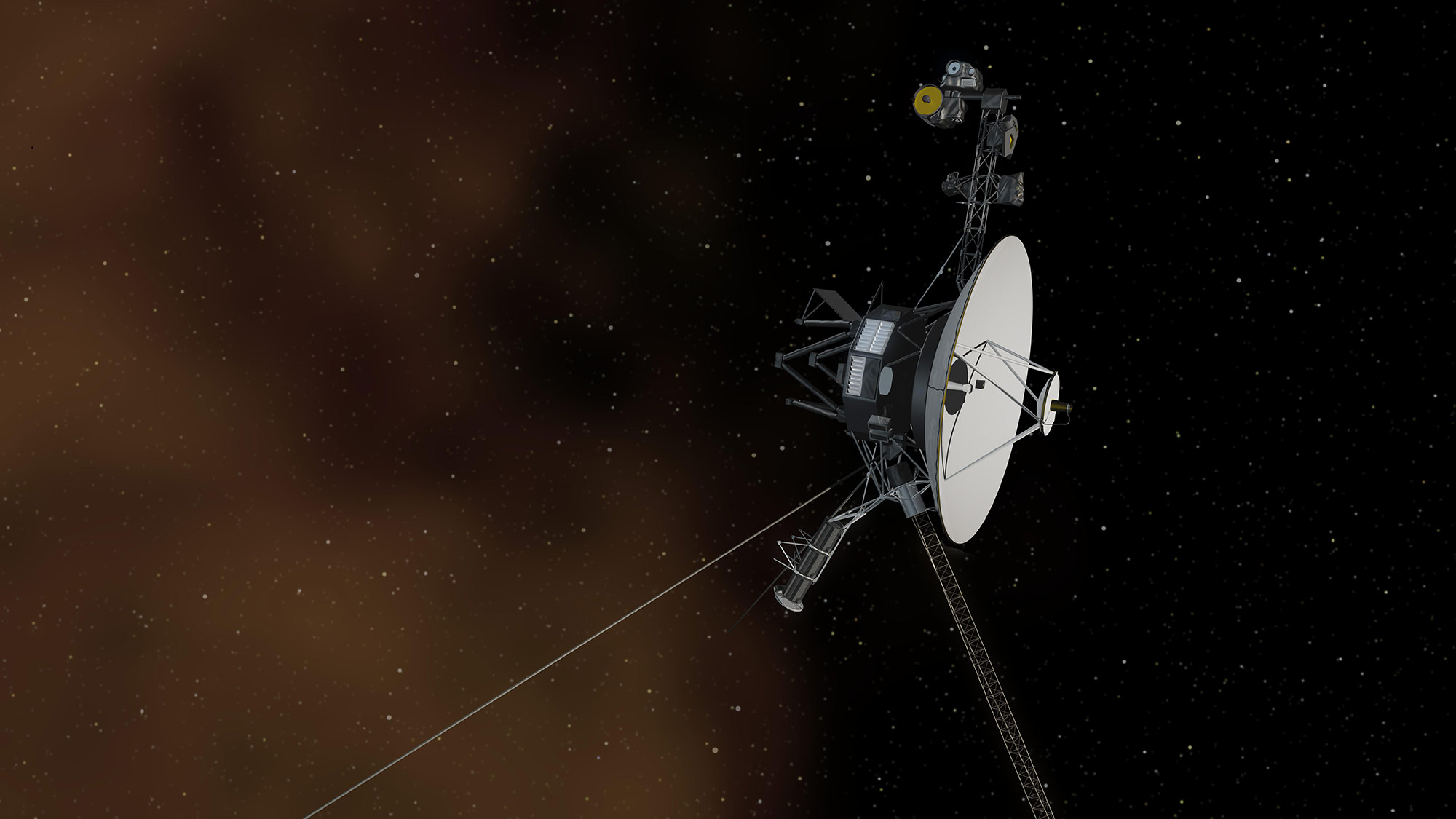
That distance transforms normal troubleshooting. A short outage cannot be addressed through immediate back-and-forth commands. By the time engineers receive evidence of a problem, any instruction they send will take many hours to arrive, and confirming its result takes another long wait.
NASA’s Deep Space Network uses three antenna complexes to check on the probe. During the October incident, Voyager 1 did not answer the October 18 and 19 check-ins. The signal’s return on October 20 meant the spacecraft had resolved the immediate communications issue without waiting for intervention from the ground.
An automatic shift to backup hardware
The thruster change appears to have been central to the event. Voyager 1 carries active and backup systems, and its computers are programmed to make a swap if they detect a problem with the active thrusters. NASA said one group of thrusters went offline and the backups turned on.
That autonomous behavior is particularly important for a distant spacecraft. A probe that can identify a fault and shift to redundant hardware may preserve communications and spacecraft control long enough for engineers on Earth to understand what happened.
NASA described the event as something the mission has not previously seen. The agency’s Voyager mission manager said the spacecraft is at a stage where the team has to expect unexpected behavior. That is a realistic operating condition for a vehicle that has been flying for nearly five decades, far beyond its original planetary mission.
A mission built for the solar system, still working beyond it
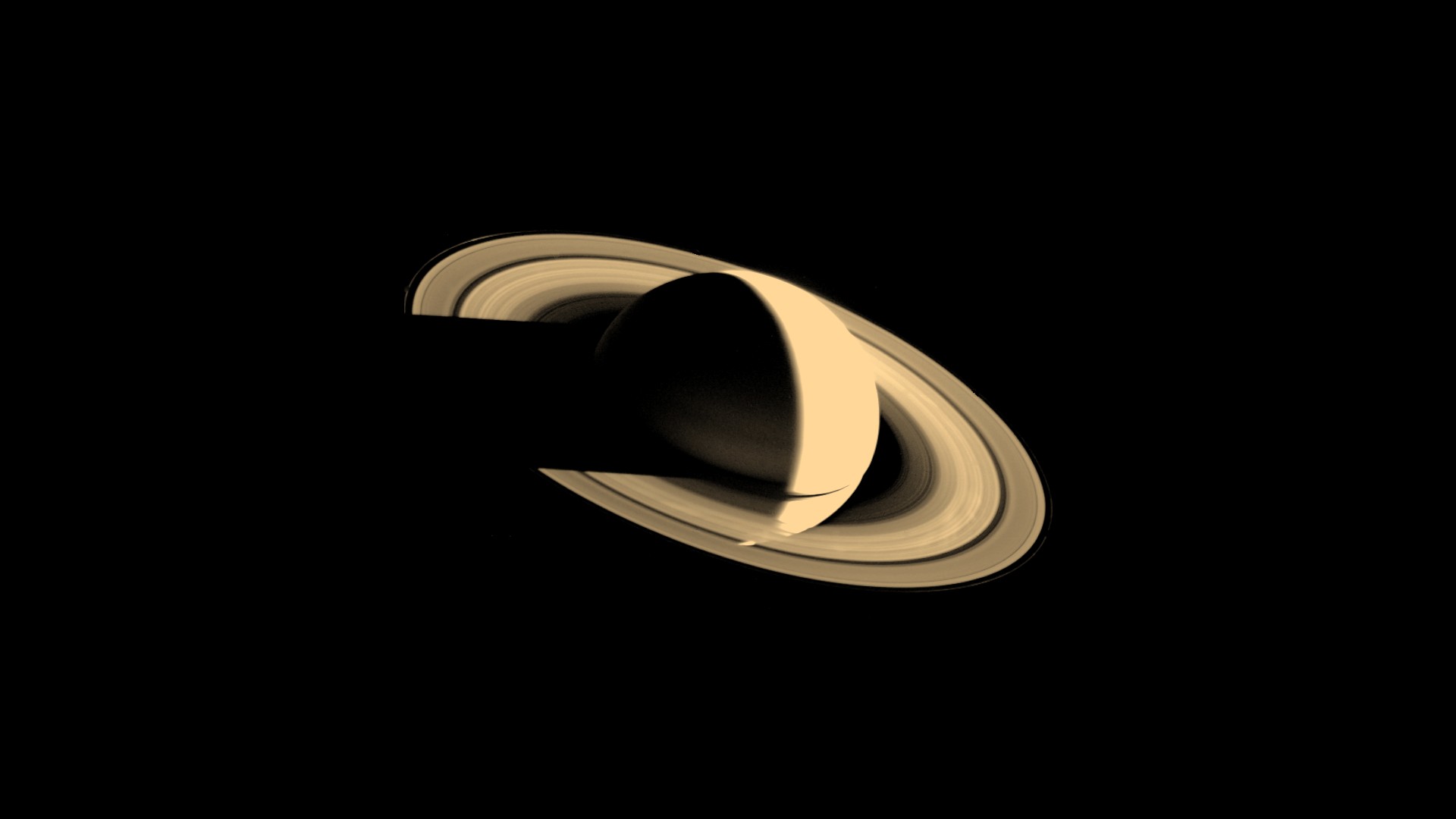
Voyager 1 and Voyager 2 launched in 1977 to explore the outer planets. The two spacecraft took advantage of a rare planetary alignment that enabled a sequence of gravity-assist flybys, allowing them to travel from Jupiter to Saturn and onward through the outer solar system with minimal fuel use.
The mission’s longevity has required repeated adaptation. The probes are now far from the worlds that were their initial targets, yet both remain operational. Voyager 1’s current location in interstellar space makes it an enduring source of information from a region that no other human-made spacecraft has reached at comparable distance.
The October communications lapse does not answer every question about Voyager 1’s condition. Engineers are still investigating why contact was lost and why the automatic switch occurred. But the spacecraft’s return to communication demonstrates that its redundant systems can still function when needed.
As Voyager 1 approaches the light-day milestone, the incident also provides a concise measure of the mission’s challenge. The probe is not simply old; it is old at a distance where each decision, transmission and confirmation unfolds over days. Its brief silence was therefore more than a routine outage. It was a reminder that the longest-running space missions depend on both durable hardware and systems designed to act before Earth can respond.
This article is based on reporting by Space.com. Read the original article.
Originally published on space.com