NASA reopens the question of how to keep Hubble aloft
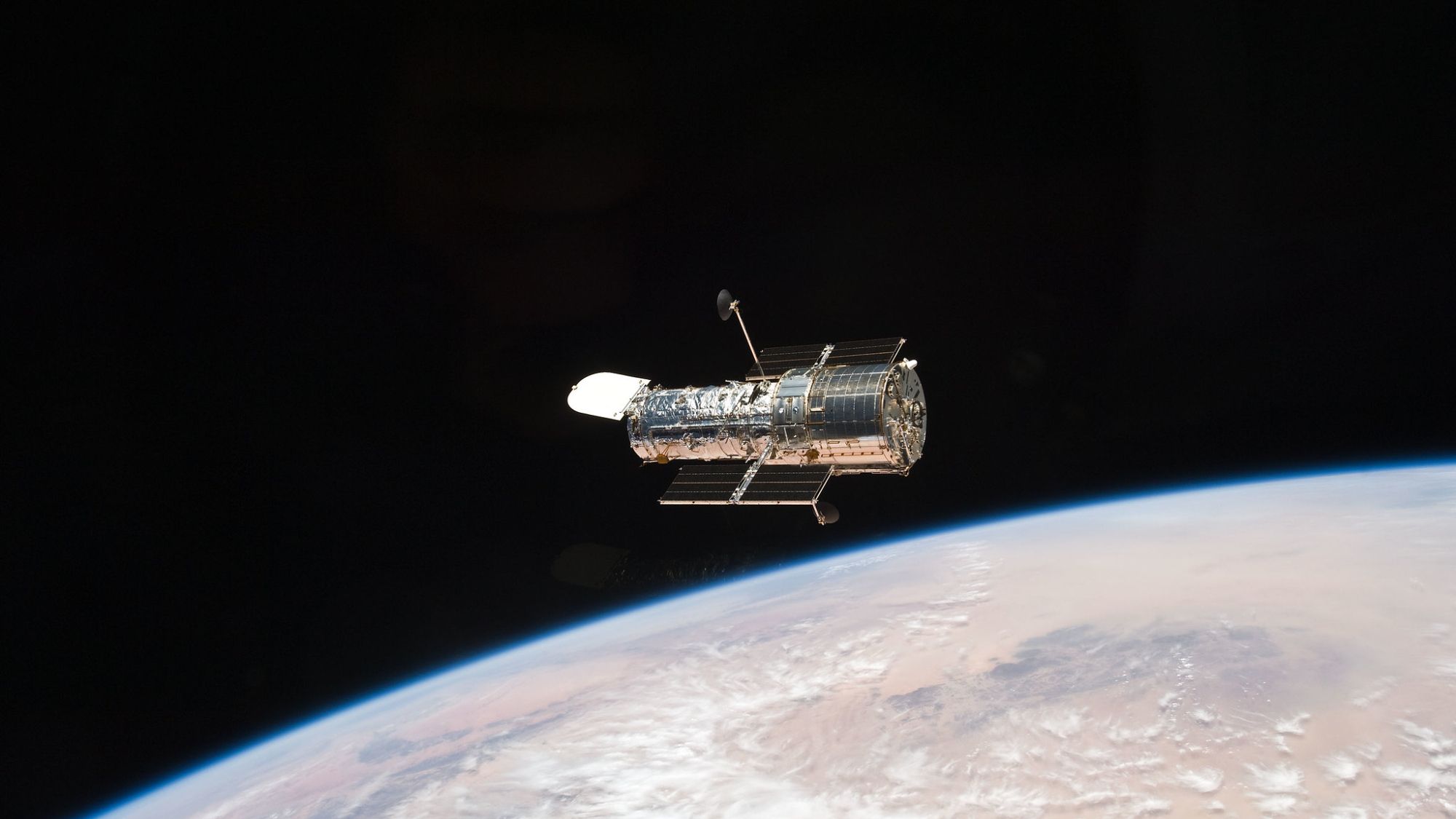
NASA is seeking information from industry on ways to service the Hubble Space Telescope in orbit, reopening a question that has followed the landmark observatory for years: how long can it continue working before its orbit decays too far?
The agency issued a request for information on Oct. 29 for in-space servicing capabilities. The scope could include raising Hubble’s orbit, which is gradually lowering because of atmospheric drag, or a mission that could enhance the telescope’s capabilities. Hubble is operating well, but its current trajectory would lead to atmospheric reentry in roughly six years, according to reporting by Space.com.
The request is not a commitment to fly a rescue mission. It is an effort to understand what industry can offer, the technical approaches available and the potential role of spacecraft that can operate around an aging scientific observatory. Still, the move signals that NASA sees value in examining whether a healthy telescope can remain useful longer than its present orbital lifetime would allow.
An observatory with a unique servicing history
Hubble launched in April 1990 through a partnership between NASA and the European Space Agency. Its longevity is inseparable from the five astronaut servicing missions flown by the space shuttle program. Those missions repaired, upgraded and maintained the observatory, with the final shuttle visit taking place in 2009.
That history makes Hubble unusual among major space telescopes. The observatory was designed with astronaut servicing in mind, and its repairs became defining moments for human spaceflight and space science. The upgrades enabled decades of observations after Hubble’s original optical flaw was corrected and its instruments were repeatedly modernized.
Today, any servicing would take place in a different operational environment. The space shuttle is retired, and NASA’s request focuses on in-space servicing capabilities rather than a return to the astronaut-led missions that maintained Hubble in the past. A future effort could therefore depend on robotic spacecraft, commercial systems or another approach proposed by industry.
Why orbital decay matters
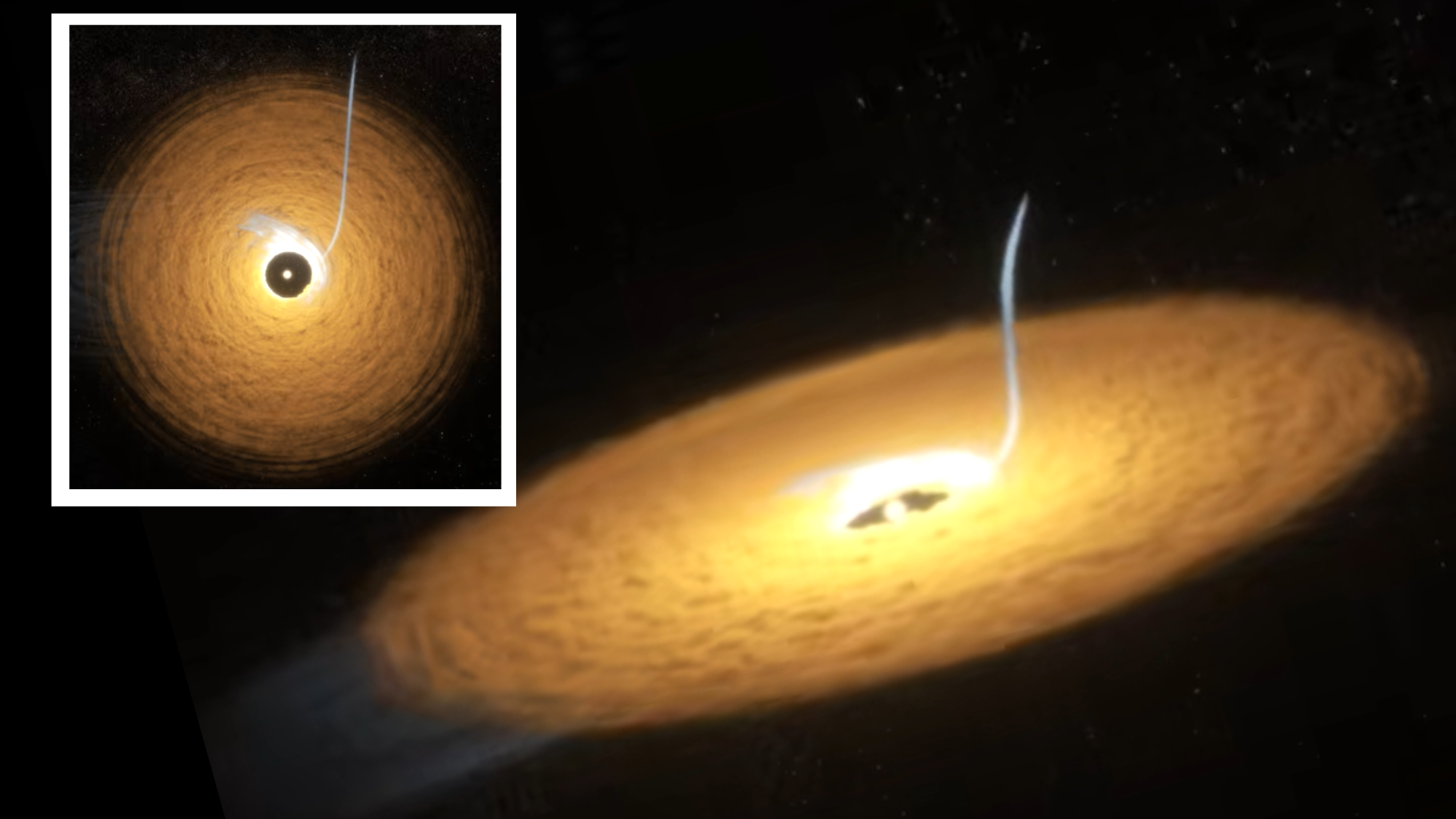
Hubble circles Earth in low orbit, where traces of the atmosphere create drag. That drag steadily lowers the telescope’s altitude. Left unaddressed, the process eventually brings a spacecraft into denser layers of the atmosphere, where reentry becomes unavoidable.
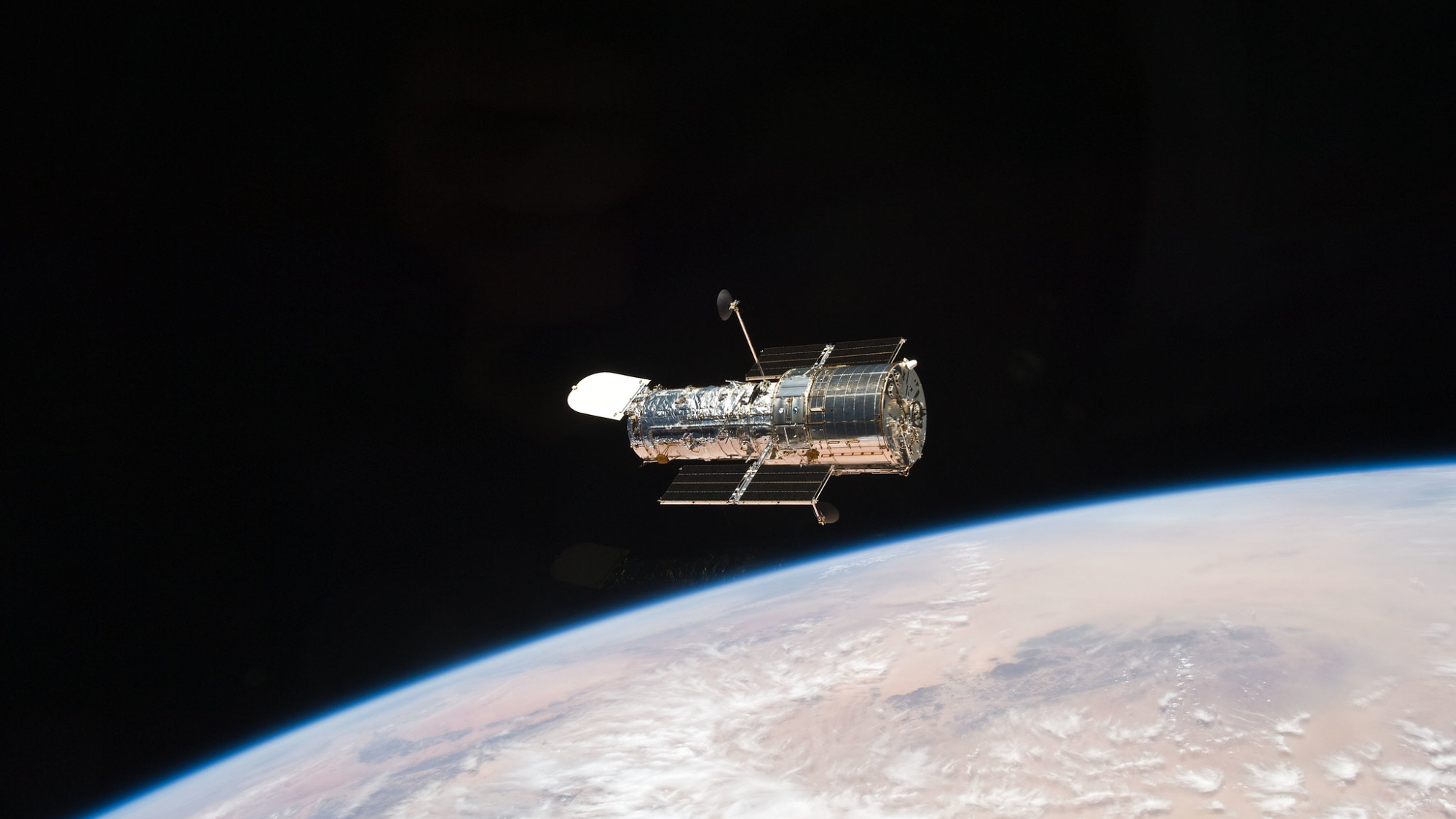
Boosting Hubble into a higher orbit could extend the time available for science. The agency’s request also leaves room for proposals to enhance the observatory, though NASA has not selected a concept or described a specific upgrade package. Any intervention would have to balance potential scientific gains against the risk of approaching, attaching to or maneuvering a spacecraft near an observatory that remains productive.
NASA has considered such tradeoffs before. In 2022, entrepreneur Jared Isaacman proposed a Hubble-servicing mission using SpaceX hardware. NASA declined at the time, citing risks to the healthy telescope. The renewed industry inquiry suggests the agency is again examining whether the changing availability of in-space capabilities alters that calculation.
Hubble remains scientifically valuable
The case for extending Hubble is not simply historical or sentimental. The telescope continues to be heavily used by astronomers. NASA has said researchers request about seven times more observing time than is available each year, an indication that Hubble’s instruments still fill a valuable role in global astronomy.
Its record includes observations that helped establish that the universe’s expansion is accelerating, work connected to a Nobel Prize, as well as discoveries involving planets, stars and galaxies. NASA figures cited by Space.com say Hubble observations have contributed to at least 23,000 scientific papers.
Hubble also works alongside other observatories, allowing scientists to combine measurements at different wavelengths and build a more complete picture of distant objects and changing cosmic events. That ability to complement other telescopes helps explain why the observatory can remain useful even as newer facilities enter service.
- NASA is asking industry for in-space servicing concepts.
- Possible approaches include raising Hubble’s orbit or enhancing its capabilities.
- Hubble remains operational and oversubscribed by the research community.
- No servicing mission has been selected or approved.
What comes next
A request for information is an exploratory step, not a procurement decision. NASA will need to assess proposed concepts, technical feasibility, cost, safety and the scientific value of extending the mission. The central challenge is clear: preserve a productive observatory without creating risks that could end its work prematurely.
For now, Hubble continues its science mission. The new inquiry makes clear that NASA is not treating the telescope’s eventual reentry as the only possible outcome. Whether industry can offer a credible, safe and worthwhile path to extend Hubble’s life is the question the agency has put back on the table.
This article is based on reporting by Space.com. Read the original article.
Originally published on space.com