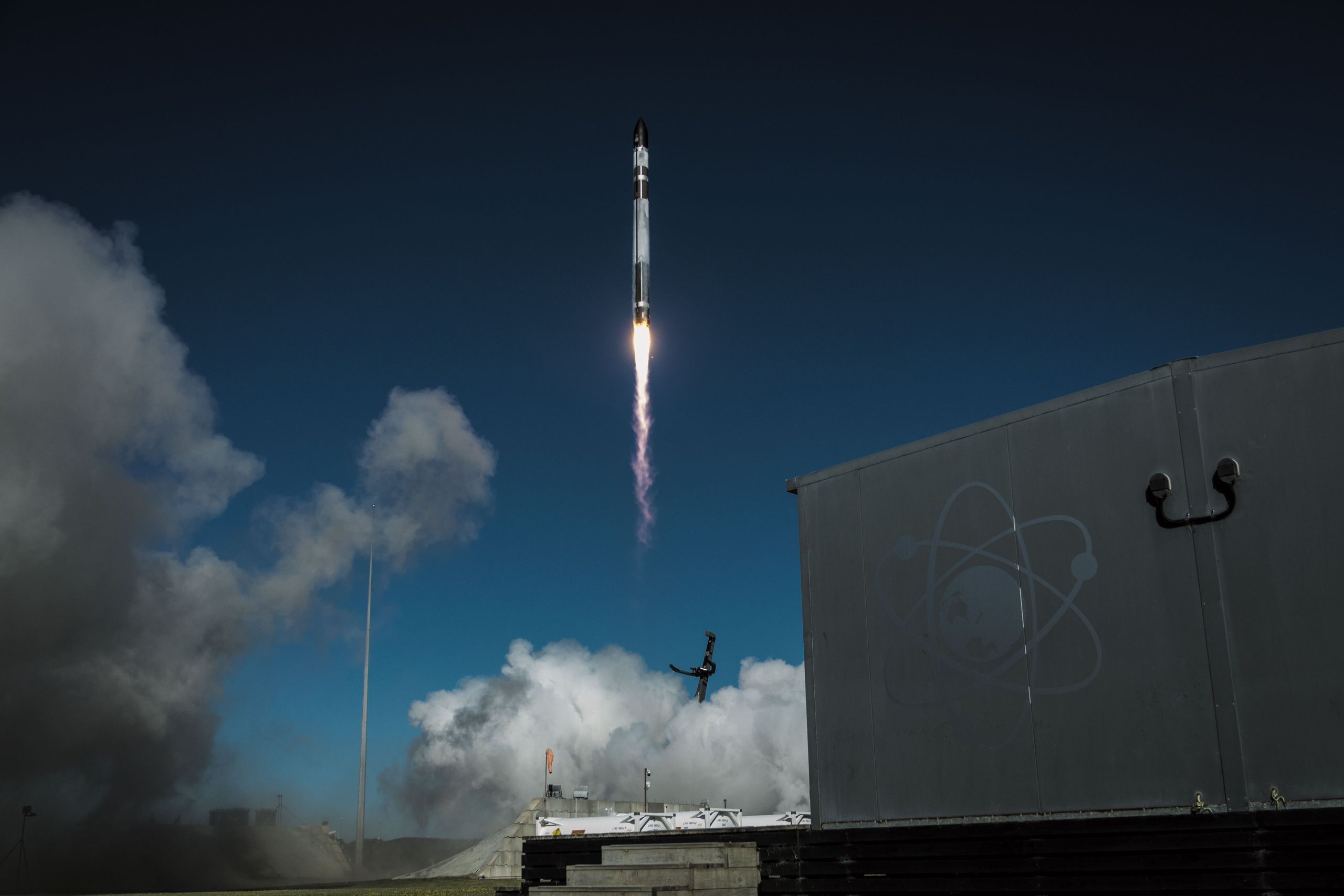
Rocket Lab targets a milestone mission from New Zealand
Rocket Lab is scheduled to conduct its 99th mission with an Electron launch carrying an Earth-observing radar satellite for the Japanese company iQPS. The mission, called “The Sea God Surveys,” is planned from the company’s New Zealand launch site during a window opening at 11:30 a.m. EST on November 2, or 1630 GMT.
For Rocket Lab, the launch is another high-frequency flight for Electron, its two-stage small-satellite rocket. For iQPS, it is part of a larger effort to build a constellation of synthetic-aperture radar, or SAR, satellites in low Earth orbit.
The planned flight illustrates why dedicated small-launch vehicles remain important even as larger rockets carry increasing numbers of satellites on shared missions. A dedicated launch can place a customer’s spacecraft on a schedule and trajectory designed around that mission, rather than around a rideshare manifest.
A radar satellite built for all-weather observation
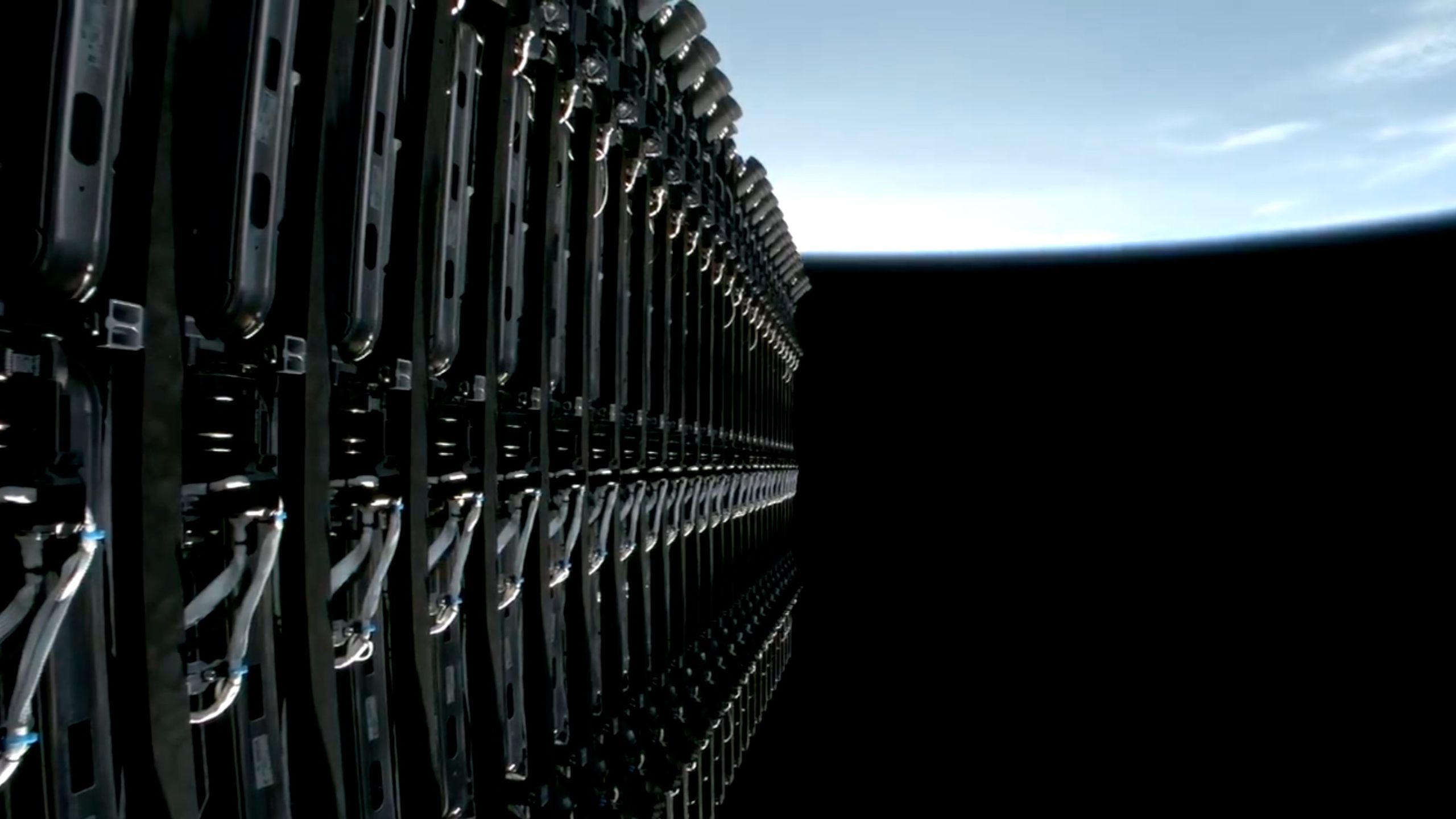
The payload is an Earth-observing satellite for iQPS, a Japanese company developing a constellation of three dozen SAR spacecraft. Unlike optical satellites, which depend on visible-light views of the ground, radar satellites use radar observations. That gives them capabilities that are particularly valuable for monitoring a changing planet.
SAR satellites can observe through cloud cover and can study Earth at night as well as during the day. Those characteristics make radar systems useful when optical imagery is constrained by weather, darkness or persistent cloud. They also explain the continuing demand for radar constellations designed to revisit locations frequently.
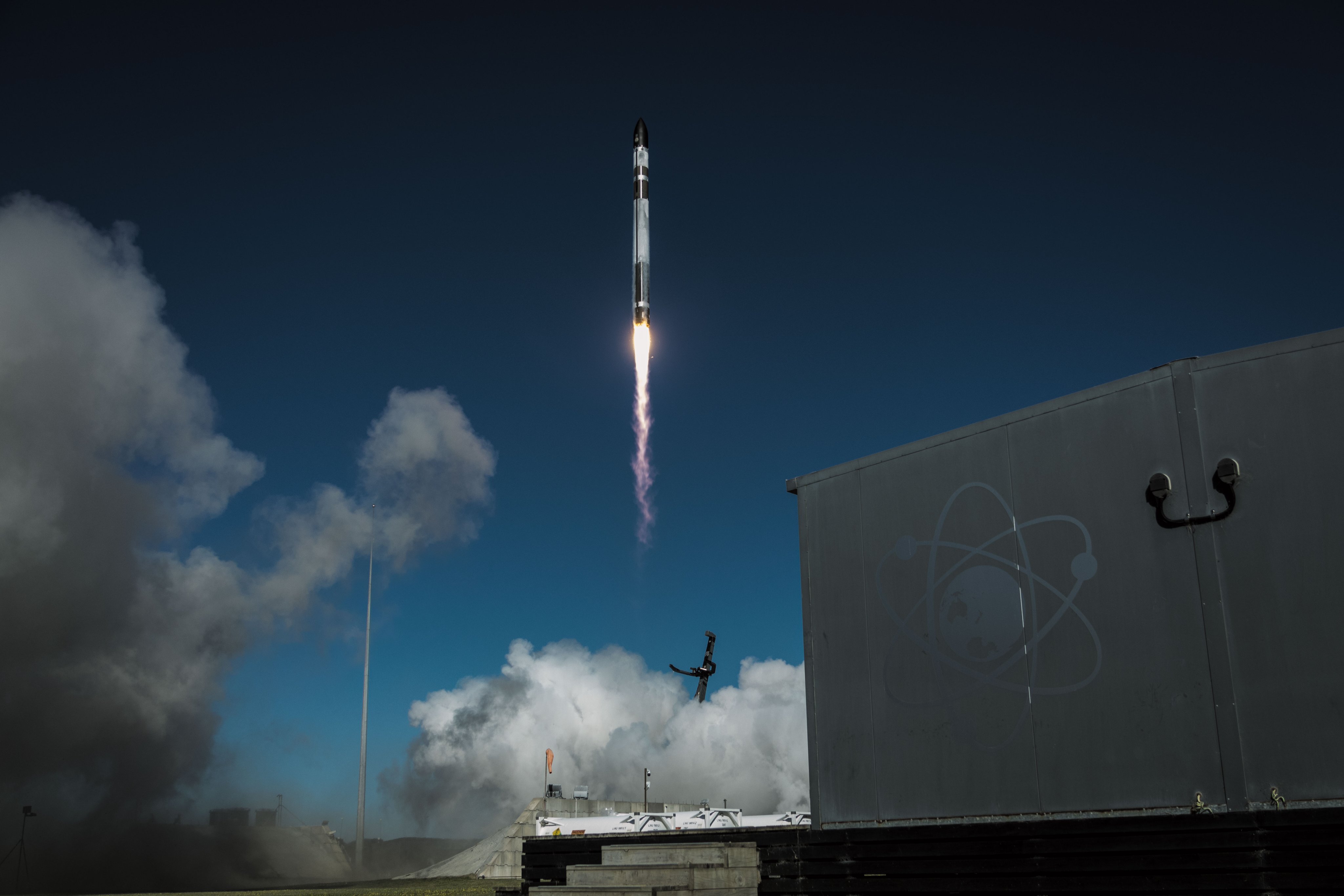
The upcoming flight will be Rocket Lab’s 10th launch for iQPS. That figure signals a sustained relationship rather than a one-off demonstration. Repeated launches are essential to constellation operators because a useful network depends on deploying multiple compatible satellites, not simply proving that a single spacecraft works in orbit.
Electron approaches its 90th flight
The launch is expected to be the 90th flight of Electron, according to the mission preview. The rocket stands 59 feet, or 18 meters, tall and has become Rocket Lab’s workhorse vehicle for delivering small payloads to orbit.
Electron has already flown 16 times this year, underscoring the operational cadence Rocket Lab has built around the vehicle. That cadence is a meaningful measure in commercial spaceflight. A rocket’s design matters, but launch providers also need the manufacturing, range access, mission planning and recovery from prior flights required to turn a vehicle into a repeatable service.
Rocket Lab’s first 98 missions have not all used the orbital Electron configuration. Nine were conducted with HASTE, a suborbital version of Electron. HASTE, short for Hypersonic Accelerator Suborbital Test Electron, is used to test technology in a hypersonic flight environment and generally carries classified payloads. It first flew in June 2023.
A constellation strategy rather than a single mission
iQPS is assembling a 36-satellite SAR constellation in low Earth orbit. A constellation of that scale is intended to create more opportunities to observe the same location than a lone spacecraft could provide. The value of the system will depend on successful deployment and operation across the fleet, but each launch adds infrastructure to that broader objective.
The focus on radar also differentiates the constellation from systems built around optical imagery. Optical satellites can provide intuitive, photograph-like views, but their usefulness can be constrained by clouds and daylight. Radar’s ability to collect observations in darkness and through cloud cover makes it a complementary source of data rather than merely another camera in orbit.
That technical distinction is central to the mission’s significance. The launch is not only a count toward Rocket Lab’s next numerical milestone. It is an incremental deployment of a sensing network designed around conditions where conventional optical observation may be limited.

How to follow the launch
Rocket Lab plans to provide a live broadcast beginning about 30 minutes before liftoff. The schedule is subject to the usual constraints of launch operations, including conditions at the launch site and the readiness of the rocket and payload.
If the mission proceeds as planned, it will mark Rocket Lab’s 99th overall launch and continue iQPS’s campaign to deploy its radar constellation. The result will be watched closely for both reasons: it is a near-term operational test of Rocket Lab’s launch cadence and another step in the expansion of commercial radar observation from low Earth orbit.
The broader space industry increasingly depends on such steady, comparatively routine missions. Major lunar programs and crewed launches may command the largest headlines, but Earth-observation networks are built one satellite at a time. “The Sea God Surveys” is an example of that quieter but consequential work: placing another radar instrument in orbit to expand the ability to observe Earth regardless of clouds or daylight.
This article is based on reporting by Space.com. Read the original article.
Originally published on space.com