A planned milestone launch
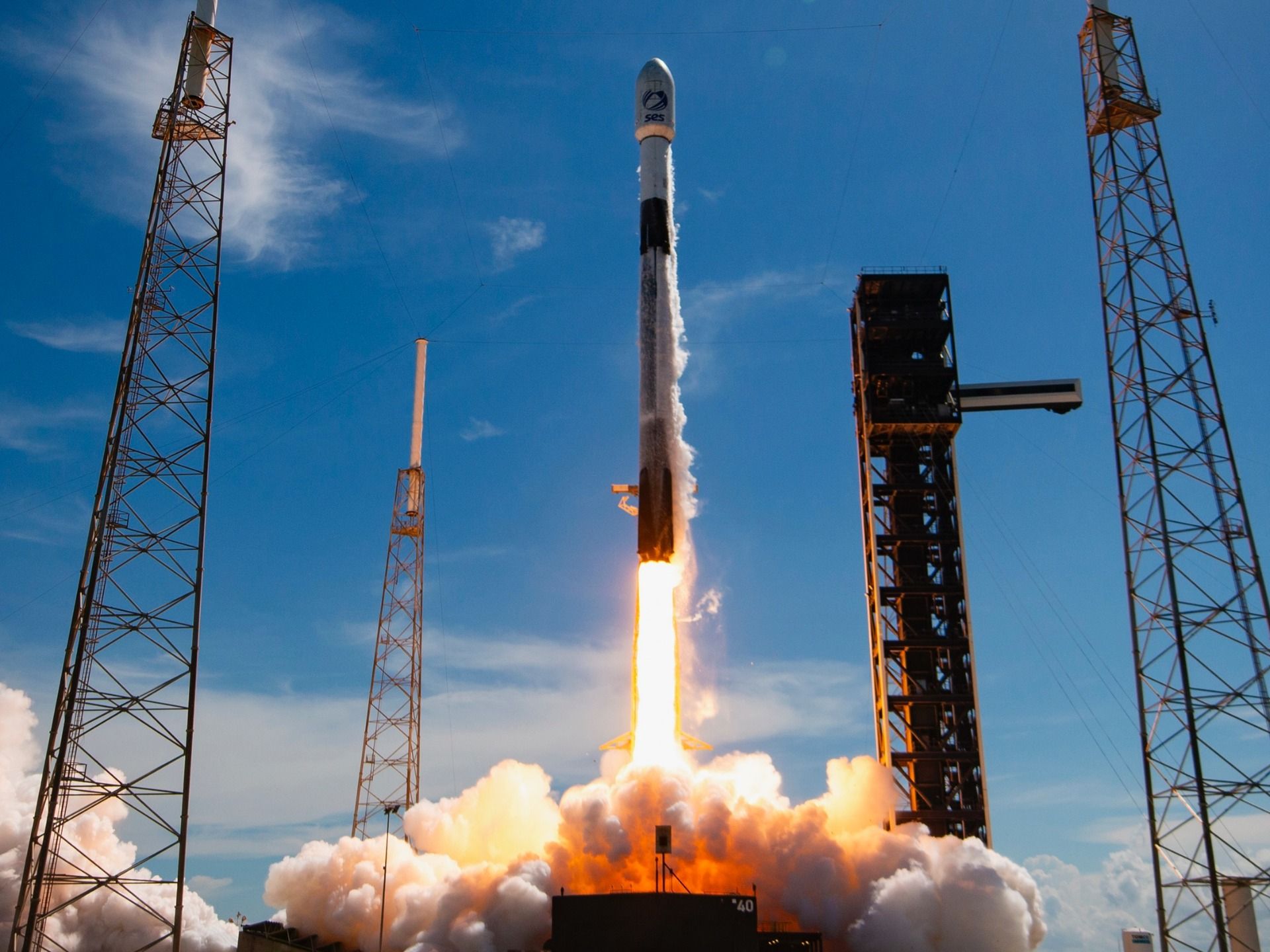
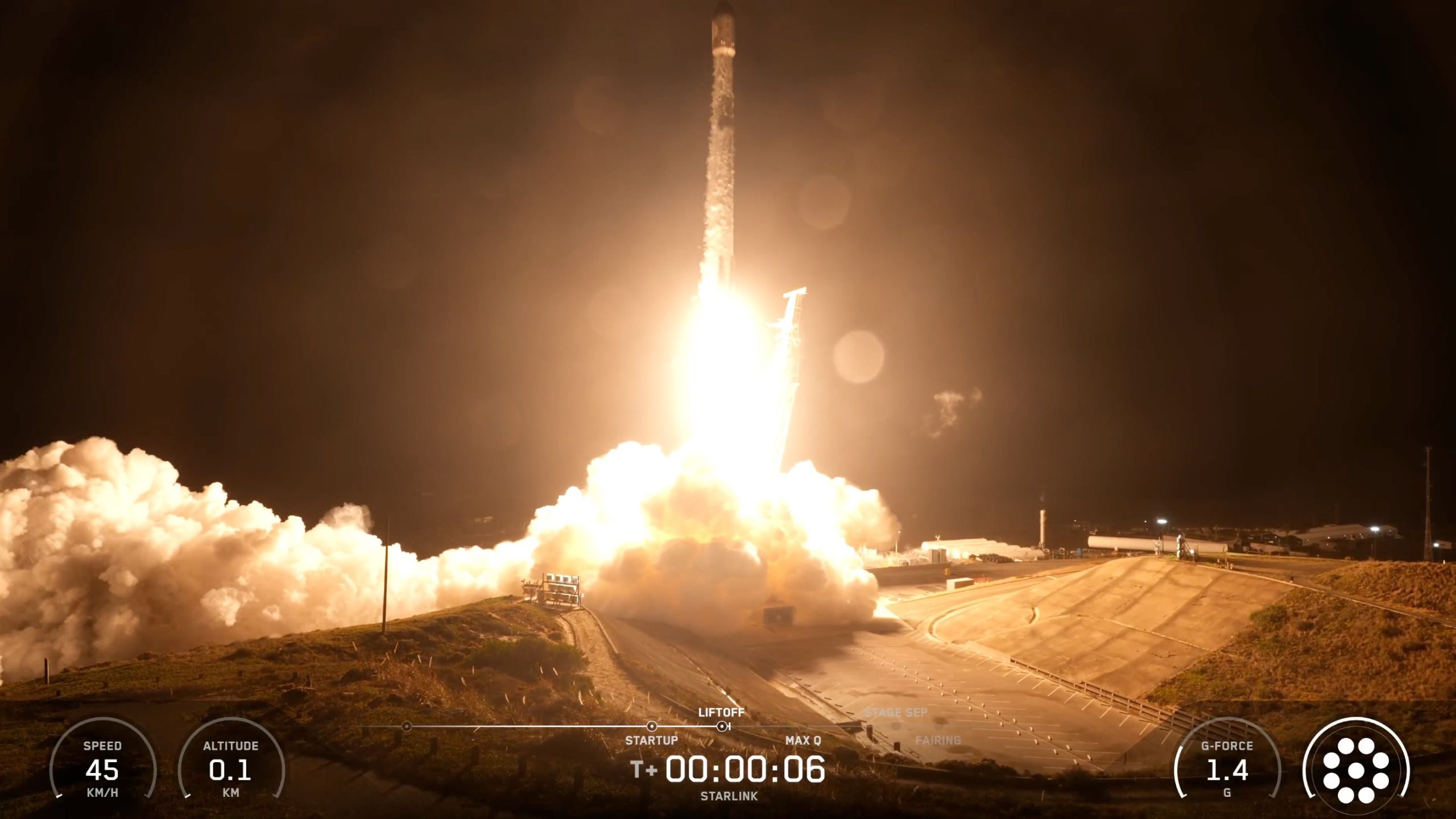
SpaceX was scheduled to close out October with a Falcon 9 mission from Vandenberg Space Force Base in California, a launch described as the company’s 700th Falcon 9 mission to date. The Starlink 15-18 mission was set to carry 27 Starlink V2 Mini Optimized satellites to orbit.
Liftoff was scheduled for 9:04 p.m. Pacific Daylight Time on October 30 from Space Launch Complex 4E, commonly known as pad 4E. The mission illustrates the continued cadence of SpaceX’s Starlink deployment campaign as well as the scale the Falcon 9 program has reached.
The supplied mission information identifies the flight as a Starlink deployment, not a mixed-payload launch. Its stated cargo was 27 satellites intended for SpaceX’s Starlink megaconstellation. That makes the launch part of the company’s ongoing effort to expand the network through repeated missions carrying batches of satellites.
What the mission was set to carry
The satellites listed for the flight were Starlink V2 Mini Optimized spacecraft. The mission description specifies a total of 27 satellites. It does not provide performance figures, orbital parameters, customer-service claims, or details about the individual spacecraft beyond that designation, so those details should not be inferred from the launch listing alone.
Even so, a mission carrying 27 satellites demonstrates the operational model behind large satellite constellations: network growth depends on frequent launches of standardized batches rather than on occasional single-spacecraft missions. A launch at that cadence makes the rocket’s repeatable operations as central to the program as the satellites themselves.
The planned use of Vandenberg is also notable. The California spaceport is a regular departure point for missions whose intended trajectories are suited to launches from the U.S. West Coast. In this case, pad 4E was named as the launch site for the Starlink 15-18 flight.
The significance of the 700-launch mark
The reported 700th-flight milestone concerns Falcon 9 launches to date. It is a measure of the program’s accumulated launch activity, not a separate spacecraft or a new vehicle configuration. Reaching such a number reflects the frequency with which Falcon 9 has been used across SpaceX’s launch operations.
For Starlink, that flight rate matters because constellation deployment is an iterative activity. Satellites must be placed in orbit in repeated groups, and launch availability affects the pace at which the network can be built out. The Starlink 15-18 mission was therefore both a routine deployment flight and a program milestone.
The source material characterizes the planned flight as a Halloween-eve launch. Its schedule placed the mission late on October 30 in local time, immediately ahead of Halloween. The timing is incidental to the payload but underscores how launch windows and operational schedules can place major spaceflight events outside conventional business hours.
A launch schedule is not a completed mission
The available information describes a planned liftoff. It states that the mission was scheduled for 9:04 p.m. PDT and that it was expected to add 27 satellites to the Starlink constellation. A launch schedule is inherently conditional: weather, technical checks, range availability and other operational factors can affect whether a vehicle departs at the stated time.
Accordingly, the launch listing supports reporting the planned mission and its stated payload, but not a claim that all satellites were successfully deployed. Confirmation of liftoff and satellite deployment requires post-launch reporting beyond the supplied material.
That distinction is especially important around milestone counts. A flight described as the 700th Falcon 9 launch is a marker of the program’s intended next step at the time of the report. Whether the milestone was reached on the original schedule is a separate factual question.

What to watch next
The central facts of the Starlink 15-18 mission are straightforward: Falcon 9, pad 4E at Vandenberg Space Force Base, a scheduled October 30 liftoff, and a payload of 27 Starlink V2 Mini Optimized satellites. Taken together, they show the continued reliance of Starlink on regular dedicated launches.
The mission also places the Falcon 9 program’s scale in view. A 700th launch is not just a round number; it is evidence of a launch system operating at a high cumulative tempo. In the context of a satellite-constellation deployment, that tempo is a strategic capability, enabling continued additions to the network through successive missions.
As with any scheduled launch, the immediate follow-up question is execution: whether the vehicle launched as planned and whether the satellites reached their intended deployment sequence. The supplied reporting establishes the mission plan. Subsequent mission coverage would be needed to establish the final outcome.
This article is based on reporting by Spaceflight Now. Read the original article.
Originally published on spaceflightnow.com