Another West Coast Starlink mission is on the schedule
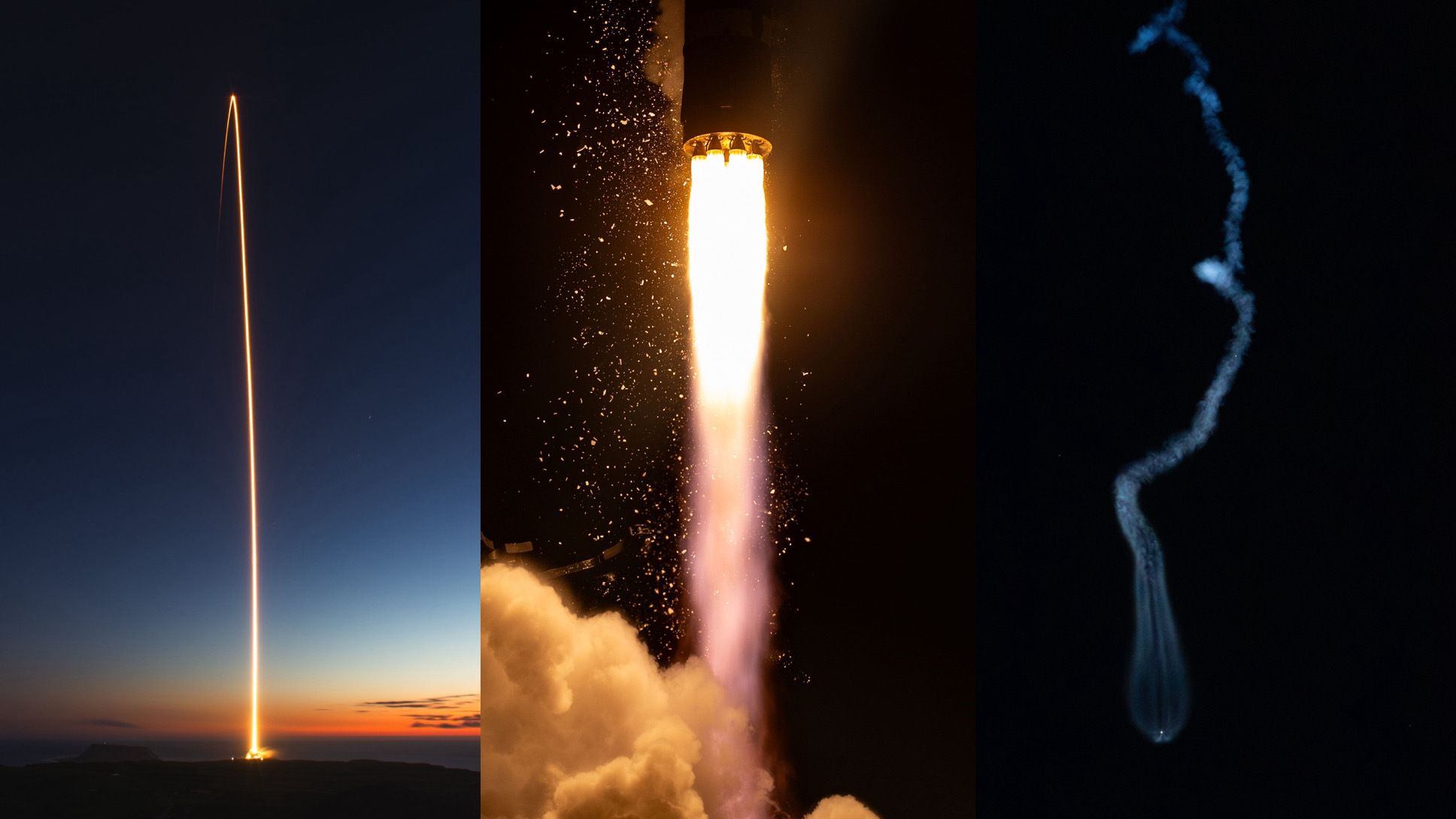
SpaceX is preparing to launch a new group of Starlink satellites from California’s Vandenberg Space Force Base, continuing the company’s rapid deployment of its broadband constellation. The Starlink 15-16 mission is scheduled to lift off aboard a Falcon 9 rocket from Space Launch Complex 4 East.
At the time of publication, liftoff was scheduled for 12:25 a.m. Pacific Daylight Time on Tuesday, October 27. That corresponds to 3:25 a.m. Eastern Daylight Time and 0825 UTC. Spaceflight Now reported that the planned launch time had been pushed back shortly before the scheduled window.
The mission is set to carry 27 Starlink satellites. After launch, the Falcon 9’s first stage is expected to head southeast from California’s central coast, while the upper stage continues toward an orbit inclined 70 degrees to the equator.
A highly reused booster
The first stage assigned to the flight is booster B1082, which is slated to make its 26th launch. The booster entered service in January 2024 and has previously supported a mix of government, commercial, and Starlink missions.
Its prior flights include the USSF-62, OneWeb Launch 20, NROL-145, and Transporter-18 missions, as well as 21 launches carrying batches of Starlink V2 Mini satellites. That flight history illustrates the central role of booster reuse in SpaceX’s launch operations: the same hardware is repeatedly returned to service for missions with different customers and destinations.
For this launch, B1082 is expected to attempt a landing on the autonomous drone ship Of Course I Still Love You, positioned in the Pacific Ocean off the coast of Baja California, Mexico. A successful recovery would preserve the booster for a potential future mission.

Deployment planned about an hour after liftoff
Once the first stage has completed its portion of the ascent and separated, Falcon 9’s second stage is expected to continue carrying the Starlink payload toward its planned orbit. The satellite stack is scheduled for release about an hour after liftoff, following a short circularization burn.
The mission’s planned 70-degree inclination is one of the details that distinguishes launches from Vandenberg from many of the Starlink flights conducted from Florida. Launches from California can efficiently reach polar and high-inclination paths, making the range an important part of SpaceX’s overall deployment cadence.
The 27 satellites on Starlink 15-16 are described as Starlink V2 Mini Optimized spacecraft. The flight adds to the company’s continuing effort to place new satellites into orbit while older launches and recovered boosters cycle back into the launch schedule.
Why the launch matters
Starlink flights may have become routine compared with the early years of commercial rocket reuse, but the mission still combines several operational milestones: a high-flight-count first stage, a West Coast launch trajectory, a drone-ship recovery attempt, and deployment of a large satellite batch on a single upper stage.
For SpaceX, repeatability is as significant as the payload count. A booster flying for the 26th time has already supported national-security, commercial, rideshare, and constellation missions. Returning it again to an ocean platform would extend a record of operational reuse that enables a fast launch rhythm.
For the Starlink constellation, the immediate objective is more straightforward: place another 27 satellites into their intended orbit. The satellites are to be released after the upper stage’s circularization maneuver, completing the primary deployment portion of the mission.

What to watch
- The final confirmation of the liftoff time after the reported delay.
- Falcon 9’s ascent from Space Launch Complex 4 East at Vandenberg.
- The booster’s attempted landing on Of Course I Still Love You.
- Deployment of the 27-satellite Starlink batch roughly one hour after launch.
As with any launch, the schedule remains subject to change. But the planned mission offers another example of how SpaceX is pairing reusable launch hardware with regular satellite deployments from both U.S. coasts.
This article is based on reporting by Spaceflight Now. Read the original article.
Originally published on spaceflightnow.com