Safety panel focuses on Artemis IV’s accumulated challenges
NASA’s Aerospace Safety Advisory Panel is preparing a formal recommendation that the agency re-examine plans for Artemis IV, the mission currently envisioned as the first U.S. crewed lunar landing since 1972.
The panel’s concerns center on the scale of the technical and operational firsts that would converge on the mission. Artemis IV is planned for the Moon’s South Pole, where steep slopes, low Sun angles and temperature extremes make the environment substantially different from the lower-latitude areas used during the Apollo landings.
The recommendation follows the panel’s fourth-quarter 2026 meeting. While it praised NASA Administrator Jared Isaacman for changes at the agency, the panel identified particular concerns around the Human Landing Systems being developed by SpaceX and Blue Origin, as well as future plans for access to low Earth orbit.
Mission plan shifts landing work later
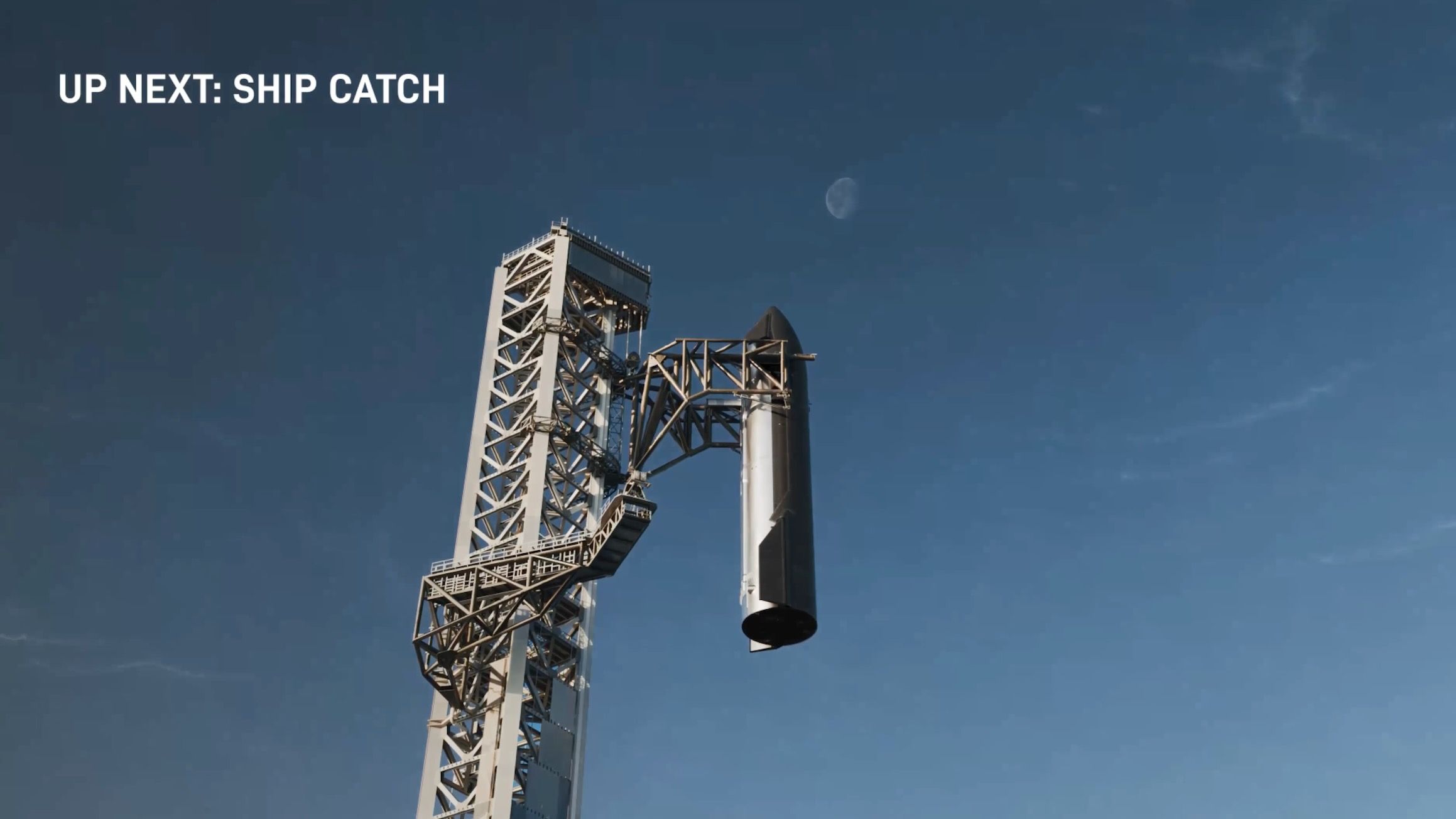
The Artemis program’s April Artemis II flight successfully sent a crew around the Moon. Artemis III is next, but its role was changed after Isaacman took office. Rather than attempting a lunar landing, Artemis III is now intended to conduct an Earth-orbital flight that practices rendezvous and docking with test articles for the two Human Landing Systems: SpaceX’s Starship and Blue Origin’s Blue Moon MK2.
That adjustment places Artemis IV at the center of the question of when NASA should attempt the first landing. It would be a return to the lunar surface after more than five decades, using vehicles and systems unlike those used during Apollo and aiming for a terrain with its own hazards.
The safety panel’s position is not simply about the destination. It is about the dependency chain needed to get a crew from lunar orbit to the surface and back. The landers are completely new designs, and both require in-space refueling to perform the job of ferrying astronauts between lunar orbit and the lunar surface.
Refueling remains a major unproven element
According to the panel’s concerns, the architecture requires an in-space fuel depot where cryogenic propellant can be stored and replenished to offset boil-off. Such orbiting fuel depots do not yet exist, and in-space transfer of cryogenic propellant has not yet been demonstrated.
At a National Academies Space Studies Board meeting, NASA Deputy Associate Administrator for Human Exploration Kelvin Manning said SpaceX planned to demonstrate in-space cryogenic transfer in early 2027. The demonstration would be an important initial milestone, but the panel’s concerns emphasize that it would represent only one step in a larger sequence of capabilities required before a lunar landing.

The result is an unusually interdependent mission. A crewed landing depends not only on the readiness of a lander, but also on the ability to move, store and manage cryogenic propellant in space; conduct the mission’s rendezvous and docking operations; and operate safely at the lunar South Pole.
South Pole conditions raise the stakes
The lunar South Pole has strong scientific and exploration interest, but its operating conditions complicate planning. The panel highlighted steep slopes, low Sun angles and extreme temperatures. Those factors contrast with Apollo-era landing areas closer to the equator, which were selected for a different mission architecture and operational context.
Artemis IV would therefore combine a demanding destination with a new landing-system approach and supporting infrastructure that remains under development. The safety panel’s forthcoming recommendation asks NASA to revisit whether the plan adequately accounts for that combination.
The review request arrives amid wider questions about NASA’s human-spaceflight operations. The panel also flagged challenges associated with the agency’s future low-Earth-orbit plans, including operations of the International Space Station and commercial replacements as SpaceX phases out Falcon rockets and Dragon spacecraft.
What a re-examination would mean
The panel has not called the lunar-return effort off. Its concern is that Artemis IV’s scope should be reconsidered before NASA commits to a mission that must integrate numerous unproven or first-of-kind elements. The modified Artemis III plan is intended to reduce some uncertainty through Earth-orbit testing, but it does not remove the separate challenge of demonstrating and operating the full lunar-landing architecture.
For NASA, the recommendation is a reminder that a successful Artemis II flight is progress rather than proof that the remaining system is ready. Artemis IV would be the point where new vehicles, new in-space logistics and a difficult landing site have to work together.
The panel’s formal recommendation will place those questions before NASA as the agency refines its sequence of missions. The core issue is whether the first crewed landing of the Artemis era should proceed on the current plan, or whether further changes are needed to manage the risks identified by its independent safety advisers.
This article is based on reporting by spacepolicyonline.com. Read the original article.
Originally published on spacepolicyonline.com