Electron mission adds three signals-intelligence satellites
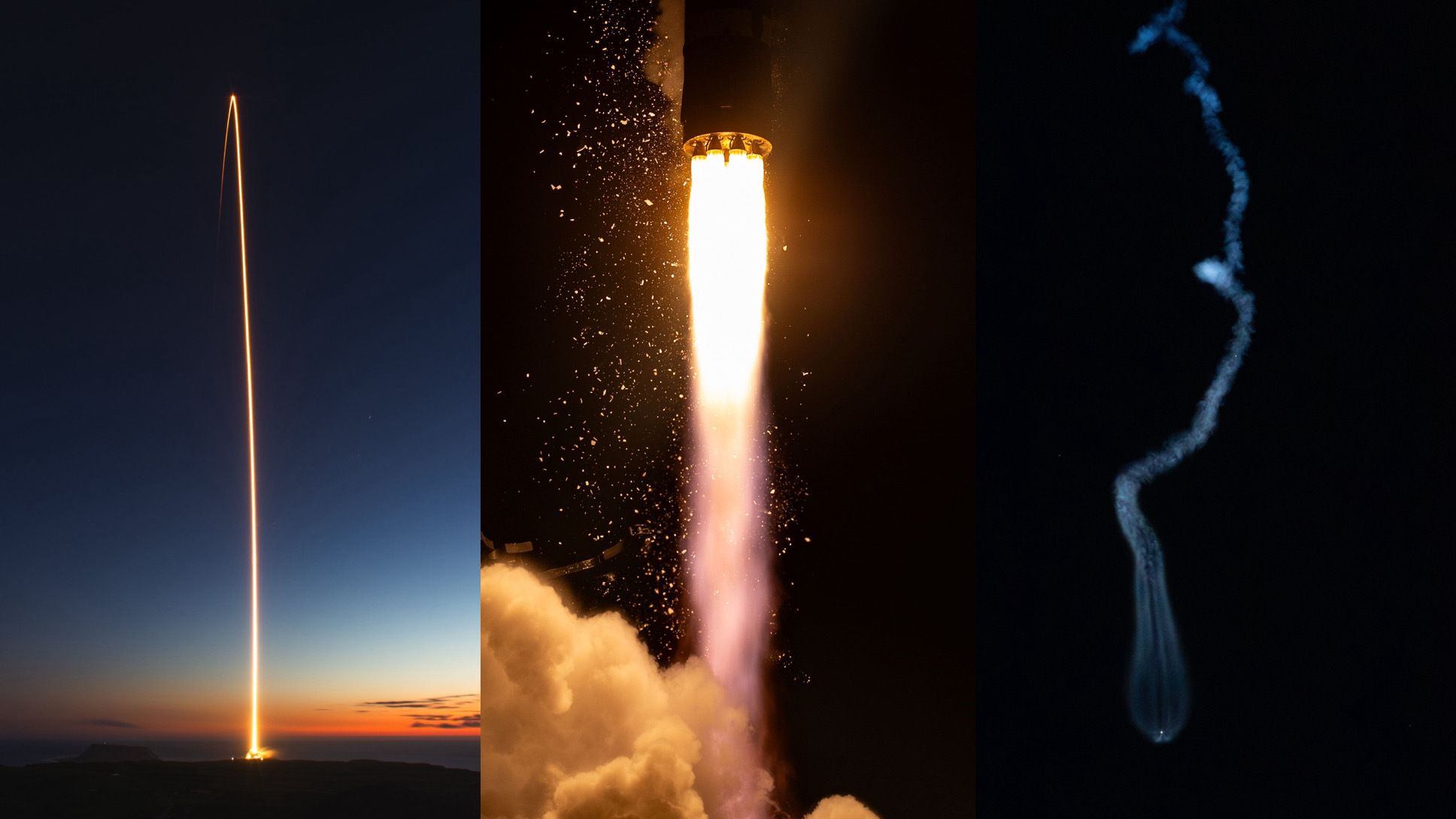
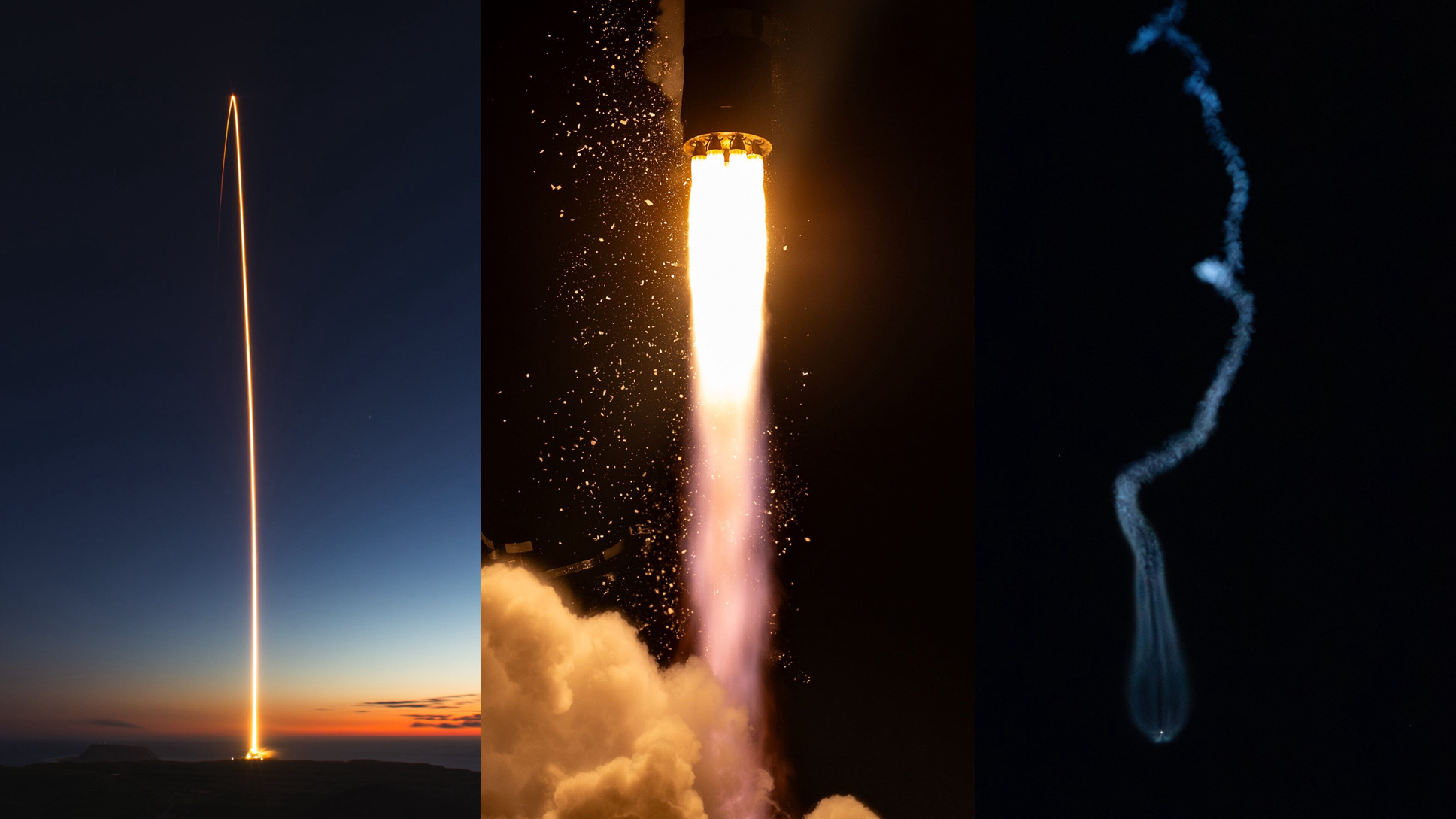
Rocket Lab launched three HawkEye 360 satellites from New Zealand on Oct. 23, sending the private signals-intelligence spacecraft toward low Earth orbit on an Electron rocket.
The mission lifted off at 3:11 a.m. EDT, or 0711 GMT, from Rocket Lab’s New Zealand launch site. The company named the flight “We’re Not Hawking Around,” a reference to its customer and the three Hawk satellites aboard.
If deployed and commissioned as planned, the satellites will operate at an altitude of about 520 kilometers. Their role is to scan for radio-frequency emissions across the globe, expanding HawkEye 360’s existing constellation.
Signals collected in clusters of three
HawkEye 360 operates its satellites in clusters of three. The formation is designed to collect signal data across the radio-frequency spectrum for uses including maritime tracking, detection of GNSS jamming, radar monitoring, communications mapping and space defense.
The company says it provides the resulting data to the United States government and allied governments. It combines space-based collection with proprietary signal processing and AI-powered analytics to turn radio-frequency observations into operational information.
Radio-frequency emissions can reveal activity that is difficult to observe through conventional imagery alone. The applications cited for the satellites span maritime awareness, electronic interference monitoring and broader defense-related analysis.
A growing commercial constellation
HawkEye 360 first launched satellites in 2018 and has now sent nearly 50 satellites to low Earth orbit. The company’s most recent Hawk launch before this Electron mission occurred two days earlier, when three satellites launched on SpaceX’s Bandwagon-5 rideshare mission.
The latest deployment illustrates the cadence at which the constellation is being expanded. A larger constellation can increase the frequency with which a location is observed and broaden the company’s ability to collect radio-frequency data around the world.
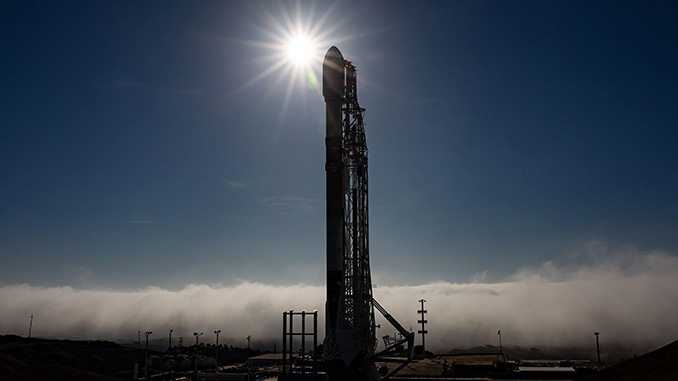
The mission was Rocket Lab’s 98th launch to date and its 19th launch of 2026. Sixteen of those flights used the two-stage Electron rocket, which stands 59 feet tall.
Commercial launch services and strategic data
The launch also highlights the role of smaller dedicated launch vehicles in building commercial constellations. Rather than waiting for a larger rideshare mission, operators can use missions such as Electron flights to place a tailored group of satellites into a target orbit.
For HawkEye 360, the three-satellite deployment supports a system built around formation flying and radio-frequency geolocation. For Rocket Lab, the flight adds another operational mission to a busy year of Electron launches.
As governments and commercial operators seek faster insight into maritime, communications and electromagnetic activity, space-based radio-frequency collection has become an important part of the satellite-services market. The Hawk satellites are intended to provide another increment of that capability from low Earth orbit.
This article is based on reporting by Space.com. Read the original article.
Originally published on space.com