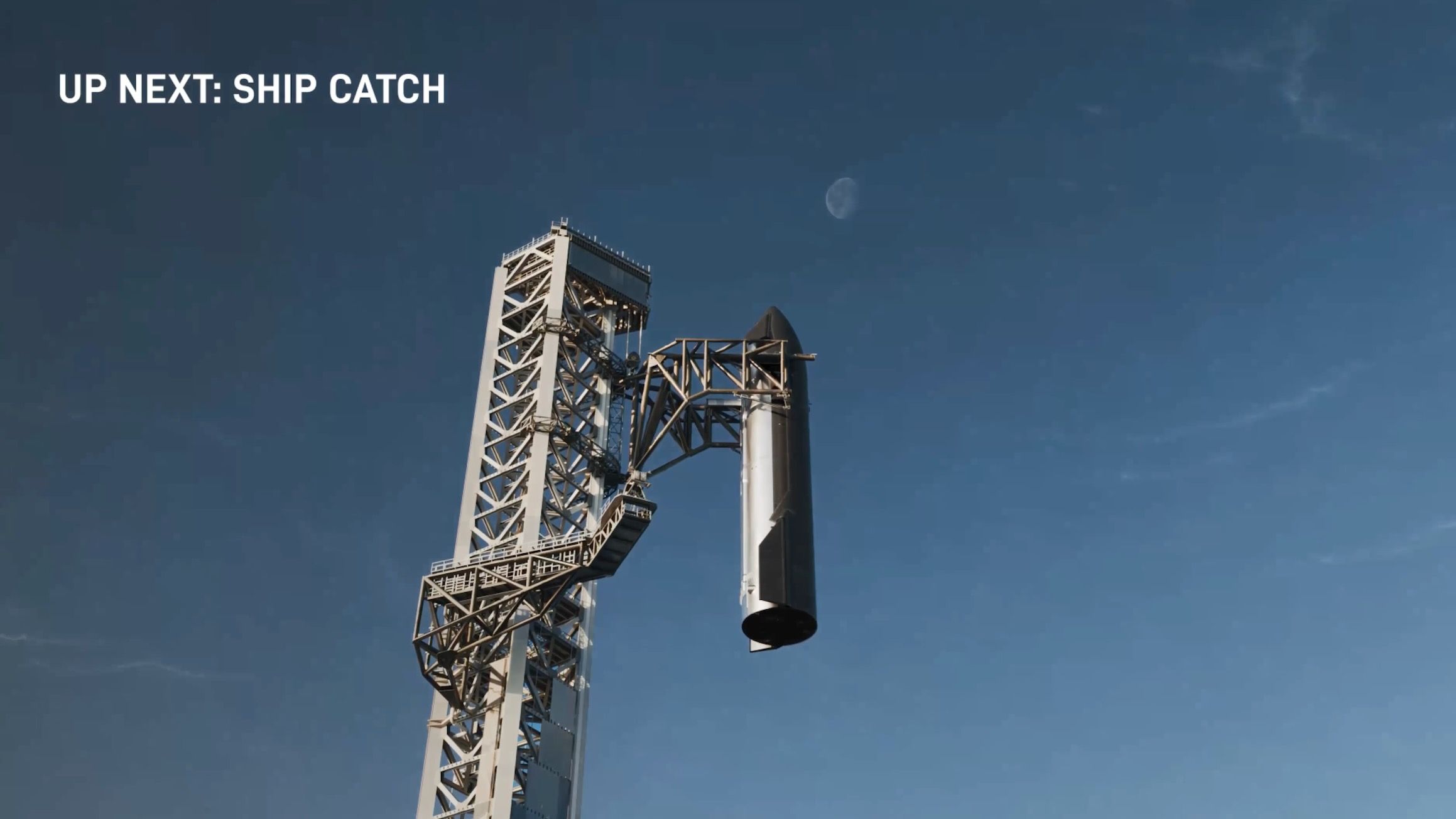
NASA is maintaining an aggressive timetable for its next crewed lunar missions, with Artemis III planned as an Earth-orbit test in mid-2027 and Artemis IV and Artemis V targeted to take astronauts to the Moon’s surface in 2028. Agency leaders presented the schedule as achievable while acknowledging the demanding work still required on lunar landers, spacesuits and landing-site planning.
The update came from NASA Administrator Jared Isaacman, Associate Administrator and Chief Engineer Amit Kshatriya, and Artemis Program Manager Jeremy Parsons. Their message was one of confidence in a program that has changed shape since its earlier mission sequence was established.
Artemis III shifts to a test mission
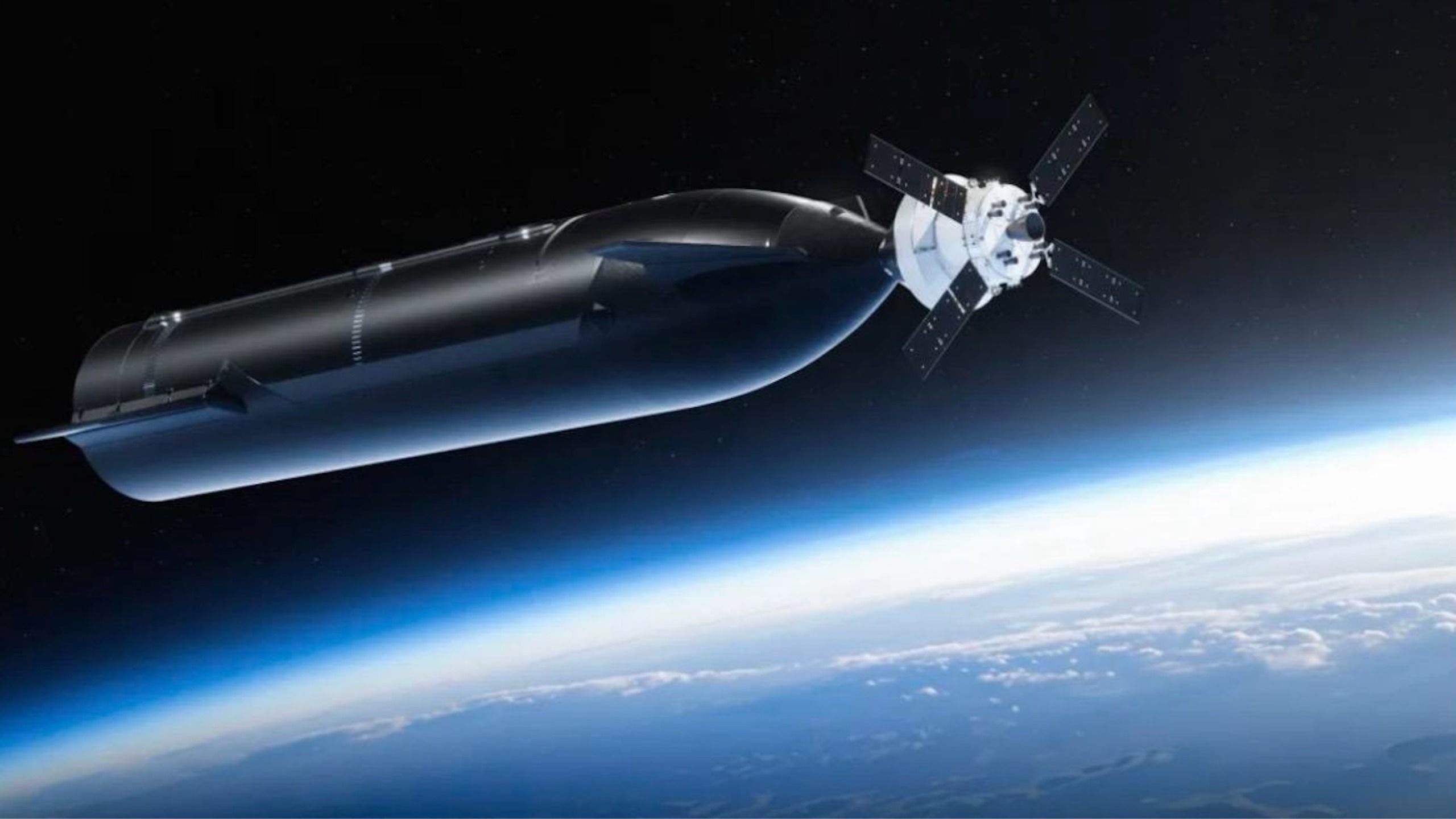
Artemis III had previously been the mission expected to put astronauts back on the lunar surface. NASA instead redirected it into an Earth-orbiting test planned for the middle of 2027. The mission is intended to test rendezvous and docking procedures involving the two Human Landing Systems being developed by SpaceX and Blue Origin.
That shift places the first two planned surface-return missions under the Artemis IV and Artemis V designations, both with 2028 targets. NASA expects the two landing-system providers to deliver crews to the surface by the end of that year, though which system reaches the Moon first remains uncertain.
The revised sequence reflects the central role the landing vehicles play in the architecture. Astronauts will need a dedicated Human Landing System to travel between lunar orbit and the surface. Testing the relevant rendezvous and docking operations before attempting a crewed descent is intended to reduce risk in the operational missions that follow.
Two lander providers, one demanding objective
SpaceX is building one of the Human Landing Systems, while Blue Origin is developing the Blue Moon MK2 system. NASA’s plan anticipates both providers eventually carrying crews to the lunar surface. The agency has not said that the outcome depends on one provider arriving ahead of the other; the current schedule instead treats the systems as parallel elements of a broader lunar-return effort.
Even so, the deadlines are widely viewed as ambitious. The report notes that progress on the landing systems appears slow, and the lunar missions also depend on spacesuits being developed by Axiom Space. The suits are essential for astronauts once they leave the lander to work on the lunar surface.
NASA’s confidence is also tied to organizational changes initiated this year. According to the officials’ presentation, the agency has been accelerating the pace of Artemis launches and revising its workforce approach by bringing contractors in-house. Those changes are being presented as part of the effort to meet the new deadlines.
The South Pole remains the destination
NASA continues to aim for the lunar South Pole, but officials said additional data from robotic landers is needed before selecting a final landing site. The agency’s interest in the region is driven by the possibility that water ice, deposited over long periods, may be accessible in permanently shadowed areas.
That potential resource is scientifically and operationally important. Water ice could potentially be extracted to support future human activity, though the immediate Artemis planning challenge is safely reaching and operating in the region.
The South Pole presents a markedly different environment from the Apollo landing areas. NASA last landed people on the Moon more than 50 years ago, using a different type of vehicle and operating in comparatively safer locations closer to the equator. At the pole, planners must account for steep slopes, low Sun angles, temperature extremes and fewer mission-abort options.
Those conditions explain why the remaining robotic data matters. Site selection is not simply a matter of choosing a scientifically attractive location. It must account for the capabilities and limits of the crewed landers, surface systems, communications, illumination and the ability to manage contingencies.
A return campaign rather than a single landing
NASA’s public framing places Artemis III, IV and V within a continuing campaign rather than treating one landing as the endpoint. Artemis III is meant to validate key operations in Earth orbit. Artemis IV and V would then attempt to establish the next phase of crewed surface exploration, with two separate lander providers in the program.
The 2028 target is therefore a condensed sequence of milestones: a 2027 orbital test, readiness of at least one crew-capable landing system, delivery of spacesuits, and a final landing-site decision informed by robotic exploration. Each is substantial on its own; together, they define the credibility of the timetable.
NASA officials are projecting that these dependencies can be managed. The coming period will test that assertion through hardware progress and mission demonstrations, especially the planned Artemis III rendezvous and docking exercise. For now, the agency’s stated course is clear: use the 2027 test to prepare for a return of American astronauts to the lunar surface in 2028.
This article is based on reporting by spacepolicyonline.com. Read the original article.
Originally published on spacepolicyonline.com