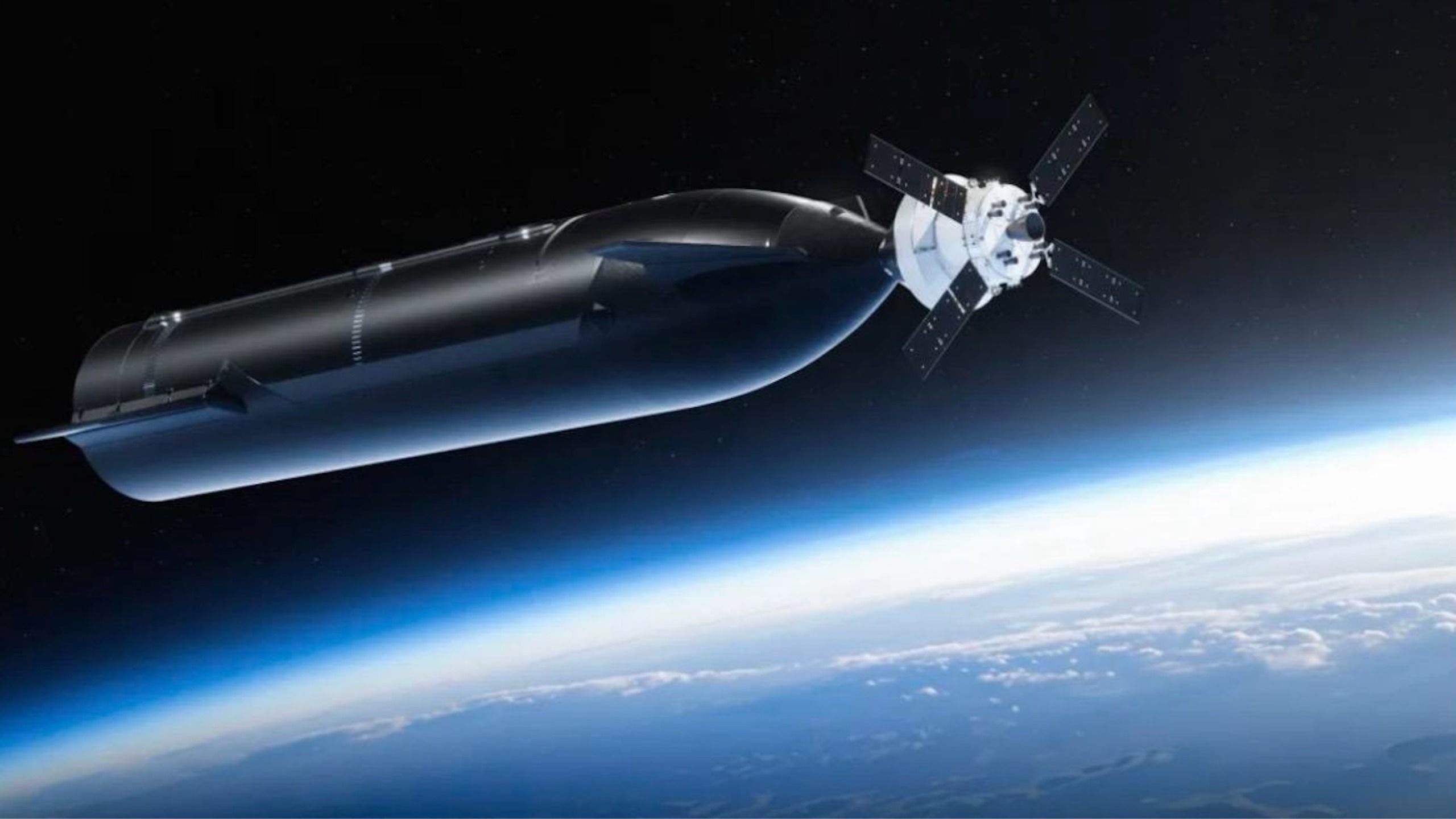
NASA outlines a three-rocket test for Artemis III
NASA has provided a detailed look at the low-Earth-orbit flight planned to test the operations needed for Artemis III, the mission intended to return astronauts to the lunar surface. The agency described the concept of operations during an Oct. 23 press conference at Kennedy Space Center, emphasizing both the scale of the campaign and the difficulty of coordinating its major elements.
The test is built around three of the world’s most powerful rockets: NASA’s Space Launch System, SpaceX’s Starship and Blue Origin’s New Glenn. NASA Artemis program manager Jeremy Parsons characterized the effort as an exceptionally complex launch campaign. The agency has not yet provided a firm liftoff date for the docking test, though the flight is scheduled for next year.
The plan matters because Artemis III depends on rendezvous and docking operations between Orion and a lunar lander system. NASA is using the Earth-orbit flight to rehearse those operations before a crewed lunar landing attempt.
How the proposed sequence would work
Under NASA’s baseline concept, Blue Origin’s New Glenn would launch first, carrying the Blue Moon lunar lander to low Earth orbit. The Space Launch System would then launch the Artemis III crew in NASA’s Orion spacecraft.
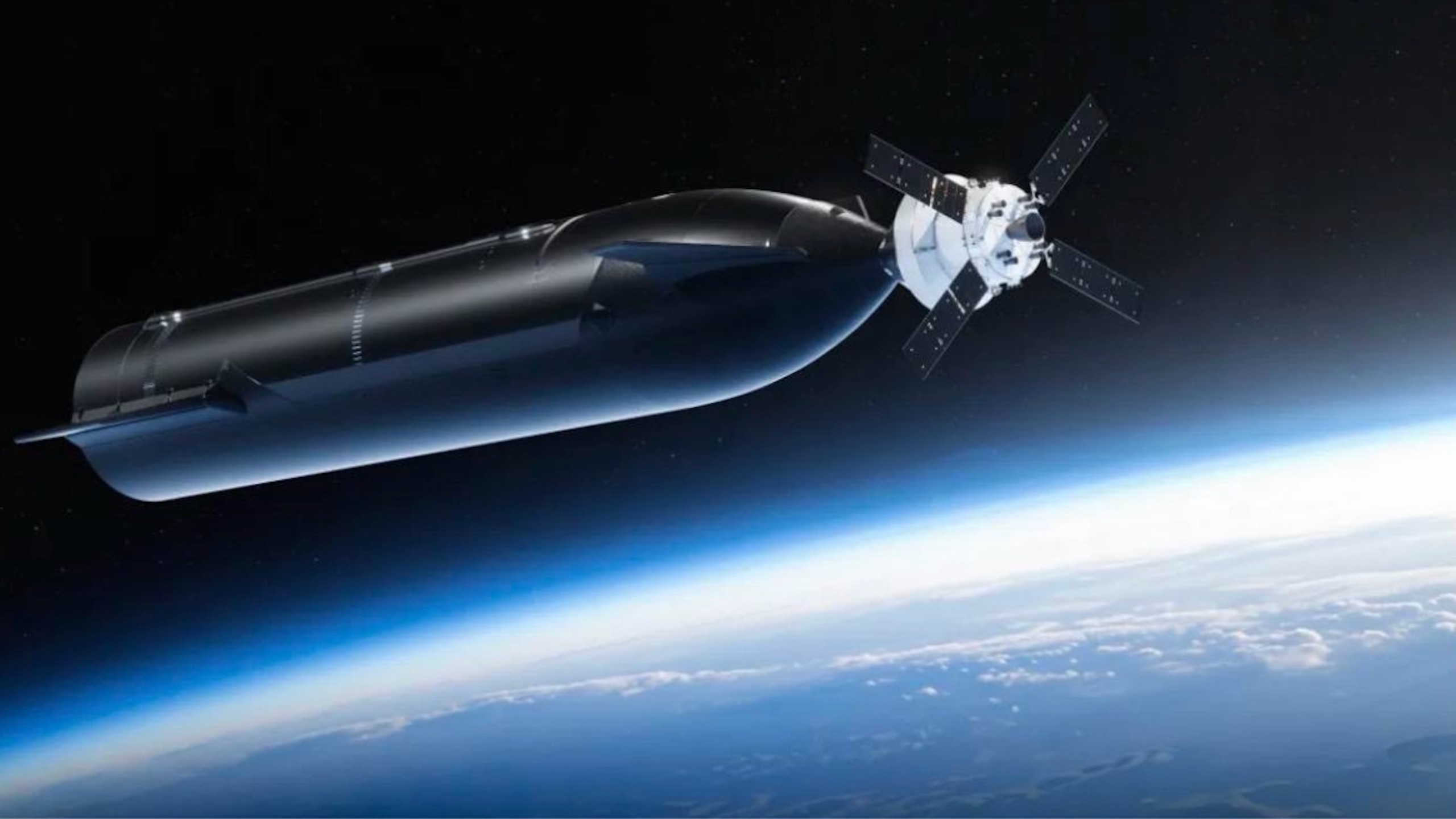
NASA has named the crew as Randy Bresnik, Andre Douglas and Frank Rubio, alongside European Space Agency astronaut Luca Parmitano. After launch, SLS would send Orion into a highly elliptical orbit. According to Parsons, that orbit would bring Orion as close as 18 miles, or 29 kilometers, from Earth and as far as 1,122 miles, or 1,806 kilometers.
Orion would then maneuver to an orbit at roughly 345 miles, or 555 kilometers, in altitude. NASA says the chosen orbit is intended to address thermal-management concerns. Orion was designed as a deep-space vehicle, and its thermal environment in low Earth orbit has to be managed carefully.
Two days of Orion checks
Before the docking phase, the Artemis III astronauts would spend two days in low Earth orbit checking Orion and its systems. That period is part of the mission architecture NASA described as it prepares for a test involving multiple launch providers, a crewed capsule and a lunar-lander element.
The sequence illustrates why the test is more than a conventional launch. It requires several separately launched systems to reach the right orbits, operate as planned and support coordinated activity in space. The flight also places Orion in an orbit that differs from the deep-space environment for which it was built, adding a spacecraft-operations challenge to the broader campaign.
A key rehearsal, with timing still unsettled
NASA presented the plan as a crucial step in its Artemis moon program, but the public timeline remains incomplete. The agency has laid out the basic flight operations and the rocket systems it expects to use, yet it has not announced exactly when the mission will fly.
The uncertainty is significant because the test ties together vehicles from NASA, SpaceX and Blue Origin. The launch order itself is central to the mission: Blue Moon is to be placed in low Earth orbit by New Glenn before SLS carries the astronauts and Orion into space. Orion must then complete its planned orbit changes and systems checks before the crew can carry out the intended docking-related activities.
NASA’s description offers the clearest public operational picture so far of this Artemis III test. It also underscores that the agency is preparing a mission with several major dependencies rather than a single-rocket flight. For the Artemis program, demonstrating that those pieces can work together in Earth orbit is an important milestone on the path toward a crewed moon landing.
What to watch next
- A firm launch date for the low-Earth-orbit docking test.
- Further details on the roles and readiness of Starship and Blue Moon within the Artemis III architecture.
- NASA updates on Orion’s planned thermal management and in-orbit checkout.
- How the agency sequences the New Glenn and SLS launches in the eventual campaign.
For now, NASA’s announcement turns the proposed Artemis III rehearsal from a broad objective into a defined, multi-launch operational concept. Its success will depend on executing a tightly coordinated sequence that begins on Florida’s Space Coast and continues through orbital maneuvers, spacecraft checks and docking operations above Earth.
This article is based on reporting by Space.com. Read the original article.
Originally published on space.com