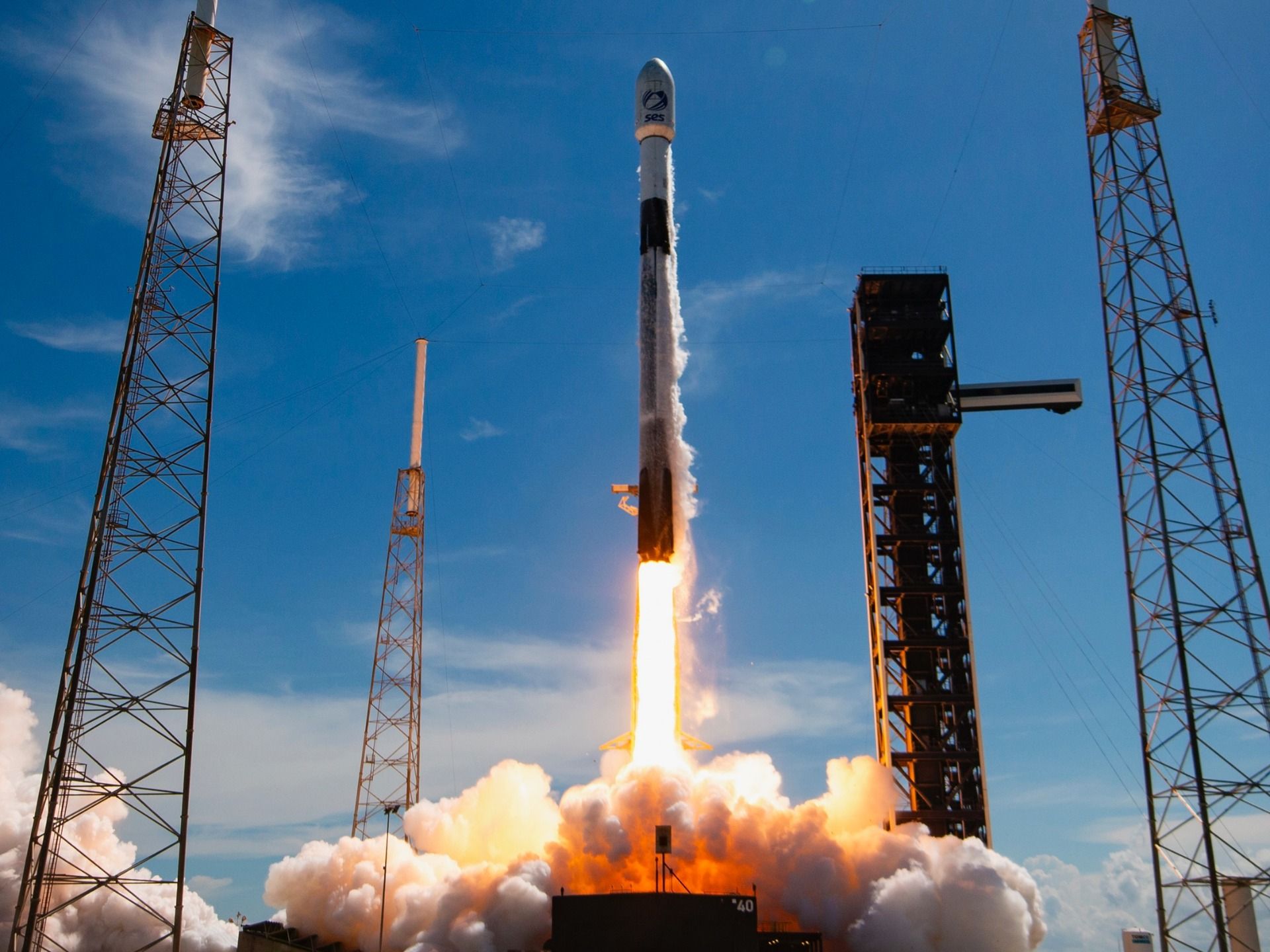
Rocket launches are rising sharply, but satellite operators are still confronting a basic access problem: a launch is useful only when it can deliver a spacecraft to the needed orbit, at the needed time, on acceptable terms. A growing mismatch between those requirements and available flights is turning launch diversity into a constraint alongside raw capacity.
That is the central argument in a SpaceNews report on the commercial launch market. The industry launched more rockets than ever last year, yet operators can still wait months or years for a suitable ride. The issue is not simply that there are too few rockets. It is that a relatively small number of frequently flown vehicles serve many missions, often on routes that do not match every customer’s orbital destination or schedule.
More launches, but not every launch fits
US Federal Aviation Administration data cited in the report shows the agency licensed 187 launches in fiscal year 2026, compared with fewer than 100 a decade earlier. Governments are also seeking a further step up in activity. The Trump administration has called for US spaceports to support more than 1,000 launches and reentries annually by 2030.
Those headline figures can obscure the operational reality for a satellite company. A ride to the wrong inclination, altitude or orbital plane may be of little value. A flight offered at the wrong point in a constellation deployment can be equally unsuitable. Rideshare missions may provide lower-cost access for some spacecraft, but they also require customers to fit within a primary payload’s destination and timetable.
Robert Sproles, chief executive of Berlin-based launch-services broker Exolaunch, described demand as rising much faster than supply. Exolaunch says it has placed 912 satellites into orbit across 51 launch events. In Sproles’s assessment, the market needs not only additional launches but launch options that reach the locations customers actually need.

Choice is becoming part of capacity
For years, debate about launch availability has centered on cadence: how often rockets can fly, how fast providers can recover reusable hardware, and how quickly spaceports can process vehicles. Those measures remain important. But the report highlights a second dimension: diversity among vehicles and regularly served orbital regimes.
That diversity matters because the satellite sector is not one uniform market. Earth-observation systems, communications constellations, technology demonstrators and national-security payloads can have different orbital requirements. A provider that flies often to one popular destination can add substantial capacity while leaving another mission class underserved.
Sproles argued that the market had a wider variety of reliably accessible vehicles around 2016, even though overall launch capacity was lower. The comparison suggests that consolidation around a few highly active rockets can create a tradeoff. It can increase total launches and lower barriers for compatible missions, while reducing the number of dependable alternatives for customers whose requirements fall outside the most common profiles.
A growing space economy raises the stakes
The report cites Novaspace estimates that put the global space economy at $626 billion in 2025, with annual growth forecast at 5.5% through 2034 and a projected value above $1 trillion by then. Those projections are not guarantees, but they illustrate why access to orbit has become a strategic commercial issue rather than a narrow launch-provider concern.
As more companies operate satellites, launch procurement increasingly resembles logistics planning. Operators must weigh orbit, timing, integration requirements, risk, insurance considerations and the possibility that a delayed flight affects downstream revenue or a broader constellation schedule. The most valuable launch market, therefore, may not be the one that merely posts the highest annual tally. It may be the one that offers predictable, recurring choices across more destinations.
What could relieve the bottleneck
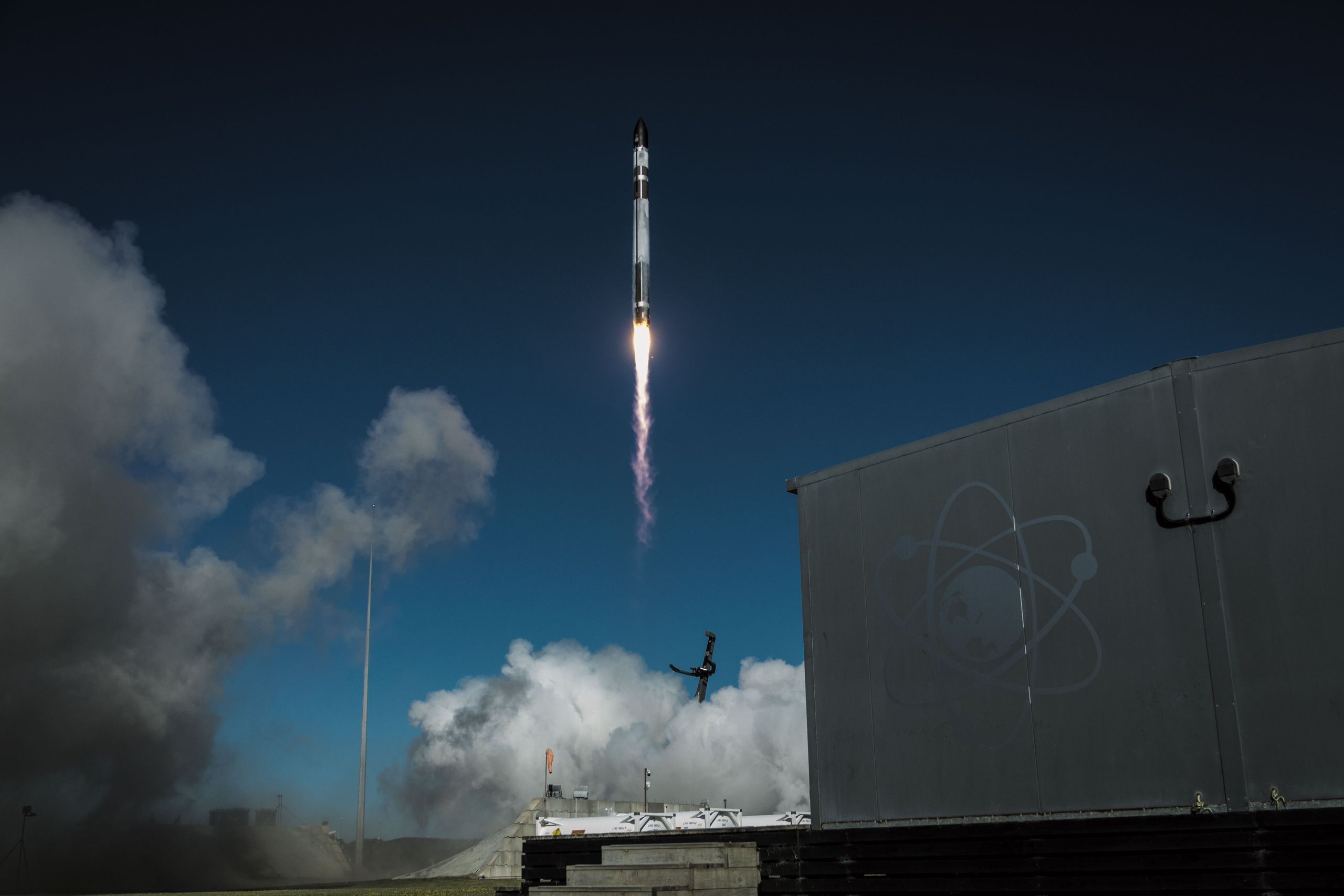
The report does not present a single fix, but its diagnosis points to several practical needs. New vehicles must reach regular operations, not simply make occasional demonstration flights. Existing providers need enough cadence to offer meaningful schedule flexibility. Launch sites and regulatory systems must support more activity without becoming their own bottlenecks. And brokers, spacecraft makers and operators need earlier coordination around orbital destinations.
- More providers can reduce dependence on a small group of frequently flown rockets.
- More routinely served orbital profiles can make capacity usable for a broader range of missions.
- More predictable schedules can reduce the cost of waiting for a suitable flight.
- Better matching of spacecraft and launches can help operators avoid accepting an orbit that compromises their mission.
The distinction is important for policymakers as well as companies. A launch sector measured solely by annual flight totals can look healthy while customers still face a shortage of practical options. If satellite systems are expected to support communications, Earth observation, research and security missions at larger scale, the launch system beneath them must provide resilience through multiple paths to orbit.
The current squeeze is therefore less a contradiction than a sign of a market entering a more demanding phase. Record activity has expanded access, but expansion alone has not produced the flexibility that many satellite operators need. The next challenge is to make launch supply more varied, regular and aligned with the missions waiting to fly.
This article is based on reporting by SpaceNews. Read the original article.
Originally published on spacenews.com