A two-decade space observatory is nearing the end of its orbit
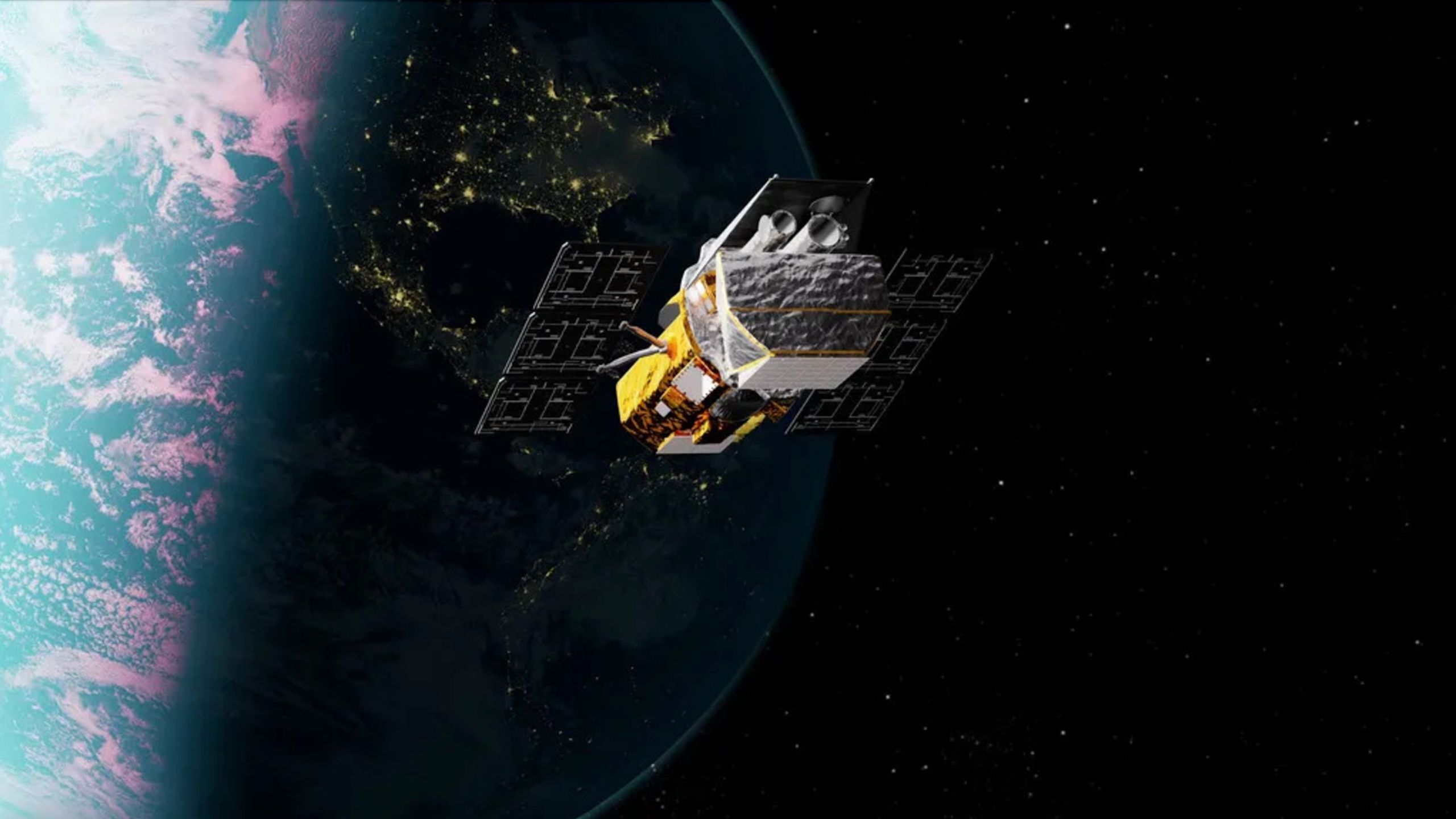
NASA’s Neil Gehrels Swift Observatory is expected to reenter Earth’s atmosphere in the coming days, ending more than two decades of observations of gamma-ray bursts and other high-energy cosmic events. The reentry will be uncontrolled, and the exact time and location of the spacecraft’s descent were not yet clear in the supplied report.
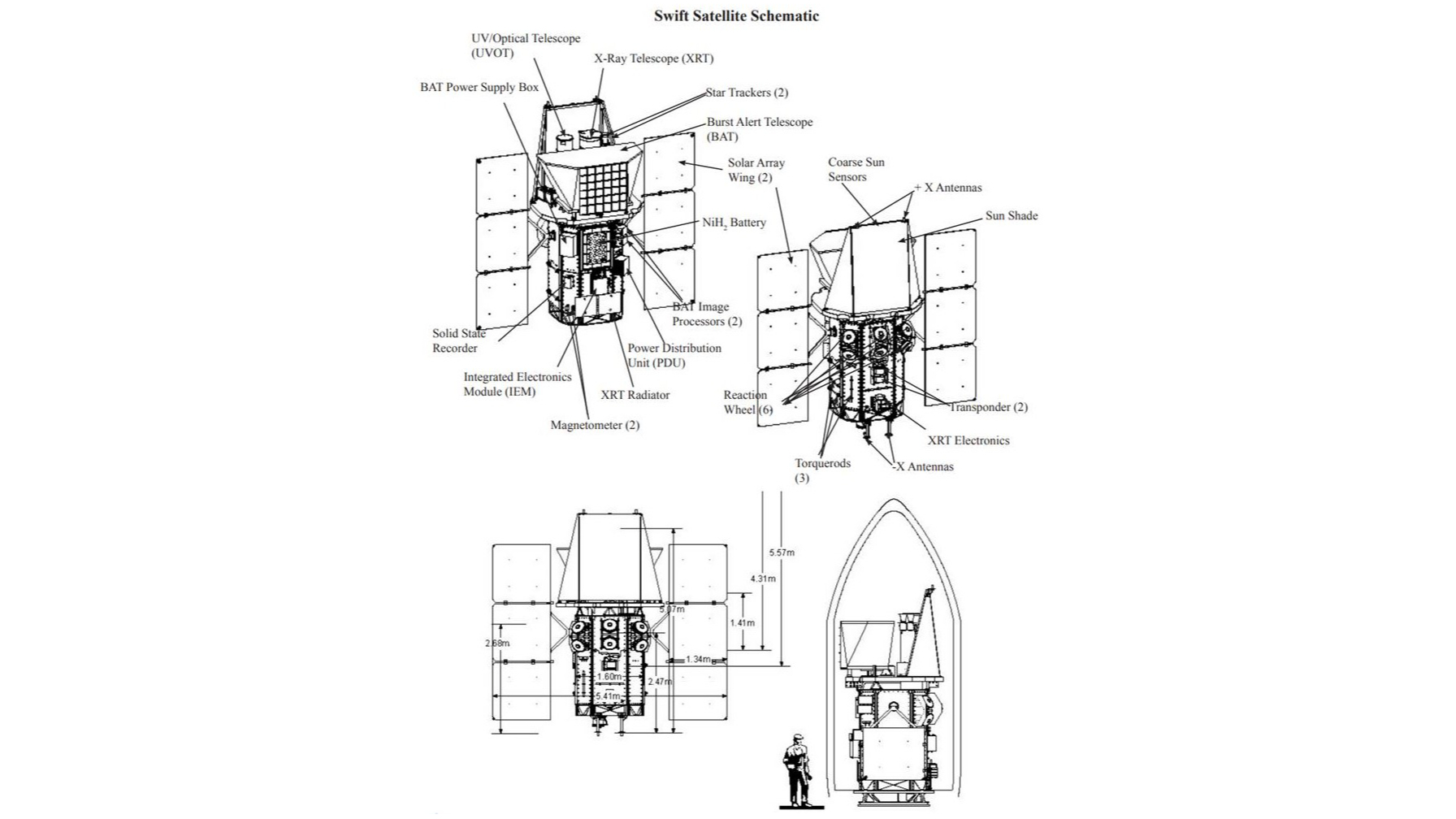
Swift launched in November 2004 and carried three instruments: the Burst Alert Telescope, an X-Ray Telescope and an Ultraviolet/Optical Telescope. Together, those systems allowed the mission to detect and study gamma-ray bursts, among the universe’s most powerful explosions, as well as a range of other astronomical objects and events.
The observatory’s final descent follows a failed robotic effort to raise it to a higher orbit. On October 20, NASA reported that Swift’s altitude had fallen to about 171 miles, or 275 kilometers, above Earth. At that height, increased atmospheric drag prevented the roughly 3,300-pound, or 1,500-kilogram, spacecraft from compensating for its orbital decay.
Operations ended as drag increased
Swift entered safe mode as its orbit continued to deteriorate. Its operations team at Pennsylvania State University then sent a command that effectively ended the spacecraft’s operations before reentry. The report does not identify a precise reentry corridor or predict where surviving material, if any, could reach the ground.
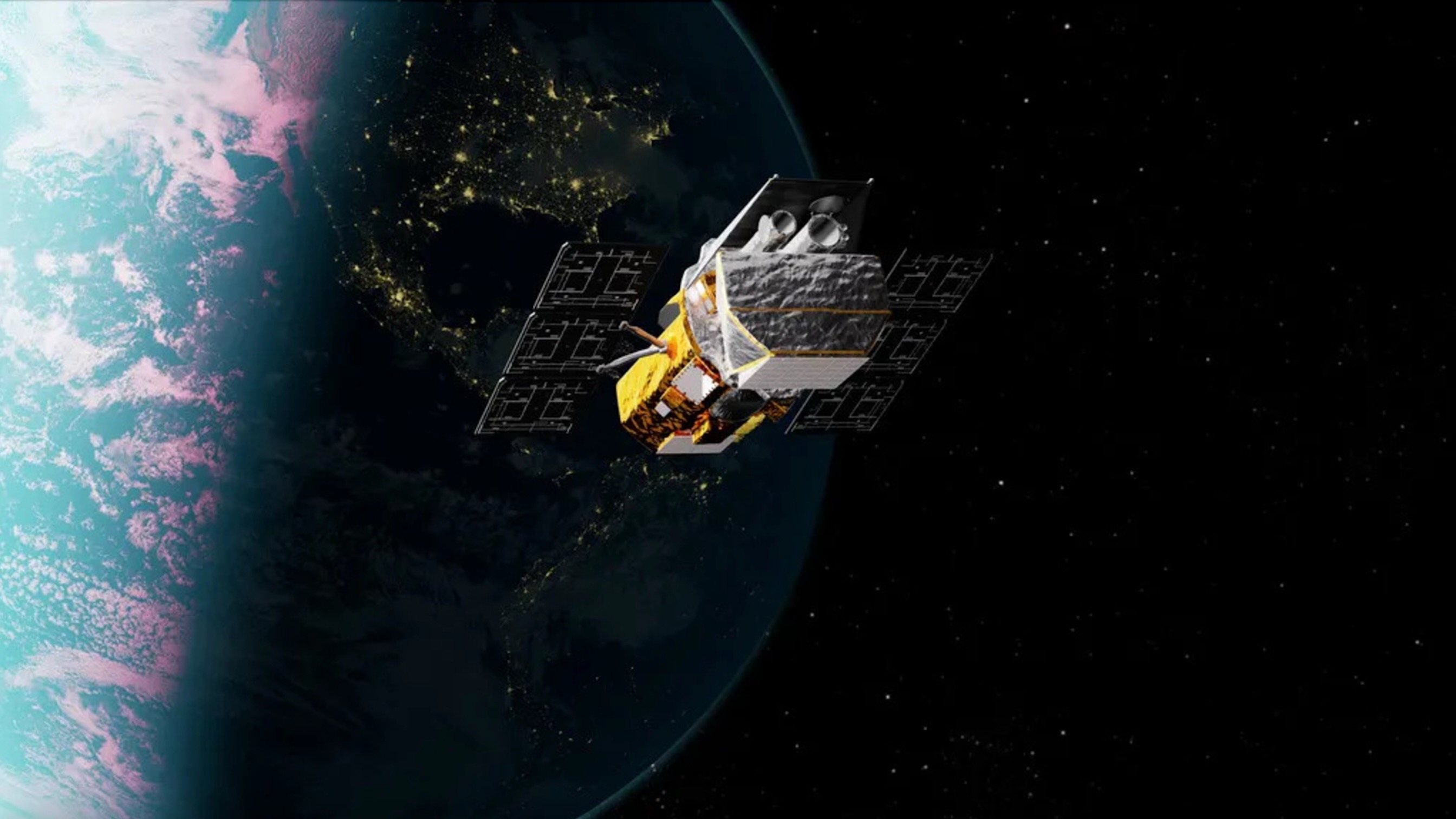
Uncertainty is normal in the final stage of an uncontrolled reentry. Atmospheric drag varies with conditions in the upper atmosphere, and small changes can shift the timing and location of a returning object substantially. The report says researchers were closely monitoring the situation while awaiting a clearer estimate of when and where Swift would fall.
The approaching loss of Swift is notable because the mission had remained useful long after its original launch. Its combination of gamma-ray, X-ray and ultraviolet/optical instruments made it capable of rapidly observing transient events—brief astronomical phenomena that can change or disappear before larger observatories are directed at them.

A reminder of a more crowded low-Earth orbit
Swift’s reentry also arrives during a broader increase in the number of objects returning from low Earth orbit. Darren McKnight, a senior technical fellow at LeoLabs, told Space.com that there are now 10 times more reentries each year than there were five years ago. He attributed the growth to expanding low-Earth-orbit constellations and technology refresh cycles.
That trend changes the context for the end of older science missions. More satellites and spacecraft in low orbit means more hardware eventually reaches the end of its operational life, whether through planned disposal or unplanned decay. In Swift’s case, the failed effort to lift the telescope into a higher orbit left atmospheric reentry as the mission’s final chapter.
McKnight characterized Swift as a small part of the larger stream of hardware returning to Earth. Still, every uncontrolled reentry draws attention because its ground track cannot be fixed until relatively late in the process.
Swift’s scientific legacy
Swift was built to study gamma-ray bursts, intense flashes associated with some of the most energetic events known in the cosmos. Its name reflects the operational goal: detect a burst and rapidly redirect its instruments to gather observations across multiple wavelengths.
Over its lifetime, the observatory also examined other cosmic sources and events. The mission’s pending destruction in the atmosphere does not erase that record, but it does mark the removal of a long-serving capability from orbit.
The immediate question is now practical rather than scientific: when the telescope will reenter and where its trajectory will carry it. Until those estimates narrow, officials and trackers can only monitor its declining orbit. Swift’s story is a compact illustration of both the durability of space science hardware and the inescapable constraints of low Earth orbit: eventually, drag wins.
This article is based on reporting by Space.com. Read the original article.
Originally published on space.com