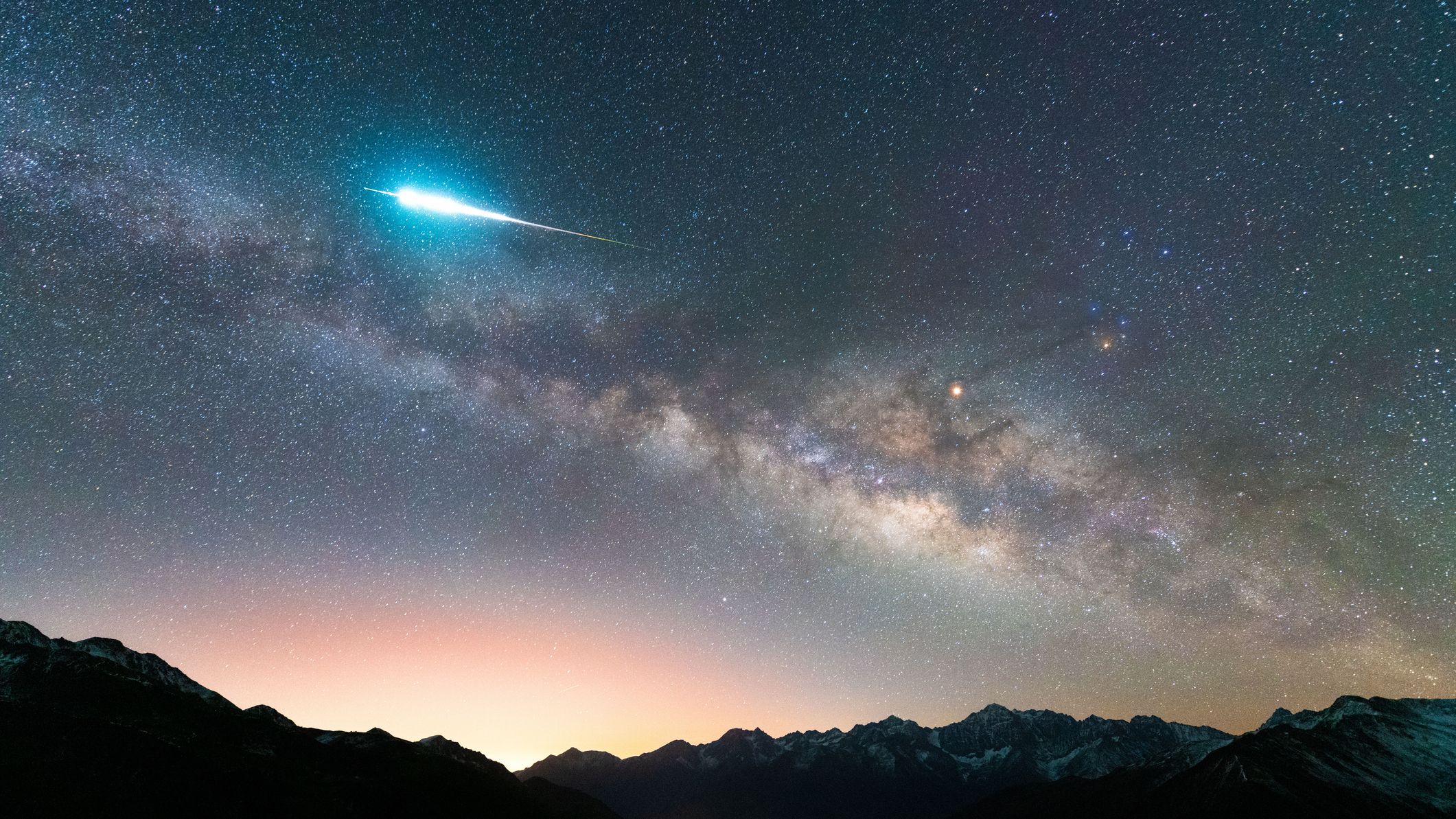
An understated shower with a reputation for bright meteors
The Taurid meteor shower’s Southern branch reaches its second annual peak overnight on November 4–5, offering observers a chance to see a modest number of meteors and, potentially, unusually bright fireballs.
The Taurids are not known for the high hourly rates associated with some major meteor showers. At this peak, up to five meteors per hour are expected. Their appeal lies elsewhere: the stream is associated with fireballs, meteors that can shine brighter than Venus as they burn through Earth’s atmosphere.
The viewing opportunity comes during a period of dark, near-moonless skies, according to the forecast. That improves the chances of seeing fainter streaks as well as the occasional brighter event, provided observers can get away from city lights and have clear weather.
Two streams, one familiar radiant
Every autumn, Earth passes through debris streams left by Comet Encke, an icy body about 3 miles, or 4.8 kilometers, wide. The comet completes an orbit of the Sun about once every 3.3 years. Tiny particles left along its path meet Earth’s atmosphere at roughly 65,000 miles per hour, or 104,607 kilometers per hour, producing the luminous trails seen from the ground.
Those particles create two related meteor-shower branches. The Southern Taurids are active from September 20 through November 20, while the Northern Taurids run from October 20 through December 10. Both appear to radiate from the direction of Taurus, the constellation that rises in the southeastern sky on November evenings.
A radiant is a perspective effect rather than a location observers need to stare at. Meteor paths, when traced backward, appear to originate near the same point in the sky because the particles are traveling along similar trajectories. In practice, watching a broad expanse of sky away from the radiant can make longer meteor trails easier to spot.
Why the second peak matters
The Southern Taurids have two distinct annual peaks. The first occurred on October 14. The second, on the night of November 4–5, is linked with increased fireball activity. Even so, expectations should remain realistic: a rate of up to five meteors per hour is an estimate under favorable conditions, not a promise that every observer will see a meteor every 12 minutes.
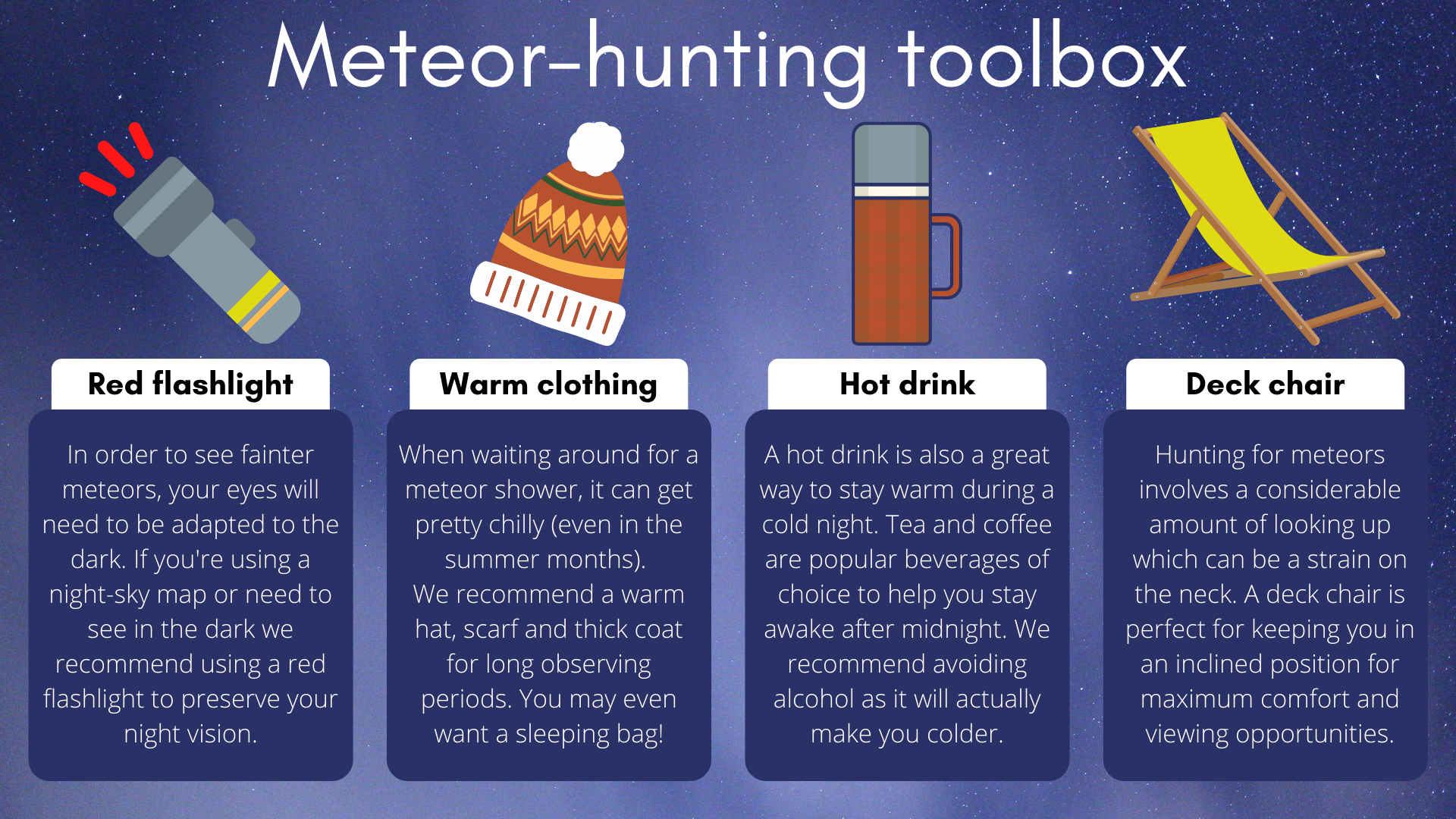
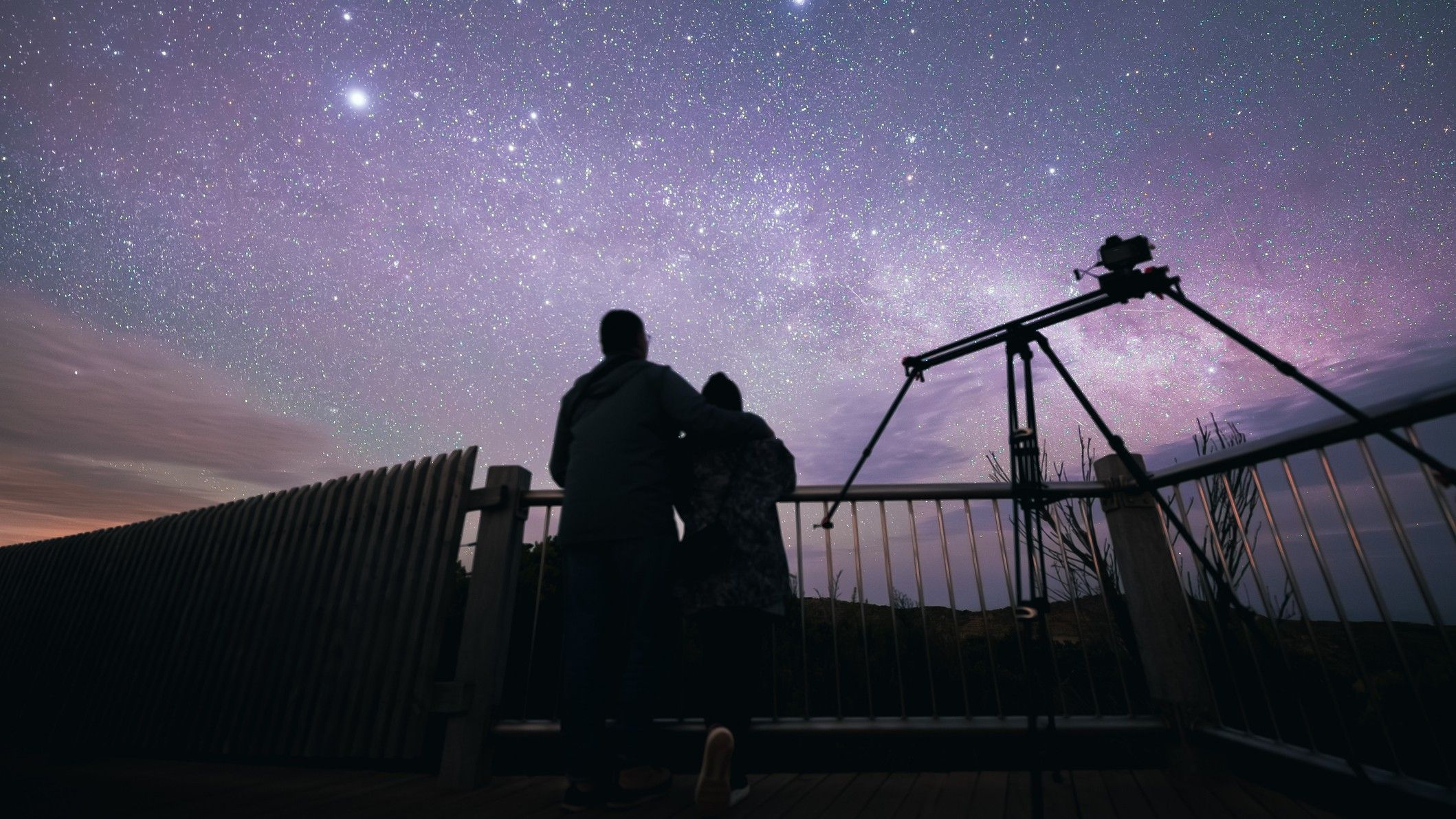
Meteor watching depends strongly on local conditions. Bright urban lighting can wash out weaker streaks, clouds can end a session altogether, and the eye needs time to adapt to darkness. The reported guidance is to head to a dark-sky location around midnight, when the radiant in Taurus is high in the sky.
No telescope or binoculars are needed. In fact, the wide field of view of the unaided eye is an advantage when meteors can appear anywhere overhead. A comfortable place to sit or recline and warm clothing are often more useful than optical equipment, especially during a long observing session.
The Northern Taurids are still ahead
For observers who miss the Southern branch’s second peak, the Taurid season is not over. The Northern Taurid stream is expected to peak overnight on November 11–12, also with a predicted rate of up to five meteors per hour and dark, near-moonless conditions.
The two peaks are separate opportunities rather than one brief, all-or-nothing event. The Southern and Northern streams overlap in the autumn sky, and both are connected with Comet Encke’s debris. That gives skywatchers a longer observing window than a shower that is concentrated around one night.
The Taurids are sometimes overlooked because their typical rates are low. Yet their possible fireballs give the shower a distinctive character. A single exceptionally bright meteor can be more memorable than a rapid succession of faint ones, particularly when seen from a truly dark location.
How to watch tonight
- Look from around midnight, when Taurus is high in the sky.
- Choose the darkest safe location available and allow time for your eyes to adjust.
- Watch a wide portion of the sky rather than fixing on the radiant.
- Plan for a long session: the forecast rate is low, and fireballs are inherently unpredictable.
- Keep expectations calibrated. The Southern Taurids may produce up to five meteors an hour at peak, but visibility varies by location and conditions.
The Southern Taurids’ second peak is therefore best treated as an invitation to spend time under a dark November sky, with the possibility—not the certainty—of an exceptional flash from Comet Encke’s debris.
This article is based on reporting by Space.com. Read the original article.
Originally published on space.com