AST SpaceMobile adds a rocket component to its satellite strategy
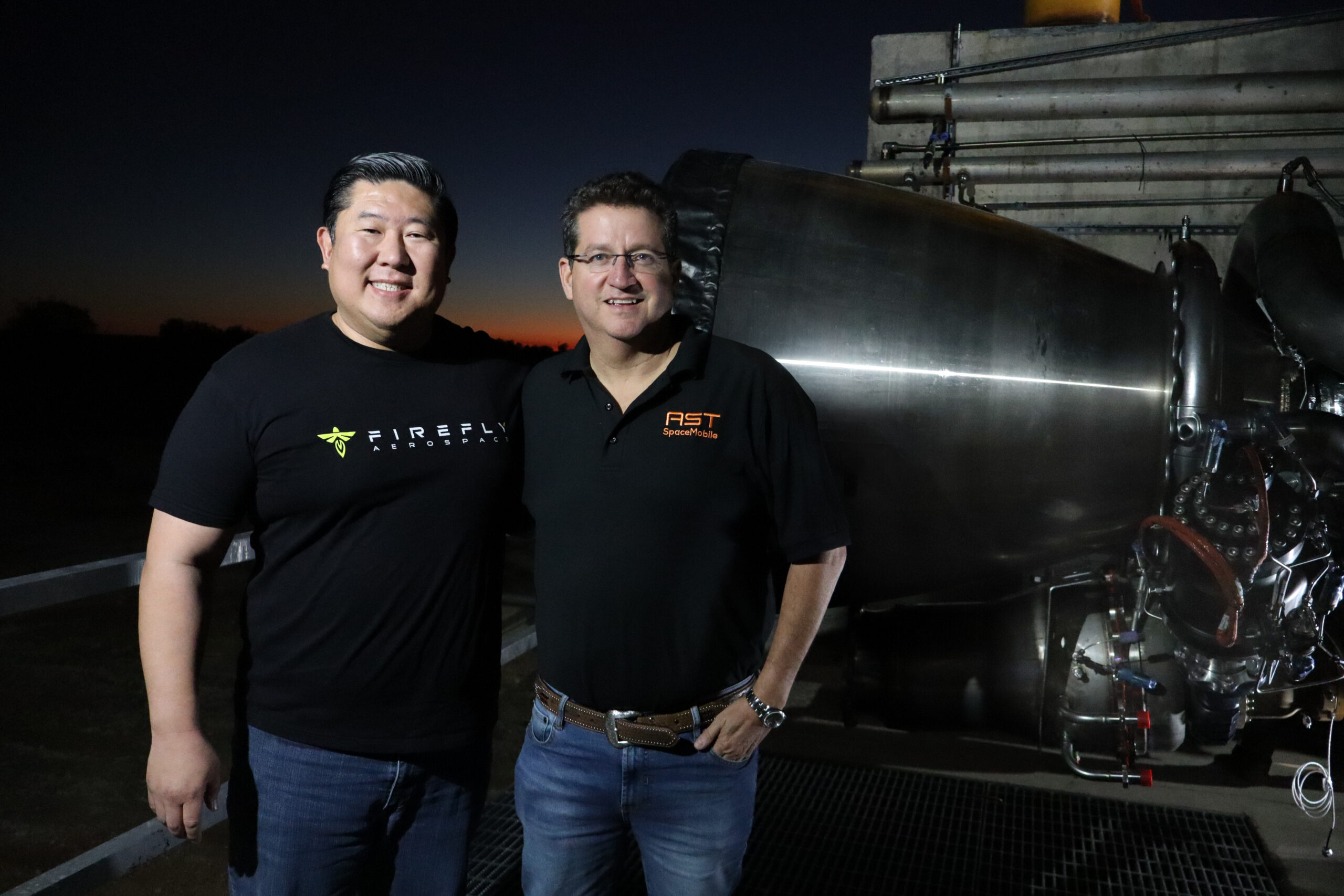
AST SpaceMobile has announced a $1.3 billion engine deal with Firefly Aerospace intended to support a new heavy-lift rocket. The company, which is building the Bluebird direct-to-cell satellite constellation, described the launcher as the final piece of a broader push toward vertical integration.
The agreement signals that AST SpaceMobile is looking beyond satellite manufacturing and operations as it develops its communications network. A dedicated heavy-lift launch capability could give the company a greater role in determining how and when its future spacecraft reach orbit.
A high-value commitment around launch
The reported value of the Firefly engine deal is $1.3 billion. The announcement ties the engine supply to a planned heavy-lift rocket, though the supplied material does not detail the vehicle's design, schedule, engine configuration or operational timeline.
Those missing details are consequential. A heavy-lift launcher is a complex program requiring progress across propulsion, structures, avionics, launch operations and regulatory approvals. An engine agreement is therefore an important program marker, but it does not by itself demonstrate a completed launch system.

Why vertical integration matters
AST SpaceMobile's Bluebird constellation is designed for direct-to-cell connectivity. Bringing launch capability into the company's plans could potentially align satellite deployment more closely with the constellation's needs, rather than depending entirely on externally scheduled launches.
For a company building a large satellite network, launch is a major strategic constraint. Access to a heavy-lift vehicle can affect deployment cadence, mission planning and the ability to place multiple spacecraft on a single mission. AST SpaceMobile's description of the rocket as its final vertical-integration element indicates it sees launch as central to the economics and control of the overall network.
What the announcement establishes
The announcement establishes a financial and industrial relationship between AST SpaceMobile and Firefly Aerospace around rocket engines. It also makes clear that AST SpaceMobile intends to pair its direct-to-cell satellite ambitions with a heavy-lift launch program.
It does not establish when the rocket will fly, how many engines are covered, or when the vehicle will begin deploying Bluebird satellites. Those milestones will determine whether the agreement becomes a practical launch capability or remains an early-stage commitment.
Still, the deal represents a notable expansion of AST SpaceMobile's stated ambitions. Rather than treating launch only as a purchased service, the company is positioning propulsion and heavy-lift access as part of the infrastructure behind its satellite network.
This article is based on reporting by Spaceflight Now. Read the original article.
Originally published on spaceflightnow.com