A final solar-array installation for the space station
The International Space Station is approaching the end of a major power-upgrade effort as Canadian Space Agency astronaut Joshua Kutryk and NASA astronaut Anil Menon prepare to install the eighth and final roll-out solar array during a spacewalk on Nov. 5.
The installation follows an Oct. 29 spacewalk in which the two astronauts installed another new array and completed additional preparatory work. Once all eight arrays are in place, they are expected to increase the station’s available power by 30%, according to NASA officials cited by Space.com.
The work is an example of the less visible but essential side of human spaceflight. The station supports a broad research program, but the laboratory can only conduct that work if its systems receive reliable power. Adding generation capacity is therefore infrastructure work in the most literal sense: a way to sustain the platform on which experiments, operations and crew life depend.
A Canadian spacewalker over Earth
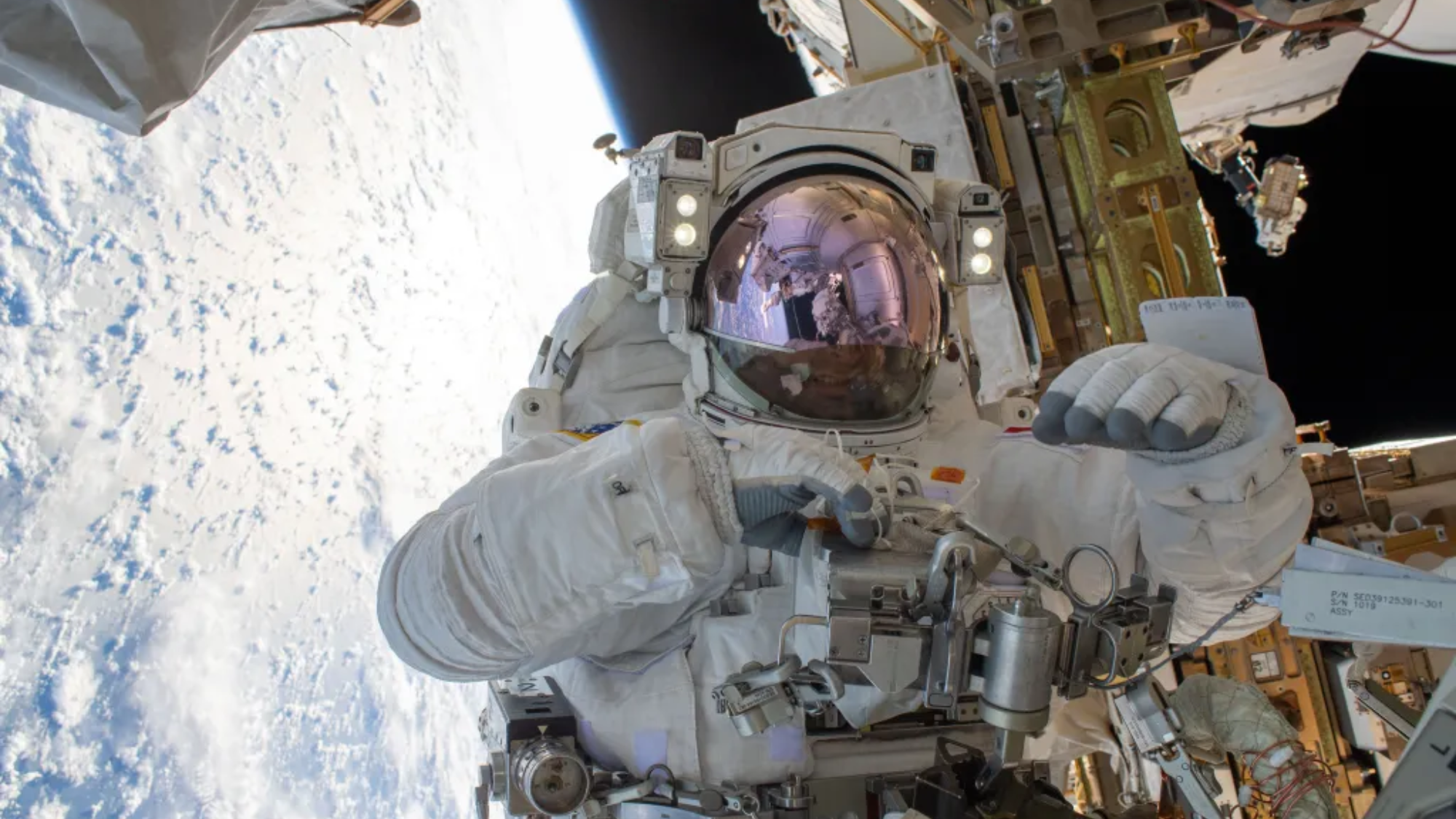
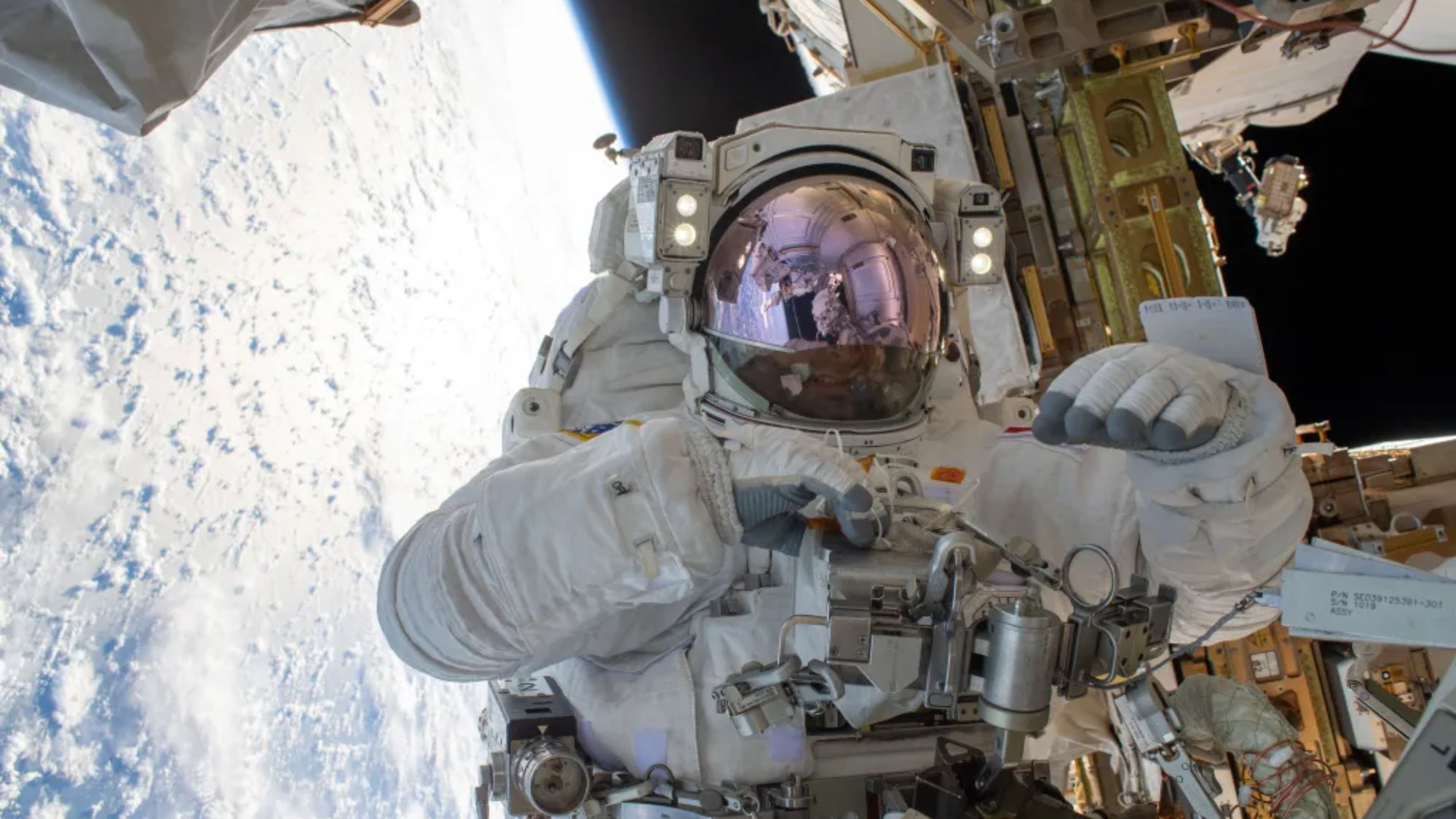
During the Oct. 29 excursion, Kutryk paused for a photograph while outside the station, with Earth visible below. At the time, the orbiting laboratory was roughly 267 miles, or 430 kilometres, above the South Atlantic Ocean.
The image marked more than a scenic moment. It came during the first Canadian spacewalk since 2019, with Kutryk and Menon working through a demanding sequence of tasks in the vacuum of low Earth orbit. The pair installed a new roll-out solar array and carried out “get-ahead” work designed to prepare for the next excursion.
Spacewalk photography can make the activity appear serene, but every activity outside the station is tightly controlled. Astronauts operate while tethered to an orbiting spacecraft in a harsh environment, performing physical tasks in spacesuits while managing tools, procedures and time. Even maintenance work that does not involve an emergency carries significant operational pressure.
Why more power matters
The new arrays are intended to raise the International Space Station’s available power by a total of 30%. That added capacity matters because power is a shared resource across the orbiting complex. It supports the systems that keep the station operating and the research carried out by its crew.
The station’s scientific program spans fields including biomedical research, plant science and physics experiments. Those areas may differ sharply in purpose, but all depend on a functioning orbital laboratory. Improving the power system is not itself a science experiment; it is an enabling upgrade that can help the station continue serving as a research platform.
The roll-out array campaign also shows how the space station is maintained through incremental work rather than a single overhaul. The Oct. 29 installation was one step, and the planned Nov. 5 outing is intended to complete the eighth installation. The crew’s preparatory tasks during the earlier spacewalk were designed to make that next step possible.
An upgrade carried out in orbit
Installing hardware outside a spacecraft is fundamentally different from servicing equipment on the ground. Astronauts have to travel out of the station, remain secured by tethers and work in a setting where routine movements and simple handoffs require planning. The environment offers no margin for casually stopping to retrieve a tool or changing position without considering safety.
The Oct. 29 operation combined hardware installation with work intended to get ahead of the schedule for the following spacewalk. This pairing illustrates how spacewalk plans are structured around both immediate tasks and future requirements. A completed item can reduce the work remaining for a later excursion, but only if it is performed safely and within the time available.
Kutryk and Menon will again work together for the planned final installation. The repeated pairing gives continuity to the operation, but the mission remains a team effort involving the astronauts outside, the crew inside the station and mission personnel on the ground.
The station’s ongoing maintenance cycle
Human spaceflight is often presented through launches, arrivals and scientific milestones. The solar-array work is a reminder that long-duration operations also depend on maintenance. Astronauts sometimes leave the station to address urgent issues, but they also conduct planned upgrades and repairs that preserve the usefulness of the spacecraft over time.
That work comes with considerable risk. Space.com notes that every minute outside the station brings numerous risk factors in Earth orbit. The need for precision is especially acute when astronauts are installing equipment that will become part of the station’s operational systems.
The completion of the eighth array would close a specific installation campaign and deliver its planned power increase. It would not end the broader cycle of upkeep. The International Space Station is an active, inhabited facility that requires continuing attention, from research operations inside to maintenance tasks outside.
A view that captures the scale of the job
The photograph of Kutryk with Earth in the background captures a familiar contradiction of spacewalking: the setting is visually extraordinary, while the work itself is practical and exacting. The astronaut was not outside simply for a view. He and Menon were installing equipment intended to strengthen the station’s power supply and preparing for the next day’s job.
With the final roll-out solar array scheduled for installation, the broader objective is clear: increase the station’s available power and help sustain the orbital laboratory’s role in research and operations. The image may be memorable, but the lasting significance lies in the infrastructure it represents.
This article is based on reporting by Space.com. Read the original article.
Originally published on space.com