A production agreement with bigger implications
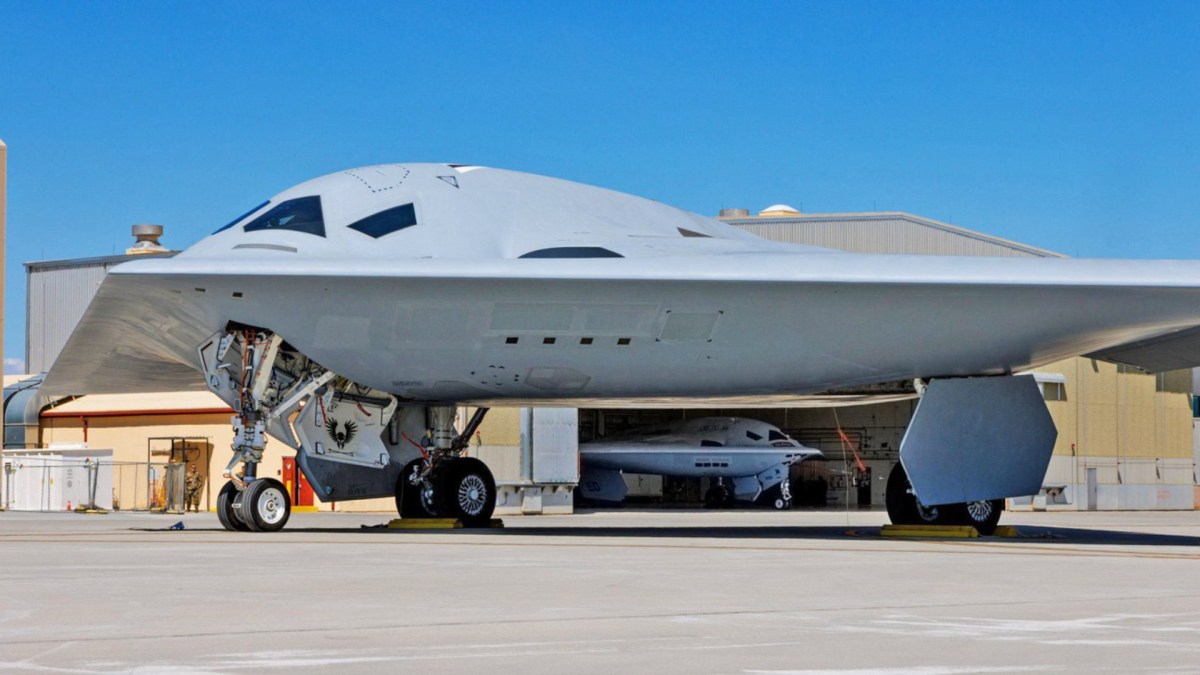
The U.S. Air Force’s February agreement to accelerate B-21 Raider production now appears to have wider strategic significance than initially described. Northrop Grumman CEO Kathy Warden said this week that the arrangement allows the Air Force to consider speeding production as part of a larger program of record, directly opening the door to a fleet bigger than the service’s long-standing goal of 100 aircraft.
That clarification matters because the original public framing of the deal was much narrower. When the agreement was announced earlier in 2026, the Air Force presented it primarily as a way to accelerate fielding of the bomber, not as a signal that total planned procurement might rise. The service also reiterated at the time that its official objective remained unchanged at 100 B-21s. Warden’s comments suggest the contract structure was designed with more flexibility than that public explanation implied.
According to the source material, Warden told investors that the Air Force is actively analyzing the larger-program question now and could reach a conclusion by the end of 2026. That does not amount to a formal expansion decision. But it does indicate that the mechanism for growing the fleet is not hypothetical. It has already been built into the production ramp-up framework.
Why the Air Force may want more than 100
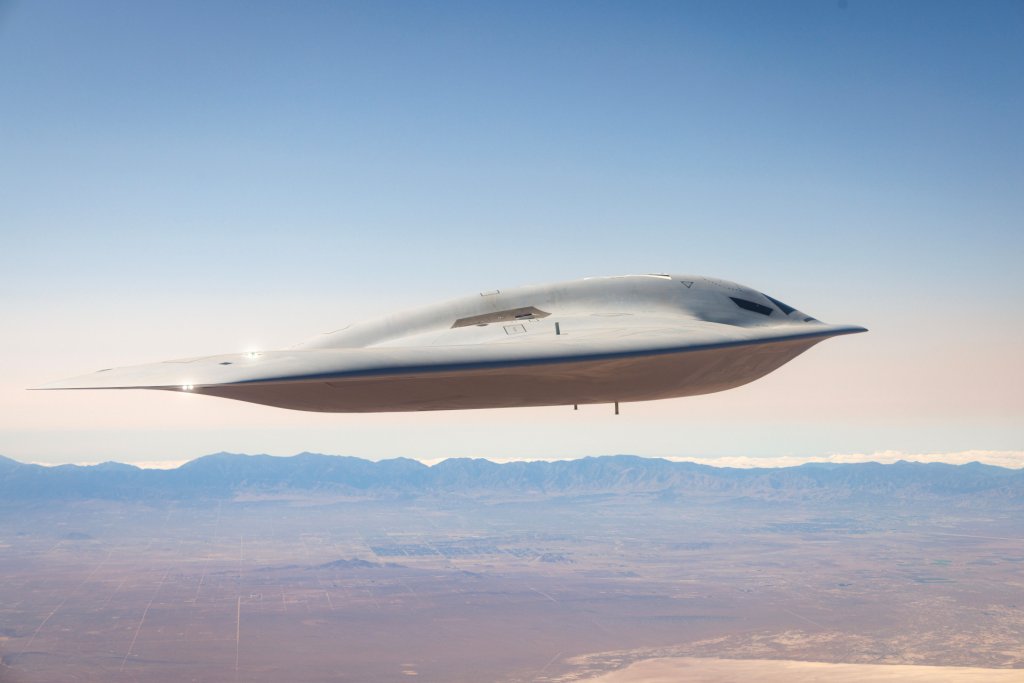
The B-21 is central to the Air Force’s future bomber force, and support for a fleet above 100 has been building for years. The aircraft is designed to replace and complement older long-range strike assets while giving the United States a penetrating bomber suited for heavily defended environments. In practice, that makes the fleet-size question about more than procurement math. It is tied to how much global strike capacity the Air Force believes it needs for deterrence, conventional operations, and nuclear missions in a more demanding threat environment.
The source text points to increasingly open support from senior officials. In April 2026, Defense Secretary Pete Hegseth told the Senate Armed Services Committee that he saw a need for “a lot more” B-21s. Even so, the official acquisition plan had not changed. The new signal is that the Air Force is no longer just discussing the possibility in abstract terms. It is examining it within the context of a production agreement already intended to raise output.
That combination is what gives this development weight. Program expansions are easier to discuss than to execute, especially in a high-end aircraft program with classified details and a complex industrial base. A contract vehicle that already anticipates acceleration lowers one barrier to eventual growth, even if it does not resolve funding, workforce, or broader force-structure debates.
What the production ramp-up actually changes
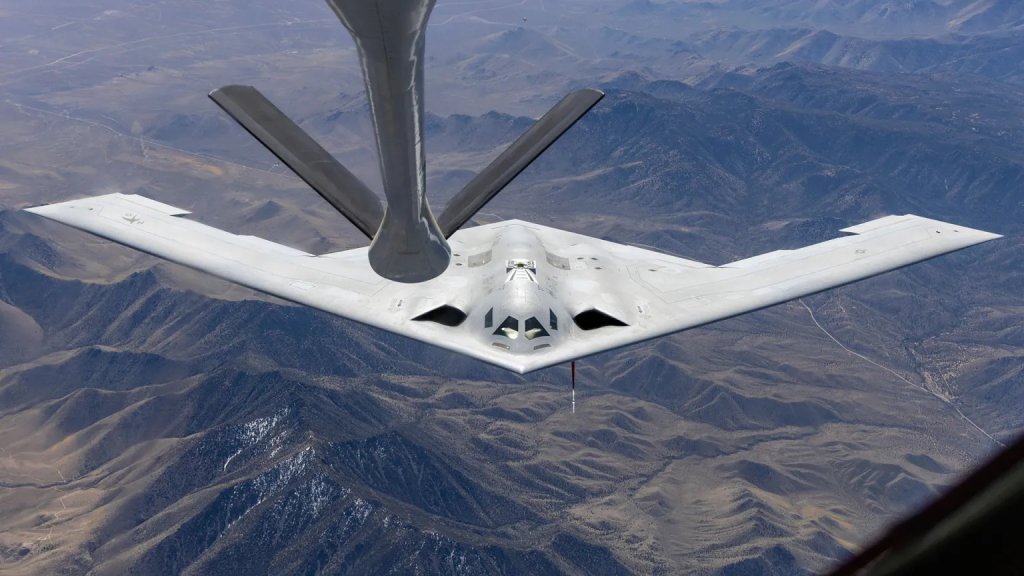
The February deal centers on a 25% increase in annual B-21 production capacity. Exact rates remain classified, but the report notes that earlier coverage has put Northrop Grumman’s output at up to roughly eight bombers per year. A 25% increase in capacity, if sustained, would not by itself define the final size of the program. It would, however, shape how quickly the Air Force could field operational aircraft and how realistic a larger fleet becomes over time.
At the time of the agreement, the Air Force emphasized the value of faster fielding, particularly with the first operational B-21s expected next year. That argument still stands. Accelerating deliveries helps bring capability into service sooner, reducing the time between testing and meaningful operational availability. But Warden’s remarks indicate that acceleration and expansion were not mutually exclusive paths. The same production move can support both.
This distinction matters because procurement strategy often turns on industrial momentum. Once capacity is in place, the choice is not simply whether to build more aircraft, but whether to use the manufacturing headroom already paid for and organized. In that sense, the Air Force’s future decision could become less about creating a larger program from scratch and more about deciding how far to extend one that has already been prepared to grow.
Signals of a changing bomber debate
The Air Force has been edging toward a more explicit reassessment of bomber numbers. The source article says the first clear sign of change came in May, when Lt. Gen. David Tabor, the deputy chief of staff for plans and programs, made clear that the service was reassessing the objective Raider fleet size. That is a meaningful shift from repeating the 100-aircraft baseline without qualification.
The timing is not accidental. Strategic demand signals have been moving in one direction, especially as U.S. defense planning focuses on long-range operations against advanced adversaries. A larger stealth bomber fleet offers more options for generating combat power across distance, surviving in contested airspace, and sustaining deterrence. Those arguments have become stronger, not weaker, as the broader modernization agenda has advanced.
Still, moving from rhetoric to orders will require choices. Expanding the B-21 fleet would mean committing additional money over time, prioritizing bomber procurement against other modernization programs, and ensuring the industrial base can sustain the higher tempo. The fact that the agreement supports the option does not guarantee the Air Force will exercise it.
Why industry comments matter here
Statements from contractors should always be read carefully, especially during earnings season. But Warden’s comments are important because they concern contract structure and ongoing Air Force analysis, not just broad enthusiasm for the program. They help clarify that the February production deal was not only a near-term schedule tool. It was also written to preserve a path to scale.
That added clarity changes how the B-21 story should be understood. Until now, the public narrative allowed the Air Force to accelerate production while still insisting that nothing had changed about total fleet ambition. The latest comments suggest the two issues were linked much more closely behind the scenes.
For defense planners and industry observers, that linkage is the real news. It means the future size of the Raider force may hinge less on whether a larger fleet is conceptually desirable and more on whether the Air Force chooses to convert an already-prepared option into a formal expansion.
What to watch before year-end
The next major marker will be the Air Force’s expected conclusion by the end of 2026 on whether to move toward a larger program of record. If the service does decide to expand, the groundwork appears to be in place to support faster procurement than would otherwise have been possible. If it does not, the production boost will still help field the initial force more quickly.
Either way, the B-21 program has entered a new phase. The debate is no longer limited to whether the Raider will become the Air Force’s next bomber. That is settled. The emerging question is how large a force the United States believes it needs, and how quickly it is prepared to build it.
This article is based on reporting by twz.com. Read the original article.
Originally published on twz.com