Apparent Ruta Block 1 Debut Points to a New Phase in Ukraine’s Long-Range Strike Campaign
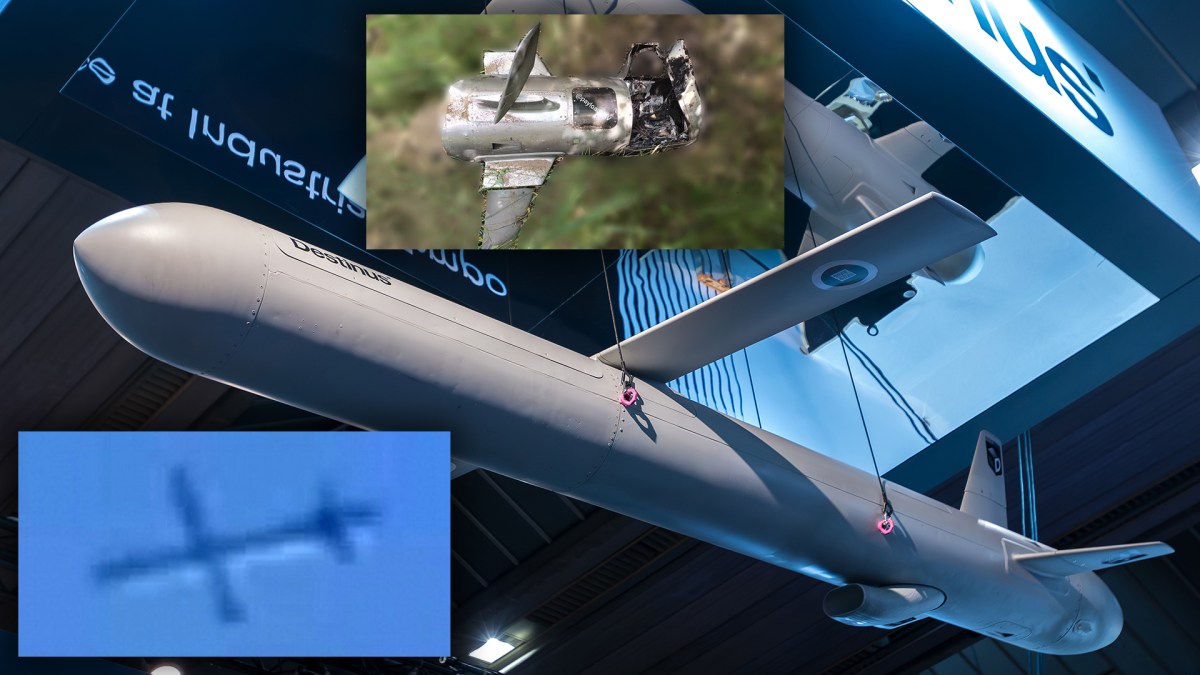
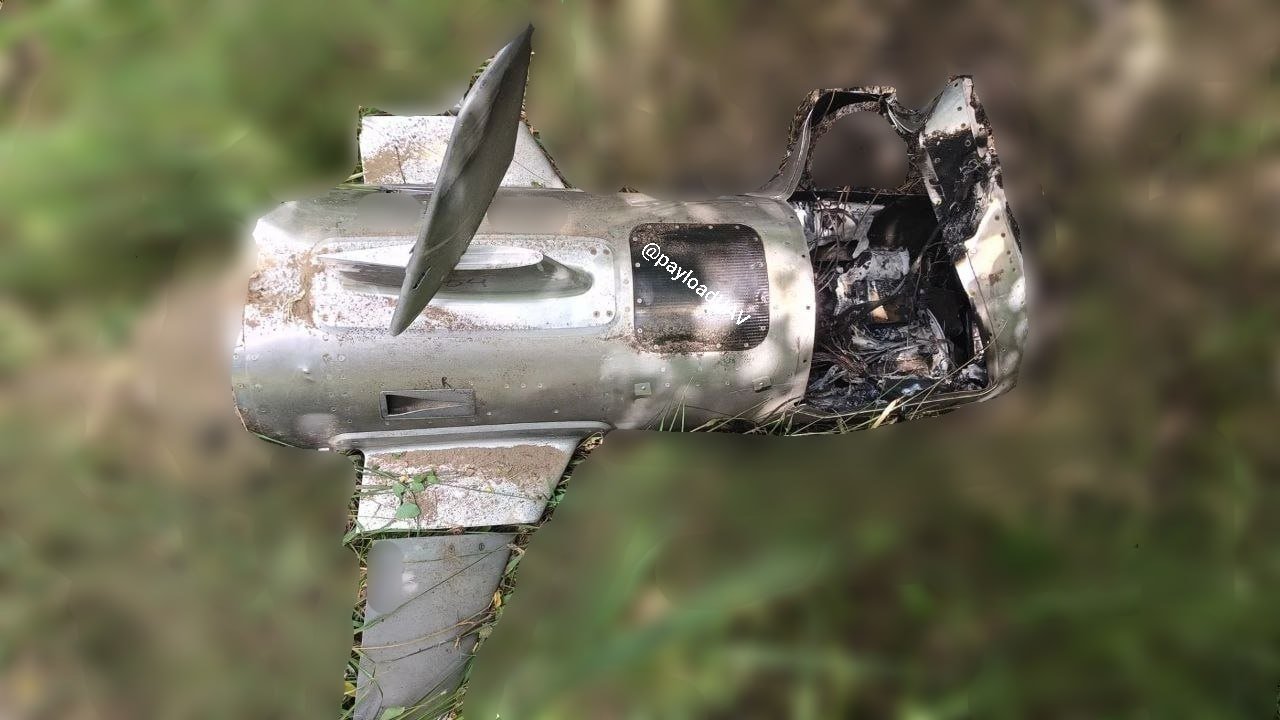
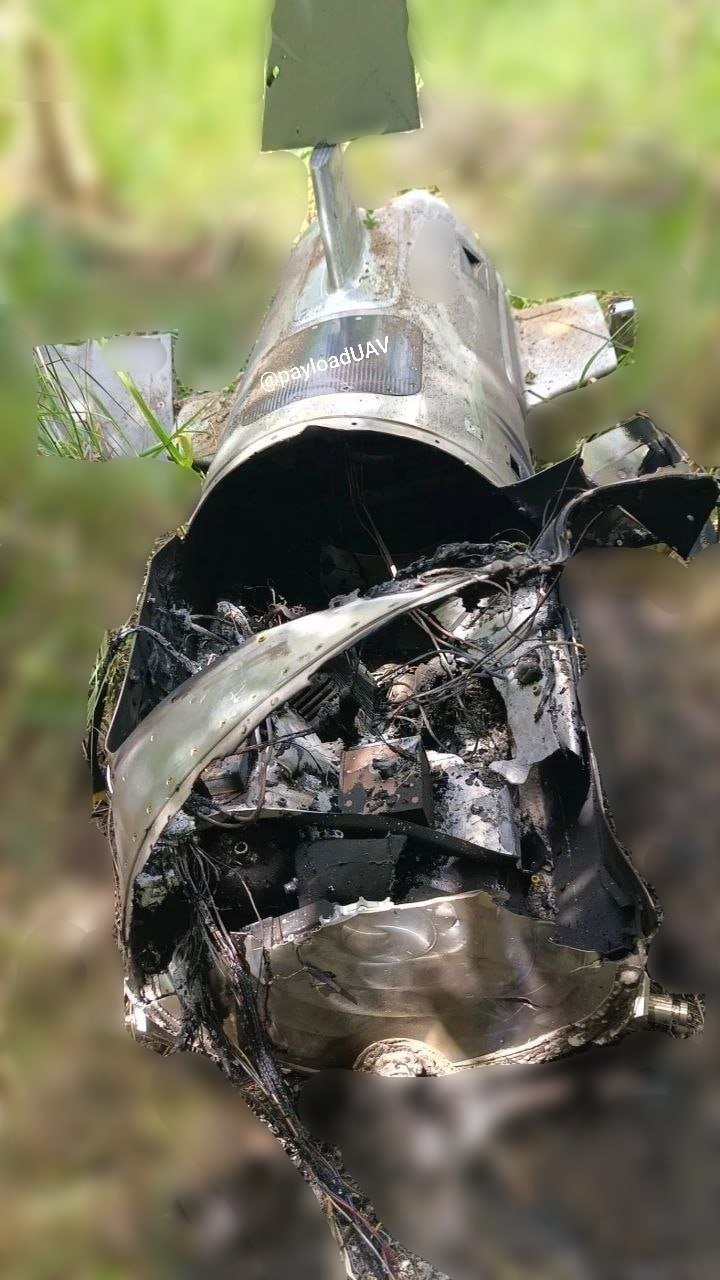
Images circulating on Russian Telegram channels appear to show the remains of a Ruta Block 1 cruise missile after an operational strike, potentially marking the first publicly visible evidence that the Dutch-produced weapon has entered combat use in Ukraine. The material, described by The War Zone as the first imagery of its kind, has not been independently verified. Even with that caveat, the appearance of wreckage consistent with the missile’s known layout is significant because it fits a larger pattern: Ukraine is steadily expanding the range, variety, and scale of the systems it can use to hold targets at risk far from the front.
The reported sighting matters less as a single battlefield anecdote than as an indicator of direction. Ukraine has spent much of the war building a strike complex that depends increasingly on lower-cost, mass-producible systems rather than a small pool of expensive precision weapons. If the wreckage is authentic, the Ruta Block 1 would sit squarely inside that approach. According to the source text, the missile is presented as a low-cost cruise missile with a reported 150-kilogram warhead and 300-kilometer range, attributes that make it relevant not only tactically but industrially. A weapon with those characteristics could fill an important middle tier between shorter-range attack drones and scarcer, more sophisticated long-range missiles.
What the Imagery Does and Does Not Show
The available claims remain constrained. Russian military bloggers published photos showing debris that reportedly includes fuselage sections, internal components, and part of the tailfin assembly. The War Zone reported that these remains appear consistent with known design characteristics of the Ruta Block 1. At the same time, the publication was explicit that the imagery has not been independently verified, and it noted that another possibility cannot be ruled out entirely: the wreckage could belong to a previously undisclosed Ukrainian cruise missile with a broadly similar configuration.
That uncertainty is essential to any serious reading of the story. Open-source war reporting often advances in fragments, especially when new weapons first appear. Wreckage photos, social-media video, and unofficial military commentary can reveal real developments before formal confirmation arrives, but they also carry substantial risk of misidentification. In this case, even the exact location of the strike and the intended target remain unclear in the supplied source text. Russian military bloggers reportedly claimed the missile was intercepted by air defenses, but that claim also could not be independently verified.
Even so, the evidence threshold for strategic relevance is not necessarily the same as the threshold for final confirmation. The possibility that Ukraine has begun operational use of another domestically integrated or externally supplied long-range strike option is itself notable because it aligns with the broader tempo of the war. Ukraine has repeatedly sought to complicate Russian air defense planning by mixing different types of weapons, profiles, speeds, and costs. A system like Ruta Block 1 would fit neatly into that logic.
Why Low-Cost Cruise Missiles Matter
For much of modern warfare, long-range precision strike has been associated with high-end inventories, complex manufacturing chains, and tightly rationed use. Ukraine’s wartime adaptation has pushed in a different direction. Alongside more traditional capabilities, it has relied increasingly on systems that can be built or fielded in larger numbers and that force the defender to spend disproportionate resources tracking and intercepting them.
A low-cost cruise missile is valuable not because it replaces every other category of munition, but because it changes the attacker’s economics. If a country can produce or procure more rounds at lower unit cost while maintaining useful range and warhead weight, it can sustain pressure on logistics hubs, command nodes, fuel infrastructure, airfields, or other rear-area targets more consistently. That kind of pressure shapes the battlefield over time. It can force dispersal, consume defensive interceptors, and create uncertainty about what lies safely beyond the immediate front.
The source text describes the Ruta Block 1 as another addition to an increasingly diverse arsenal able to threaten targets deep inside Russia. That is the larger story. Diversity in strike systems makes defense harder. Air defenses must classify what they are seeing, prioritize among threats, and decide when to commit limited interceptors. The more varied the incoming set of systems, the more difficult that task becomes. A cheaper cruise missile therefore has value not only in the damage it may cause directly, but also in the stress it imposes on the defensive network.
The Dutch Connection and Industrial Context
According to the supplied material, the Ruta Block 1 is produced by Netherlands-based Destinus, founded by Russian exile Mikhail Kokorich. The report also says earlier coverage indicated the system was already being manufactured in the Netherlands and had been delivered to Ukraine since at least 2024. If accurate, that timing suggests the key development now is not first transfer but first visible combat evidence.
That distinction matters because the war’s industrial dimension increasingly shapes what is strategically possible. Delivery of a new weapon is one milestone; sustained manufacturing and recurring employment are more consequential ones. A weapon that is available in small experimental numbers may have symbolic value. A weapon that can be produced repeatedly and integrated into a regular strike campaign has operational value. The interest around the Ruta Block 1 stems from the possibility that it belongs to the second category.
It also reflects how European support for Ukraine has extended beyond legacy stockpiles into manufacturing and specialized systems. As the war has lengthened, the central question has become less about one-off deliveries and more about whether partners can help create durable production capacity. Systems that are cheaper and less constrained than the most advanced cruise missiles may prove especially important in that environment.
What to Watch Next
The next phase of this story will depend on corroboration. Additional imagery, official comment, recovered component details, or repeated sightings would all strengthen the case that the Ruta Block 1 is now part of Ukraine’s operational toolkit. Just as important will be whether future reporting can tie the missile to specific strike patterns, target types, or campaign objectives.
For now, the strongest conclusion supported by the supplied source text is cautious but meaningful: apparent evidence has emerged that Ukraine may be using the Dutch-made Ruta Block 1 in combat, and that possibility reinforces the wider trend toward scalable, lower-cost long-range strike systems. In a war where industrial endurance and adaptation increasingly matter as much as individual battlefield episodes, that trend may prove more important than the identity of any single missile.
This article is based on reporting by twz.com. Read the original article.
Originally published on twz.com