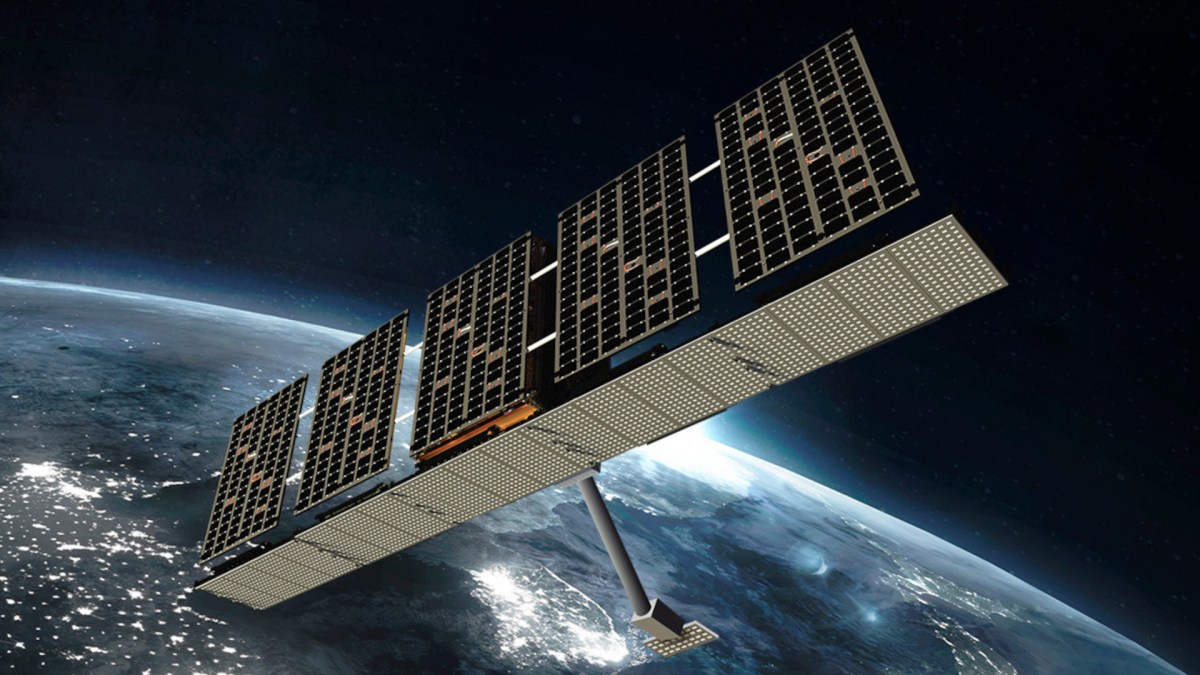
An unusually close encounter in orbit
A Russian satellite, Kosmos 2612, may have passed within about 85 feet, or 26 meters, of ICEYE-X36, a U.S.-registered commercial radar-imaging satellite, according to publicly available tracking data cited by The War Zone. If accurate, that would be an extraordinarily close pass between two spacecraft moving at orbital velocity.
The episode is significant not only because of the reported distance, but because it followed weeks of increasingly close orbital alignment. The account says Kosmos 2612 had been making progressively closer passes near ICEYE-X36 before the encounter, then maneuvered around the satellite, remained nearby for an extended period and later began moving away.
Independent confirmation of the smallest reported separation remains limited. LeoLabs, a private space-services company, told The War Zone it could not confirm or contradict other publicly stated data, but said it had high confidence that the objects came within approximately 500 meters, or 1,640 feet, of one another. That is substantially farther than 26 meters, but still a close approach in the context of space operations.
Why the target matters
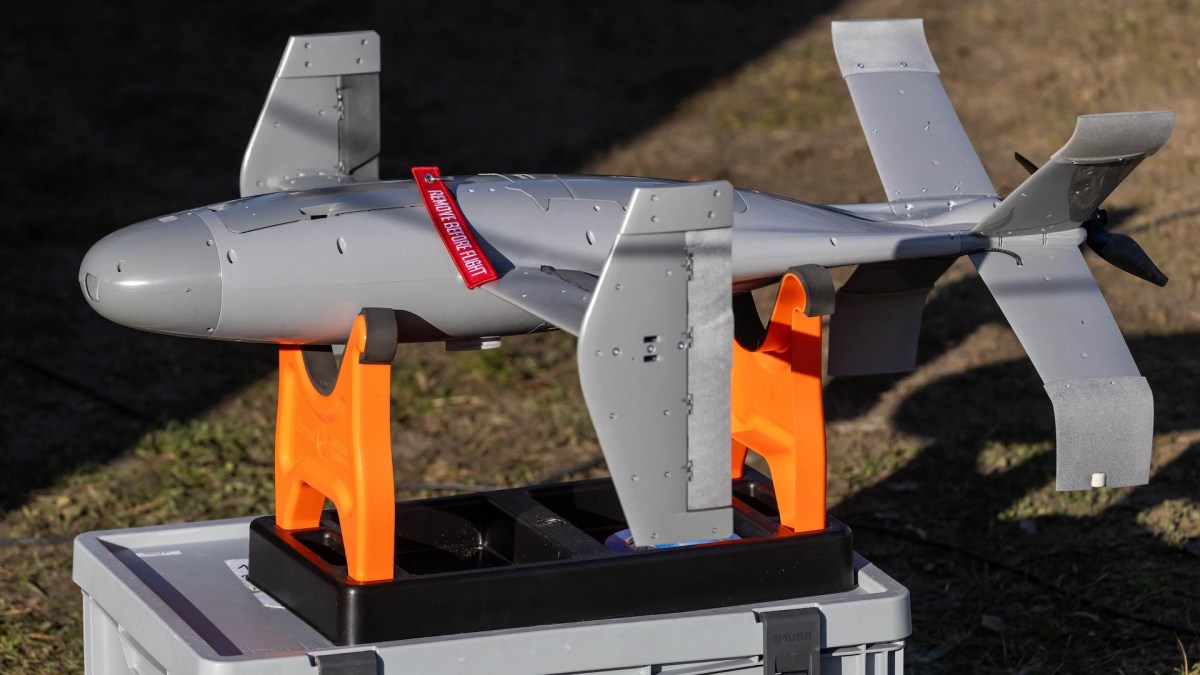
ICEYE-X36 is part of the commercial radar-imaging sector. Radar satellites can collect imagery independently of daylight and many weather conditions, making them valuable for a range of civil, commercial and security uses. The article notes that the spacecraft was Finnish-built, is registered in the United States and may have Ukrainian ownership or lease connections.
Those reported connections help explain why the satellite could be of particular interest to Russia. But the public information summarized in the source does not establish the intent behind Kosmos 2612’s maneuvers. Close proximity alone cannot prove that a satellite was conducting surveillance, testing a capability or preparing for a hostile act.
Still, the combination of repeated passes, progressively closer alignment and a reported period spent nearby elevates the event beyond an ordinary conjunction warning. In low Earth orbit, operators routinely manage predicted close approaches among a growing number of satellites and debris objects. What makes this case unusual is the suggestion of deliberate maneuvering toward a specific spacecraft.
Conflicting distance estimates underscore a tracking challenge
The difference between the roughly 26-meter figure from public tracking sources and LeoLabs’ assessment of approximately 500 meters illustrates one of the challenges in interpreting events in orbit. Publicly available orbital data can provide useful situational awareness, but precision at very close ranges can depend on the data source, timing and analytical method.
That uncertainty should temper definitive conclusions about the exact closest point of approach. It does not remove the broader concern identified in the report: Kosmos 2612 appears to have closed the distance from hundreds of kilometers away, maneuvered near ICEYE-X36, stayed in the area and then moved away.
For satellite operators and governments, the practical question is not only whether two vehicles come close once. It is whether their trajectories display a pattern that could create collision risk, complicate operations or demonstrate the ability to inspect, interfere with or threaten another object in space.
A growing security issue in a crowded orbital environment
Space has become more commercially active and more strategically consequential. Commercial imagery constellations, government spacecraft, communications systems and other satellites share increasingly busy orbital regimes. That density makes dependable tracking, rapid information-sharing and clear operational norms more important.
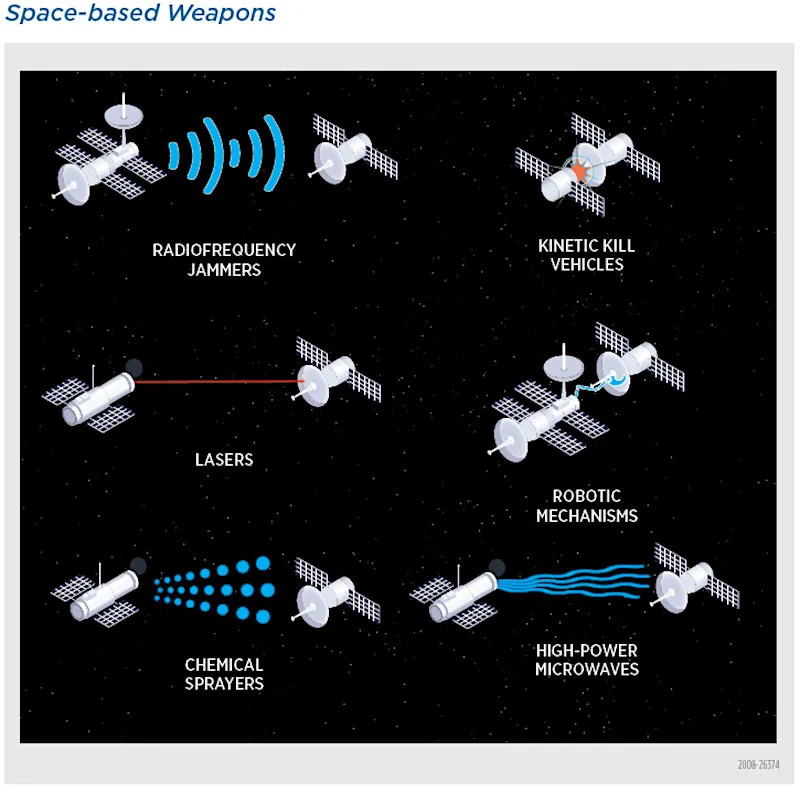
A very close maneuver can create hazards even without physical contact. A collision between satellites traveling at thousands of miles per hour could generate debris that threatens other spacecraft. It can also force operators to assess whether a maneuver is accidental, routine or intentional without having a complete view of another state’s objectives.
The Kosmos 2612 episode also points to a wider ambiguity in space security. Technologies that support legitimate activities such as inspection, rendezvous, servicing and debris removal can resemble systems capable of interference or attack. Intent, transparency and behavior therefore matter greatly, yet are often difficult to verify from the ground.
What can be concluded now
The available reporting supports a cautious conclusion: Kosmos 2612 conducted highly unusual close operations near ICEYE-X36, and at least one commercial tracking company assessed the satellites as having come within roughly 500 meters. Public sources cited by the article suggested an even closer encounter of about 26 meters.
It does not support a conclusive claim that Russia attempted to damage, seize or interfere with ICEYE-X36. Nor does it establish the target satellite’s precise operational role beyond its status as a commercial radar-imaging spacecraft with U.S. registration and reported possible Ukrainian links.
Even with those limits, the incident is a warning about how quickly orbital proximity can become a security concern. As satellites become more central to communications, imaging and military awareness, maneuvers that once might have been obscure technical events can carry strategic consequences. The need for better tracking, clearer norms and more reliable communication between operators is becoming harder to ignore.
This article is based on reporting by twz.com. Read the original article.
Originally published on twz.com