F-35C completes first arrested landing on future USS John F. Kennedy
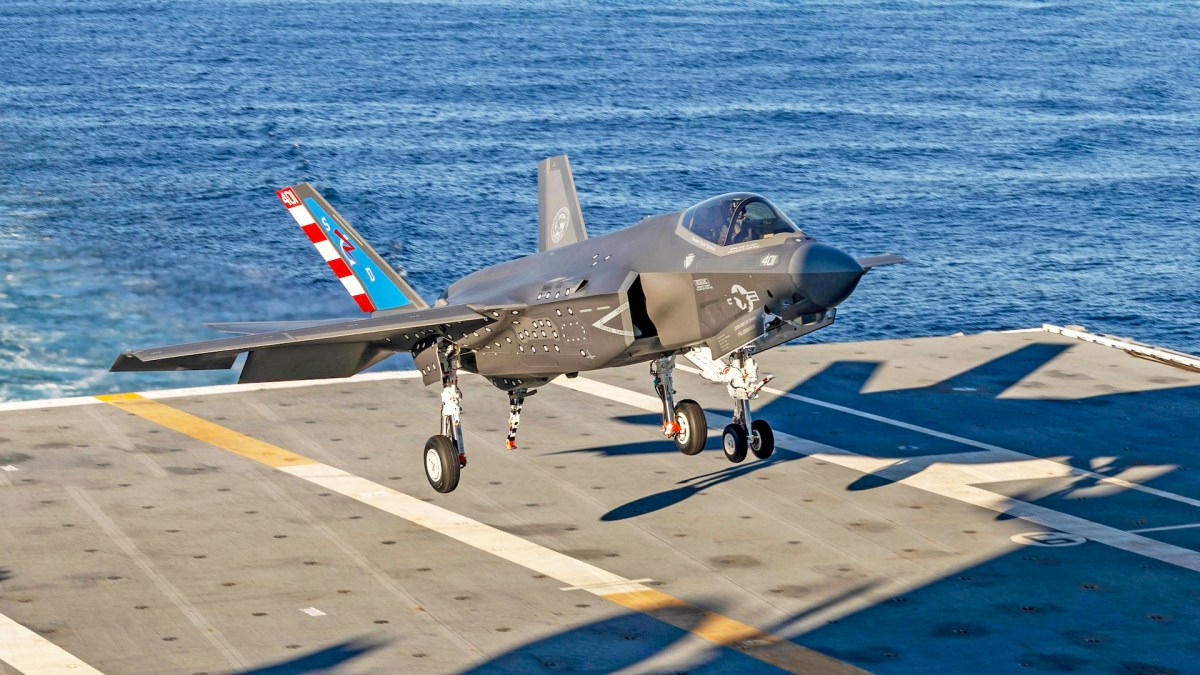
A U.S. Navy F-35C has made the first arrested landing by the carrier-capable stealth fighter aboard the future USS John F. Kennedy (CVN 79), marking a new stage in testing the aircraft with the Ford-class carrier.
The landing took place in the Western Atlantic on October 13 as part of an ongoing Aircraft Compatibility Testing campaign. The work is intended to evaluate how the F-35C operates with the advanced systems installed on the Navy’s newest carrier design.
Testing advanced launch and recovery systems
Two F-35C test pilots from Air Test and Evaluation Squadron 23, known as VX-23, flew to the carrier for the trial. The evaluation team includes personnel from the Patuxent River-based F-35 Integrated Test Force, which is using a specially instrumented F-35C.
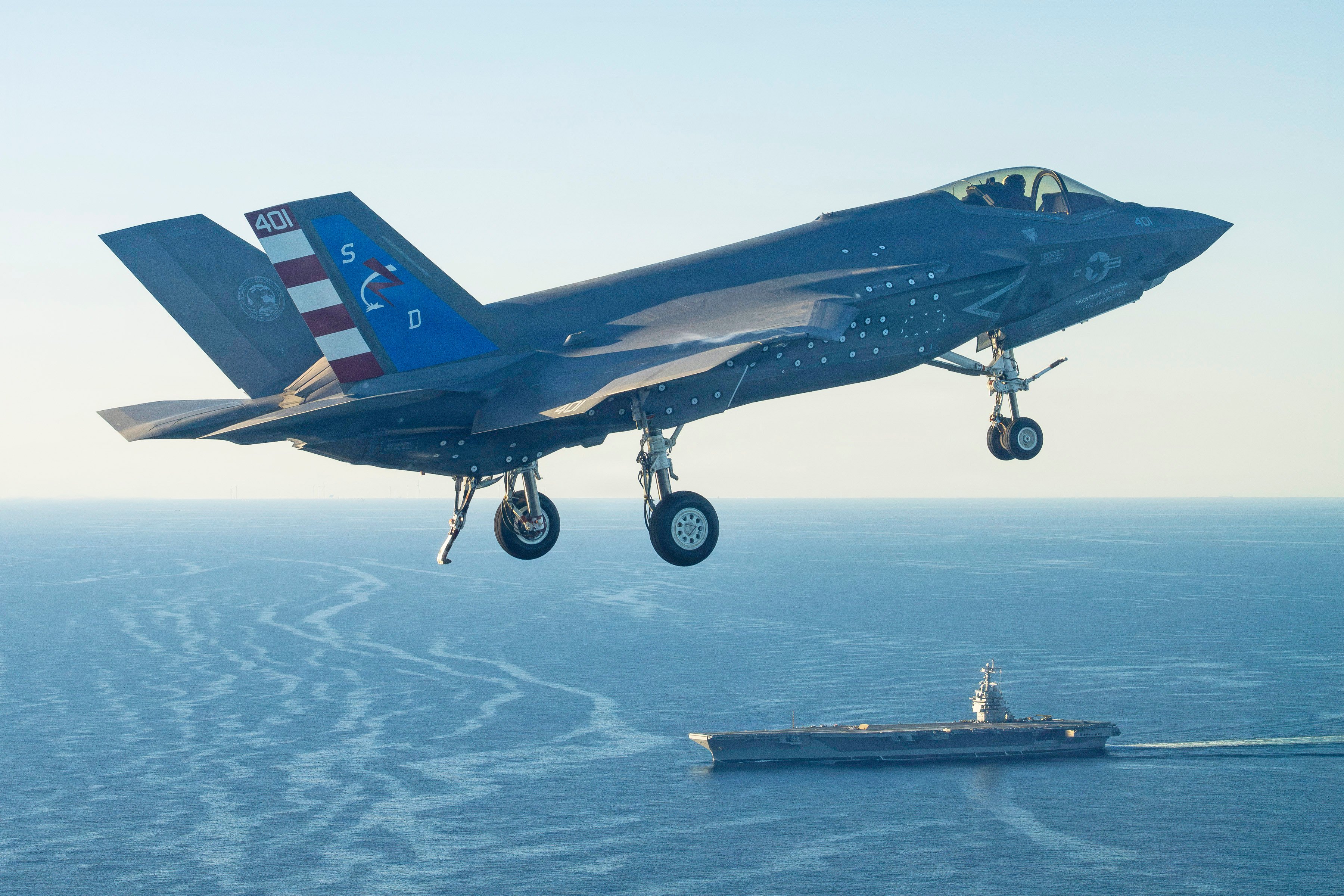
The Ford class replaces the preceding Nimitz-class design’s steam catapults and conventional arresting machinery with electromagnetic catapults and advanced arresting equipment. Demonstrating that an aircraft can safely recover aboard the ship is therefore an important part of integrating the F-35C into the carrier’s eventual air wing operations.
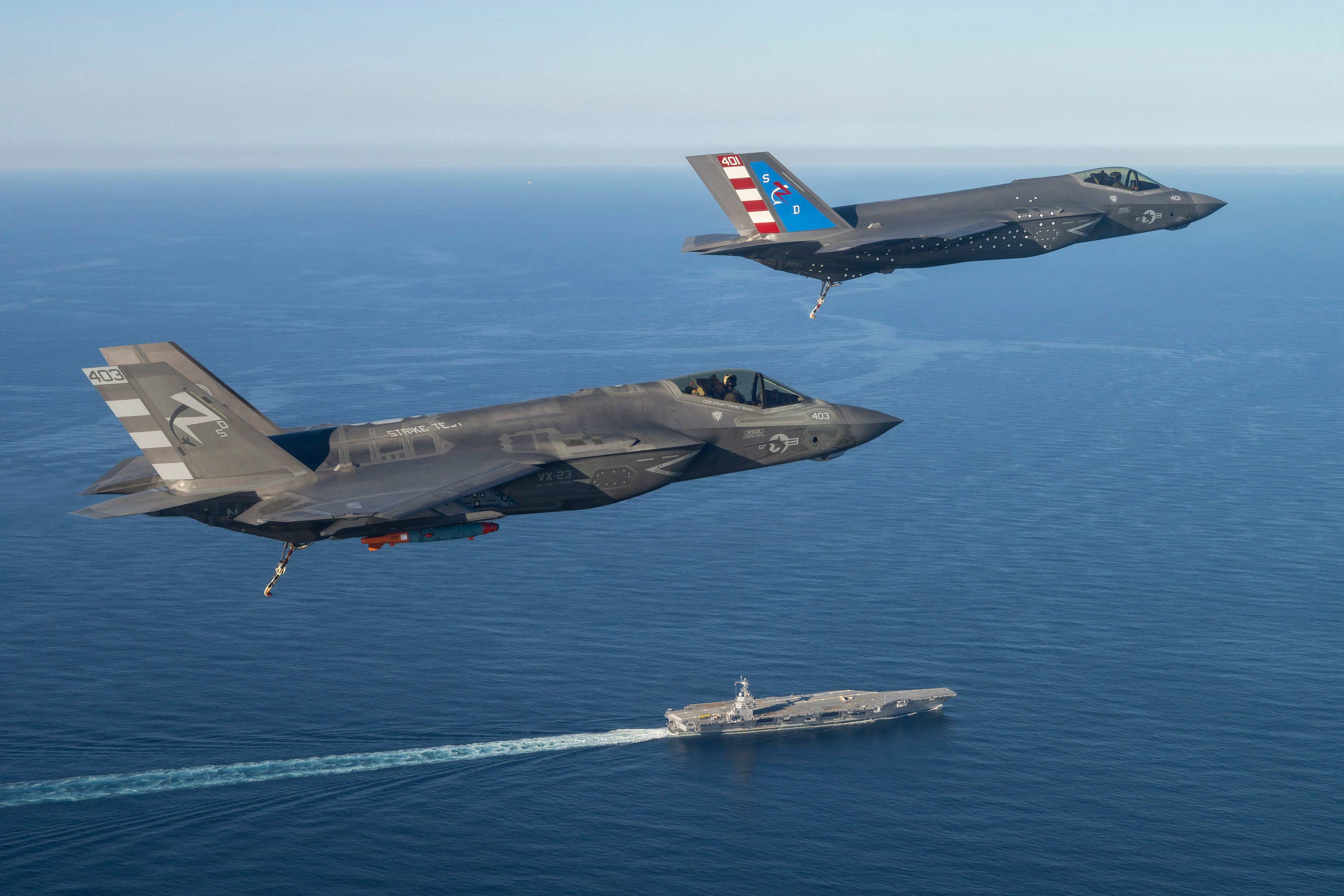
Released imagery showed two F-35Cs involved in the activity. One aircraft was seen landing aboard the ship, while another was photographed carrying inert Joint Direct Attack Munition bombs externally.
Carrier enters at-sea test phase
The Navy took preliminary acceptance of CVN 79 from Newport News Shipbuilding on September 29 after acceptance trials in August. That step allows the ship and crew to undertake at-sea testing and build operational proficiency while the shipbuilder completes final systems testing.
Formal delivery of the future USS John F. Kennedy is scheduled for spring 2027. The F-35C recovery milestone does not conclude the compatibility campaign, but it provides an early demonstration of the aircraft-carrier combination that will be central to Ford-class operations.
Why the milestone matters
The F-35C is the carrier variant of the Joint Strike Fighter. Its integration with the Ford class has been watched closely because the ships introduce launch and recovery technologies that differ substantially from those used aboard older U.S. carriers.
Arrested landings are a core carrier aviation task: the aircraft’s tailhook catches an arresting wire, allowing the fighter to stop rapidly on the flight deck. The October 13 event shows the program moving from carrier construction and system trials into a practical test of how the F-35C interacts with the ship’s recovery equipment.
- The landing occurred aboard the future USS John F. Kennedy in the Western Atlantic.
- VX-23 pilots and the F-35 Integrated Test Force are conducting the compatibility evaluation.
- CVN 79 is expected to be formally delivered in spring 2027.
This article is based on reporting by twz.com. Read the original article.
Originally published on twz.com