A faster route to reconfiguring the Black Hawk
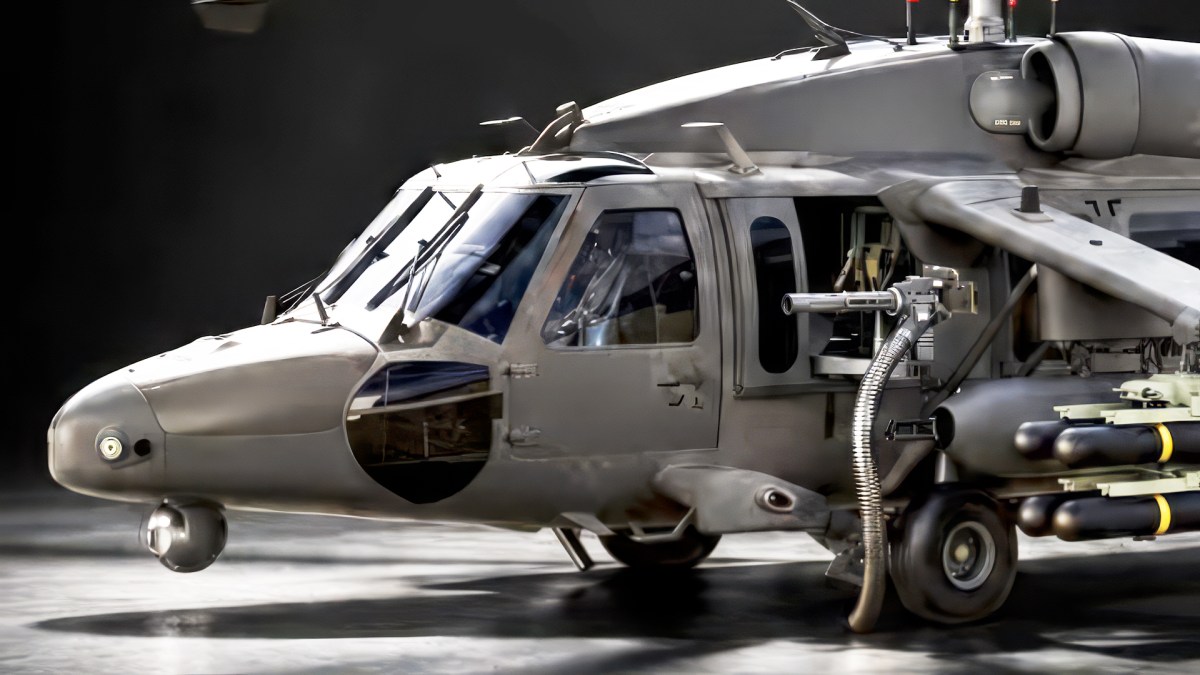
Sikorsky says it is aiming to make a new modular nose section for the H-60 Black Hawk helicopter family available within roughly a year. The company describes the effort as an accelerated element of its broader Black Hawk 2070 strategy, a plan intended to keep the long-serving helicopter design operationally relevant into the 2070s.
The proposed component is more consequential than its informal “nose job” label suggests. Sikorsky intends the larger forward structure to be readily swappable, allowing operators to adapt an aircraft for substantially different mission sets without redesigning the entire helicopter. The company says the hardware would be offered both on newly built H-60s and as a retrofit for helicopters already in service.
That approach could matter to fleets that need to shift between missions such as cargo transport and armed operations while incorporating changing sensor, communications and computing requirements. Rather than treating the front of the aircraft as a fixed enclosure, Sikorsky is positioning it as an accessible integration space for equipment that may evolve faster than the underlying airframe.
More room for sensors and communications
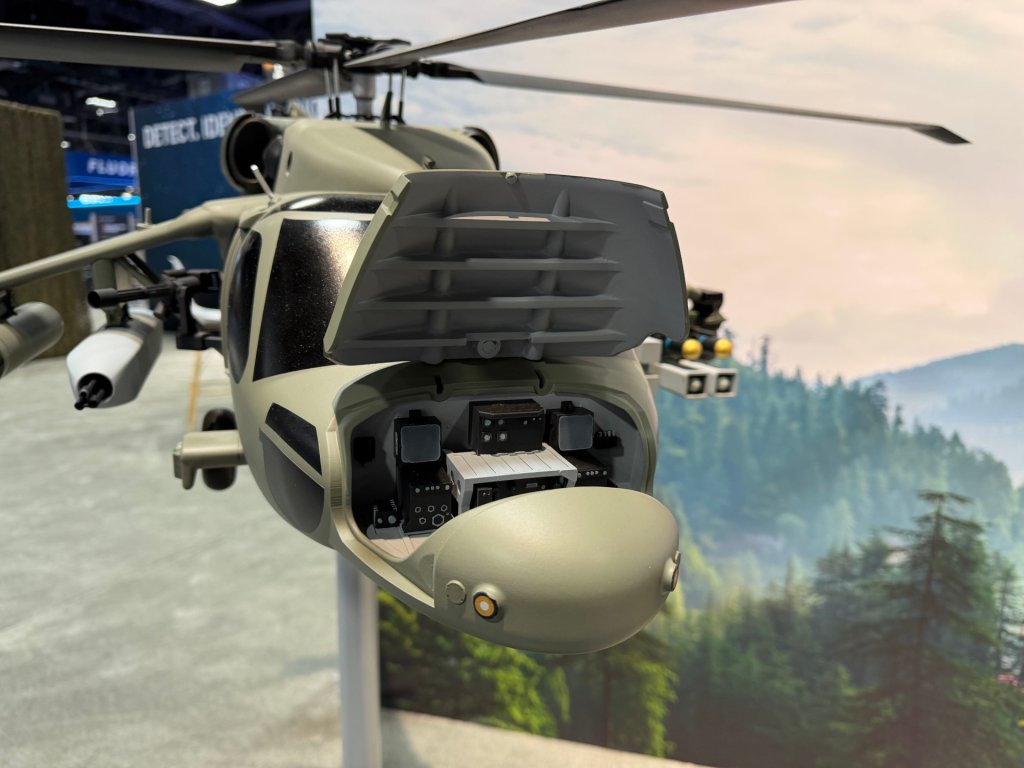
According to Sikorsky, the new nose structure would provide about twice the physical space of the standard nose on current-generation H-60 helicopters. The additional volume is intended to create more options for sensors, communications equipment and other mission systems.
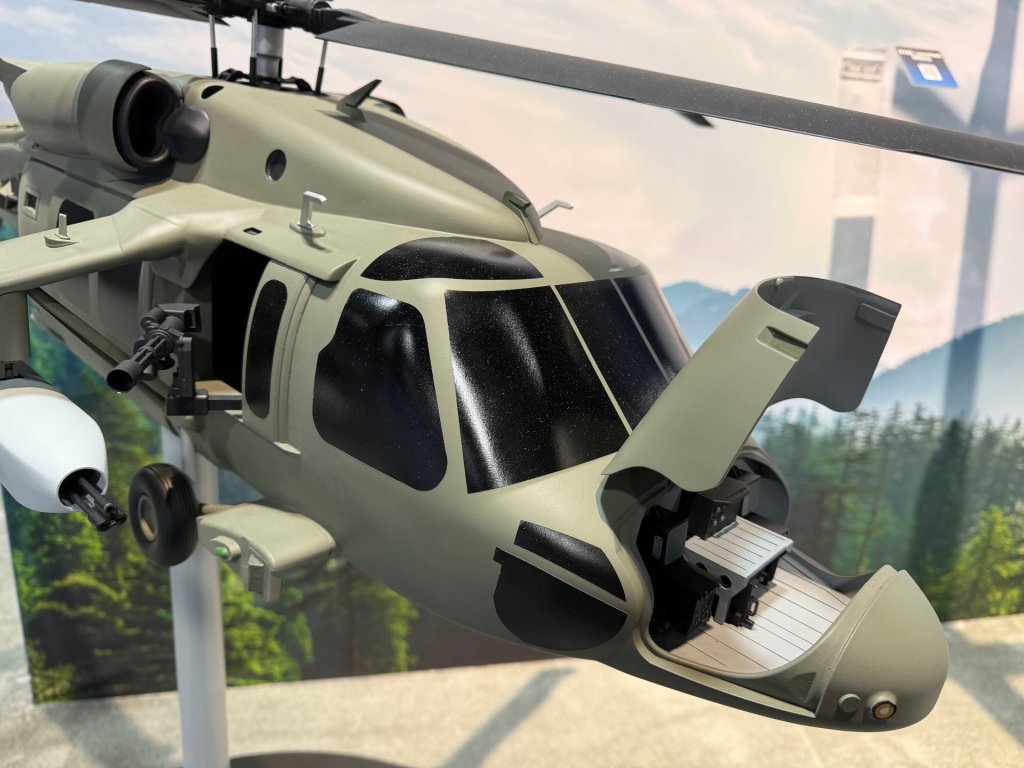
The company has already moved through a design cycle and produced 3D-printed versions of the nose. Those prints were used for physical interaction with the structure and to gather feedback from engineers, operators and maintainers. Sikorsky says maintainability and access were central concerns because the concept depends on crews being able to integrate and service different equipment without excessive difficulty.
The emphasis on access is important. A larger compartment alone does not guarantee a practical upgrade path if installations are difficult to reach, inspect or replace. Sikorsky’s test-print work focused on how people would physically interact with the design, with that feedback feeding into the next design cycle.

Part of the Black Hawk 2070 plan
The modular nose is one piece of a wider effort to extend the H-60 family’s useful life. Sikorsky has also tied the Black Hawk 2070 vision to uprated engines and greater total payload capacity. Together, those changes are aimed at preserving a mature aircraft platform while giving it room to accommodate new mission equipment and capabilities.
For military operators, the attraction is flexibility. A helicopter fleet can face changing needs over decades, including requirements for different sensors, communications systems, weapons-related equipment and autonomous functions. Sikorsky says the larger, replaceable nose opens new avenues for adding autonomous capabilities as well as other advanced functionality.
The company’s timeline remains an objective rather than a completed fielding milestone. Still, the stated intent to support both line-built aircraft and existing helicopters makes the plan notable: it is not limited to a future variant that would require customers to buy entirely new airframes.
A modernization strategy built around the installed fleet
The H-60 is a longstanding platform with a large installed base, and retrofitability is central to the proposal’s significance. A modular forward structure could offer an alternative to more extensive airframe modifications when operators need to introduce new systems or tailor aircraft for a particular role.
Sikorsky’s concept also reflects a broader pressure on established military aircraft programs. Airframes often remain in service for many decades, while the electronics and mission systems they carry can change far more quickly. Designs that make room for future equipment, and that simplify access to it, can become as important as incremental improvements in the aircraft’s original mechanical configuration.
Whether the planned nose becomes a widely adopted upgrade will depend on the final design, integration choices and operator demand. For now, Sikorsky has set out a clear near-term goal: a larger, modular H-60 nose that can be installed on new helicopters or retrofitted to existing ones, giving Black Hawk operators another path to adapt a familiar airframe for future missions.
This article is based on reporting by twz.com. Read the original article.

Originally published on twz.com