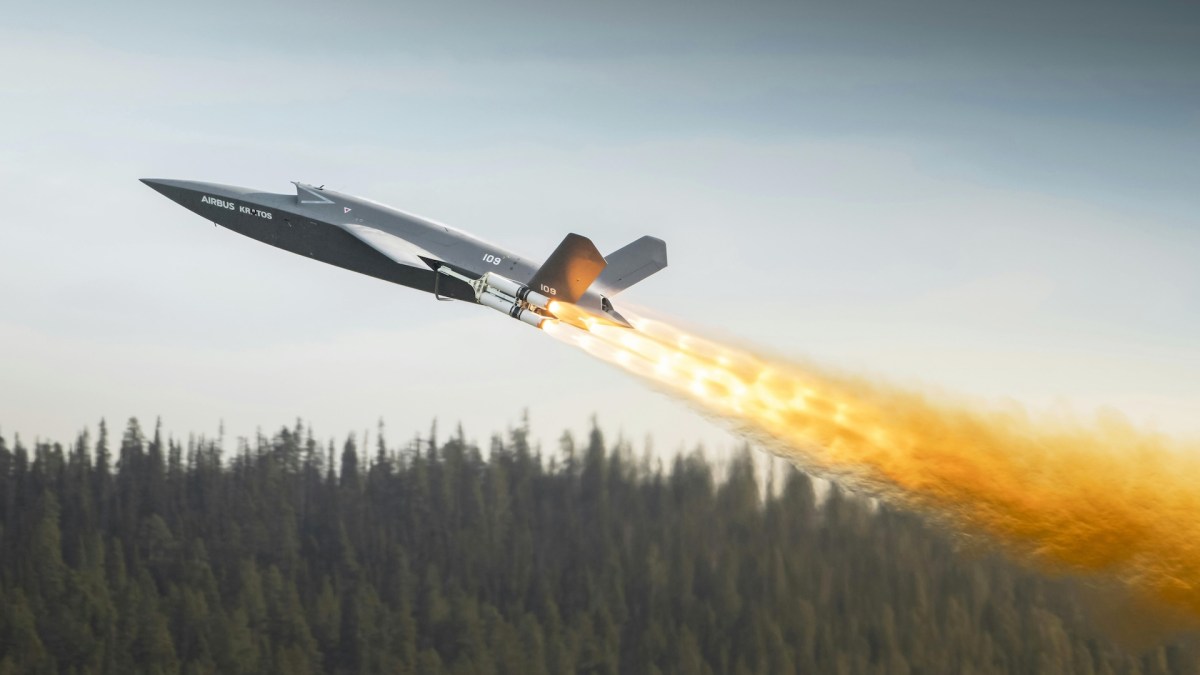
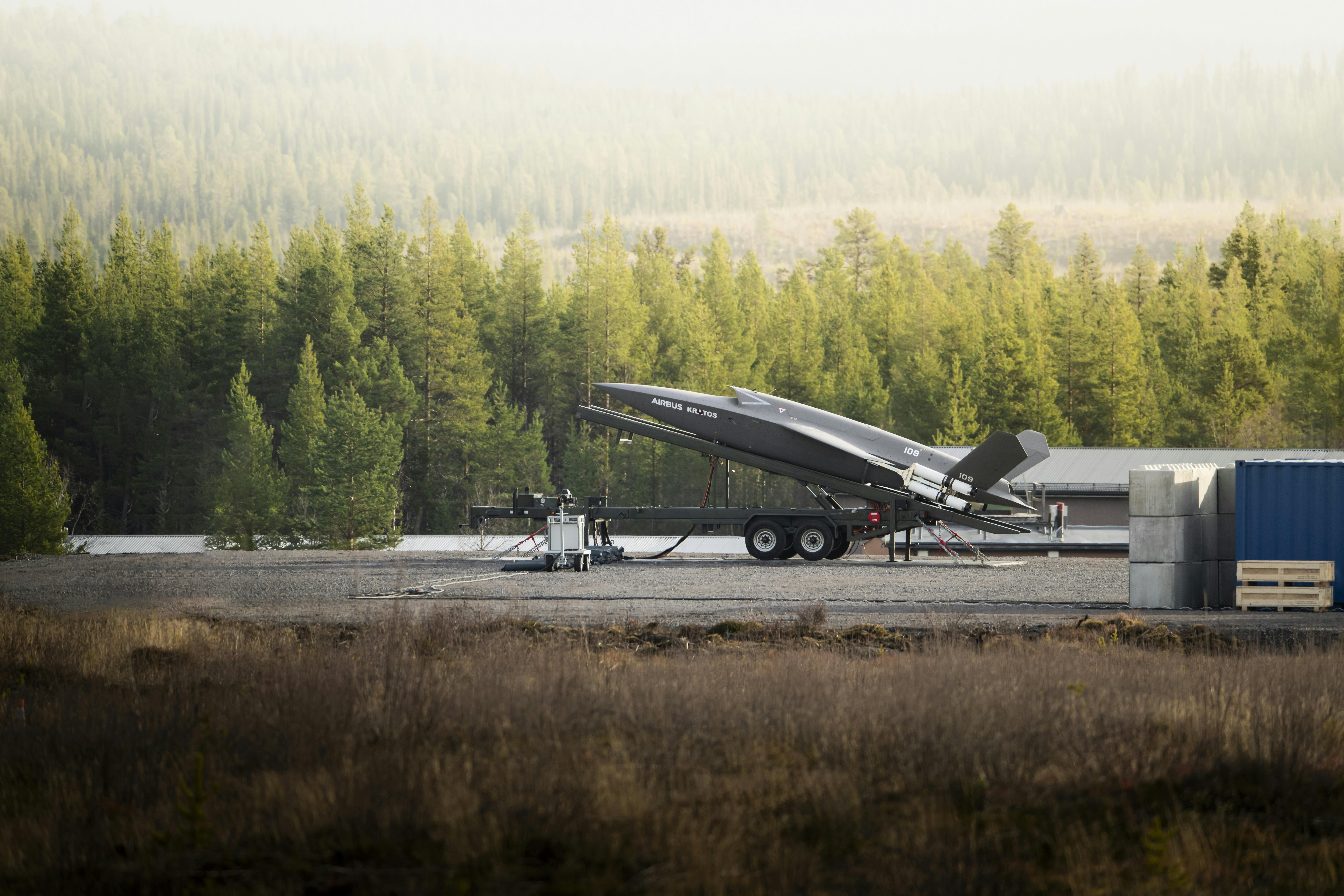
Airbus and Kratos Defense & Security Solutions have completed the first flight of the U740 Valkyrie, a Europeanized version of the XQ-58A uncrewed combat aircraft. The milestone moves the companies closer to their stated aim of offering Germany a combat-ready uncrewed system by 2029.
The test is significant not simply because a new aircraft flew. It comes as the German Air Force considers a new class of jet-powered combat drones, an area in which Germany has historically maintained more limited armed-uncrewed-aircraft capabilities than some allies. Airbus is positioning the U740 as a route to a European-controlled collaborative combat aircraft capability built around an existing U.S.-developed airframe.
A first flight focused on basic performance
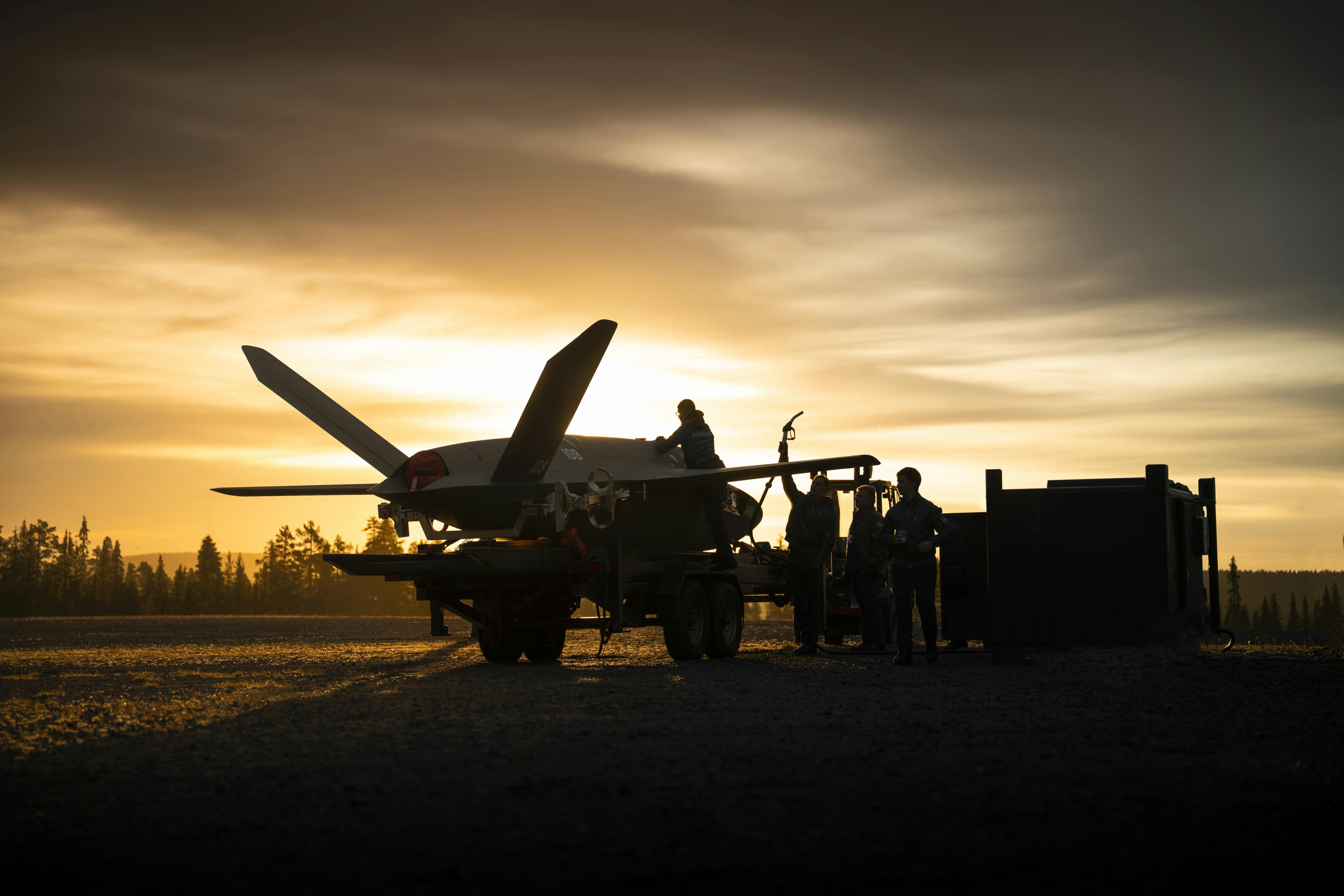
Airbus said the flight took place at an unnamed test facility in northern Europe and met all of its objectives. The U740 used rocket-assisted takeoff, maneuvered at multiple altitudes and reached speeds of up to Mach 0.8. Airbus also reported that the aircraft accepted in-flight mission adjustments during the sortie.
Those details point to an early but consequential stage of testing. A first flight is not a demonstration of operational readiness. It establishes that the platform can leave the launcher, fly its planned profile and respond to changes while airborne. For a program intended to develop an uncrewed combat aircraft, the ability to revise a mission in flight is especially relevant because it connects basic vehicle performance with the command-and-control questions that will shape later autonomy tests.
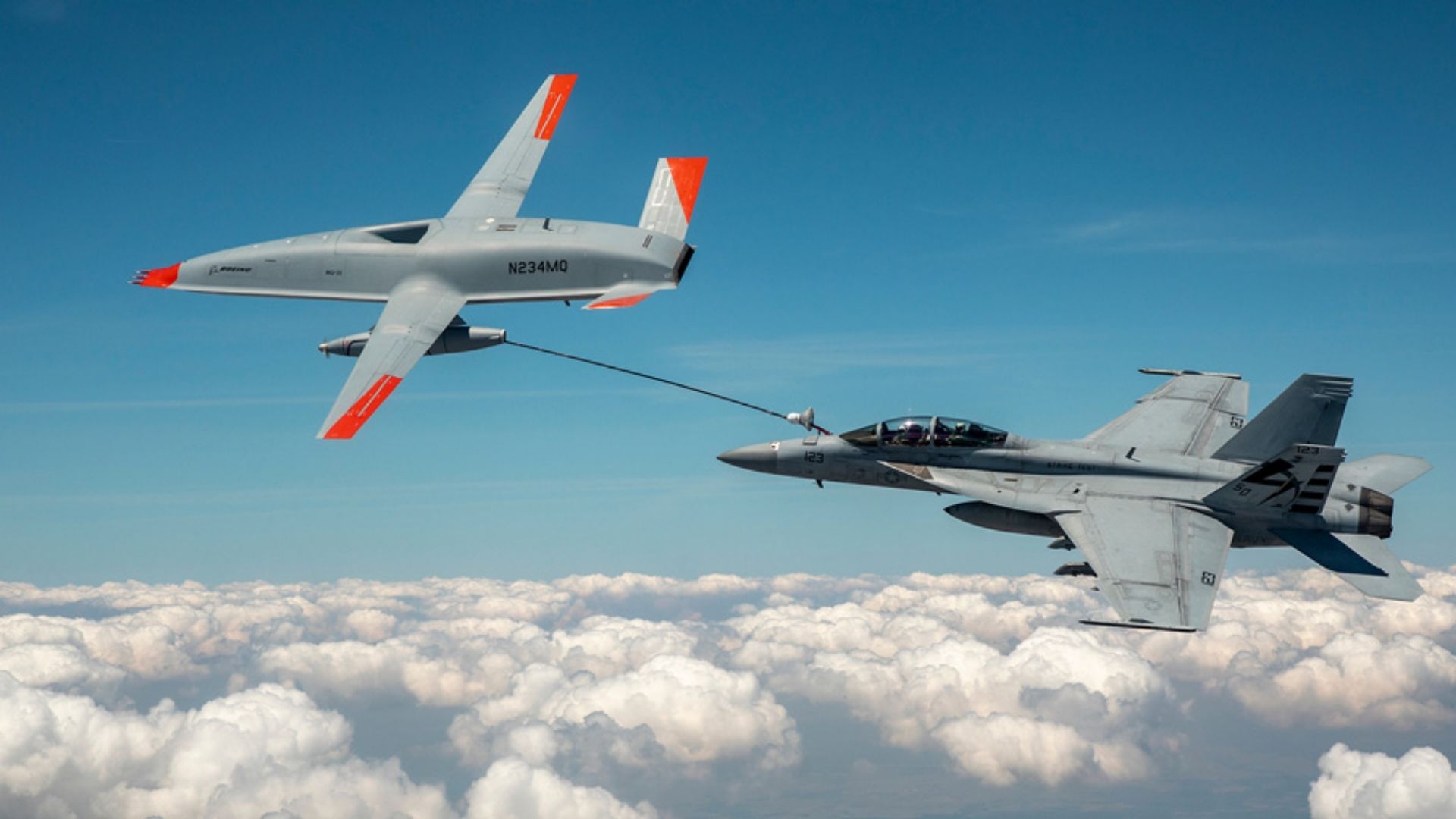
The U740 is based on Kratos’ XQ-58A Valkyrie, an American-designed uncrewed aircraft conceived as a comparatively affordable combat platform. Airbus is adapting that aircraft for European customers rather than pursuing a wholly new airframe. The approach is meant to shorten the path from a proven design to a system that can meet European requirements.
European software is central to the proposal
The next phase of development will add Airbus’ Multi-platform Autonomous Reconfigurable and Secure, or MARS, mission system. Airbus describes MARS as the European-controlled software and mission-management architecture for the aircraft.
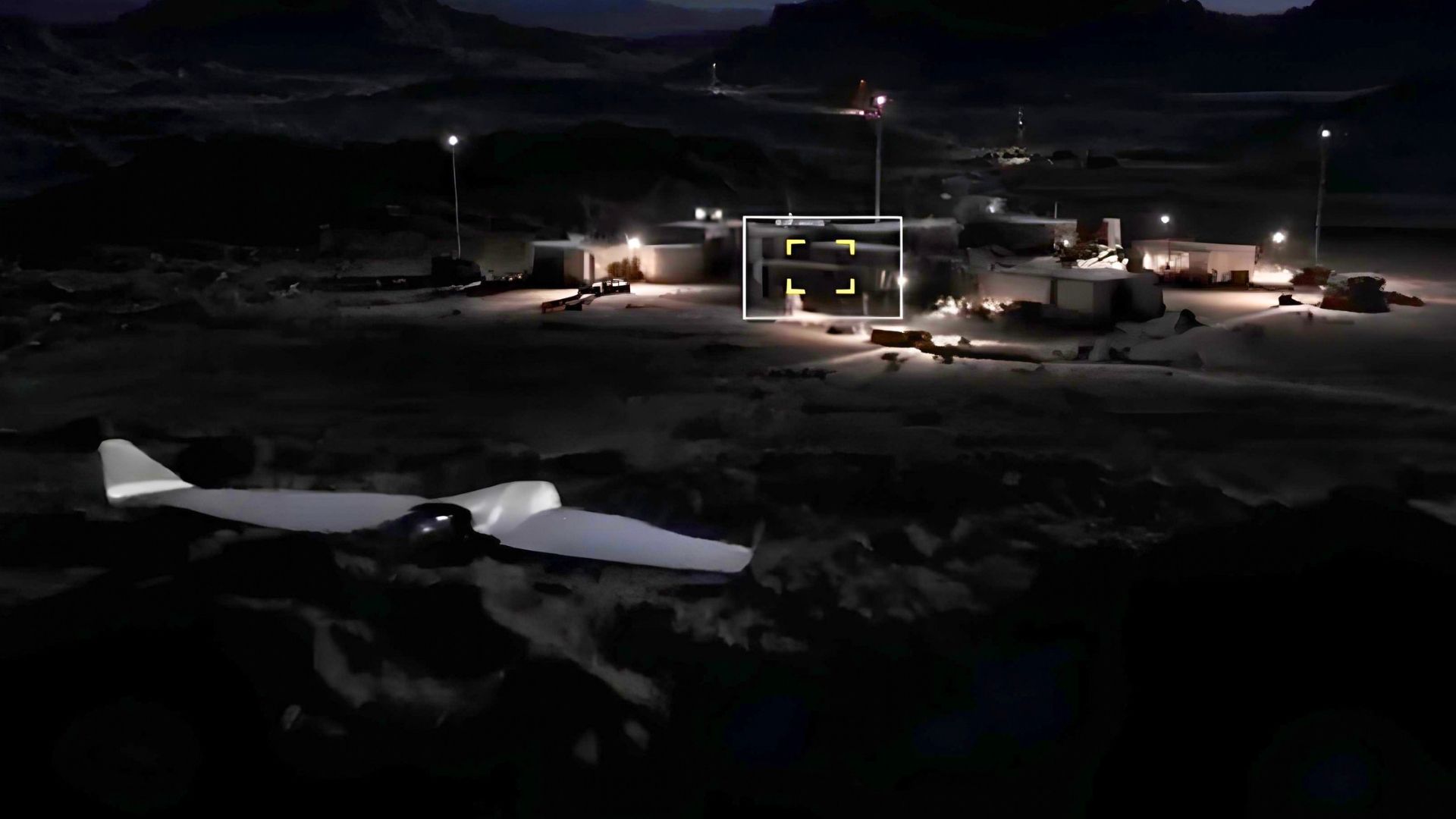
According to Airbus, the system is intended to support autonomous operations and coordination among multiple uncrewed aircraft while retaining human oversight of critical decisions. That combination is at the center of the collaborative combat aircraft concept: uncrewed platforms can be tasked, redirected and coordinated with other assets, but human operators remain responsible for key choices.
For Germany and other European customers, the distinction between an imported air vehicle and control of the mission system may be as important as the airframe itself. Airbus is presenting MARS as a way to provide a sovereign European capability. The company’s case is that European-controlled mission-management software can be integrated into a mature aircraft design without waiting for an entirely new domestic platform to complete development.
What the U740 could represent for Germany
The first flight arrives while the Luftwaffe is moving toward acquisition of jet-powered combat drones. Airbus and Kratos are seeking to place the U740 in that emerging requirement, with a stated target of delivering an operational system by 2029.
The proposal reflects a broader shift in air-power planning. Rather than treating crewed aircraft as the sole platform for high-end missions, air forces are examining how uncrewed aircraft can operate alongside them. The U740 is being offered as a collaborative combat aircraft, which signals a role in a networked force rather than a simple remotely piloted surveillance platform.
The program also illustrates the trade-off facing governments seeking advanced capability on a short timeline. Developing a completely new aircraft can offer maximum control over the design, but it requires time and technical risk. Adapting the XQ-58A gives Airbus and Kratos an existing foundation, while the MARS system is intended to tailor the platform’s mission architecture for European use.
The questions that remain
Much remains to be demonstrated before the U740 can be considered combat-ready. The companies have announced a successful initial flight, not an operational deployment. The future test program will need to show how the mission system performs, how the aircraft conducts autonomous operations and how multiple platforms can be coordinated with human supervision.
There are also procurement questions that the first flight does not answer. Germany’s interest in a new class of combat drones creates an opportunity, but an operational requirement, acquisition decision and fielding plan remain separate milestones. Airbus and Kratos will have to show that their adaptation of the Valkyrie can satisfy the needs of the Luftwaffe and any other European armed forces that may consider it.
Still, the flight gives the U740 program a concrete result at a time when collaborative combat aircraft are moving from concept work toward flight testing. Its importance lies in the combination Airbus is offering: a jet-powered uncrewed air vehicle derived from an established design, paired with a European mission-management system intended to preserve human oversight and European control.
For now, the aircraft’s first sortie is an opening proof point. The more consequential work will be integrating MARS and demonstrating whether the U740 can become the operational collaborative combat aircraft that Airbus and Kratos say they want to provide by 2029.
This article is based on reporting by twz.com. Read the original article.
Originally published on twz.com