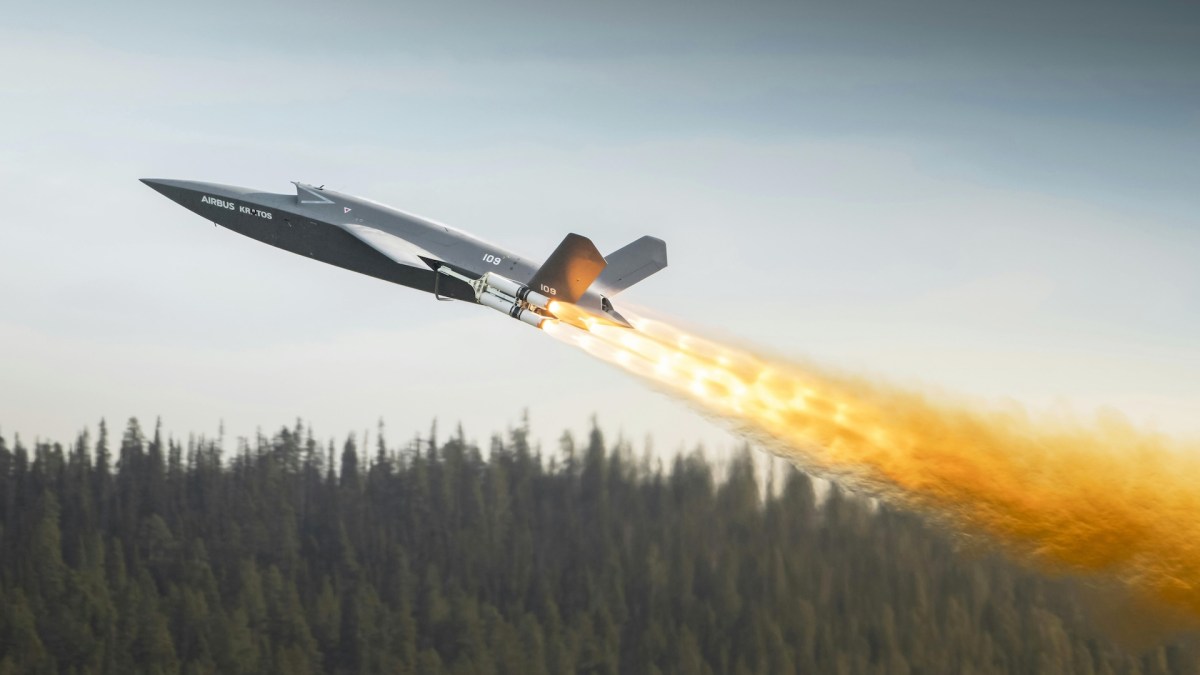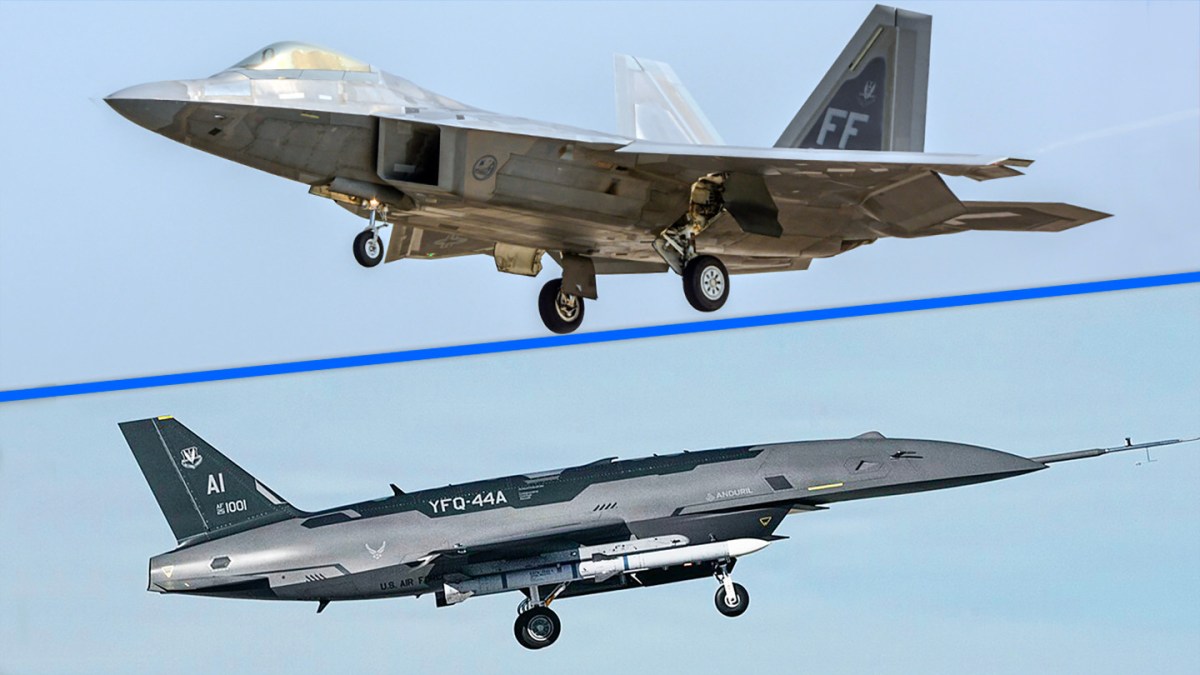
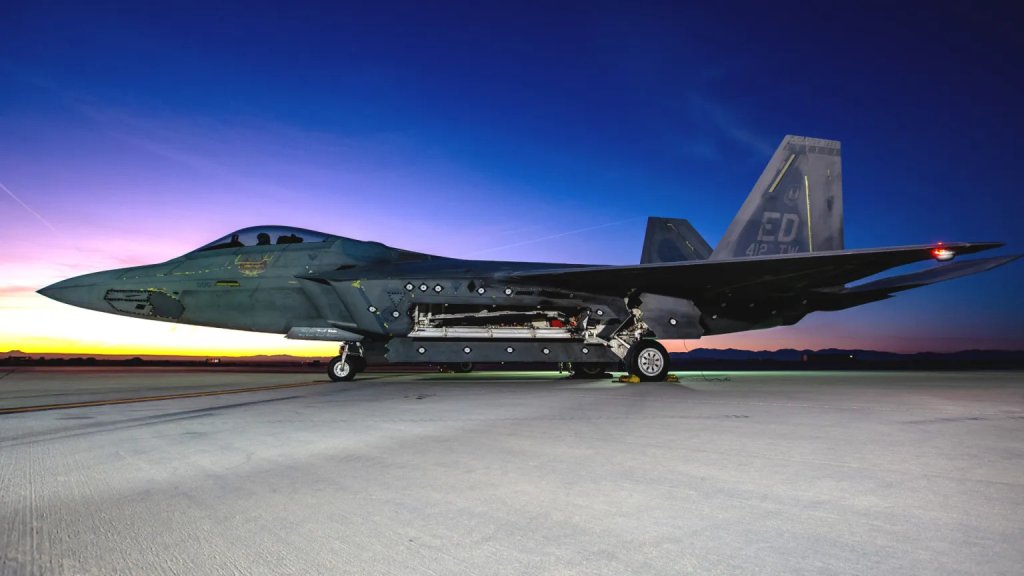
A US Air Force pilot flying an F-22 Raptor has issued commands to a pre-production YFQ-44A Fury collaborative combat aircraft in an airborne tactical-control demonstration, according to the Air Force and Fury prime contractor Anduril. The event is a milestone in the service’s plan to pair crewed fighters with uncrewed aircraft that can receive high-level direction while using onboard autonomy to carry out tasks.
The demonstration occurred earlier in October and was announced on October 16. An Anduril spokesperson confirmed that it was the first such test involving an F-22 and a pre-production YFQ-44A. During the event, the F-22 pilot acted as an airborne “quarterback,” issuing high-level tactical directives to one Fury aircraft.
According to the Air Force, the drone’s onboard autonomy software interpreted and executed those directives in real time, performing dynamic flight maneuvers and simulated combat tasks. The test is significant not because it turns the drone into a remotely piloted aircraft in the traditional sense, but because it examines a model in which the crewed aircraft commander provides intent while the uncrewed system performs the immediate execution.
A step toward crewed-uncrewed teams
The Air Force’s Collaborative Combat Aircraft program is designed around uncrewed aircraft operating alongside crewed platforms. In this case, the F-22 is expected to be among the first aircraft to serve as an airborne command node for CCAs when they enter operational service.
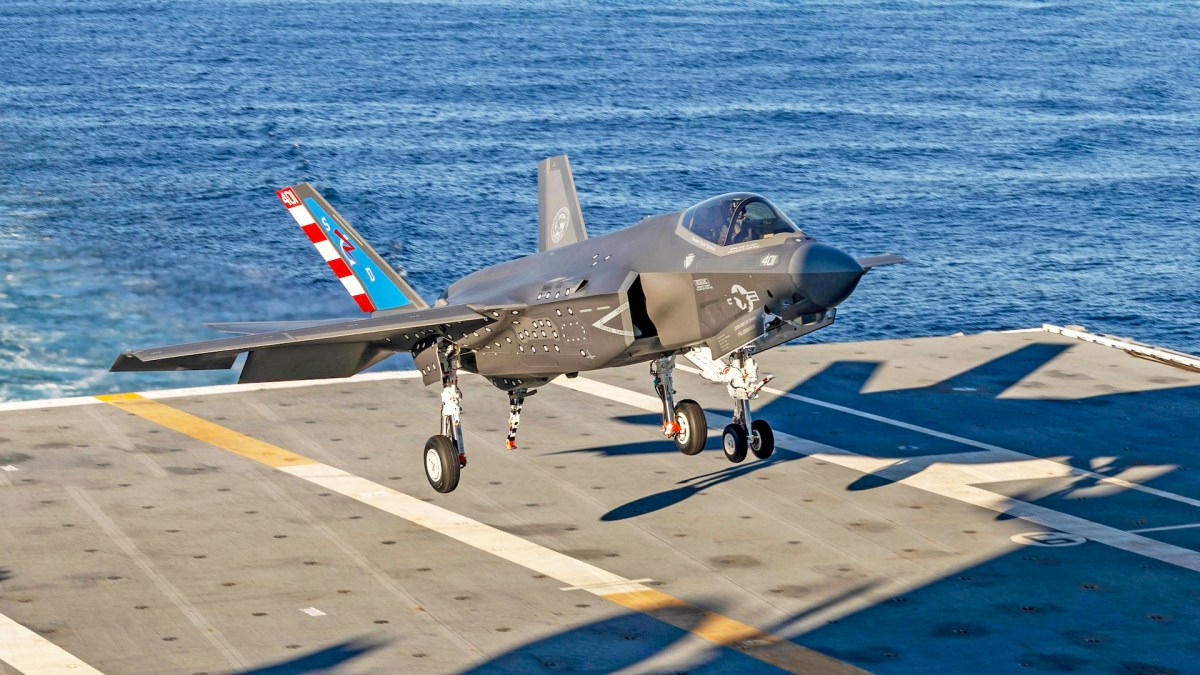
The service and industry have previously disclosed related Fury testing. Anduril said last month that Fury aircraft had flown in formation with F-35 fighters, but emphasized at that time that the F-35s were not issuing in-flight commands to the drones. Earlier this year, a Fury drone also launched an AIM-120 Advanced Medium-Range Air-to-Air Missile for the first time.
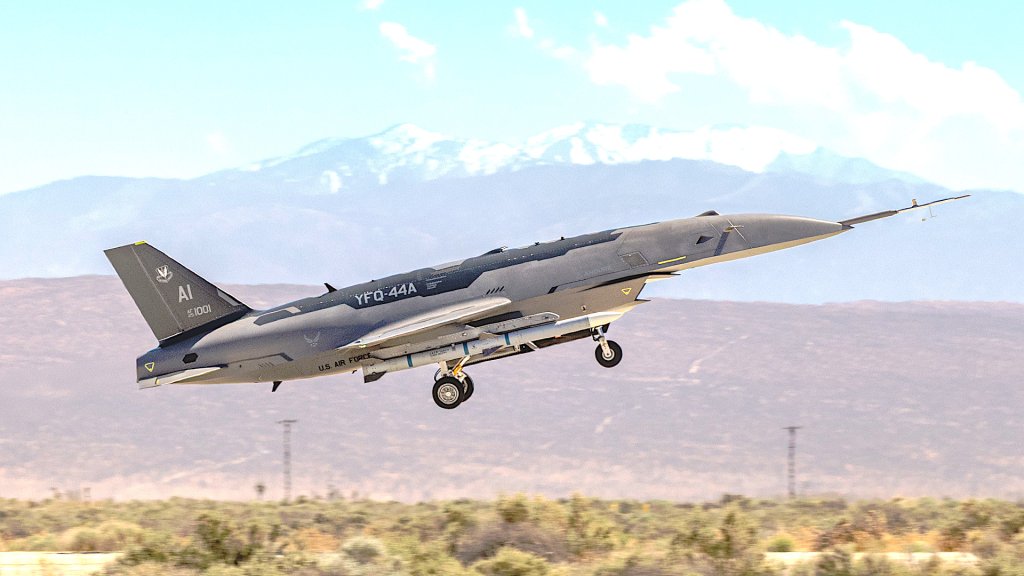
The newly announced test adds a different capability: tactical direction from a fighter pilot in the air. The Air Force described those directions as high-level rather than a stream of individual control inputs. That distinction points to the role planned for autonomy in the CCA concept. The pilot is meant to direct the mission and employ the larger formation, while the uncrewed aircraft’s software converts commands into real-time action.
FQ-44 production plans
The Air Force has orders in place for production FQ-44A aircraft as well as General Atomics FQ-42A Vengeance drones under Increment 1 of the CCA program. Increment 1 is the program’s initial acquisition phase, but it is not intended to define the entire future fleet. The service plans to acquire additional collaborative combat aircraft through a follow-on Increment 2, potentially including entirely different designs.
The current goal is to field at least 500 Increment 1 CCAs by 2032. The service is working toward an initial operational tranche entering service around the end of the decade. Against that timeline, the F-22-to-Fury control test is an early practical check of how a crewed fighter and an autonomous uncrewed aircraft can operate as a team.
The F-22’s role is especially notable because the Raptor is set to be the first aerial “quarterback” for these aircraft. Its pilot would need to retain awareness of the wider mission while also employing an uncrewed teammate. Demonstrations that move control functions into an aircraft cockpit can help establish how that role may work in actual flight conditions.
Autonomy at the center of the test
The Air Force said the YFQ-44A’s onboard autonomy interpreted the pilot’s directives and conducted dynamic maneuvers and simulated combat tasks. That means the test centered on the interaction between human judgment and autonomous execution, not simply the ability to pass a command signal from one aircraft to another.
For the CCA program, that division of responsibilities could be central to scale. The Air Force is planning a large fleet, and a single pilot cannot practically fly multiple uncrewed aircraft through every maneuver in the manner of a conventional remote-control operator. The demonstrated approach instead relies on the pilot issuing intent and the aircraft software acting on it.
The announcement does not detail the exact directives issued, the maneuvers conducted, or the simulated tasks performed. It does establish that the F-22, a pre-production Fury aircraft, the relevant Air Force test organizations, and Anduril were brought together for an airborne tactical-control event.
What comes next
The test does not mean that operational CCA squadrons are imminent. The Air Force still has years of work ahead before its stated end-of-decade initial-service objective, including production, integration, software development, and further evaluation. But it gives the program a publicly stated milestone as it transitions from individual aircraft tests toward crewed-uncrewed mission systems.
The FQ-44A and FQ-42A are the first two production-bound designs in that effort. The service’s plans for Increment 2 also leave room for the CCA fleet to develop beyond those first aircraft. For now, the F-22 and Fury demonstration offers a concrete example of the operational idea driving the program: a crewed fighter pilot provides tactical direction, and an autonomous uncrewed aircraft responds in real time.
That concept will be tested repeatedly as the Air Force works toward fielding hundreds of CCAs. The October demonstration shows that the service is beginning to evaluate the cockpit-to-autonomy relationship it expects to be fundamental to those future formations.
This article is based on reporting by twz.com. Read the original article.
Originally published on twz.com