A plan to populate the stratosphere
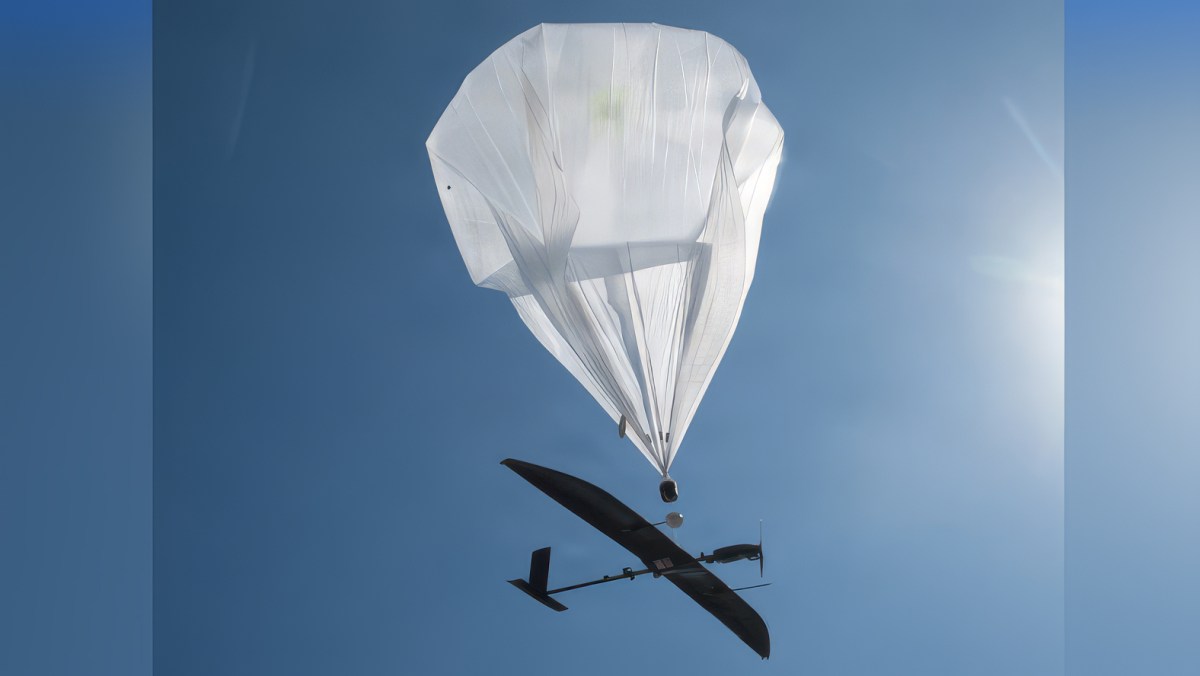
The US Army is considering a future battlefield role for large numbers of high-altitude balloons, using them as a distributed layer for surveillance, communications, electronic operations, decoys and potentially the deployment of air-launched drones.
Brig. Gen. Steven Carpenter, commanding general of Multi-Domain Command Europe, told The War Zone at the Association of the U.S. Army conference that he wants to “proliferate the stratosphere” with high-altitude balloons. He described deploying 200 or 300 at a time in a potential European conflict scenario.
The proposal reflects a growing military interest in lighter-than-air systems that can operate at high altitude and be fielded in large numbers. Rather than treating balloons as a single-purpose surveillance platform, the Army concept would use them as a flexible, attritable network across a wide area.
Reconnaissance, networking and decoys
According to Carpenter’s description, balloons could provide communications retransmission, electronic sensing and electronic attack. They could also serve as decoys, complicating an adversary’s effort to identify and target more valuable assets.
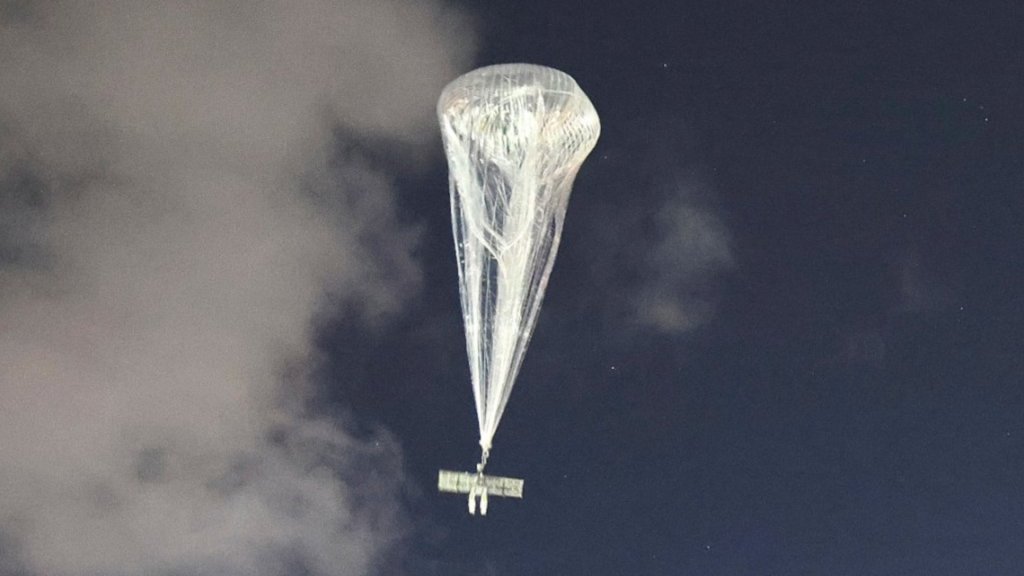
That distributed role could become especially important if other layers of military networking are disrupted. The War Zone reported that the balloon network could help fill gaps if space-based capabilities were degraded, providing an active communications and sensing layer over the battlefield.
High-altitude balloons can carry sensor payloads and remain aloft for extended periods, making them useful for observing large areas. Their relative simplicity compared with satellites or some crewed aircraft also makes them candidates for attritable operations, where commanders expect some platforms to be lost.
A platform for air-launched effects
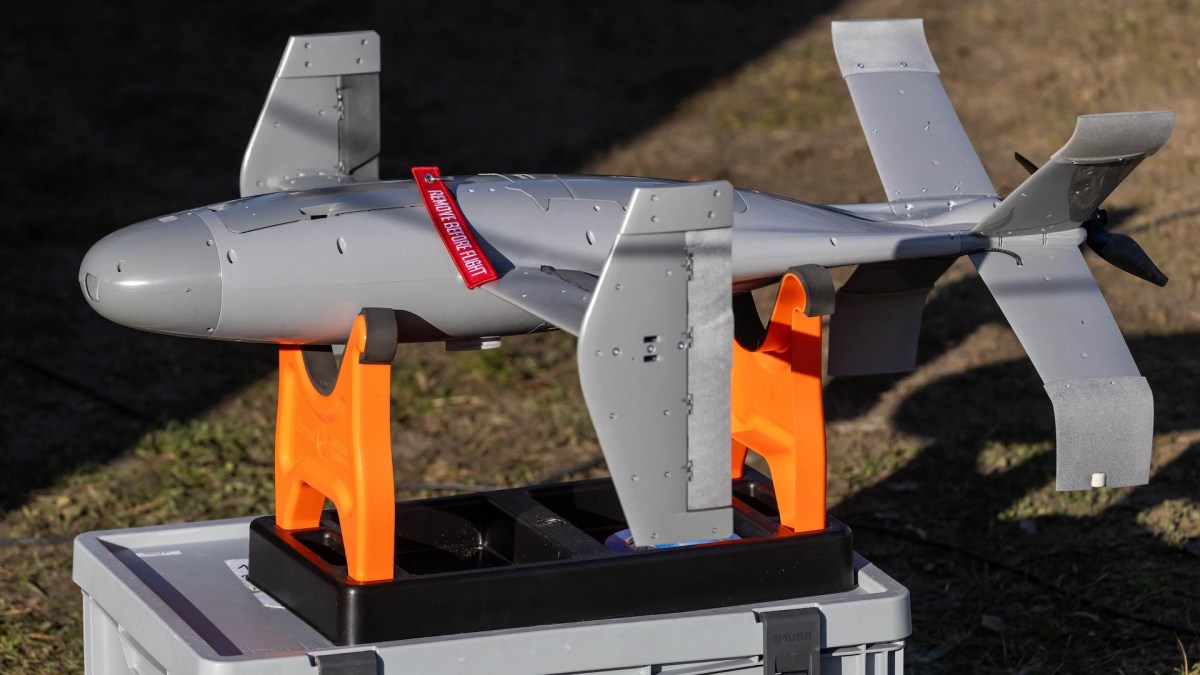
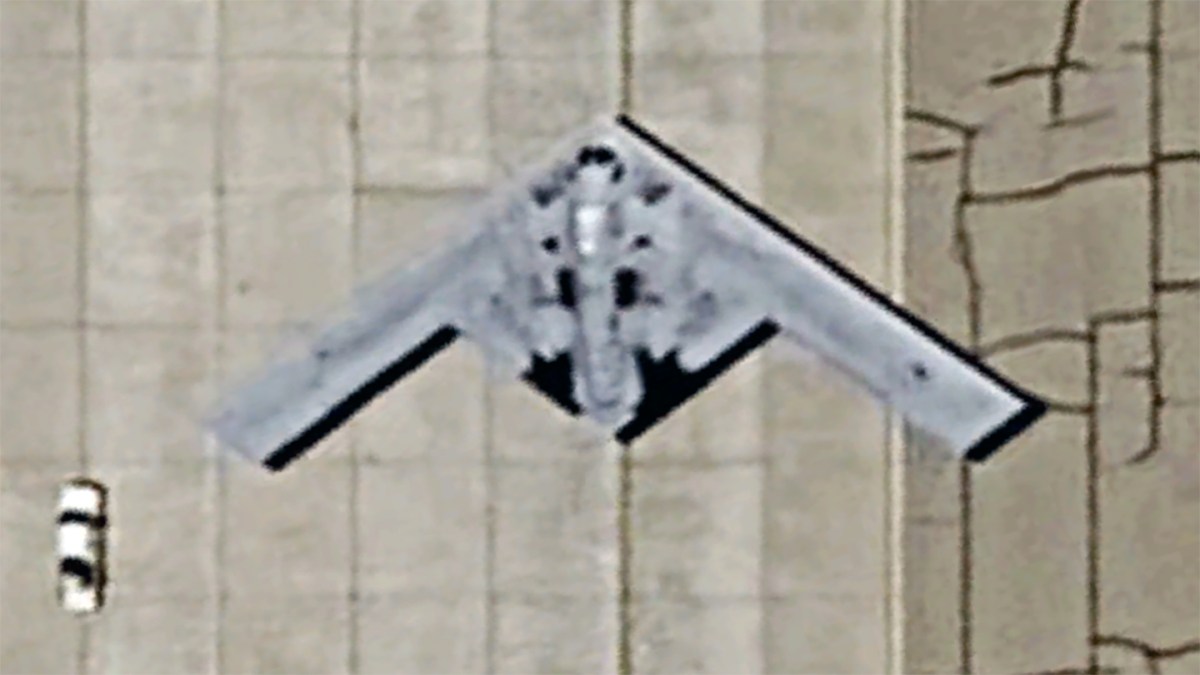
Carpenter also said the Army could use balloons to release air-launched effects, a term used by the US military for drones configured for different missions. Those missions can include reconnaissance, electronic warfare, communications relay, decoy work and loitering munitions.
In the concept described to The War Zone, balloons could therefore function as more than passive sensors. They could provide a way to place drones or other effects deep behind enemy lines, while helping create a resilient network of platforms across the operational area.
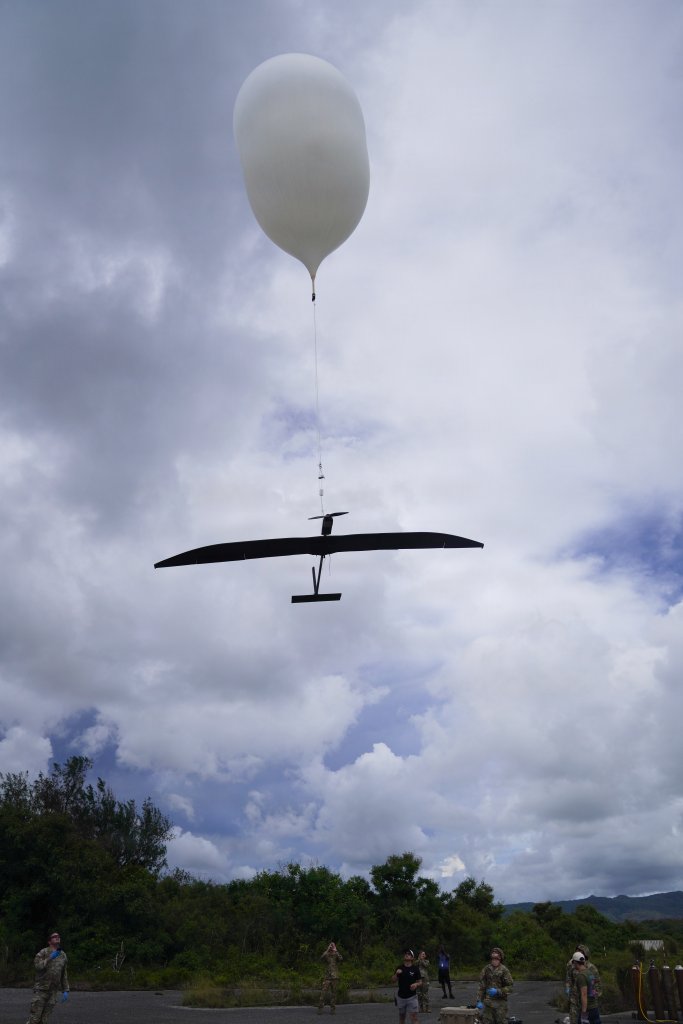
The combination is significant because it links relatively low-cost aerial platforms with unmanned systems that can be tailored for specific tasks. A balloon may extend the reach of a sensor or communications network; it may also act as a launch point for a drone that descends to perform a mission.
Part of a wider shift in battlefield systems
The Army’s interest comes amid broader experimentation with high-altitude balloons and other lighter-than-air platforms for intelligence collection, networking and drone support. The concept outlined by Carpenter emphasizes scale: hundreds, and potentially more, platforms operating together instead of a small number of high-value systems.
Such a force would pose operational questions of its own, including launch logistics, command and control, payload integration and survivability. But its attraction is clear in the scenario Carpenter described. A dispersed collection of balloons could offer commanders additional paths for gathering information, relaying communications and creating uncertainty for enemy air defenses.
No specific procurement program or deployment timeline was detailed in the comments reported by The War Zone. The remarks nevertheless offer a clear indication of how Army planners are thinking about the stratosphere: not as a niche domain for occasional observation, but as a layer that could be populated at scale in a major conflict.
This article is based on reporting by twz.com. Read the original article.
Originally published on twz.com