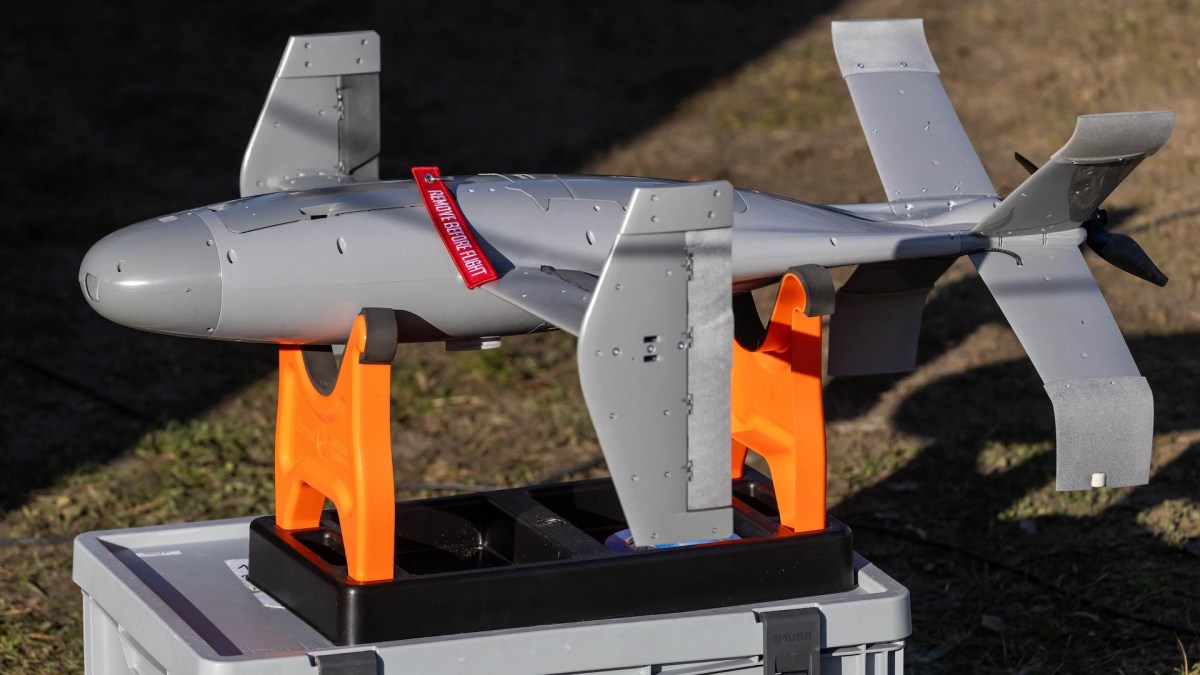
A direct purchase is no longer moving ahead
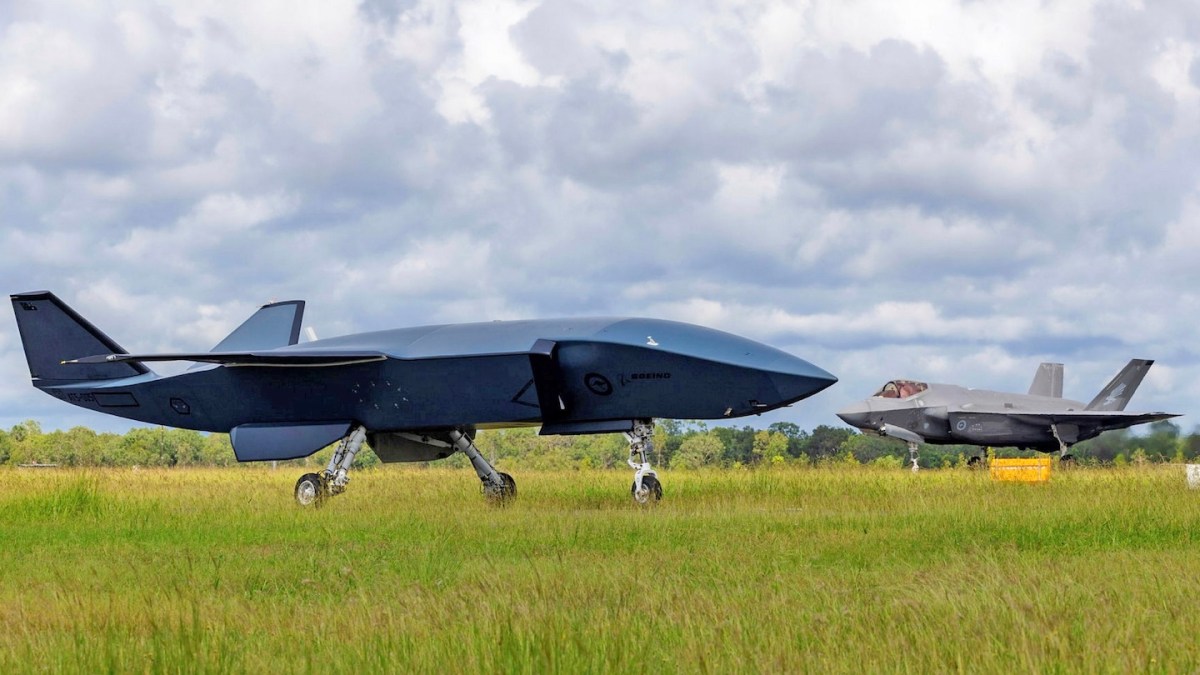
Germany has dropped plans to directly acquire Boeing’s MQ-28 Ghost Bat collaborative combat aircraft, a decision that could push its effort to field uncrewed combat aircraft alongside crewed fighters beyond the end of the decade.
Boeing confirmed to Breaking Defense that Germany’s Ministry of Defense had told the company it would not proceed with a direct acquisition of the larger Block 3 version of the aircraft. The decision, first reported by Politico, removes what had appeared to be a rapid route to bringing the uncrewed platform into German service.
The change does not necessarily eliminate the MQ-28 from consideration. Instead, Germany appears to be moving toward a broader acquisition approach in which competing aircraft could demonstrate their capabilities before a selection is made.
That distinction is important. A direct procurement would have prioritized speed and a known candidate. A competition may offer Berlin more options and more opportunity to shape requirements, but it also introduces time, evaluation and industrial-policy questions that can extend a program.
What the Ghost Bat is intended to do
The MQ-28 is a collaborative combat aircraft, often described as a loyal-wingman type of system. Such aircraft are intended to operate in coordination with crewed fighters, potentially extending sensing, carrying payloads or taking on missions that would otherwise place a human pilot and a high-value crewed aircraft at greater risk.
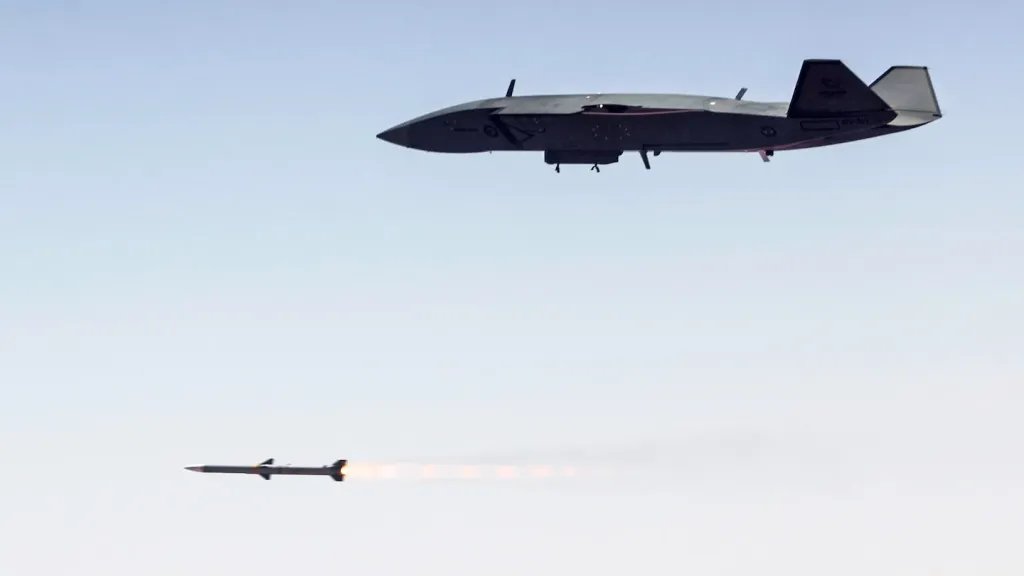
Germany’s interest in the Ghost Bat reflected a wider push among air forces to pair crewed fighters with increasingly capable uncrewed aircraft. The appeal is not simply adding drones to an inventory. The concept centers on integrating autonomous or remotely directed aircraft into combat formations, with the uncrewed systems contributing to a larger mission rather than operating as isolated platforms.
For Germany, the report says the direct-purchase plan had been connected to an ambition to have such aircraft before 2029. With that path now abandoned, a wider contest for the collaborative combat aircraft requirement is likely to take longer.
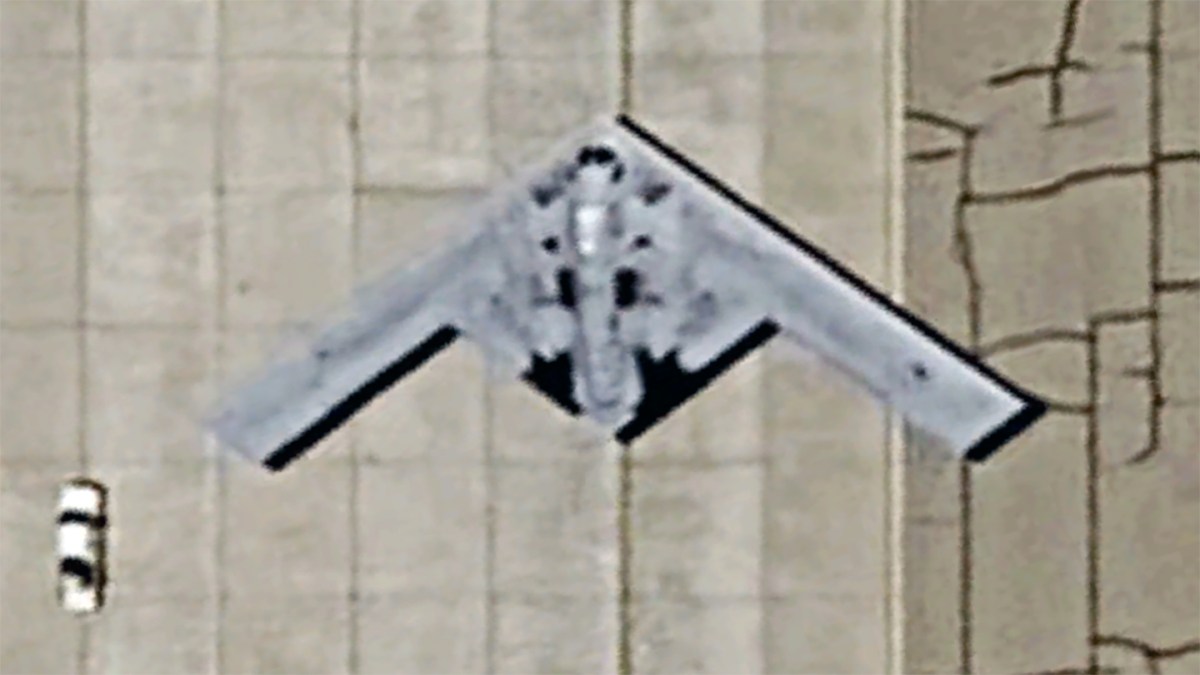
A setback for a Boeing-Rheinmetall effort
The decision is also a setback for Boeing’s effort to position the Australian-developed MQ-28 for Germany’s emerging requirement. Earlier this year, Boeing and Rheinmetall, Germany’s largest arms manufacturer, announced a partnership focused on tailoring the aircraft to Bundeswehr requirements.
Rheinmetall chief executive Armin Papperger said at the time that the partnership was intended to establish a basis for adapting the MQ-28, integrating it, operating it and further developing it in a way that strengthened industrial value creation in Germany and Europe. He described potential revenue in the three-digit-million-euro range.
The partnership remains relevant because the direct-procurement decision does not appear to close the door on the Ghost Bat itself. Boeing’s aircraft could still compete if Germany launches a broader selection process. But the company now faces a less certain and likely longer contest, rather than a near-term direct sale.
Speed versus competition
The policy shift highlights a recurring defense-procurement trade-off. Direct acquisition can accelerate delivery when a government has identified a system it wants and is prepared to accept the configuration, schedule and supply arrangements available. A competition can yield a better fit or stronger industrial participation, but it generally requires more time to define requirements, assess options and make a final award.
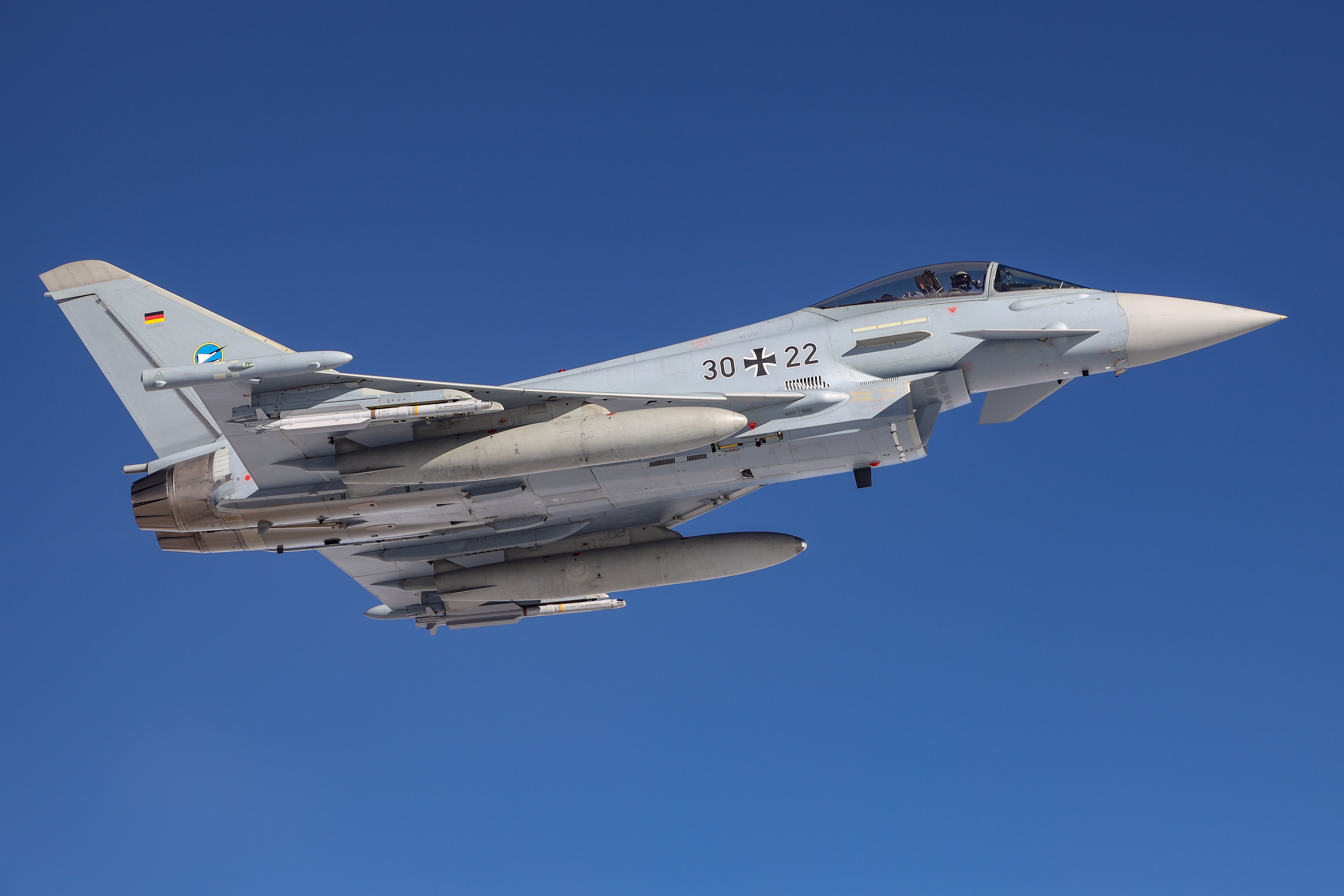
Germany’s decision appears to favor the latter route. That may create opportunities for other designs to enter the discussion and for Berlin to more fully weigh how an uncrewed combat aircraft would fit its operational needs, its industrial priorities and the wider European defense landscape.
It also leaves open key questions that the supplied reporting does not resolve: when Germany will set out its revised process, which aircraft will be invited to compete, and when a final choice could be made. What is clear is that the earlier timetable is now in doubt.
Why the decision matters
Collaborative combat aircraft are becoming a significant area of military aviation development, and Germany’s route to the capability will influence both its own force planning and industry competition around uncrewed systems. A delayed selection means the Bundeswehr may wait longer to place such aircraft alongside its crewed fleet.
For Boeing and Rheinmetall, the next task is to preserve the MQ-28’s relevance in a more open contest. For Germany, the challenge is to balance the desire to rearm quickly with the benefits it sees in a more competitive and tailored acquisition strategy.
The immediate outcome is narrower but consequential: Berlin will not rapidly buy the Ghost Bat directly. Its eventual collaborative combat aircraft program now looks set to be decided through a longer process, with the final fielding date likely to move further into the future.
This article is based on reporting by twz.com. Read the original article.
Originally published on twz.com