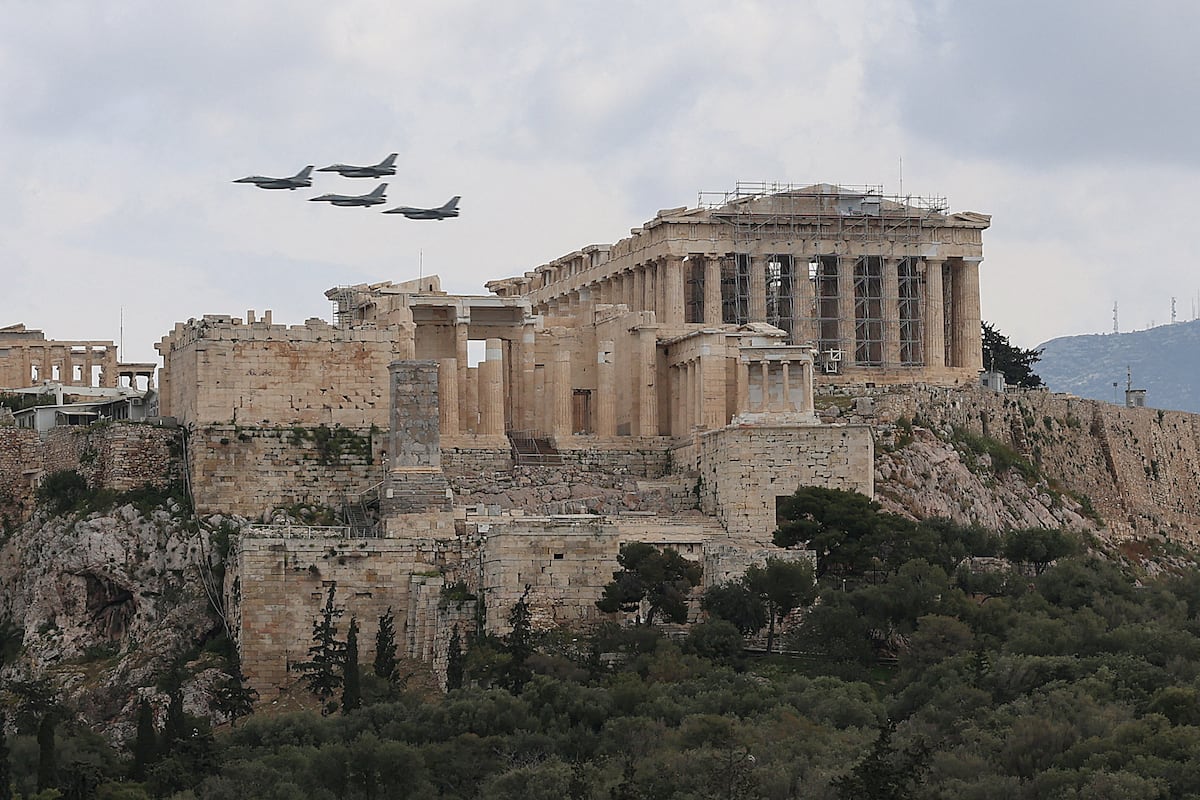
Greece moves ahead with major Israeli air defense purchase
Greece has approved the procurement contracts for a multi-layer air defense system worth up to €3.5 billion, or about $4 billion, from Israel, marking one of the most significant defense decisions announced by Athens this year. The package is centered on a planned anti-ballistic, anti-aircraft and anti-drone shield that Greece calls “Achilles Shield,” according to remarks by Defense Minister Nikos Dendias reported on July 23.
The approval is more than a simple equipment order. It signals how Greece is prioritizing layered air and missile defense as a core part of a long-term military modernization effort. The country already uses U.S. Patriot systems and older Russian S-300 systems for air defense, but Athens is now moving to build a more integrated architecture with Israeli radars and missiles from Rafael and Israel Aerospace Industries forming the center of the new network.
Dendias said Greece’s national security council, known as KYSEA, had given initial approval earlier in the year and formally approved the procurement contracts on Thursday. He added that the system is expected to be ready and fully operational within 35 months from now. He also said Greek companies will produce at least 25% of the system, an important detail because it ties the purchase not only to immediate defense requirements but also to domestic industrial participation.
What “Achilles Shield” is meant to do
The stated goal is a multi-layer defensive umbrella able to address several types of aerial threats. That includes ballistic missiles, conventional air threats and drones, which have become an increasingly prominent part of modern military planning. A layered structure matters because different threats fly at different speeds, altitudes and trajectories. The source report does not provide a full technical breakdown, but it makes clear that the Greek concept is designed to combine several defensive functions into a single coordinated system rather than rely on one class of interceptor alone.
The emphasis on anti-drone capability is especially notable. Greece and Israel already cooperate on anti-drone systems and cybersecurity, according to the source text, so the new procurement fits an existing pattern of military and technological collaboration. The decision also comes as many European defense ministries reassess how to protect critical infrastructure, military bases and national airspace against low-cost unmanned systems as well as more traditional missile and aircraft threats.
For Greece, the choice reflects geography and strategic pressure as much as technology. The country maintains a high defense spending level relative to many NATO partners, driven by its long-standing dispute with Turkey. Defense outlays are about 3.5% of gross domestic product, the report says, placing Greece above many allied benchmarks. In that context, a comprehensive air defense shield can be read as both a deterrence tool and a modernization measure.
Part of a broader rearmament plan
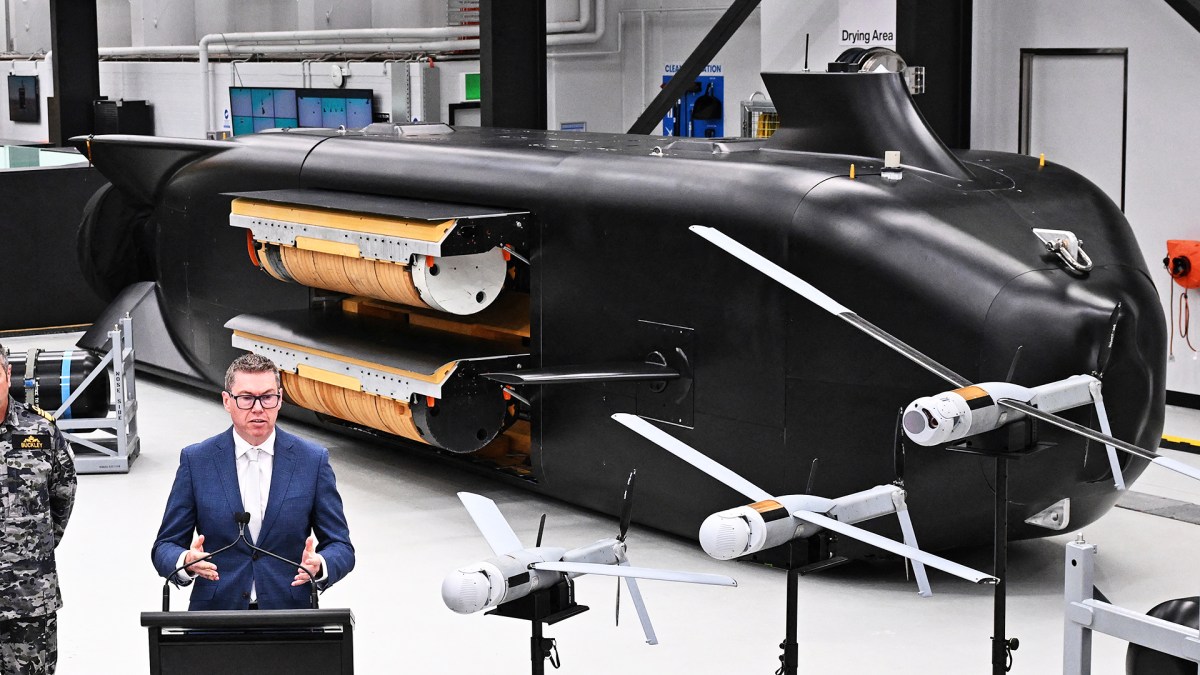
The air defense contracts were announced alongside several other procurement decisions, reinforcing that Athens is not modernizing in isolated fragments. Dendias said KYSEA also approved the purchase of three Embraer C-390 military transport aircraft, 10 British-built VICTA mini-submarines for special operations, U.S. V-BAT unmanned aerial vehicles and Heron UAVs from Israel.
Those decisions fit within a much larger Greek plan to spend around €28 billion by 2036 to modernize the armed forces. The same long-term program includes plans to buy up to 40 F-35 fighter jets from the United States as well as frigates from France and Italy. Taken together, the agenda points to a military recapitalization effort that spans air defense, airlift, naval capability, special operations and unmanned systems.
That breadth matters because it shows the air defense purchase is not a one-off response to a single threat. It is part of a strategy to update multiple force elements at once and to create a more modern overall structure. Transport aircraft improve mobility and logistics. UAVs expand surveillance and operational flexibility. Frigates and fighters address maritime and air power. A layered defensive shield helps protect the broader force and national territory.
Industrial and regional implications
The promise that Greek industry will produce at least a quarter of the air defense system could become one of the most consequential parts of the deal if it is carried through at scale. Domestic participation can reduce political resistance to expensive imports, strengthen local supply chains and create a path for maintenance and support work to remain inside the country. It can also deepen Greece’s role as a participant in the system rather than only a customer.
The deal also underscores the strength of Greek-Israeli defense ties. The two countries already operate an air training center on Greek territory, conduct joint annual military drills and collaborate in areas including anti-drone systems and cybersecurity. Athens also bought 36 Israeli-made rocket artillery systems last year for about €650 million, according to the source text. The latest approval therefore expands an established procurement and training relationship rather than opening a new one from scratch.
Regionally, the move may draw attention because it combines a large budget, Israeli suppliers and a relatively fast implementation timeline. A system described as fully operational within 35 months is not merely a distant concept. It is a near- to medium-term capability target that could reshape how Greece manages airspace defense in the next few years.
A procurement decision with strategic weight
Defense purchases are often discussed in terms of cost alone, but this decision carries broader strategic weight. Greece is using procurement not just to replace old equipment, but to redesign how its defenses work across multiple threat layers. The “Achilles Shield” plan speaks directly to an era in which states have to prepare for drones, missiles and more traditional air threats at the same time.
Whether the program delivers on schedule will determine how transformative it becomes in practice. For now, what is clear is that Athens has made a decisive commitment. By approving the contracts, tying in domestic industry, and embedding the system inside a wider €28 billion modernization framework, Greece has signaled that integrated air defense is moving to the center of its security planning.
This article is based on reporting by Defense News. Read the original article.
Originally published on defensenews.com