Whiteman’s new mission signals more than a one-base swap
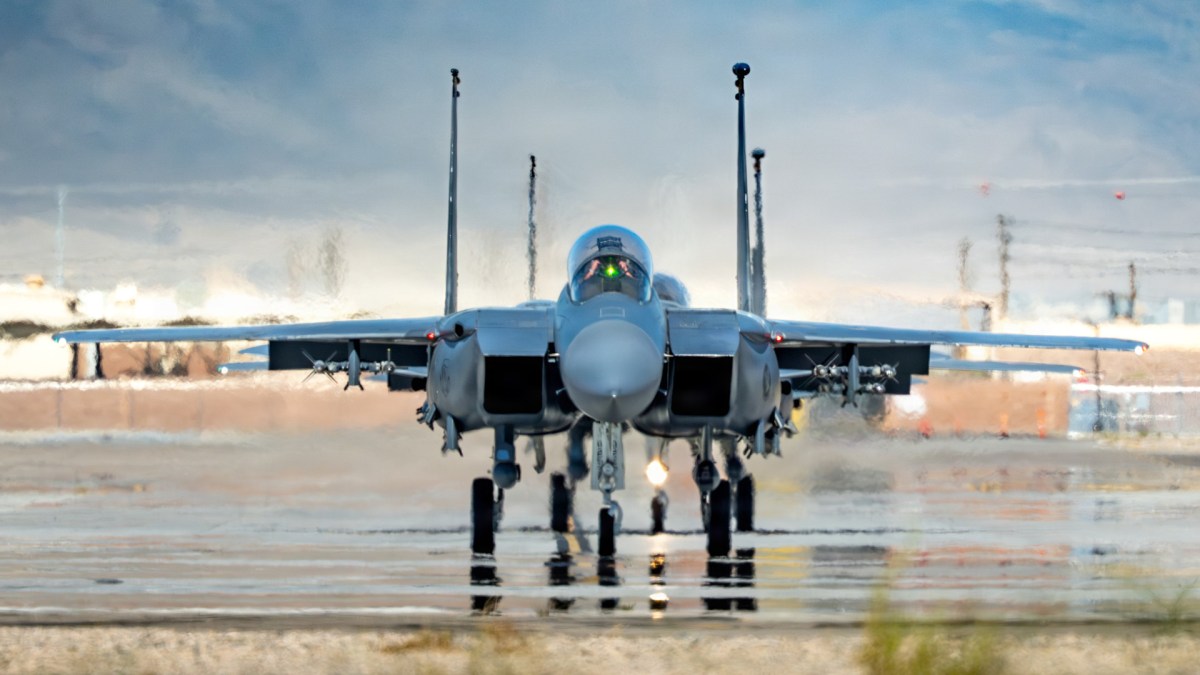
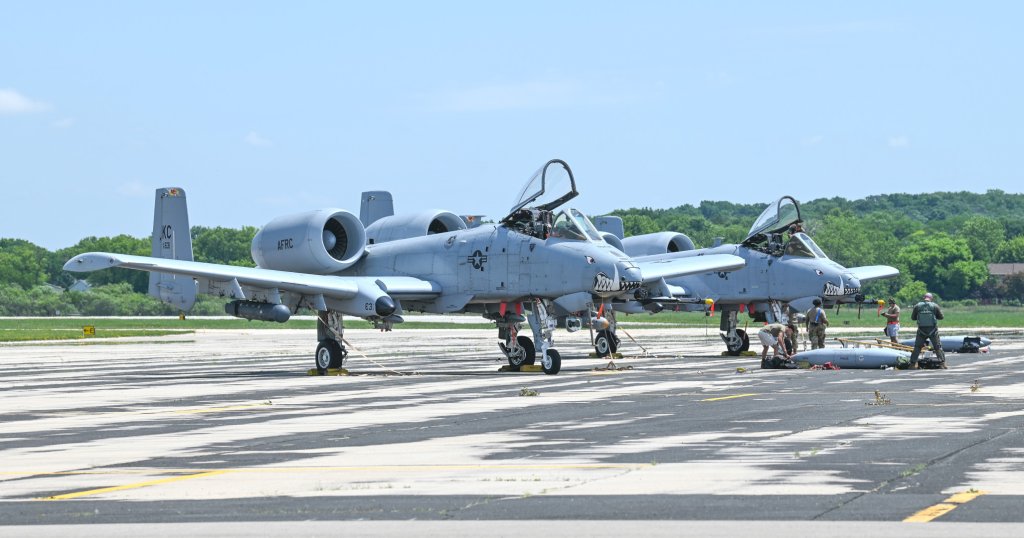
The U.S. Air Force Reserve’s 442nd Fighter Wing at Whiteman Air Force Base in Missouri is now slated to transition from the retired A-10 Warthog to the F-15E Strike Eagle, a move that looks significant well beyond one reserve unit’s future. On its face, the decision preserves a combat-coded fighter mission for a wing that had faced years of uncertainty after the drawdown of its A-10s. But the choice of aircraft, the number involved, and the fact that those jets must come from somewhere else all suggest a larger realignment of the Air Force’s Eagle fleet may be taking shape.
According to details released through Representative Mark Alford’s office, the Department of the Air Force has approved the relevant enterprise definition, site survey criteria, and candidate location for the Air Force Reserve Command F-15E basing action, with Whiteman identified as the sole candidate location. The plan calls for 24 F-15E aircraft to replace the 442nd’s previous mission set and keep the unit viable as a tactical fighter wing.
That alone would be notable. The A-10 has been one of the most recognizable close-air-support aircraft in the U.S. inventory, and units losing it have often faced difficult transition questions. What makes this decision especially consequential is that the Air Force did not select a newer fighter type for the reserve unit. It chose the F-15E, a mature but still highly capable strike aircraft, rather than the F-15EX Eagle II that is central to the service’s modernization plans.
Why the F-15E choice stands out
The F-15E remains a powerful multirole combat aircraft with deep strike capability, payload capacity, and an established support ecosystem. Even so, it is not the newest version of the Eagle family. The F-15EX has been positioned as the more modern path for future force structure, so assigning F-15Es to the 442nd raises an immediate question: where will those aircraft come from, and what other units will be reshuffled to make room?
The source text points directly at that issue. Because the 442nd does not already operate the Strike Eagle, the incoming aircraft will have to be transferred from another unit. That implies downstream changes elsewhere in the fleet. A reserve basing announcement, in other words, may be the first visible part of a larger organizational move involving active-duty, reserve, and possibly future F-15EX allocations.
This is where the Whiteman decision becomes strategically interesting. Air Force fleet management is rarely about replacing one aircraft type with another in isolation. It is about balancing modernization, readiness, cost, unit identity, and geographic basing. When one reserve wing receives 24 legacy-but-capable fighters, it can free other units to receive newer aircraft, consolidate training pipelines, or smooth the retirement path for older fleets. The Air Force has not laid out that entire chain in the supplied material, but the structure of the announcement strongly implies one exists.
What the move means for the 442nd
For the 442nd Fighter Wing, the transition appears to solve a more immediate problem: how to retain an operational fighter mission after the A-10 era. For years, there had been uncertainty about whether the wing would continue flying a tactical aircraft at all. Assigning 24 F-15Es preserves not only aircraft on the ramp, but also the combat relevance, training mission, and institutional experience of a reserve unit with a long history.
That matters in reserve planning because losing a flying mission can hollow out a unit’s future even if the base remains active in other ways. Skilled pilots, maintainers, and support personnel are tied to aircraft communities and mission sets. A replacement aircraft with real operational demand helps keep that expertise intact and gives the Air Force Reserve Command another platform with meaningful combat utility.
Whiteman is already a strategically important base as the home of the B-2 bomber fleet. It also hosts other military units, including the Missouri Army National Guard’s 1st Battalion, 135th Aviation Regiment with UH-60 Black Hawks. Adding a Strike Eagle mission reinforces the base’s role as a durable node in the broader U.S. airpower network, even though the 442nd’s mission is distinct from Whiteman’s bomber identity.
A modernization story with a legacy twist
The Air Force’s stated rationale, as reflected in the announcement, is to increase fighter capacity, modernize the force, and replace aging aircraft with a sustainable and capable platform. That language is standard, but in this case it reveals an important tension. The F-15E is itself not a next-generation aircraft. It is, however, a far more modern and versatile platform than the A-10 in terms of multirole utility and survivability across a wider set of missions.
So the transition can still fit inside a modernization framework even if it does not involve the newest available jet. Modernization is not always synonymous with buying only the latest version. Sometimes it means moving newer legacy aircraft to where they can preserve force structure while the newest types are concentrated elsewhere. If that is the logic here, then Whiteman may be receiving a highly capable bridge platform while the Air Force reserves flexibility for future Eagle II basing decisions.
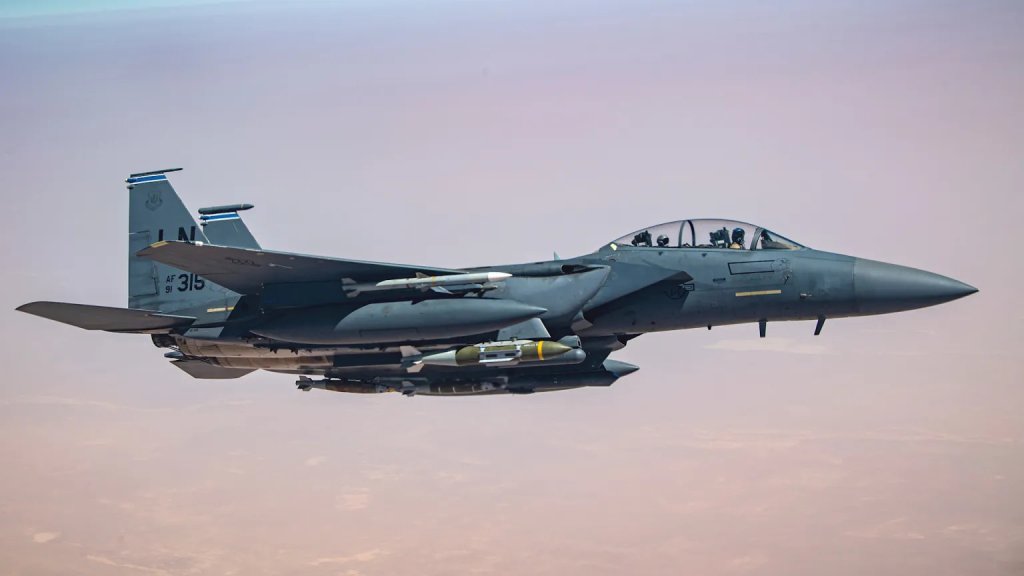
The decision may also reflect practical considerations such as training continuity, maintenance infrastructure, availability of airframes, and the need to keep reserve capacity online without waiting for enough F-15EX aircraft to be fielded. Those considerations are not spelled out in the candidate text, but they are consistent with the type of fleet-management pressures such a move usually reflects.
Why this matters for the broader Eagle fleet
The most important implication is that the Air Force may be preparing a more expansive redistribution of F-15-family aircraft than previously understood. When a reserve unit unexpectedly receives F-15Es instead of simply being deactivated, downsized, or handed a different platform, it hints at deliberate planning across the whole fleet. That could include how active-duty Strike Eagle units evolve, how reserve missions are protected, and how the F-15EX eventually slots into the overall force mix.
The announcement does not confirm every part of that future picture, and it should not be stretched beyond the facts provided. But it does indicate that the service sees continuing value in the Eagle line as more than a transitional leftover. The Eagle family remains central enough to reserve force design that the Air Force is willing to restructure missions around it.
For defense watchers, that makes the Whiteman basing decision more than a local personnel story. It is an early indicator of how the service may try to preserve fighter numbers, sustain reserve combat capability, and manage the handoff from retiring aircraft to newer fleets without creating a readiness gap.
The practical takeaway
The 442nd’s move from the A-10 to the F-15E preserves a tactical fighter mission that might otherwise have disappeared. At the same time, it raises larger questions about where the 24 incoming Strike Eagles will be drawn from and how the Air Force intends to sequence its broader Eagle-family modernization. Those answers are still ahead, but the logic of the current move is already visible: keep reserve capacity alive, use a proven aircraft to do it, and set conditions for a wider restructuring still coming into view.
- The Air Force Reserve’s 442nd Fighter Wing is set to receive 24 F-15E Strike Eagles at Whiteman AFB.
- The transition preserves the unit’s fighter mission after the retirement of its A-10s.
- Because the aircraft must come from another unit, the decision points to broader fleet realignment ahead.
This article is based on reporting by twz.com. Read the original article.
Originally published on twz.com