Regional officials meet in Tehran amid renewed fears of conflict
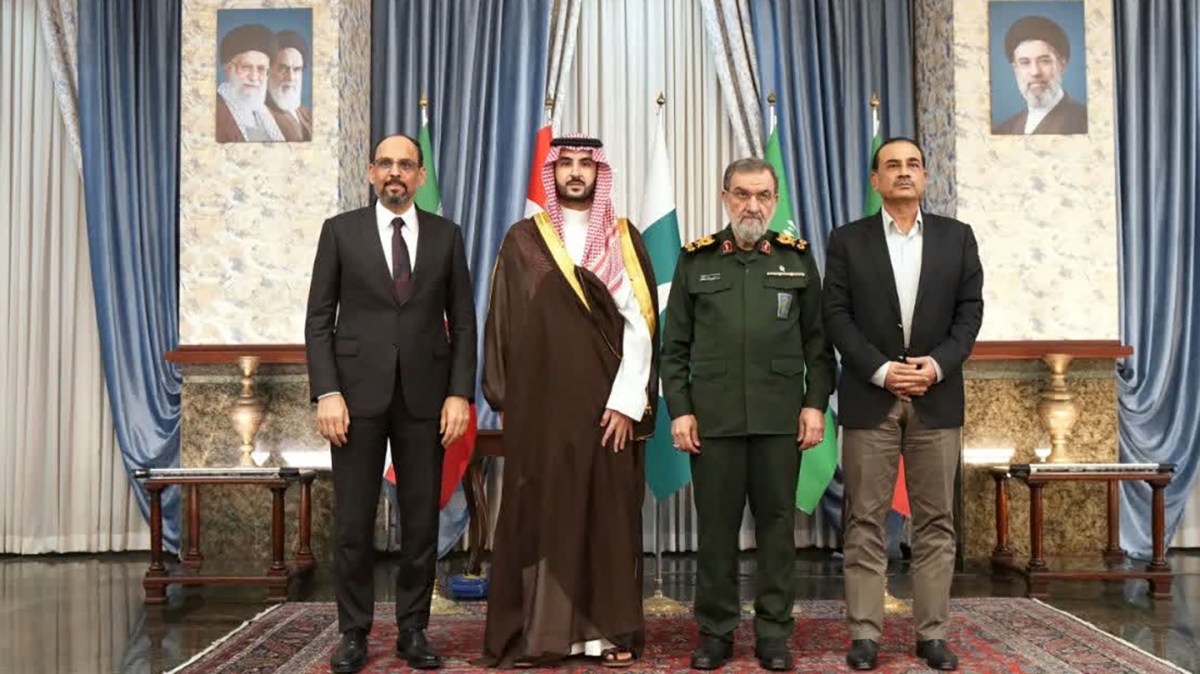
Officials from Iran, Saudi Arabia, Pakistan and Turkey held an unprecedented meeting in Tehran on Oct. 26 as concerns mounted over a possible return to wider fighting involving Iran, the United States and Israel.
The four countries said in a joint statement that they had agreed to continue dialogue aimed at strengthening cooperation on peace and security in the region. The talks came as U.S. and Israeli leaders were again considering whether to resume strikes on Iran, according to reporting by The War Zone.
Details of the hastily convened meeting were limited. Iranian officials characterized it as the beginning of a process rather than a finished diplomatic agreement, with further contacts expected.
A notable gathering after recent hostilities
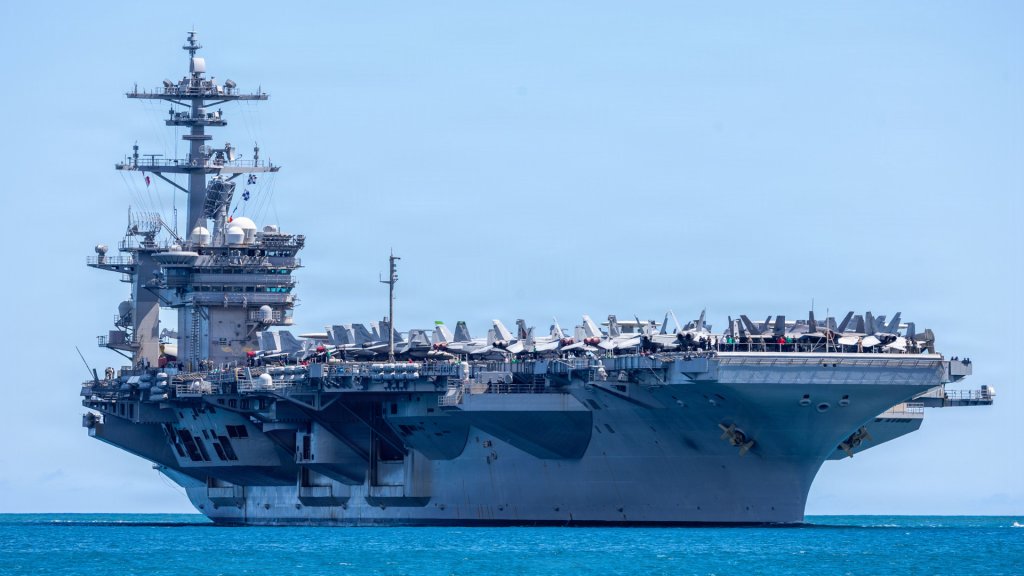
The attendance of Saudi Arabia was particularly significant. Saudi Arabia had hosted U.S. forces during attacks on Iran and had itself been struck repeatedly by Iran during Operation Epic Fury, according to the report.
The meeting was also the first between Iran and the other three countries since the formation in August of a new military alliance called the Mecca Joint Defense Agreement. That backdrop gave the Tehran gathering a security dimension beyond a conventional diplomatic consultation.
Mohsen Rezaei, secretary of Iran’s Supreme National Security Council, said on Iranian state television that the discussions had been productive and that he sensed a new atmosphere emerging in the region. The countries’ joint statement did not disclose specific commitments, timelines or mechanisms for de-escalation.
Yemen war adds pressure to diplomacy
The talks reportedly also addressed the war involving Saudi Arabia and Yemen’s Houthi rebels, who are backed by Iran. Frequent Houthi drone and missile attacks on Saudi oil infrastructure have added to regional tension and raised concern because of the Middle East’s central role in global energy supplies.
For Riyadh, the Houthi campaign creates a direct security threat even as it participates in discussions with Tehran. For Iran, the gathering offered a forum that included both a major regional rival and two influential Muslim-majority states, Turkey and Pakistan.
The immediate significance of the meeting lies less in a publicly announced deal than in the fact that the participants chose to establish direct contact under pressure from multiple, overlapping conflicts. Whether that contact develops into sustained diplomacy will depend on decisions by the governments involved and on the trajectory of possible military action against Iran.
What comes next
The joint statement’s commitment to continue dialogue suggests the officials intend additional meetings. But the available information leaves major questions unanswered, including whether the four governments have agreed on any shared approach to preventing strikes, containing the Yemen conflict or managing the risks to regional energy infrastructure.
For now, the Tehran meeting represents an effort by regional powers to create diplomatic space at a moment when military escalation remains a live possibility. Its impact will be measured by whether follow-on talks produce concrete steps to reduce the risk of a broader war.
This article is based on reporting by twz.com. Read the original article.
Originally published on twz.com