A 90-day test of military self-reliance
The Pentagon is reportedly setting an ambitious resilience target for major U.S. military installations: sustain essential operations independently for at least 90 days during a major disruption. The objective is part of the broader Fortress America initiative, announced last month, which focuses on protecting the homeland-facing infrastructure that military forces depend on before they deploy.
According to documents cited by Fox News and reported by The War Zone, the goal would cover access to electricity, water, fuel and communications. Three months is a demanding threshold. It shifts the question from whether a base can keep operating through a short outage to whether it can function through a prolonged crisis that affects regional infrastructure and supply chains.
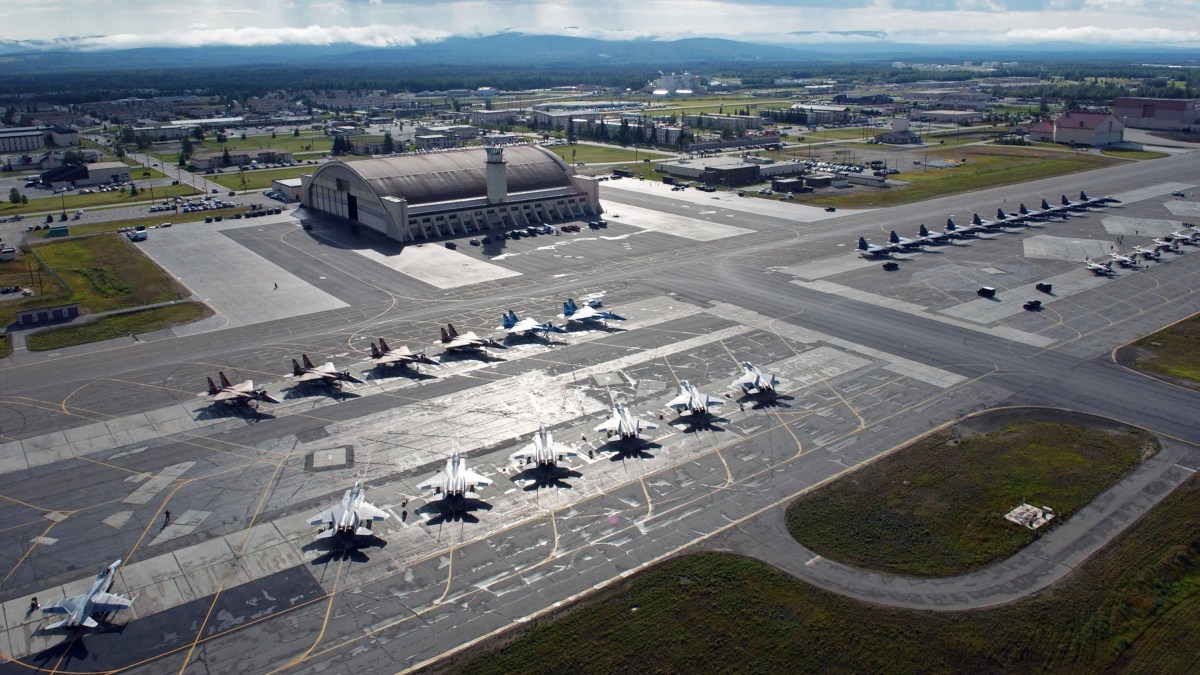
The plan’s premise is that military readiness is inseparable from civilian systems. A major installation may house aircraft, ships, vehicles, personnel and command functions, but it also relies on power, fuel deliveries, water, communications and a network of industrial suppliers. If those systems fail, forces can be constrained before they ever leave their garrisons.
Why installations have become a strategic concern
Fortress America is framed around the risk that a conflict or other crisis could disrupt critical infrastructure at home. The War Zone notes longstanding concerns about vulnerabilities in civilian energy infrastructure, including cyberattacks and drone swarms. Such threats could affect military capability indirectly by interrupting the systems that support it.
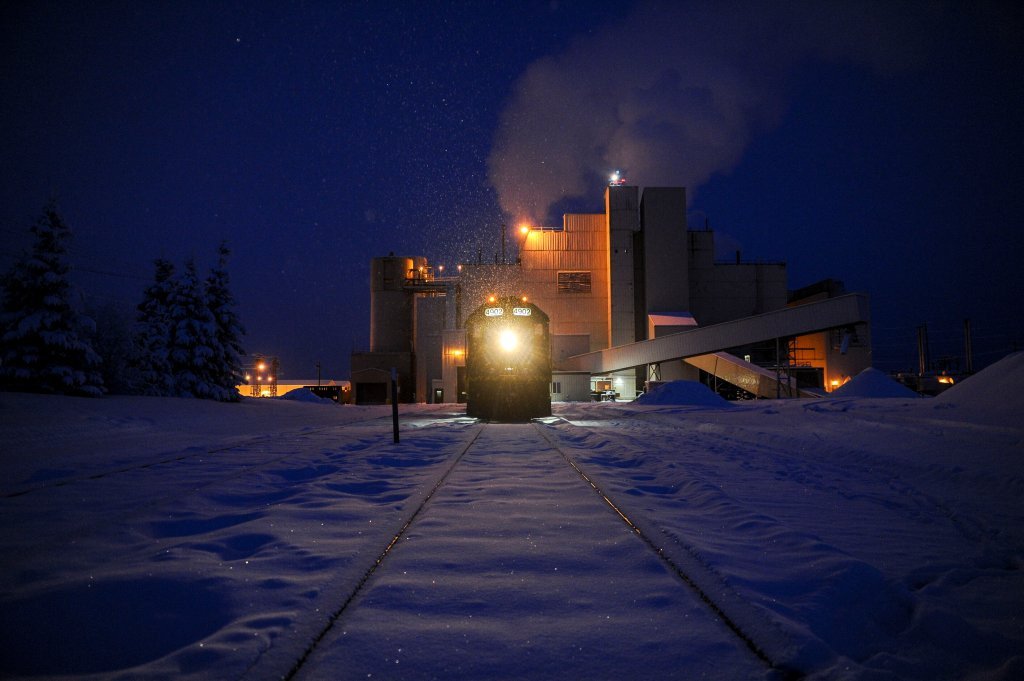
That concern makes domestic installations more than administrative hubs. They are operational nodes whose ability to generate power, communicate and maintain supplies could determine whether units remain ready during a wider emergency. Resilience, in this context, is not simply hardening a perimeter. It is the ability to continue essential work when external services and normal resupply are unavailable.
The reported 90-day benchmark also gives the initiative a concrete planning measure. A base would need to consider not only backup generation but the fuel, maintenance, water, communications and staffing needed to keep critical functions operating over an extended period. The stated goal is for installations in the continental United States to maintain essential operations without outside support.

Energy is central to the proposal
New small nuclear reactors are described as a key part of the resilience effort, alongside other infrastructure. The rationale is straightforward: on-site power generation can reduce dependence on a vulnerable external grid. But electricity is only one element of an independent base. A credible 90-day posture would also require dependable water, fuel, communications and access to critical resources.
The Pentagon’s announced initiative spans improved physical and cyber defenses at facilities as well as efforts to secure reliable access to critical defense-industrial resources. That broad scope reflects the range of disruptions planners appear to be considering. An installation could face a cyber incident, a physical attack, a grid failure, a supply interruption or several of those conditions at once.
Fortress America is an acronym for Federal Operations for Resilience, Troop Resources, Energy Supply, and Survivability. The name captures the program’s central idea: the domestic support structure for U.S. forces should itself be able to withstand a crisis.
From policy announcement to operating capability
The initiative is still defined publicly at a high level. The reported target establishes direction, but reaching it would require site-specific decisions about which functions are essential, how much redundancy is needed and how installations will maintain equipment and supplies during a long disruption.
It also places new emphasis on practical preparedness. Backup power that works for hours is different from a system designed to support a base for months. Communications that function during normal operations may need additional protection and redundancy when outside networks are degraded. Supply-chain resilience similarly depends on more than stockpiles; it involves the availability of industrial inputs and the ability to move or produce them when normal channels are interrupted.
The significance of the 90-day goal is therefore less about a single technology than about a change in planning assumptions. Rather than treating external support as a constant, the Pentagon is reportedly planning for the possibility that it may not arrive for a substantial period. If pursued at scale, that approach would make energy, water, fuel, communications and supply chains core components of military readiness at home.
Whether the goal is achieved will depend on implementation, funding and the detailed standards applied across installations. But the reported objective is clear: in a severe national crisis, U.S. bases are intended to remain operational long enough to protect the homeland and preserve the ability of forces to respond.
This article is based on reporting by twz.com. Read the original article.
Originally published on twz.com