Ukraine reports a new use for an uncrewed aerial platform
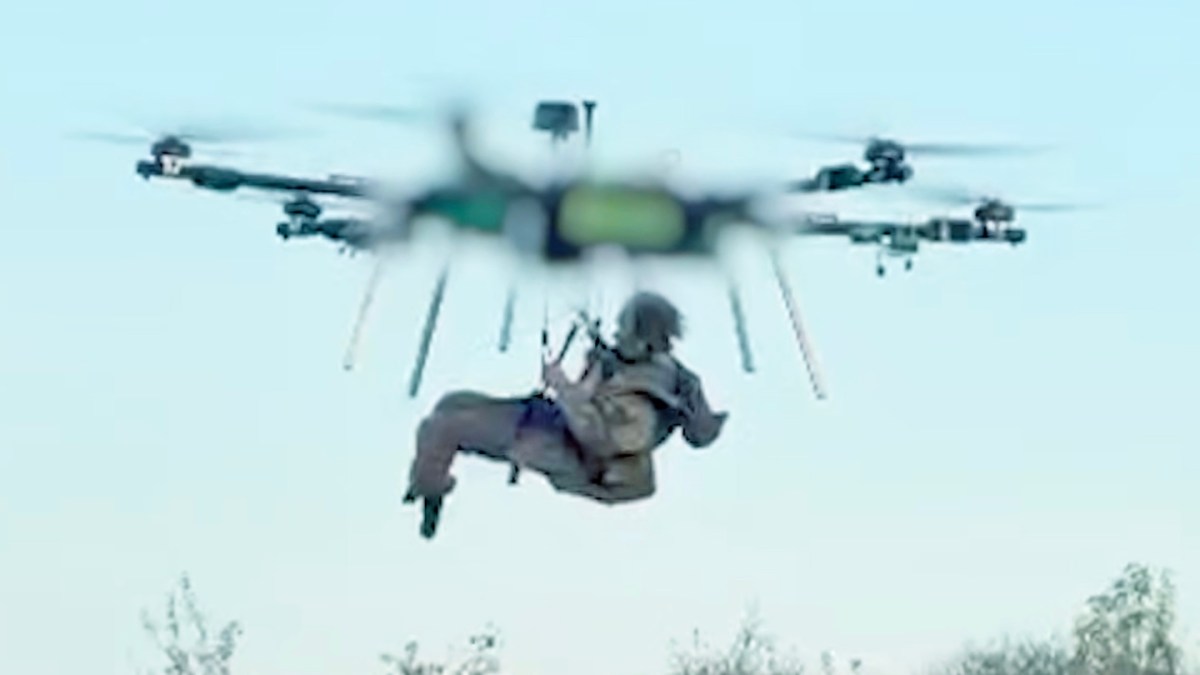
Ukraine’s 475th Separate Assault Regiment, known as CODE 9.2, says it has used a purpose-built uncrewed aerial platform to evacuate two seriously wounded soldiers from the battlefield in the space of a week.
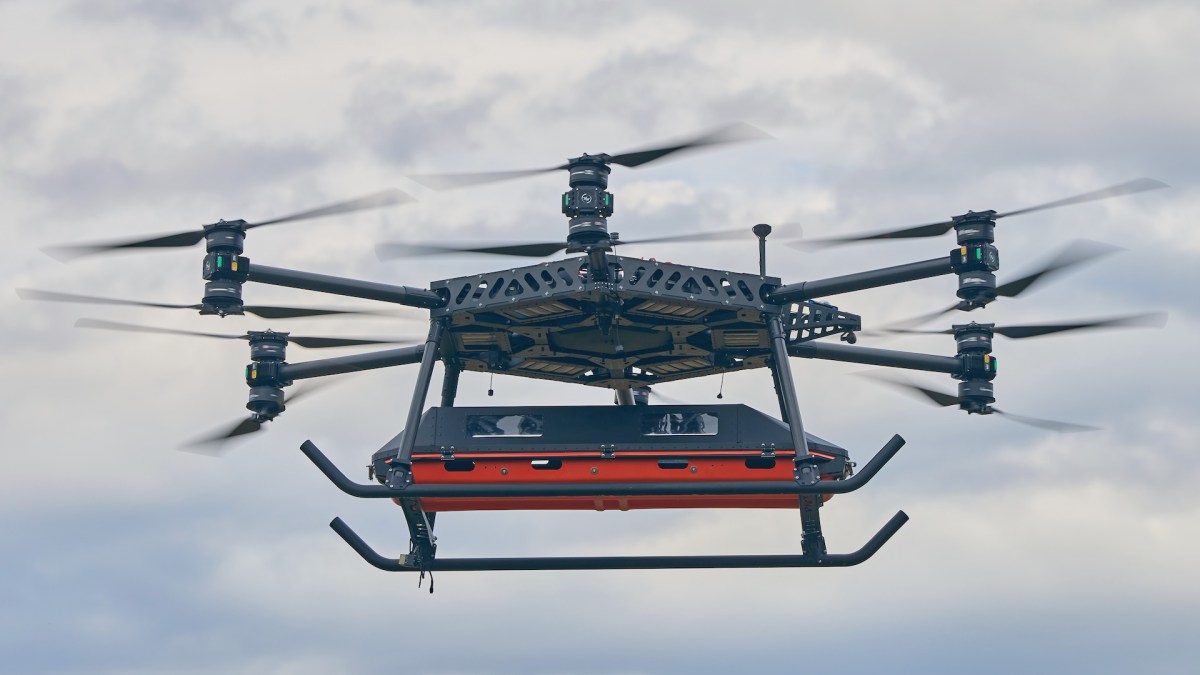
The platform, called StarGate, was developed and manufactured by Ukrainian company SkyFall. According to the regiment, the two missions were the first time this specialized aircraft had been used for casualty evacuation. The claims have been reported publicly by the unit and should be understood as wartime accounts rather than independently verified operational results.
Even with that caveat, the reported missions illustrate a pressing battlefield problem: getting injured personnel out when terrain, electronic warfare and the threat from hostile drones make conventional recovery difficult or impossible. Ukraine has previously used more improvised heavy hexacopters for aerial rescue. The StarGate missions point to an effort to turn that improvised capability into a more dedicated one.
Terrain and drones constrained ground rescue
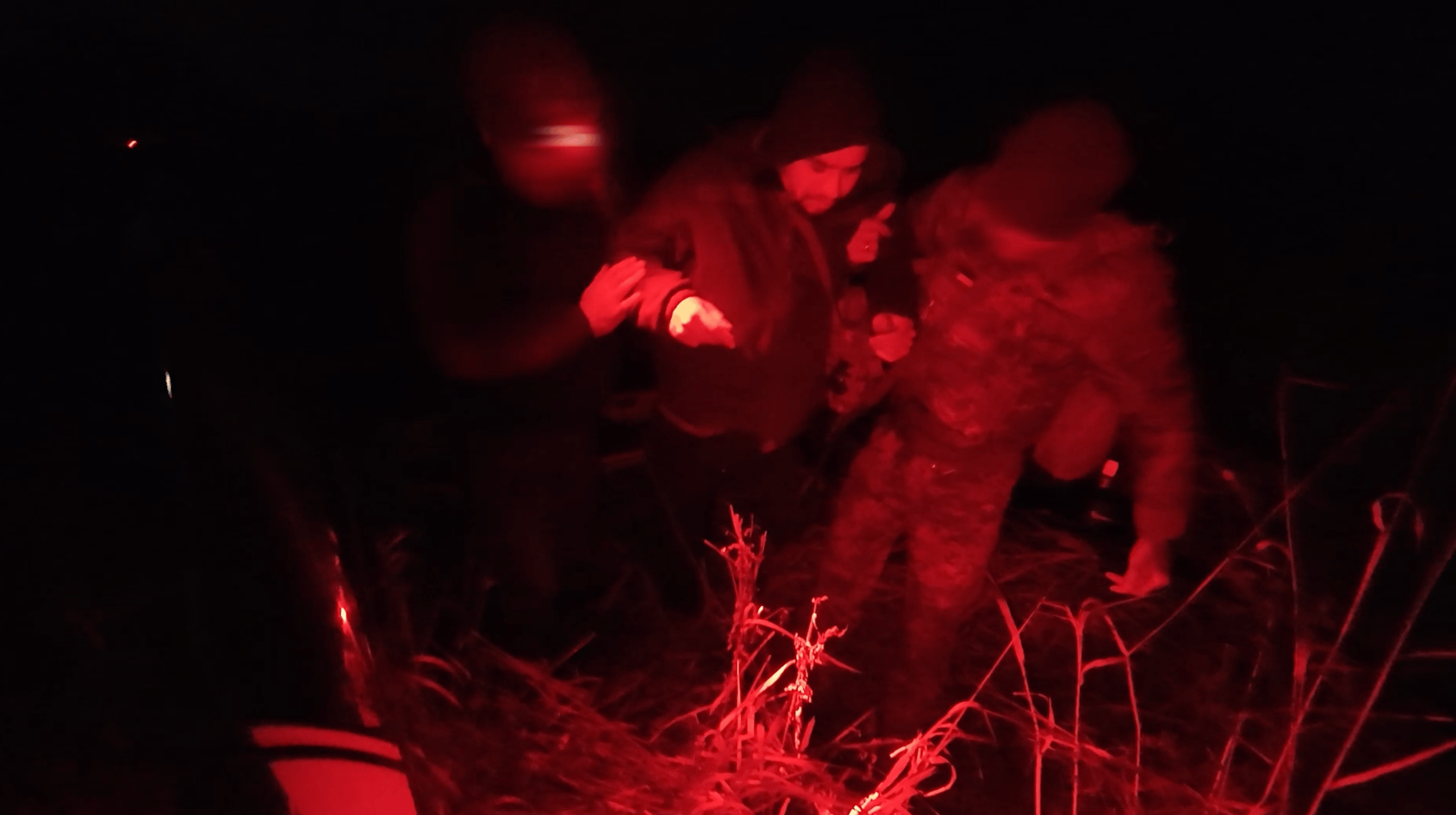
CODE 9.2 said the two wounded servicemen had sustained severe limb injuries while occupying positions in a so-called gray zone about three miles from the Russian border. The soldiers were identified as 25-year-old Yevhen, callsign “Izyum,” and 24-year-old Artem, callsign “Kolobok,” from adjacent units.
According to the regiment’s account, water obstacles and other difficult terrain prevented ground vehicles from reaching them. The threat from Russian first-person-view drones further constrained the options available to rescuers. In that setting, the unit said air evacuation was the only available route.
That conclusion highlights how the proliferation of cheap, rapidly deployable drones is altering more than reconnaissance and strike operations. Casualty recovery has traditionally depended on protected vehicles, ground teams and, where conditions permit, crewed helicopters. All of those methods can become harder to use when small drones threaten exposed routes and aircraft, while electronic warfare complicates unmanned alternatives.
Aerial evacuation required more than one drone
The reported StarGate operations were planned and carried out by CODE 9.2 personnel with support from SkyFall. The unit said the missions required coordination among multiple units, additional forces and equipment, and dedicated fire support. In that respect, the drone evacuations resembled a conventional casualty-evacuation mission more than a simple one-aircraft pickup.
Vampire heavy strike drones were used to suppress enemy positions during the operations, according to the report. The account also described the recovery effort as taking place under the threat of electronic attack. These operational details matter because a drone capable of carrying a casualty does not eliminate the wider military problem of reaching, loading and protecting a wounded person during extraction.
Instead, it changes one part of the chain. Where a ground vehicle cannot pass and a crewed aircraft may be too vulnerable or unavailable, a purpose-built uncrewed aircraft may create another option. Its usefulness will depend on factors such as payload, range, reliability, communications resilience, weather and the ability to operate under hostile observation and attack. The supplied reporting does not provide technical performance figures for StarGate, so those factors cannot yet be assessed from the reported missions alone.
Why a dedicated system is notable
The difference between a dedicated casualty-evacuation aircraft and an adapted heavy drone is not merely cosmetic. Moving an injured person creates requirements that differ from carrying a munition or cargo. The platform must support the casualty securely, be able to lift and fly with that load, and fit into a rescue process that can be conducted quickly in a dangerous area.
Ukraine’s battlefield has become an unusually rapid test environment for unmanned systems, from small first-person-view aircraft to larger platforms intended for logistics and strike roles. The StarGate missions suggest that evacuation is becoming another area where units are experimenting with unmanned tools in response to access constraints.
That does not mean aerial drones will replace established casualty evacuation. The reported operations themselves underline the limits of that idea: they needed personnel, coordination, additional equipment and suppressive support. A drone can remove the need to send a ground vehicle along a particularly exposed route, but it does not remove the hazards faced by the personnel who locate, prepare and load the wounded soldier.
Evidence of an emerging capability, not a settled solution
The value of the reported missions lies in the operational need they address. When conventional recovery cannot reach casualties, a successful uncrewed extraction can be consequential. Yet two claimed evacuations are not enough to establish how widely the method can be used, how often it can succeed, or how it compares with ground or crewed-air alternatives.
The report also does not establish whether StarGate can operate consistently in different weather, terrain and electronic-warfare conditions. Nor does it provide outcome data for the evacuated soldiers beyond describing their injuries and the recovery missions. Those gaps are expected in frontline reporting but remain important when judging the maturity of the capability.
Still, the episode shows how battlefield pressures are expanding the role assigned to drones. The same conditions that endanger ambulances, recovery vehicles and helicopters are driving demand for systems that can move through contested areas without putting a crew onboard. If the claims are borne out through repeated use, specialized aerial casualty evacuation could become a more visible element of Ukraine’s broader effort to adapt medical and logistics operations to a drone-saturated war.
This article is based on reporting by twz.com. Read the original article.
Originally published on twz.com