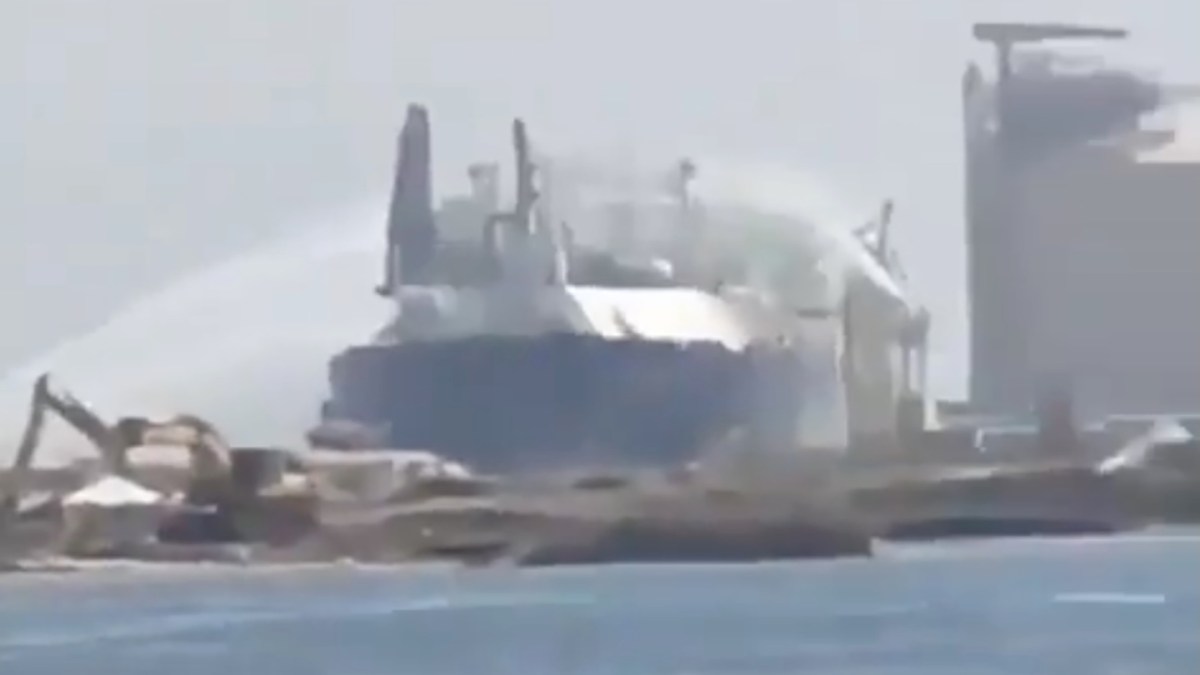
Egypt publicly confirms a drone strike at Damietta
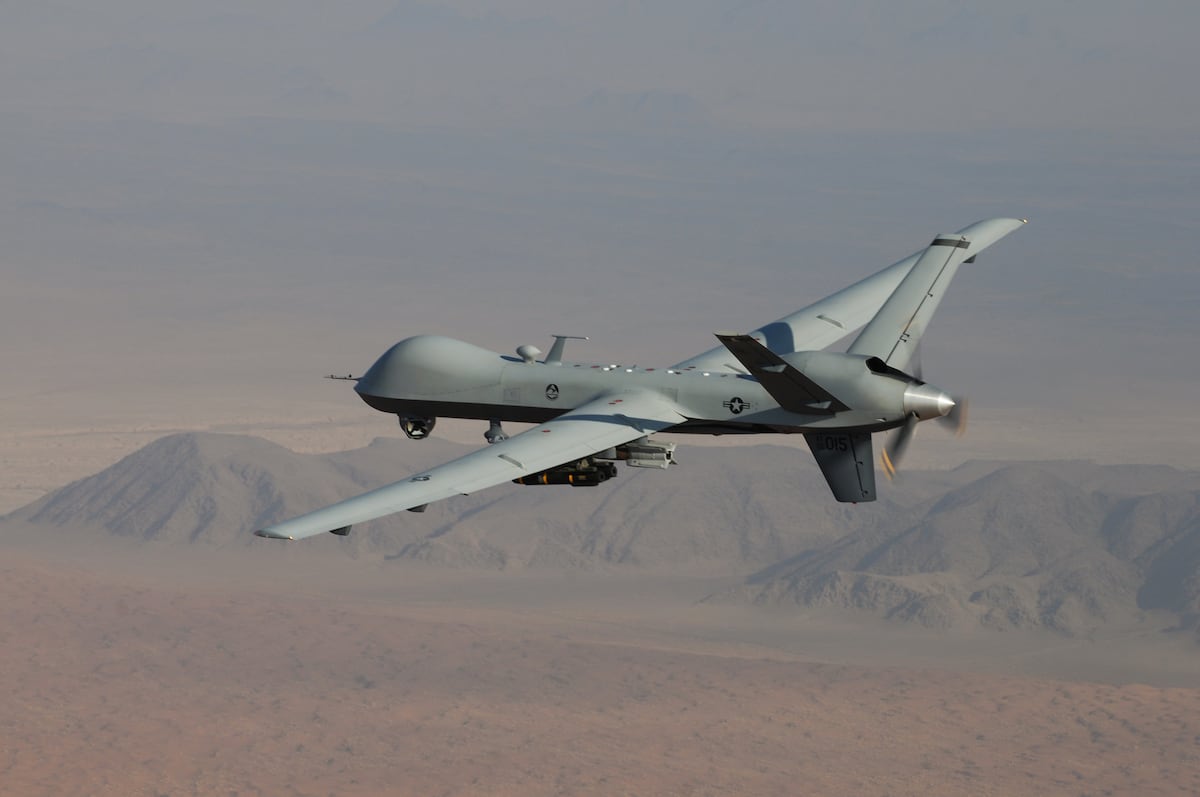
Egyptian officials have confirmed that the Mediterranean port facility at Damietta was hit in a drone strike, a significant acknowledgment that brings Egypt more directly into a widening regional security crisis tied to energy infrastructure and shipping lanes. The government said preliminary investigations indicated that a drone caused the incident, though no party had claimed responsibility at the time of the official statement.
The confirmation matters on several levels. It is the first public acknowledgment by Cairo that Egyptian territory has come under fire in the current conflict environment described in the source reporting. It also places a major natural-gas handling site inside a broader pattern of attacks and threats affecting fuel shipments, ports, and maritime routes across the region.
In its statement, Egypt said authorities had contained the fire and begun an initial investigation, which pointed to a drone as the cause. Officials said inquiries were continuing to determine the full circumstances and to protect national security interests. That language is cautious, but the broader implication is clear: an attack on Damietta is not being treated as an isolated industrial accident. It is being handled as a hostile security event with possible regional consequences.
Why Damietta matters beyond Egypt
Damietta is not just another coastal installation. It is part of the infrastructure that connects gas supply, maritime transport, and regional energy trade. An attack there immediately draws attention because disruptions at LNG-linked facilities can affect ship movements, insurance assessments, security planning, and confidence in the reliability of export routes.
According to the source report, maritime security firm Ambrey said two vessels were struck by drones at Damietta. One was described as a U.S.-owned and operated, Marshall Islands-flagged floating liquefied natural gas storage and regasification unit. The other was described as a Greek-owned and operated, Bermuda-flagged LNG tanker. Even before responsibility is established, those details underscore the international dimension of the incident. The vessels tied to the event were not purely domestic Egyptian assets; they were part of a wider commercial and logistical network.
That makes the strike more consequential than a narrowly local attack. Modern energy systems depend on cross-border shipping, multinational operators, and tightly coordinated port logistics. A single successful drone attack at a key terminal can ripple outward through freight planning, security costs, and diplomatic messaging. In that sense, the Damietta incident is as much about signaling as it is about physical damage.
A conflict increasingly centered on energy corridors
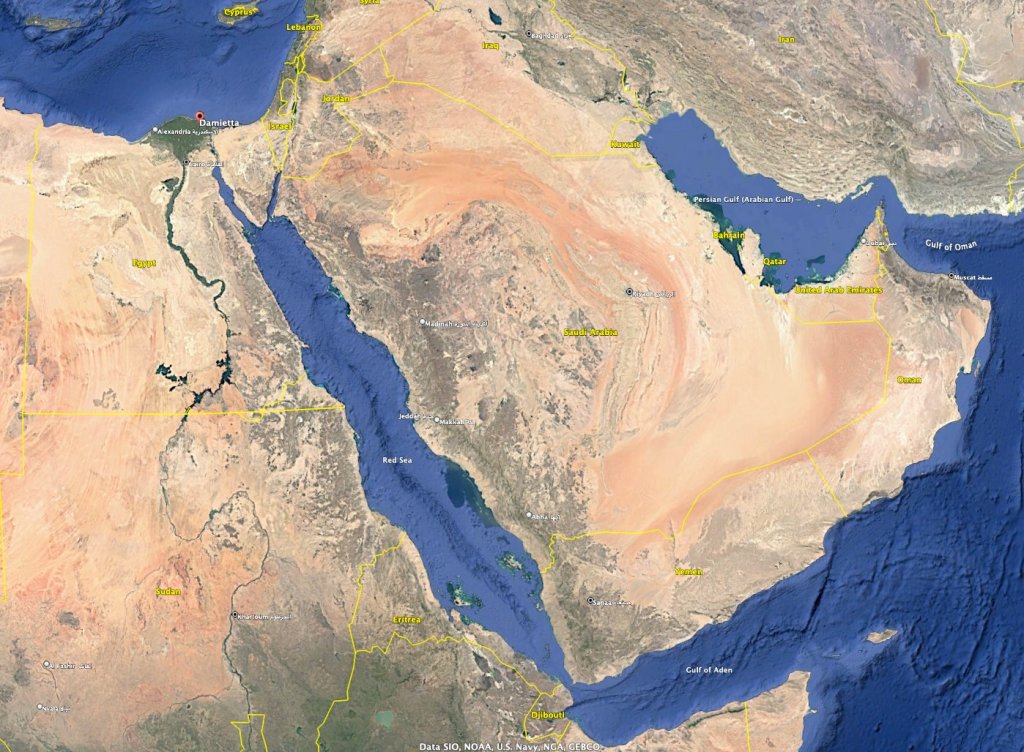
The source reporting places the strike within a broader contest over energy flows and maritime chokepoints. It notes that the attack came as the Houthis were considering tolls on shipping through the Bab al-Mandeb Strait, where they had already established a blockade on Saudi shipping and attacked vessels and energy infrastructure. At the same time, Iran was described as continuing missile and drone attacks across the region after a brief pause in tit-for-tat operations.
Those developments matter because they point to a strategic logic that goes beyond direct battlefield confrontation. Rather than focusing only on military bases or conventional front lines, regional actors and proxies are increasingly pressuring the systems that move fuel, goods, and influence. Ports, tankers, regasification units, and straits become leverage points. They are economically important, politically sensitive, and often difficult to fully protect.
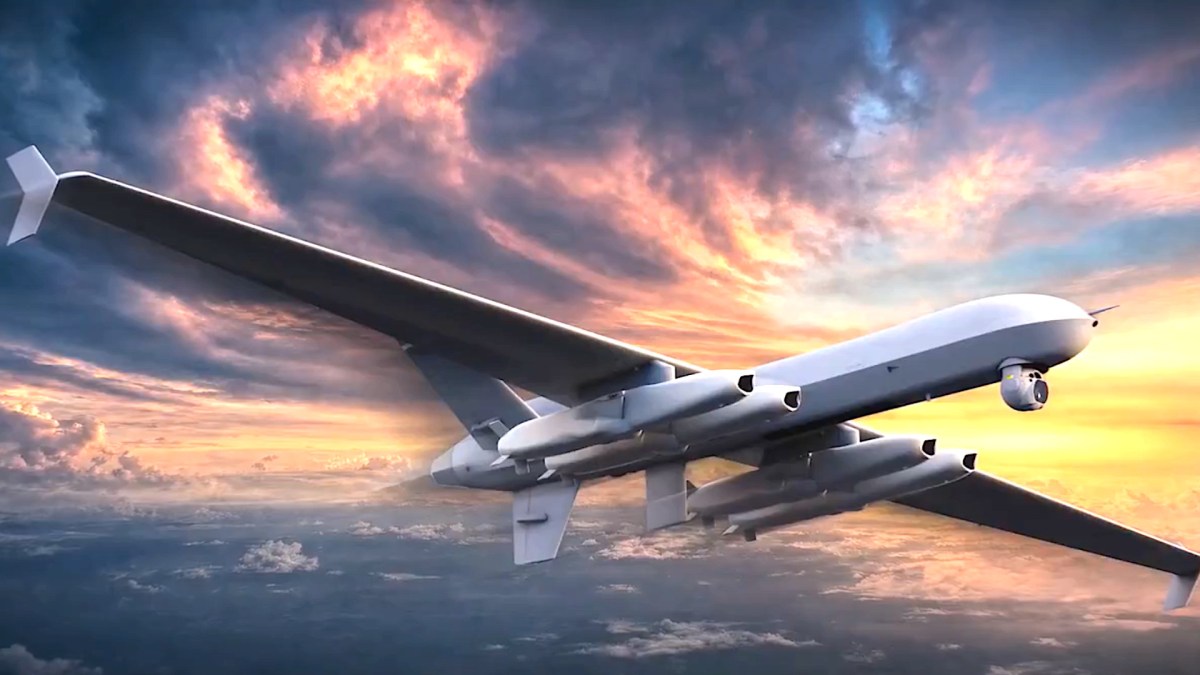
From that perspective, the Damietta strike fits a recognizable pattern: use low-cost, deniable or semi-deniable tools to create uncertainty around high-value infrastructure. Drones are especially suited to that role. They can be deployed at relatively low expense, launched from varied locations, and used to impose costs disproportionate to their size. Even limited physical damage can produce a broader effect if operators, insurers, or governments conclude that more attacks may follow.
The challenge of attribution and escalation
For now, the most important unanswered question is responsibility. Egypt’s government said no party had claimed the strike, and the source reporting does not establish attribution. That uncertainty is not incidental. In regional conflicts involving drones, missiles, maritime actors, and proxy networks, ambiguity can itself be part of the strategic effect.
When attribution remains unresolved, governments have less room for immediate retaliation and more pressure to strengthen defenses, collect intelligence, and manage public messaging. At the same time, uncertainty can heighten anxiety in commercial markets because shipping and energy operators must plan against risk before investigators finish their work. In practice, the absence of a formal claim does not reduce the seriousness of the event. It complicates the response.
The Egyptian government’s public acknowledgment may therefore serve two purposes at once. Domestically, it signals that the state is treating the incident seriously and is moving to secure national assets. Internationally, it puts other regional actors on notice that Egypt views attacks on its energy-linked infrastructure as a matter of national security, even before assigning blame.
What to watch next
The immediate questions now concern scope, follow-on risk, and official response. Investigators will need to determine how the drones reached the target area, whether the vessels or port installations were the intended objective, and whether the strike was meant primarily to damage, disrupt, or send a message. The answer could shape both Egypt’s security posture and the reaction of shipping companies operating in nearby waters.
Equally important is whether the incident proves isolated or becomes part of a sustained pattern. If attacks expand from established hotspots into additional Mediterranean-linked energy facilities, the regional conflict would take on a broader geographic footprint. That would raise the stakes for governments trying to keep export terminals, transit routes, and industrial sites operating under wartime pressure.
Even without a larger campaign, the Damietta strike has already changed the public picture. Egypt has moved from being an observer and affected regional stakeholder to a country openly acknowledging that one of its port facilities was hit by a drone. In a conflict where infrastructure, logistics, and maritime access have become strategic targets, that is a meaningful threshold.
The event is also a reminder that energy security and military security are now tightly intertwined. LNG terminals and port assets are not just commercial nodes. In a crisis, they become pressure points in a larger contest over supply, mobility, and political leverage. The Damietta strike shows how quickly that contest can spill across borders and pull new states into its orbit, whether or not they sought direct involvement.
This article is based on reporting by twz.com. Read the original article.
Originally published on twz.com